Fall Detection Device vs. Manual Check-Ins: Which Is Better for Aging Parents?
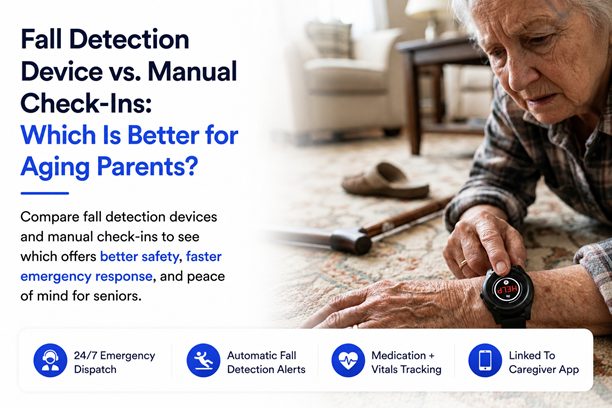
As parents grow older, families often worry about one thing the most –
“What happens if they fall when nobody is around?”
Some families rely on regular phone calls and caregiver visits. Others use fall detection devices that automatically send alerts during emergencies.
Both help seniors stay safe, but they work very differently.
What Are Manual Check-Ins?
Manual check-ins include:
• Daily phone calls
• Video calls
• Home visits
• Caregiver wellness checks
They provide emotional support and help families stay connected with aging parents.
Benefits of Manual Check-Ins
• Strong human connection
• Helps reduce loneliness
• Family members can notice behavior changes
• Easy for seniors who dislike technology
Biggest Limitations
Manual check-ins only work when someone is actively checking in.
If a senior falls:
• Late at night
• Between calls
• In the bathroom
• While alone at home
…help may be delayed for hours.
What Is a Fall Detection Device?
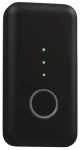
A fall detection device is a wearable safety device that automatically detects falls and alerts caregivers or emergency contacts.
These devices may include:

Automatic Fall Detection Alerts

SOS Emergency Button

Real-Time GPS Tracking

Two-Way Calling System

Real-Time Caregiver Notifications
Some devices can send alerts even if the senior cannot speak or press a button.
No Long Contracts + Setup In Under 2 Minutes
Fall Detection Device vs. Manual Check-Ins
Emergency Alerts
24/7 Protection
 Yes
Yes
 No
No
Faster Emergency Response
Yes
Works If Senior Is Unconsious
Yes
No
GPS Tracking
Available
Not Available
Emotional Support
Human Interaction
Best for Seniors Living Alone
Risk of Missed Emergencies
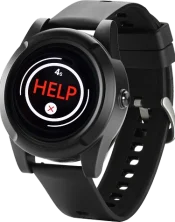
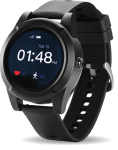
Medical Alert Watch with Fall Detection
Which Option Is Better?
Manual Check-Ins Work Best If:
• Seniors live with family
• Fall risk is low
• Someone is nearby regularly
Fall Detection Devices Are Better If:
• Seniors live alone
• There’s a history of falls
• Mobility or balance issues exist
• Family cannot monitor constantly
Best Solution? Combine Both
The safest approach is usually a combination of:
• Regular family check-ins for emotional support
• A fall detection device for emergency protection
Together, they provide both connection and safety.
Conclusion: Balancing Tech with Care
Manual check-ins are helpful, but they cannot provide continuous protection.
A fall detection device adds 24/7 safety monitoring and faster emergency response especially when aging parents are alone.
For many families, combining human care with smart safety technology is the best way to help seniors stay safe, independent, and connected.