What If a Senior Falls and Can’t Press Their Medical Alert Button?

A medical alert button can give an older adult a simple way to request help during an emergency. But there is one situation families often worry about before buying one: What happens if Mom or Dad falls and cannot press the button?
A serious fall could leave someone injured, disoriented, unconscious, or physically unable to activate their help button. This is why families should look beyond manual activation when comparing senior safety systems.
Features such as automatic fall detection, 24/7 emergency monitoring, two-way communication, and caregiver alerts can provide additional layers of protection when pressing a button is not possible.
WHAT IF THEY CAN’T PRESS THE BUTTON AFTER A FALL?
Choose a senior safety solution that provides added protection when your loved one may be unable to call for help.
Why a Medical Alert Button Alone May Not Always Be Enough
Traditional alert buttons depend on one important action: the wearer must recognize the emergency and physically activate the device.
In many situations, that works well. A senior who feels dizzy or needs assistance can press the button and initiate the response process.
A fall can be different.
The senior may land in a position that makes reaching the button difficult. They could become confused or lose consciousness. If the device depends entirely on manual activation, assistance may be delayed.
That is why understanding what happens when the button cannot be pressed should be part of every family’s buying decision.
Automatic Fall Detection Can Provide Another Safety Layer
Automatic fall detection is designed for situations where manual activation may not happen.
Compatible devices use built-in sensors and software to recognize movement patterns that may indicate a fall. If a potential fall is detected, the system can initiate its alert process without requiring the wearer to press the help button first.
Some systems allow the senior to cancel the alert if they are okay and the event was detected incorrectly.
No fall detection technology can identify every fall. It should therefore complement a medical alert button, rather than replace one.
What Happens After a Fall Is Detected?
Finding a system with automatic detection is only the beginning. Families should understand exactly what happens next.
Before purchasing, ask:
- Who receives the automatic fall alert?
- Is professional monitoring available 24/7?
- Can caregivers also receive notifications?
- Can the senior communicate through the system?
- What happens if the wearer cannot respond?
- How is emergency assistance handled?
A strong response process matters just as much as the technology detecting the potential fall.
24X7 Monitoring Matters When Family Cannot Respond
Some families assume an alert should simply contact an adult child. That may work until the caregiver is driving, sleeping, working, or temporarily unavailable.
A professionally monitored senior emergency alert system can provide another response pathway.
With 24/7 monitoring, trained personnel can be available when an alert is received according to the provider’s service and response procedures.
For seniors living alone, this can be an important buying consideration because emergencies can happen at any hour.
Two-Way Communication Can Help After an Alert
After a potential fall, communication can help determine what assistance is needed.
Depending on the system, two-way communication may allow the senior to speak with a monitoring professional or responder without finding their regular phone.
When comparing options, consider speaker clarity, microphone performance, and where communication is available.
If the senior cannot respond after an alert, families should also understand what procedure the monitoring provider follows.
Wearability Is More Important Than It Looks
Even advanced fall detection cannot provide meaningful protection if the device is sitting on a nightstand.
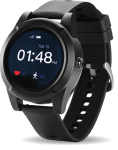
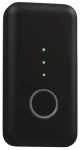
A wearable medical alert button should therefore be comfortable enough for consistent everyday use.
Consider its weight, button accessibility, water resistance, charging requirements, and whether your loved one prefers wearing something around the wrist or neck.
Think specifically about higher-risk areas such as bathrooms, bedrooms, and stairs when evaluating how practical the device will be.
What Should Families Look for Before Buying?
If your biggest concern is a senior being unable to request help after a fall, prioritize a system that provides multiple ways to initiate assistance.
Look for automatic fall detection, an accessible emergency button, 24/7 monitoring, two-way communication, caregiver notifications, reliable coverage, backup power, and senior-friendly operation.
Also review the complete cost. Automatic detection or professional monitoring may involve additional fees depending on the provider.
The cheapest button is not necessarily the best value if important protection requires services that are not included.
Consider SafeLynk for Added At-Home Protection
For families concerned about an aging loved one falling while alone, the SafeLynk In-Home Medical Alert System from mySeniorCareHub provides a connected option for at-home safety.
SafeLynk focuses on simple access to assistance, caregiver connectivity, and 24/7 emergency support, helping seniors maintain independence while giving families another safety layer when they cannot be physically present.
mySeniorCareHub also brings added confidence through its 4.7-star user rating, industry recognition, 2,000+ families worldwide, and 24/7 U.S.-based emergency support.
Choose More Than Just a Button
A medical alert button remains valuable because it gives seniors a direct way to request assistance. But families should prepare for situations where pressing it may not be possible.
When buying a system, ask what happens after a fall, whether automatic detection is available, who receives alerts, and how assistance is initiated if your loved one cannot respond.
The right solution should provide more than a button. It should create a clear path to help when your loved one may be unable to ask for it themselves.
BE PREPARED FOR THE MOMENTS THEY CAN’T CALL YOU
Frequently Asked Questions (FAQs)
-
If the system includes automatic fall detection, it may recognize movement associated with a fall and initiate an alert without requiring the senior to press the button. No system detects every fall, so manual help access remains important.
-
Not all do. Automatic fall detection may be built into the device or offered as an optional feature. Check specifically for this capability when comparing systems.
-
Fall detection typically uses sensors and software to identify movement patterns that may indicate a fall. When a potential fall is detected, the system can initiate its configured emergency response process.
-
Automatic detection is specifically useful when someone may be unable to manually request help, including situations involving injury, disorientation, or unconsciousness. Its effectiveness depends on the device detecting the fall, so it should not be considered guaranteed protection.
-
It can be particularly valuable for seniors who live alone, have previously fallen, have mobility concerns, or may be unable to activate a help button after an accident.