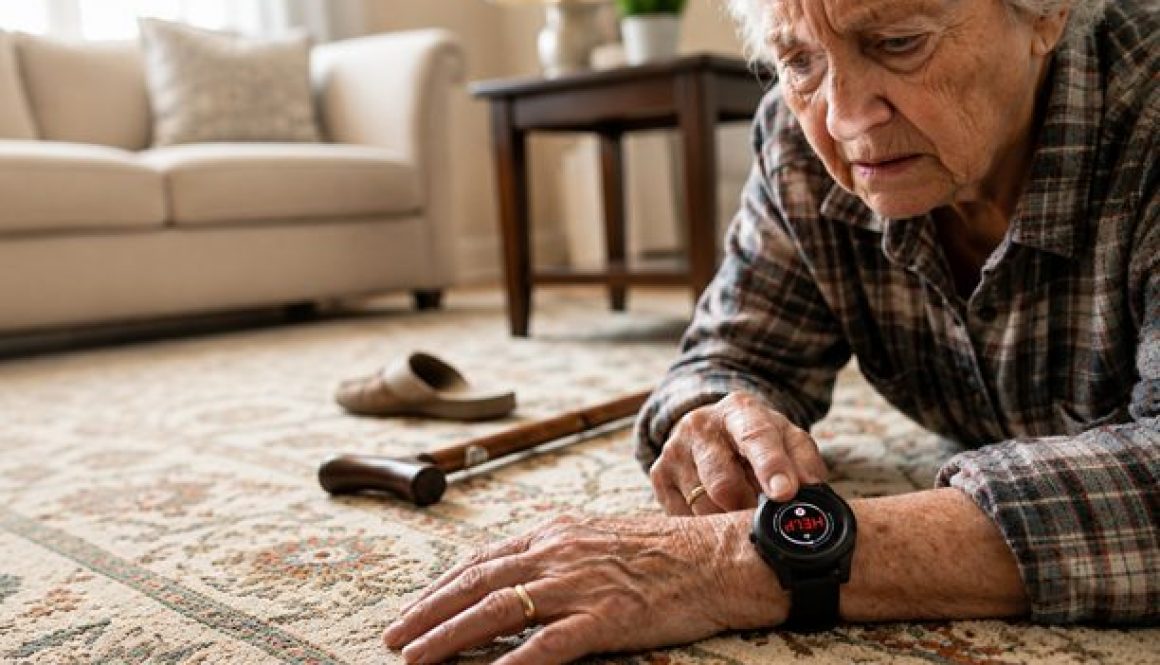
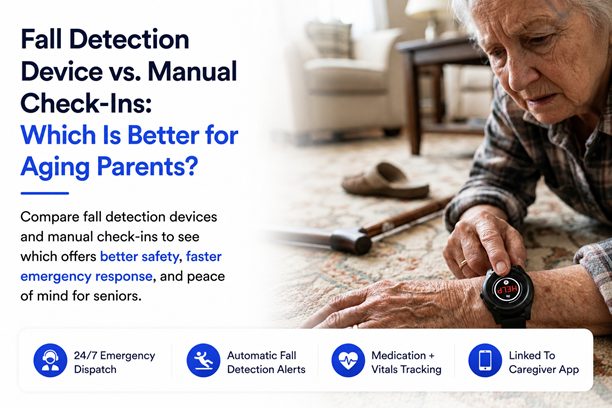
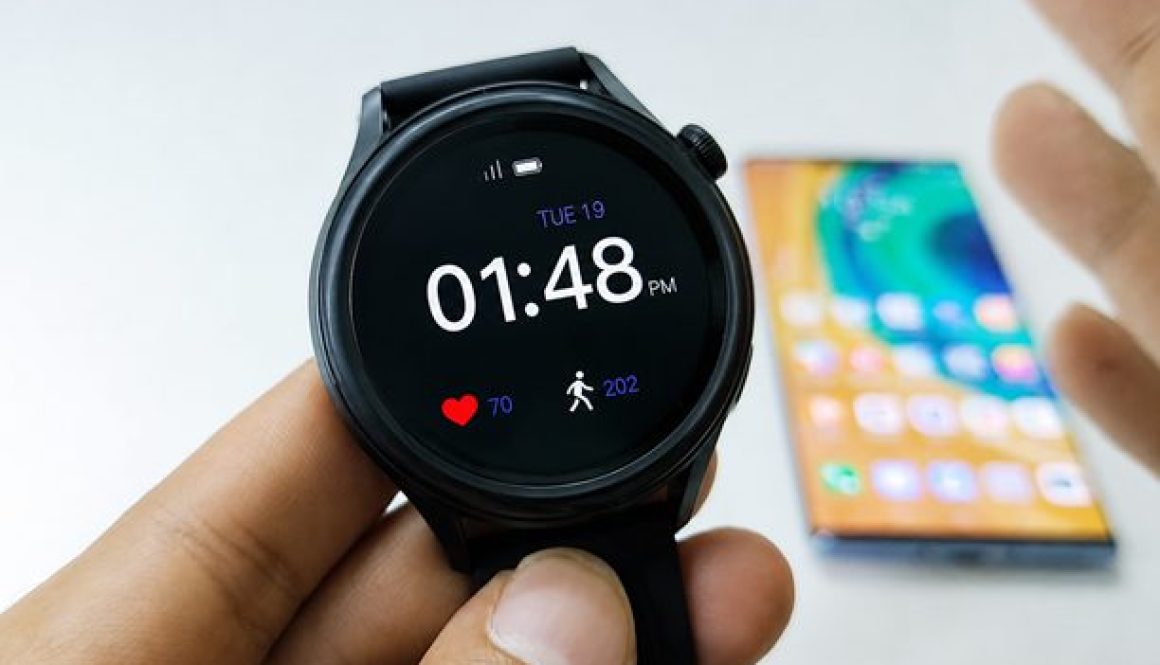
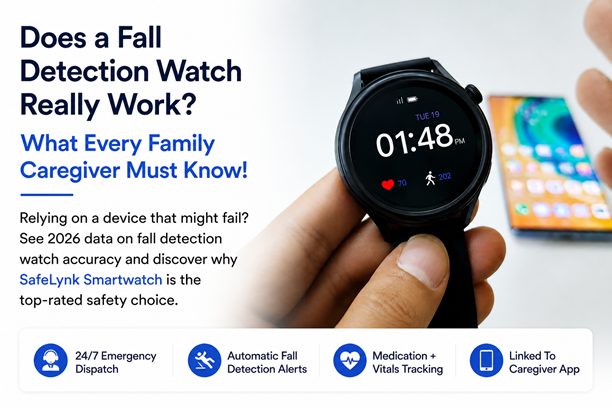
As a family caregiver, the what-ifs can be exhausting. What if Mom falls when I’m not there? A medical alert watch promises to be your eyes and ears, but does it actually deliver?
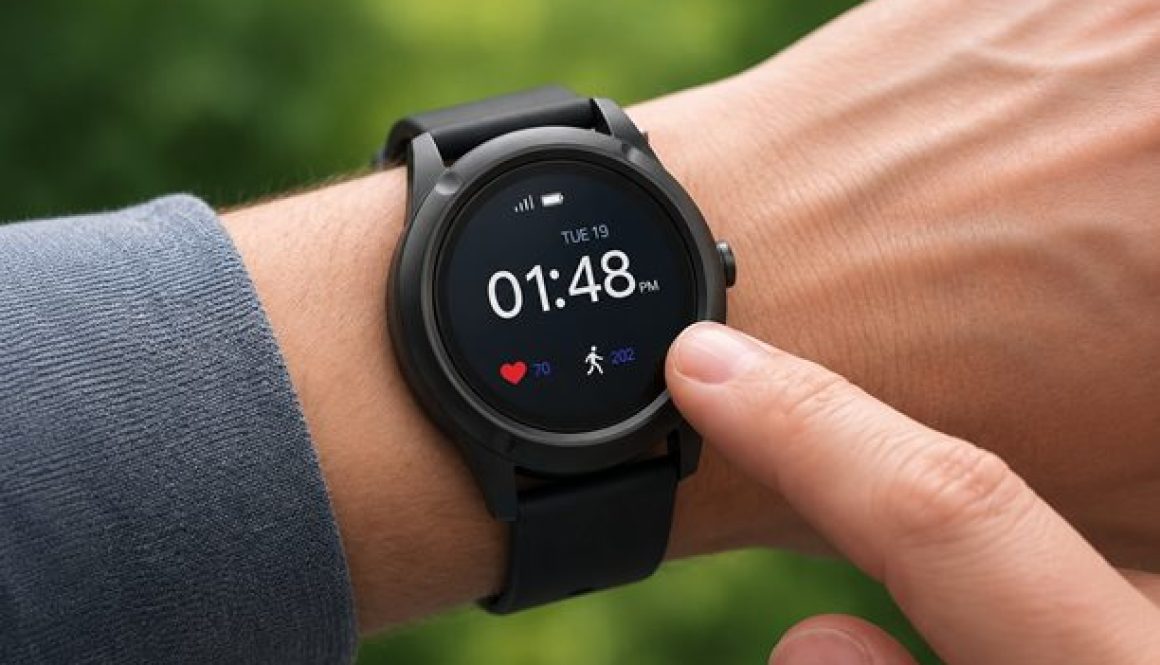
In 2026, the data shows that while no device is perfect, they have become an essential safety net for aging in place.
How Fall Detection Watch Actually Works:
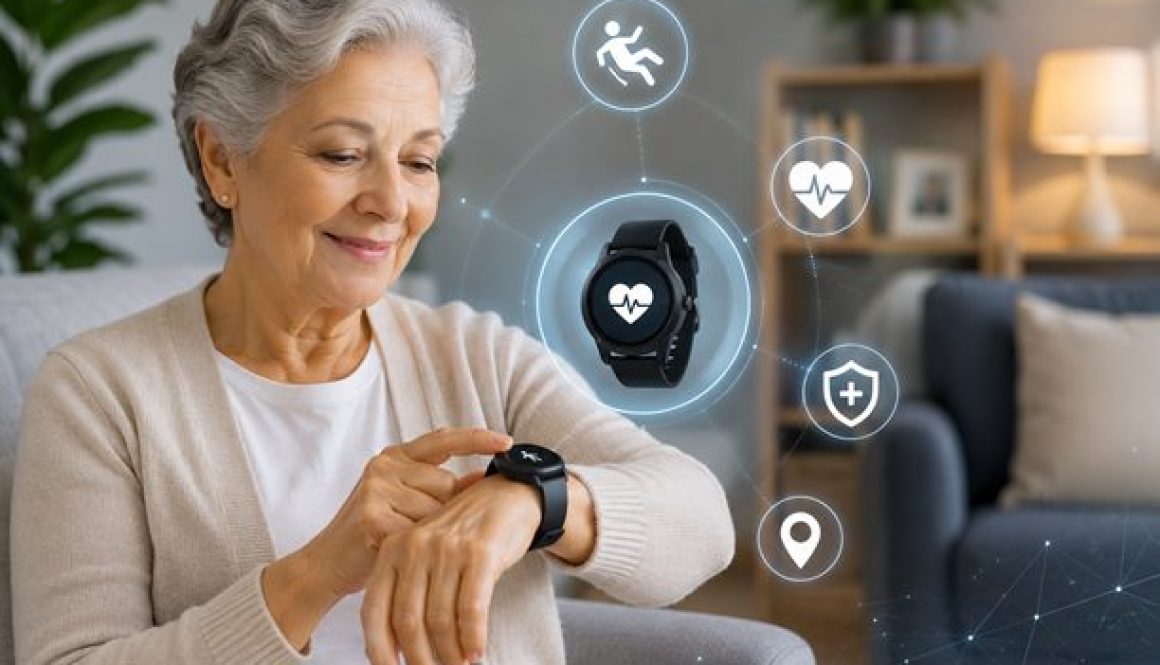
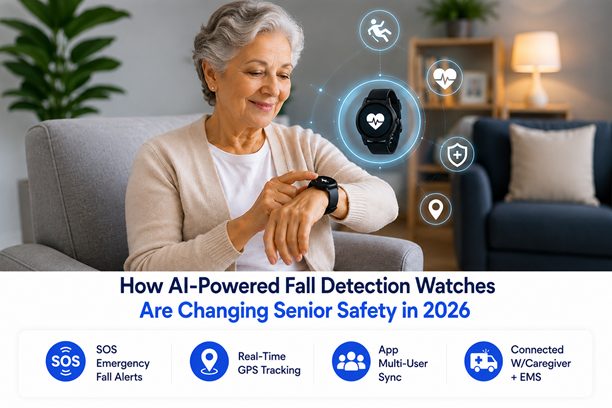
A fall detection watch doesn’t just feel a thud. It uses AI-driven sensors accelerometers and gyroscopes to identify the specific signature of a fall:.
Drop: A sudden increase in velocity.
Impact: A sharp deceleration.
Stillness: A period of no movement following the impact.
Fall Detection Accuracy In 2026
Technology has leaped forward, but caregivers should keep these 2026 benchmarks in mind:
92% Success for Hard Falls: According to Persistence Market Research, wearables now achieve approximately 92% accuracy in distinguishing real falls from daily activities like sitting down quickly.
Slow Slide Gap: Most sensors still struggle with soft falls, such as sliding out of bed or slumping against a wall. These movements often lack the impact needed to trigger an auto-alert.
Response Times: : Leading devices now boast an average emergency response time of under 60 seconds (NCOA), drastically reducing the risk of a long lie.
Why Every Caregiver Needs a Backup Plan
A medical alert watch is a tool, not a replacement for care. Even with 92% accuracy, that 8% gap means a senior should still be encouraged to press their SOS button manually if they are able.
The real value is the peace of mind knowing that in the majority of emergencies, the smartwatch will call for backup even if your loved one cannot.
A fall detection watch is the most effective way to ensure your loved one is never alone in an emergency. While the tech isn’t a 100% guarantee, the 2026 data prove it is the best defence against the long lie.
With a device like SafeLynk Smartwatch, you can stop worrying about the what ifs and focus on the time you spend together.
Q. Does my parent need a smartphone for the fall detection to work?
A. No. Devices like our SafeLynk Smartwatch have built-in cellular technology, meaning they work independently without needing to be paired with a phone.
Q.What happens if they fall in the shower?
A. Since the bathroom is the most common place for falls, our smartwatch is water-resistant and designed to be worn in the shower.
Q. Will the watch call the police every time it’s dropped?
A. No. There is a cancellation window. If the watch is dropped, the wearer (or senior caregiver) can simply tap the screen to dismiss the alert before it scales to emergency services
Q.How does smart watch’s GPS help in a fall?
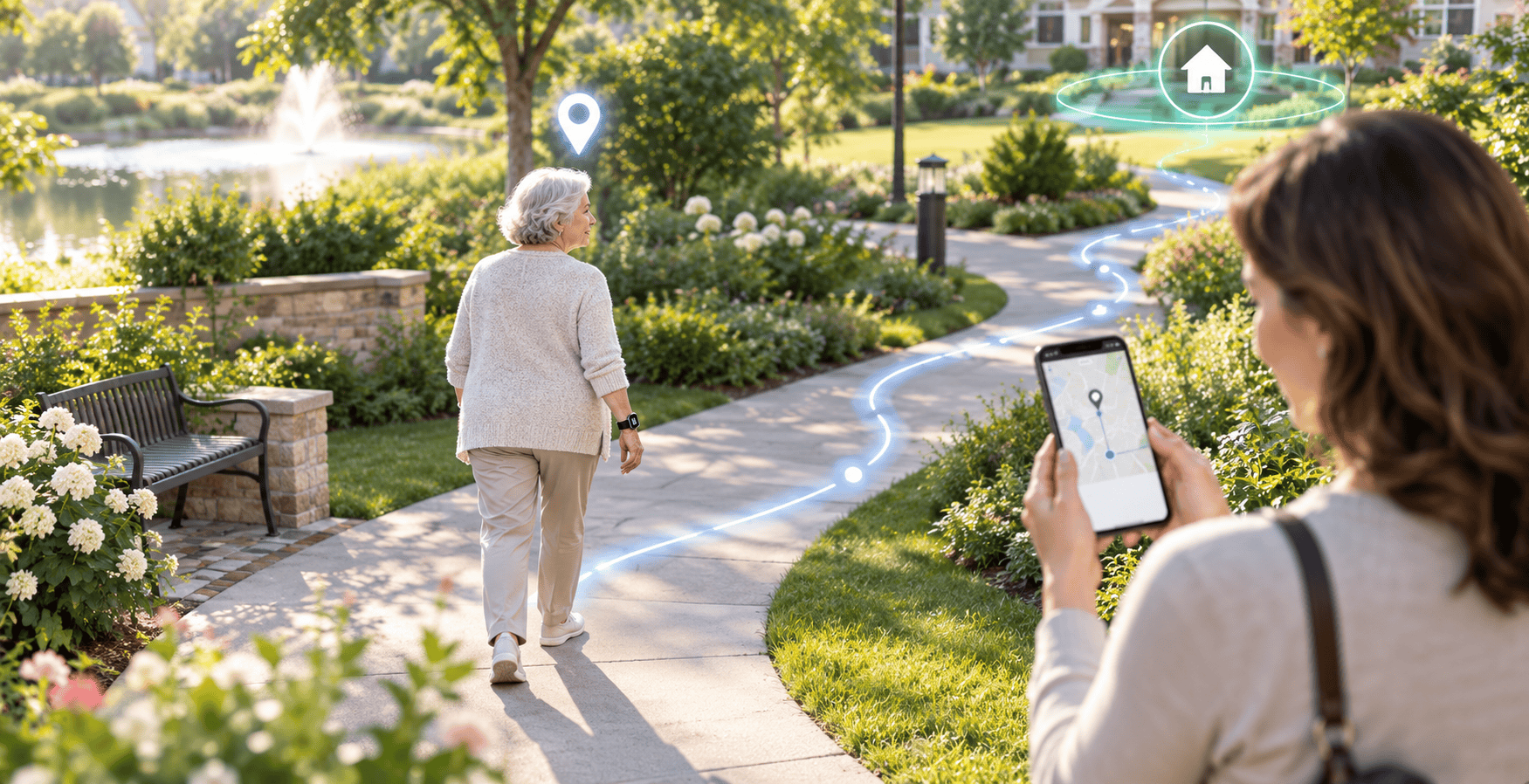
A. If a fall occurs while your loved one is on a walk or in the garden, the GPS allows emergency responders and caregivers like you to find their exact coordinates immediately.
Q. Can I monitor the watch’s battery from my own phone?
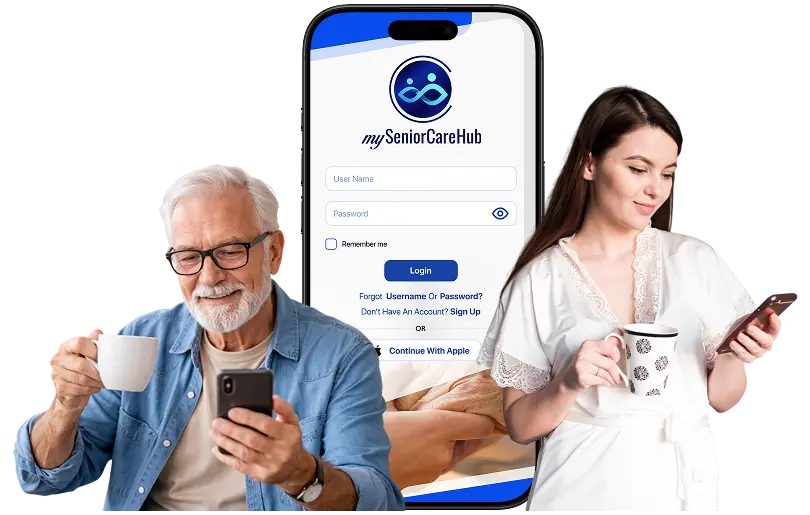
A. Yes. mySeniorCareHub app allows you to check battery levels and ensure the device is being worn properly, giving you one less thing to worry about.
If you are caring for an aging parent, you’ve likely spent a few sleepless nights worrying about the call. Falls are the leading cause of injury-related emergency room visits for seniors, and the long lie spending hours on the floor unable to get up can lead to serious complications like dehydration or pressure sores.
Naturally, a medical alert watch with automatic fall detection seems like the perfect solution. But before you hit buy, it is crucial to understand exactly how this technology works and just how much you can rely on it in 2026.
What is a Fall Detection Watch?
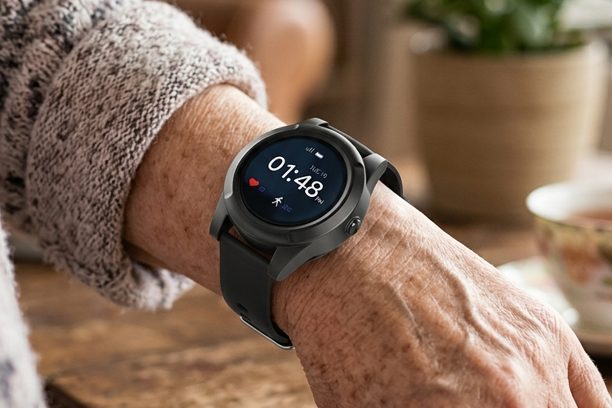
A fall detection watch is a wearable device equipped with sophisticated sensors primarily accelerometers and gyroscopes. These sensors measure changes in velocity, rotation, and impact.
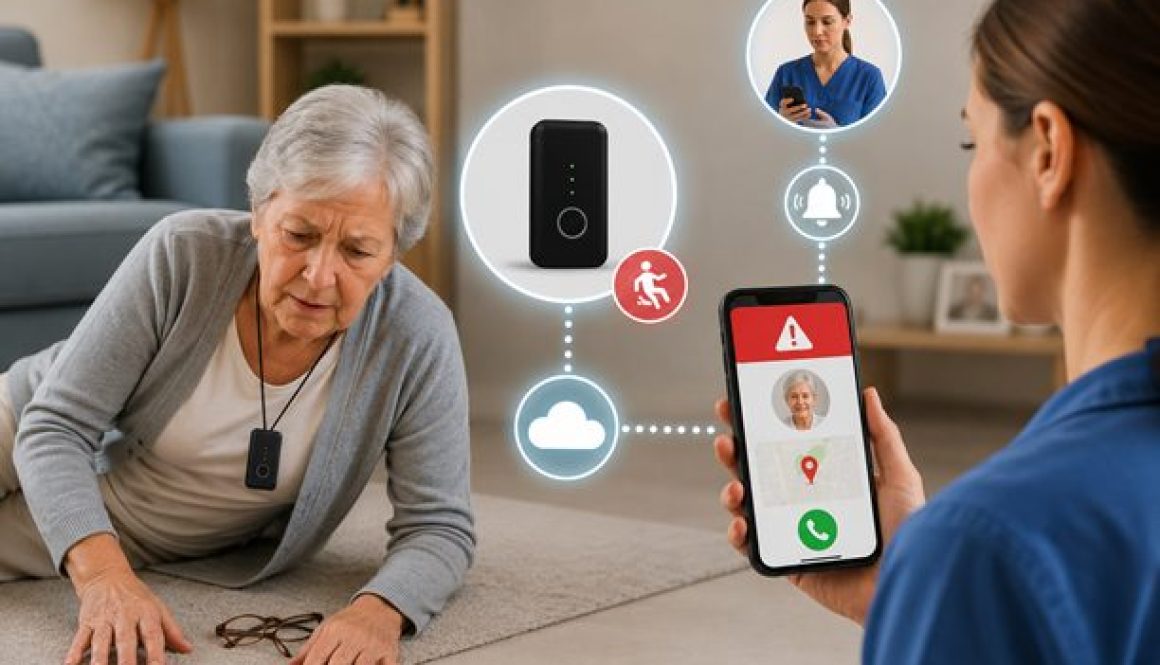
When the watch detects a sudden downward motion followed by a sharp impact and a period of stillness, it triggers an alert. In most cases, the watch will ask the wearer if they are okay; if there is no response, it automatically contacts emergency services or family members.
Reality of Accuracy: 2026 Statistics
Technology has come a long way, but it isn’t foolproof. To manage expectations, families should look at the current data regarding wearable safety tech.
Sensitivity vs Specificity: According to Wearable Tech Benchmarks, high-end smartwatches now boast an 88% to 94% sensitivity rate for hard falls (trips and stumbles that result in a rapid impact).
Slow Slide Gap: Research from Senior Safety Reviews indicates that accuracy drops significantly to roughly 60% during soft falls, such as sliding out of a chair or slumping against a wall, because these movements lack the high-velocity impact sensors look for.
False Positives: A common frustration for users is the false alarm. Data suggests that roughly 1 in every 5 users will experience a false trigger caused by vigorous activities like clapping, chopping vegetables, or dropping the watch on a hard surface.
Why Perfect Accuracy Doesn’t Exist: Fall Detection Watch
The biggest hurdle for any medical alert watch is the physics of human movement.
Placement Matters: A watch on the wrist is much more likely to register noise (hand waving, hitting a table) than a pendant worn around the neck, which stays closer to the body’s centre of mass.
Impact Requirement: If a senior feels dizzy and slowly lowers themselves to the ground, the watch likely won’t trigger.
Battery Dependency: A fall detection watch is only as accurate as its charge. Many high-drain devices fail to protect users simply because they are sitting on a charger during a midnight bathroom trip.
Layers of Protection
Does the lack of 100% accuracy mean you shouldn’t buy one? Absolutely not.
The goal of a fall detection watch isn’t to be a perfect robot; it’s to provide a safety net. Even at 90% accuracy, that is a 90% higher chance of getting help than if the senior were wearing nothing at all.
The key is choosing a device that balances high-sensitivity sensors with user-friendly features that ensure the watch stays on the wrists.
Secure Your Peace of Mind with SafeLynk Smart Watch
When it comes to protecting your loved ones, you need a fall detection watch designed specifically for the unique needs of seniors, not just another medical alert watch.
Our SafeLynk Smart Watch is engineered to bridge the gap between advanced technology and daily reliability.
Why Choose SafeLynk Smart Watch?
Advanced Fall Detection: Optimized algorithms designed to distinguish between daily chores and actual emergencies.
Instant Connectivity: Beyond automatic detection, it features an easy-access SOS button for manual alerts.
Real-Time GPS Tracking: Not only does it detect the fall, but it tells you exactly where your loved one is.
Designed For Seniors: With a clear display and long battery life, it’s built to be worn 24/7, ensuring the safety net is always active.
While no fall detection watch can guarantee a 100% success rate, the technology in 2026 has reached a point where it is a vital tool for senior independence.
By understanding the limitations of slow falls and the importance of consistent wear, families can make an informed decision that significantly reduces the risk of the long lie.
Ultimately, a medical alert watch like the SafeLynk provides more than just data; it provides the confidence for seniors to live actively and the peace of mind for families to breathe a little easier.
Q. Can a fall detection watch detect every single type of fall?
A. No. While they are highly accurate at detecting hard falls (trips with significant impact), they may struggle with soft falls, such as slowly sliding out of a chair or slumping against a wall.
Q.Will it go off every time I clap or move my arm quickly?
A. Modern devices like the SafeLynk Smartwatch are calibrated to minimize false alarms.
If a false alarm does occur, the watch will vibrate and alert you first, giving you time to cancel the call before emergency services are notified.
Q. Can I wear this medical alert watch in the shower?
A. Yes. Since the bathroom is a high-risk area for slips, SafeLynk Smartwatch is water-resistant.
We highly recommend wearing it while showering to ensure you are protected where falls are most likely to happen.
Q. How does the watch notify my family if I fall??
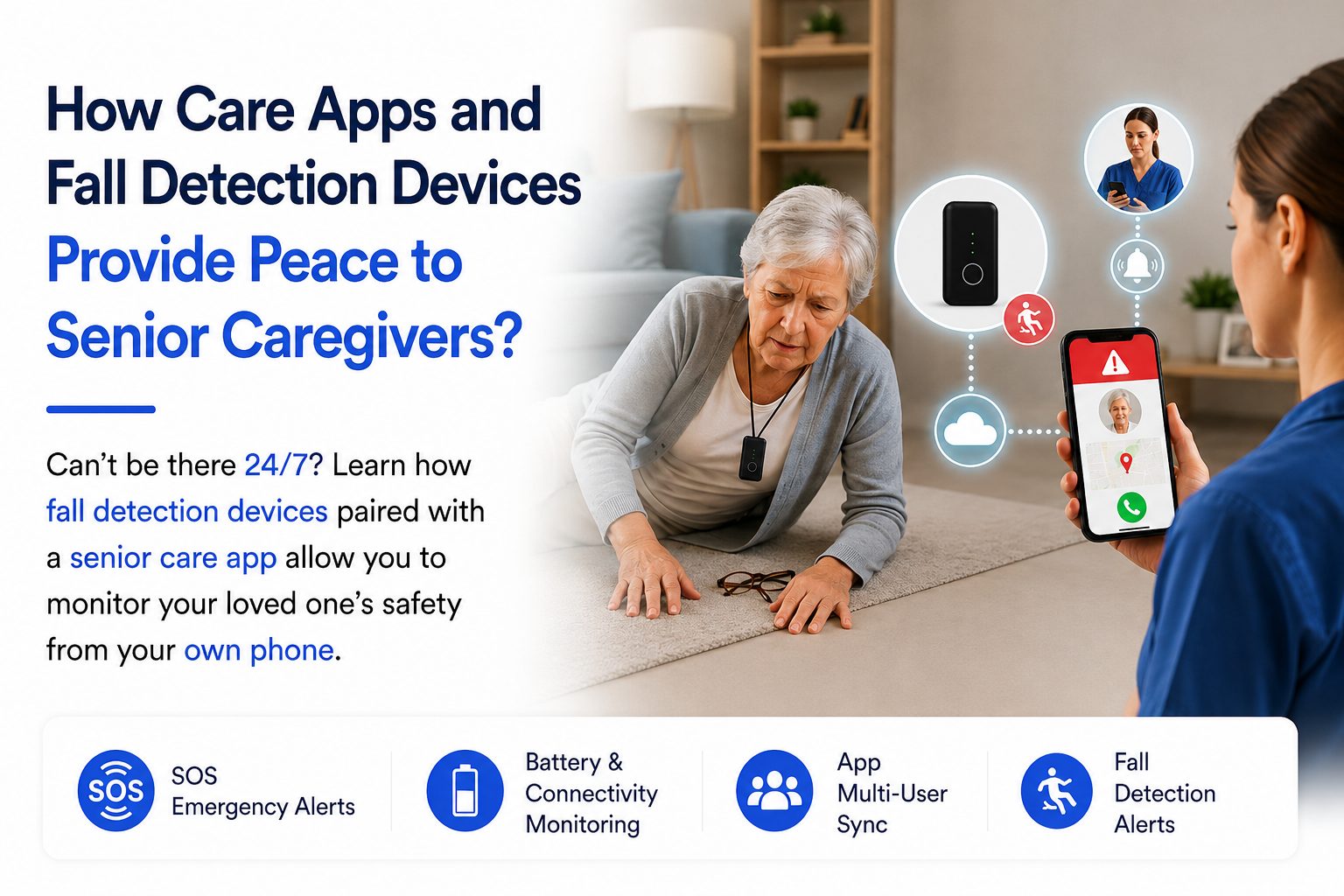
A. When a fall is detected (or the SOS button is pressed), our SafeLynk Smartwatch uses its built-in cellular connection to send instant notifications to family members via mySeniorCareHub app and can connect you to a 24/7 monitoring centre.
Q. What happens if the watch triggers a false alarm?
A. You typically have a grace period (usually 30 seconds) to tap I’m OK on the screen.
This cancels the alert and prevents unnecessary calls to emergency responders or family.
Fall Detection Device Buying Guide for Seniors in 2026
Choosing the right fall detection device for elderly parents is one of the most important decisions caregivers make.
With multiple options available, it is easy to feel overwhelmed. However, the right device can significantly reduce risks and ensure faster emergency response.
This guide explains what features truly matter when selecting a medical alert device in 2026.
Why Fall Detection Devices Are Essential?
Falls are one of the leading causes of injury among seniors, and delayed response increases complications.
Key Features to Look for in a Fall Detection Device
Traditional systems were designed for a different lifestyle – when seniors stayed mostly at home. Today, they present several limitations:
Automatic Fall Detection: The most important feature is automatic detection. The device should identify sudden falls and trigger alerts without requiring manual input.
Real-Time GPS Tracking: A medical alert device should provide accurate location tracking so caregivers can respond quickly.
SOS Emergency Button: In addition to automatic detection, a manual SOS option allows seniors to call for help instantly.
Caregiver Connectivity: The device should connect with a mobile app so family members can receive alerts and updates in real time.
Ease of Use: Simple interface and easy setup are essential for consistent use.
Comfortable Design: The device should be comfortable enough for daily wear, increasing adoption.
Common Mistakes to Avoid
When choosing a fall alert device, many buyers focus only on price or brand. Avoid devices that:
Require constant manual activation
Do not work outside the home
Lack GPS tracking
Are uncomfortable to wear
Why SafeLynk Smartwatch Meets All Key Requirements
The SafeLynk Smartwatch is designed as a complete fall detection device that meets modern safety needs.
It combines advanced features with ease of use, making it suitable for both seniors and caregivers.
For many seniors, maintaining independence is the ultimate goal. However, the fear of falling and the “long lie” (waiting hours for help) often stand in the way. In 2026, we no longer have to rely on bulky, stigmatized neck buttons. Smartphone technology and AI have advanced to the point where safety is as simple as an app on your phone.
In this review, we’ll explore the top-rated fall detection apps for seniors in 2026 and why the mySeniorCareHub App has become the gold standard for modern families.
2026 Fall Safety Statistics: Why Technology Matters
Falls remain the leading cause of injury for adults aged 65 and older. According to recent data:
1 in 4: Number of older adults who report falling every year (over 14 million people).
78.4 per 100,000: The age-adjusted fall death rate in 2026, an increase of over 20% since 2018.
30% Failure Rate: Recent studies show that traditional wearable sensors still trigger “false positives” 30% of the time, leading to “alarm fatigue.”
51% Increase: The rise in fall-related deaths over the last decade highlights the urgent need for better monitoring solutions.
For years, the medical alert industry relied on hardware. But hardware has three major flaws:
Stigma: Many seniors refuse to wear a “help button,” feeling it makes them look frail.
Charging Gap: If the device is on the nightstand charging when a fall happens in the bathroom, it’s useless.
Lack of Context: A traditional button only tells you that something happened, not where they are or what their vitals look like.
Why mySeniorCareHub App is the Recommended Choice
Our mySeniorCareHub App isn’t just a fall detector; it is a complete digital caregiver. It solves the hardware problem by living on the device the senior already carries: their smartphone.
Key Features:
Automatic Fall Detection: Using the phone’s built-in sensors and AI, the app detects sudden impacts and triggers an instant alert.
Daily Wellness Check-Ins: A proactive “I’m OK” button allows seniors to check in each morning. If they don’t, the app notifies the family automatically.
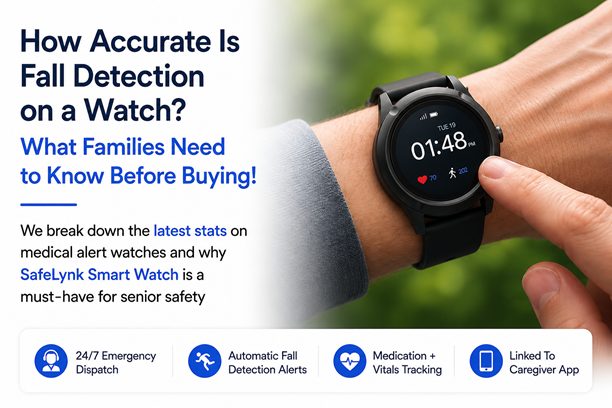
All-in-One Health Suite: Unlike single-feature apps, it integrates medication reminders, vital tracking, and emergency SOS.
Geo-Fencing & GPS: Know exactly where the fall occurred, whether it was at home or during a morning walk.
Comparing Other Fall Detection Apps For Seniors In 2026
In addition to mySeniorCareHub App, there are other fall safety apps that offer basic fall detection alerts and additional features as well.
uFallAlert: Precision Specialist
uFallAlert is a robust choice for those who want a scientifically backed algorithm focused purely on the physics of a fall.
It excels in customization, allowing users to adjust “sensor sensitivity” to prevent false alarms during vigorous activity.
Best for: Seniors who are still very active (hiking/biking) and want to minimize false alerts.
Pros: Works in the background; sends GPS links via SMS/Email to up to 5 contacts.
SeniorSafety App: Caregiver’s Eyes
SeniorSafety App is designed specifically for the sandwich generation to monitor their parents.
It includes a Round Robin calling feature that ensures someone picks up the phone during an emergency.
Best for: Families who want to monitor phone usage, location history (90 days), and inactivity alerts.
Pros: Includes scam/fraud protection alerts and high ambient noise detection.
Apple Health & Fall Detection
Apple’s integration is excellent for those who already own an Apple Watch.
It is highly accurate for hard falls, but it lacks the proactive wellness checks that mySeniorCareHub provides. Apple won’t remind your dad to take his blood pressure meds; it only reacts when a crisis occurs.
Final Thoughts: Which Fall Detection App Is Needed For You
Fall safety is no longer about a single piece of plastic around the neck. It’s about a connected ecosystem. Protect your independence and safety by choosing a dedicated fall detection app for your elderly loved ones today.
While apps like uFallAlert offer great sensor precision, and SeniorSafety App provides deep monitoring, mySeniorCareHub app offers the most balanced, dignified approach by combining check-ins with emergency response.
With mySeniorCareHub App, You Get Fall Detection + SOS Alerts + 24/7 Emergency Dispatch
As we celebrate World Health Day, it is the perfect time to shine a light on a common but often misunderstood issue: persistent exhaustion. Many people assume that slowing down is just a natural part of aging, but “feeling tired” and “chronic fatigue” are two very different things.
Understanding fatigue in older adults is essential because, unlike the sleepiness you feel after a busy day, clinical fatigue doesn’t always go away with a good night’s rest. It can impact your mood, your mobility, and your overall quality of life.
Fatigue vs. Sleepiness: What’s the Difference?
It is a common misconception that these terms are interchangeable. However, knowing the difference can help you better communicate with your doctor.
Sleepiness: A struggle to stay awake. You feel like you could fall asleep at any moment if you sat in a quiet room.
Fatigue: A deep, subjective sense of lacking energy or vitality. It feels like your “battery” is permanently low, making even simple tasks like folding laundry feel like running a marathon.
Common Culprits Behind Senior Fatigue
Identifying the root cause is the first step toward reclaiming your energy. Fatigue is rarely caused by just one thing; it is often a combination of lifestyle and medical factors.
Nutrient Deficiencies: Low levels of Vitamin B12, Vitamin D, or Iron can lead to anemia and sluggishness.
Medication Side Effects: Many common prescriptions for blood pressure or anxiety can cause drowsiness.
Undiagnosed Conditions: Fatigue is a primary symptom of sleep apnea, thyroid issues, and heart disease.
Emotional Health: In many cases, understanding fatigue in older adults means looking at mental health. Depression and grief often manifest physically as exhaustion.
When to Consult a Professional
Because fatigue can be a “silent” symptom of something more serious, keep an eye on these red flags:
Possible Symptoms
Potential Underlying Issues
Shortness of Breath
May indicate heart or lung concerns.
Sudden Weight Loss
Could point toward metabolic or thyroid issues.
Dizziness or Fainting
Often related to blood pressure or dehydration.
Persistent Low Mood
Suggests a link between fatigue and depression.
You could also predict these health changes much earlier by tracking your vitals with mySeniorCareHub app.
This World Health Day, commit to one or two lifestyle changes to help fight back against exhaustion.
1. Power of Micro-Movement
It sounds counterintuitive, but moving more can actually give you more energy. When we remain sedentary, our muscles weaken, and our cardiovascular system becomes less efficient, making every movement feel like a chore.
Sunlight Exposure: Try to walk outdoors. Natural light helps regulate your circadian rhythm, making you feel more alert during the day and sleepier at night
Start Small: You don’t need a high-intensity workout. A 15-minute morning walk or ten minutes of seated yoga can improve circulation and oxygen flow to the brain.
Build Stamina: Regular, low-impact activity helps strengthen the heart, meaning it doesn’t have to work as hard to power your body through daily tasks.
2. Hydration is Key
Dehydration is one of the leading and most easily fixed causes of fatigue in seniors. As we age, our body’s “thirst mechanism” becomes less sensitive, meaning you might be dehydrated long before you actually feel thirsty.
Hydrating Foods: Incorporate water-rich snacks like cucumber, watermelon, or oranges into your diet to supplement your fluid intake
Brain Drain: Even mild dehydration can cause “brain fog,” headaches, and physical lethargy.
2-Hour Rule: Since you may not feel thirsty, try setting a timer or using a visual reminder to drink a small glass of water every two hours.
3. Review Your Supplements
Often, understanding fatigue in older adults comes down to a simple blood test. Our bodies become less efficient at absorbing certain vitamins from food as we get older.
Balanced Snacking: Swap sugary processed snacks for “slow-burn” energy sources like walnuts, yogurt, or oatmeal to avoid the dreaded afternoon energy crash.
Check the “Energy Big Three”: Ask your doctor to screen for deficiencies in Vitamin B12 (vital for nerve function), Vitamin D (crucial for mood and bone health), and Iron (the oxygen-carrier for your blood).
Consult Your Pharmacist: Some supplements can interact with existing medications. Always have a professional review your regimen before adding something new.
Don’t Wait Until an Emergency Happens
Living with chronic exhaustion increases the risk of accidents and falls. When you are tired, your reaction time slows, and your balance can falter. This World Health Day, give your family the comfort of knowing that help is always just a button-press away.
By choosing a medical alert system, you aren’t just buying a device; you’re investing in your ability to live confidently and independently, even on days when your energy levels are low.
Special Deal: Top-Rated Medical Alert Device + Zero Shipping Cost
Our promotion is here to help you stay safe while you work on reclaiming your vitality. Ensure you or your loved one is protected without paying a cent for shipping. Focus on your health today; we’ve got your back.
Special Deal for your Aging Parents: Gift of 24/7 Protection
For many seniors, a fall isn’t just a physical accident; it’s a hurdle to independence. According to recent market data, nearly one in three adults over 65 falls each year, yet quick medical intervention can reduce the risk of long-term hospitalization by up to 50%.
In 2026, the technology has evolved beyond simple buttons. Today’s smartwatches use AI-driven sensors to distinguish between a “hard fall” and someone simply sitting down quickly. But with so many options, which one is right for your lifestyle?
Below, we compare some of the top smartwatches for seniors with fall detection to help you find the perfect balance of tech, reliability, and price.
2026 Comparison between Top Smartwatches for Seniors with Fall Detection
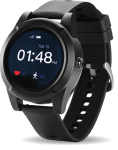
SafeLynk SmartWatch bridges the gap between high-end tech and essential medical safety.
Key Advantage: It features Accelerometers & Gyroscopes sensor fusion-enhanced Fall Detection, which reduces false alarms by 30% compared to 2025 models.
Deciding Factor: At a fraction of the cost of an Apple Watch, you get a dedicated 24/7 U.S.-based monitoring team. It’s the “Smart Choice” for those who want total security with affordability.
Best Niche: Seniors who have dementia/alzheimers, or elderly living alone away from their families.
Unlike big-brand watches that require a separate smartphone and expensive data plans, our SafeLynk device is a standalone powerhouse designed specifically for seniors.
Apple continues to lead in “wellness” metrics. Series 11 includes hypertension alerts and sleep apnea detection alongside its famous fall detection.
Reliability Stat: Apple’s fall detection is highly rated for “Hard Fall” accuracy, but is known to be less sensitive to “slow slides” from a chair.
Catch: It requires an iPhone and daily charging, which can be a hurdle for some seniors.
3. Medical Guardian MGMove
Verdict: Best Feature-Rich Medical Alert
MGMove is a dedicated medical device disguised as one of the few smartwatches for seniors looking for fall detection. It’s built for one thing: getting help fast.
Insight: In 2026 testing, the MGMove maintained a 10-second average response time, the fastest in the industry.
Cost: While reliable, the equipment fees and monthly subscriptions are significantly higher than budget-friendly alternatives.
4. Samsung Galaxy Watch 8
Verdict: Best for Android-Connected Seniors
If you already use a Samsung phone, the Galaxy Watch 8 offers a seamless experience. It uses the new “BioActive” sensors to track heart health and falls simultaneously.
Standout Feature: Energy Score tells seniors when they should rest, potentially preventing exhaustion-related falls.
5. Garmin Venu 4
Verdict: Best for Active Lifestyles
For the senior who still hikes, bikes, or swims, the Garmin Venu 4 is the winner. It doesn’t offer professional monitoring, but its “Incident Detection” sends your GPS coordinates to your family instantly.
Battery Power: Lasting up to 10 days, it’s the best option for those who forget to charge their devices nightly.
Final Thoughts: Choosing Your Safety Partner
Choosing one out of many smartwatches for seniors with fall detection is about more than just style; it’s about choosing a lifeline.
If you want luxury and a fast response, an option would be Medical Guardian.
If you are already in the Apple ecosystem, the Series 11 is a choice.
If you want maximum safety at an affordable price with a dedicated monitoring team, then SafeLynk SmartWatch is the clear winner for 2026.
Explore our SafeLynk devices and find out why it’s the perfect medical alert solution for your independent lifestyle.
Falls are a significant concern for seniors and their families, often bringing a mix of anxiety and a desire for protection. We believe that senior fall prevention shouldn’t feel like a chore; it should feel like a step toward maintaining the independence you love.
One of the most overlooked “hidden” risks in a senior’s daily life isn’t just a loose rug or a dimly lit hallway; it’s what is on your feet. Recent data shows that more than one out of four older adults in the U.S. falls each year, and footwear is a major contributing factor.
Let’s walk through what your current shoes might be saying about your safety and how to choose the right pair for a stable future.
3 Million+ Emergency Department visits occur annually due to falls.
84% of consumer product-related fatalities in seniors are the result of a fall.
Ill-fitting shoes are a silent culprit. A study published in Gerontology (2025/2026) noted that up to 72% of older adults are wearing shoes that don’t actually fit their feet correctly, significantly increasing their risk of tripping.
Your shoes send a message to your brain and your balance system. If that message is “unstable,” your risk of a fall skyrockets. Here are the “red flag” shoes often found in senior closets:
1. The “Comfort” Slipper
While they feel cozy, backless slippers or “floppy” house shoes are major hazards. They lack fixation, meaning your foot slides around inside, forcing your calf muscles to work double-time just to keep the shoe on.
The Risk: Slipping out of the shoe mid-step or tripping on the loose fabric.
2. High or Narrow Heels
Even a modest heel can be dangerous. Research indicates that a heel height exceeding 1 inch (2.5 cm) shifts your center of gravity forward and reduces the contact area with the ground.
The Risk: Loss of lateral stability and increased pressure on the forefoot, which can lead to “sway” and a lack of balance.
3. Worn-Out Soles
We all have that favorite pair of “broken-in” shoes. However, 90% of seniors are found to be wearing shoes with significant wear on the soles (PMC, 2024).
The Risk: Smooth, worn soles lose their “coefficient of friction,” making you much more likely to slip on kitchen tiles or smooth sidewalks.
The “Golden Standards” for Safe Footwear
When shopping for your next pair, look for these podiatrist-approved features. They ensure your footwear is working with your balance, not against it:
Features
Why It Matters?
Firm Heel Counter
This is the back of the shoe. It should be stiff to prevent your heel from wobbling.
Low, Wide Heel
A broad base of support increases your contact with the ground, providing better stability.
Thin, Firm Midsole
Contrary to popular belief, “pillowy” soles can make you feel wobbly. A firmer sole allows your feet to “read” the ground better.
Secure Fastenings
Laces, buckles, or high-quality Velcro keep the shoe snug and prevent the foot from sliding.
Slip-Resistant Tread
Look for rubber soles with multi-directional patterns to grip both wet and dry surfaces.
Tips for the Perfect Fit
Shop in the Afternoon: Your feet naturally swell throughout the day. Buying shoes in the morning might lead to a pair that is too tight by dinner time.
Measure Every Time: Our feet change shape and size as we age. Don’t rely on the size you wore ten years ago.
The “Rule of Thumb”: Ensure there is about a half-inch (a thumb’s width) of space between your longest toe and the end of the shoe.
Senior Fall Prevention: A Step Toward Safety
Your footwear is your foundation. By trading in those loose slippers for a pair of sturdy, well-fitted walking shoes, you aren’t just changing your outfit; you’re protecting your mobility.
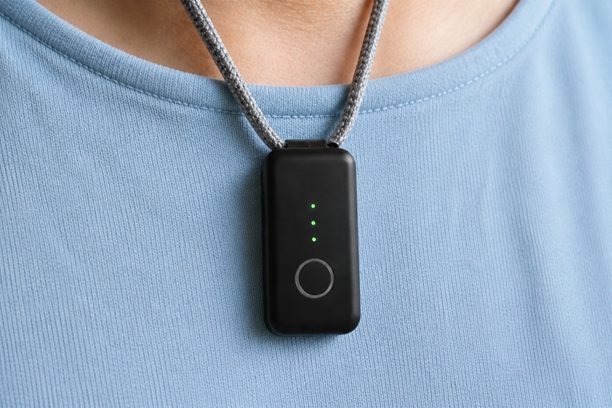
Even with the best footwear, accidents can happen. That’s why we recommend SafeLynk Smart Watch or SafeLynk Smart Locket. Designed specifically for seniors, SafeLynk features advanced auto-fall detection.
If a slip occurs, the SafeLynk device can automatically alert emergency contacts or services, ensuring help is on the way even if you can’t reach your phone.
Ever wondered how a small pendant or watch knows the difference between you plopping onto the sofa and a dangerous trip in the hallway? As we look into 2026, medical alert devices that detect falls have become more sophisticated than ever, but their accuracy remains a topic of both fascination and some healthy skepticism.
If you’re considering one for yourself or a loved one, here is the breakdown of how these life-saving gadgets work and just how much you can trust them.
How Medical Alert Devices “See” a Fall
Automatic fall detection doesn’t use a literal “eye” or camera. Instead, it relies on a trio of internal sensors working in harmony:
Accelerometers: These measure the speed and direction of movement across three axes (x, y, z). They look for the “impact” signature of a fall.
Gyroscopes: These track orientation. They tell the device if you’ve gone from a vertical (standing) position to a horizontal (lying) one.
Barometers: Higher-end medical alert devices use barometric sensors to detect tiny changes in air pressure, which can indicate a sudden drop in altitude (i.e., your height).
The “Logic” Behind the Alert
The device runs a constant algorithm. For an alert to trigger, the sensors usually need to check three boxes:
Drop: A sudden downward acceleration.
Impact: A sharp “jolt” detected by the accelerometer.
Wait: A period of immobility following the impact. If the device detects normal movement immediately after a “jolt,” it may realize you just dropped your keys and won’t trigger an alarm.
High-velocity impacts are easy for sensors to distinguish from those in daily life.
Slow/Slumping Falls
Lower
Sliding down a wall or “slumping” out of a chair lacks the “impact” signature.
False Alarms
Moderate
Activities like plopping into a chair or vigorous coughing can occasionally trigger a “false positive.”
Pro Tip: Experts suggest wearing the device at the neck or waist rather than the wrist for higher accuracy. The center of your body provides more stable data for the sensors than a swinging arm.
Why 100% Accuracy Doesn’t Exist (Yet)
No manufacturer will claim 100% accuracy, and for good reason. Human movement is incredibly varied.
Long Lie Risk: About 80% of seniors who fall and have a manual button don’t actually press it, often due to shock or unconsciousness. This makes the ~90% accuracy of automatic detection a massive safety net, even if it misses the occasional “slow” fall.
Battery/Size Tradeoff: Advanced AI algorithms require more processing power. Designers must balance high-level “smart” detection with a battery that lasts long enough to be practical.
Specialized Tuning: Many consumer-grade watches use general fitness algorithms. In contrast, SafeLynk Smartwatch is purpose-built for seniors, meaning its sensors are tuned specifically to detect the types of falls most common in a home environment, like trips on rugs or slips from chairs.
Summary: A Safety Net You Can Wear
While no technology can replace human care, the right medical alert devices that detect falls provide a vital layer of protection.
By combining advanced 4G LTE connectivity with GPS tracking and wellness sensors, devices like our SafeLynk Smartwatch ensure that if you can’t reach the button, the help you need is already on the way.
Are YouReady for 24/7 Peace of Mind?
Don’t settle for generalized technology when it comes to safety. Our SafeLynk devicesoffer a comprehensive solution featuring:
Automatic Fall Detection: Built-in sensors that connect instantly with U.S.-based care specialists.
Live Location Tracking: Precision GPS and WiFi to help find you exactly where you are.
All-in-One Health Monitoring: Track your heart rate, steps, and even receive medication reminders.
Explore our SafeLynk devices and find out why it’s the perfect medical alert solution for your independent lifestyle.
The statistics are a wake-up call. According to the National Safety Council, over 41,400 senior individuals aged 65 and older died from preventable falls in recent years; a number that has climbed by 53% over the last decade.
As we move through 2026, the focus at mySeniorCareHub is shifting from “reacting to injuries” to “proactive prevention.” If you or a loved one is planning to stay at home, here is how to master the art of balance and safety.
1. The “10% Ready” Reality
Recent data from Choice Mutual reveals a startling gap: while 8 in 10 seniors currently live independently, only 10% of homes are actually “aging ready.”
Audit the Floor: Remove all throw rugs or secure them with double-sided adhesive.
Brighten the Path: Install motion-sensor nightlights in hallways and bathrooms.
Waist-to-Shoulder Rule: Move frequently used kitchen items to shelves between waist and shoulder height to avoid using step stools or bending too low.
2. Leverage Next-Gen Safety Tech
In 2026, “Ambient Sensing” and smart wearables are the gold standard for monitoring Senior Falls.
SafeLynk Smart Watch & SafeLynk Smart Locket: Our latest SafeLynktechnology offers a dual-layered safety net. Whether you prefer the SafeLynk Smart Watch on your wrist or the discreet SafeLynk Smart Locket, both feature advanced 4G LTE connectivity and high-precision fall detection. If a fall occurs, the device automatically connects to a 24/7 emergency response team, even if you can’t reach the button.
Radar Sensing: Newer home systems can now detect a fall using wall-mounted sensors that respect privacy by avoiding cameras altogether.
3. Strength is the Best Medicine
Falling once doubles your chances of falling again. However, physical activity programs focusing on strength and balance can reduce fall risk by up to 30% (Source: All Seniors Foundation, 2025).
Tai Chi & Yoga: These remain the “best” for improving coordination and “proprioception” (your body’s awareness of its position).
Sit-to-Stand Test: Practice standing up from a sturdy chair without using your hands. Difficulty here is a key indicator that leg-strengthening exercises are needed.
4. The Medication Connection
As of late 2025, healthcare guidelines emphasize “Prescription Audits.” Many common medications for blood pressure, sleep, or anxiety can cause dizziness or “orthostatic hypotension” – a sudden drop in blood pressure when you stand up.
Brown Bag Review: Bring all your medications to your pharmacist this month to check for combinations that might increase your risk of a Senior Fall.
5. Footwear: The Foundation of Balance
New research published in JAMA Otolaryngology in March 2025 highlights a “hidden” risk: untreated hearing loss and poor foot health. Proper footwear provides the tactile feedback your brain needs to stay upright.
Check the Sole: Wear shoes with firm, non-slip rubber soles. Avoid “big stack” cushioned shoes, which can actually decrease your ability to feel the ground.
Secure the Heel: Opt for closed-back designs. Backless slippers or “slides” are a leading cause of trips on stairs and rugs.
Is Your Home Aging-Ready?
Preventing a fall isn’t about giving up independence; it’s about protecting it.
By making small environmental shifts and embracing tools like the SafeLynk series, you can ensure that “home” remains the safest place to be.