How AI-Powered Fall Detection Devices Are Changing Senior Care at Home (2026 Guide)
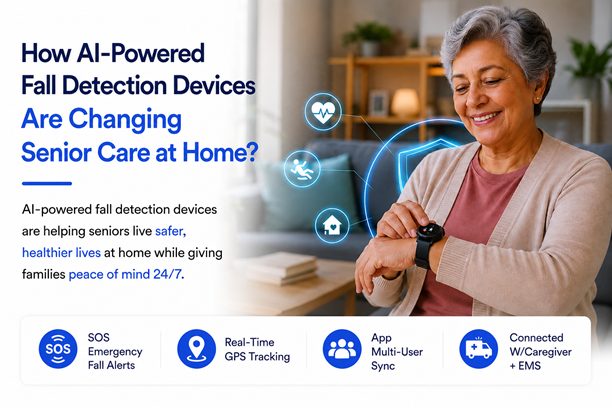
Aging in place safely at home is a priority for millions of older adults. However, managing the persistent risk of an unexpected fall can be stressful for independent seniors and their family members.
Fortunately, the technology of 2026 has completely changed the landscape of home care. Driven by advanced Artificial Intelligence, today’s modern safety (fall detection) devices have evolved past basic emergency buttons. They now offer highly accurate, automated safety networks that safeguard seniors without requiring them to alter their daily routines.
2026’s Senior Tech: Beyond Simple Motion Testing
Older generations of emergency buttons relied heavily on basic motion triggers. If a senior dropped their arm too fast or sat down heavily, the device would mistake the movement for an emergency, resulting in frustrating false alarms.
As detailed in our comprehensive guide on how AI-powered watches are changing senior safety in 2026: “The 2026 generation of smart safety watches uses a sophisticated pairing of hardware and specialized machine learning algorithms. Driven by advanced Artificial Intelligence, these sleek wearables are completely redefining how we approach senior safety and proactive health tracking.”
By combining high-fidelity Inertial Measurement Units (IMUs) – which feature advanced tri-axial accelerometers and gyroscopes, with sophisticated machine learning, today’s AI devices intelligently evaluate body angle, sudden changes in velocity, and real-time orientation.
The built-in AI quickly separates a true, high-impact fall from a senior leaning down to fold laundry or adjusting their position on the couch.
According to data compiled by the Centres for Disease Control and Prevention (CDC), roughly 14 million older adults experience a fall each year. The introduction of standalone AI devices prevents the dangerous long lie – hours an injured senior might spend on the floor before assistance arrives.
2026’s Top Recommended Home Safety Solutions:
At mySeniorCareHub, we recognize that every senior has unique personal styles and comfort preferences. Instead of overwhelming your family with dozens of complicated systems, we have focused our engineering on two elite fall detection devices. And both of these systems are completely smartphone-free, and budget-friendly choices designed to fit seamlessly into any daily routine.
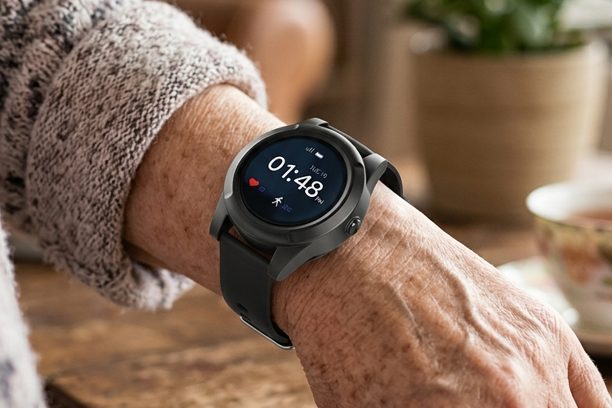
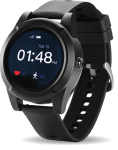
1. Active Wearable: SafeLynk Smartwatch
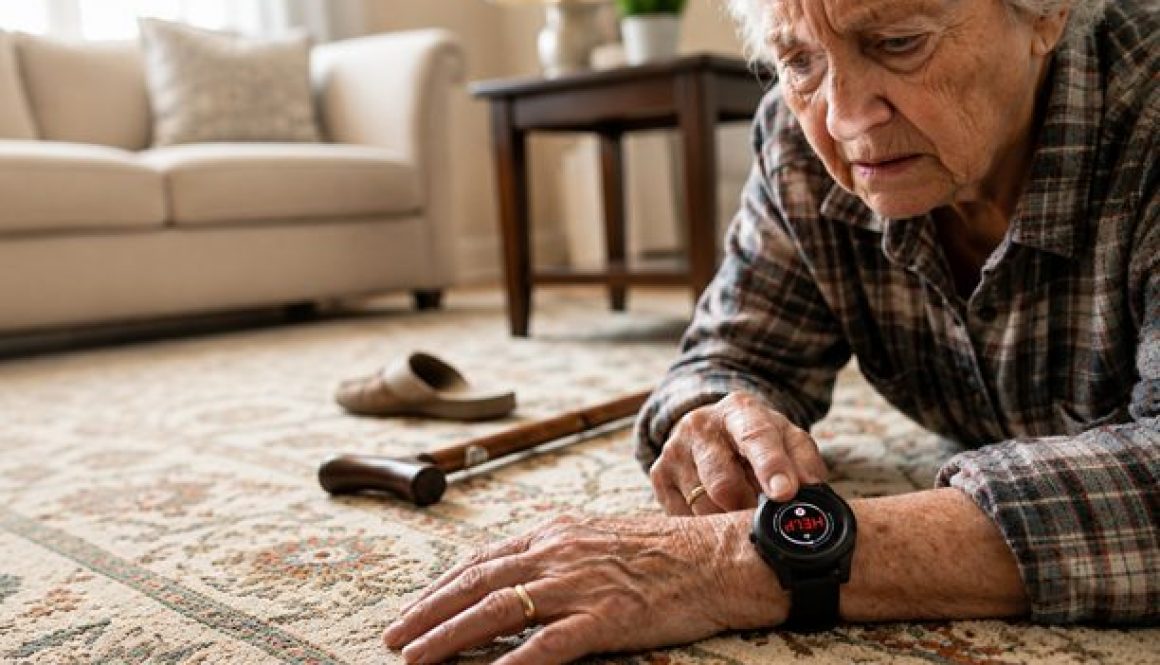
For older adults who enjoy an active lifestyle and prefer the sleek look of modern tech, the SafeLynk Smartwatch is the ultimate choice.
Operating entirely on standalone 4G LTE cellular connectivity via AT&T and Verizon infrastructure, this watch requires no smartphone pairing. It is an all-in-one health powerhouse that features:
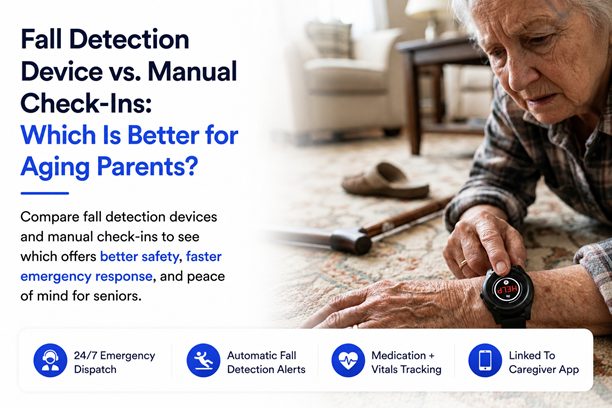
- Automated AI fall detection.
- Instant voice prompts that clearly speak to the user during updates.
- Seamless medication reminders and active vitals monitoring.
- A robust, long-lasting battery capacity providing up to 5 days of coverage between charges.
No Long Contracts + Setup In Under 2-3 Minutes
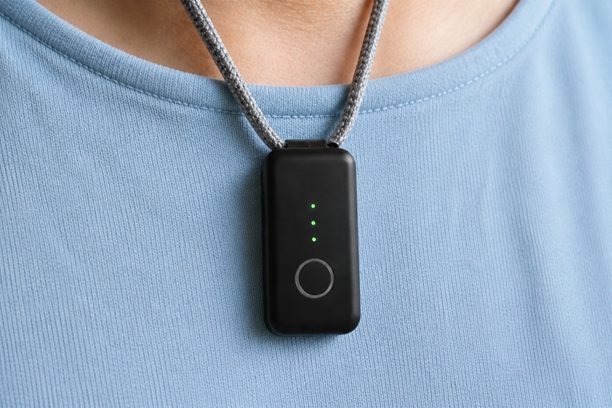
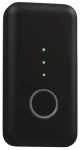
2. Discreet Classic: SafeLynk Smart Locket
If your loved one dislikes wearing a watch or finds wristbands uncomfortable while resting, the elegant SafeLynk Smart Locket provides elite safety in a highly stylish, lightweight design.
This premium safety pendant can be worn comfortably as a necklace or clipped discreetly to a belt or pocket. Like our smartwatch, the smart locket functions completely independently without needing a smartphone.
It features high-precision automatic fall detection, lightning-fast GPS location tracking, and an integrated emergency SOS alert button that opens an immediate two-way voice channel to professional care networks when pressed.
No Long Contracts + Setup In Under 2-3 Minutes
What Happens When a Fall Occurs?
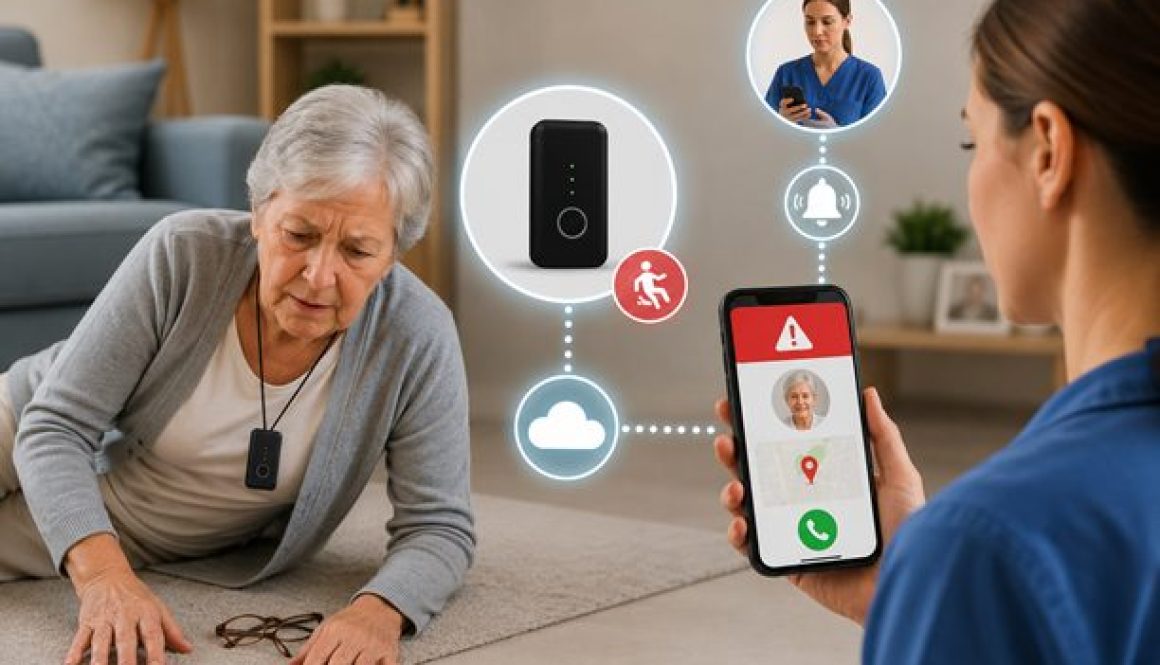
When an AI-powered device registers an impact, it initiates a coordinated, multi-layered response sequence within seconds:

Audio Warning: The device issues a gentle alert, giving the wearer a brief window to cancel the sequence if it happens to be a false alarm.

Immediate Two-Way Speakerphone Line: If the senior remains unresponsive, a powerful built-in speakerphone connects directly to a live, U.S.-based monitoring specialist.

Location Mapping: The device uses cellular towers and GPS routing to securely broadcast the senior’s exact location coordinates.

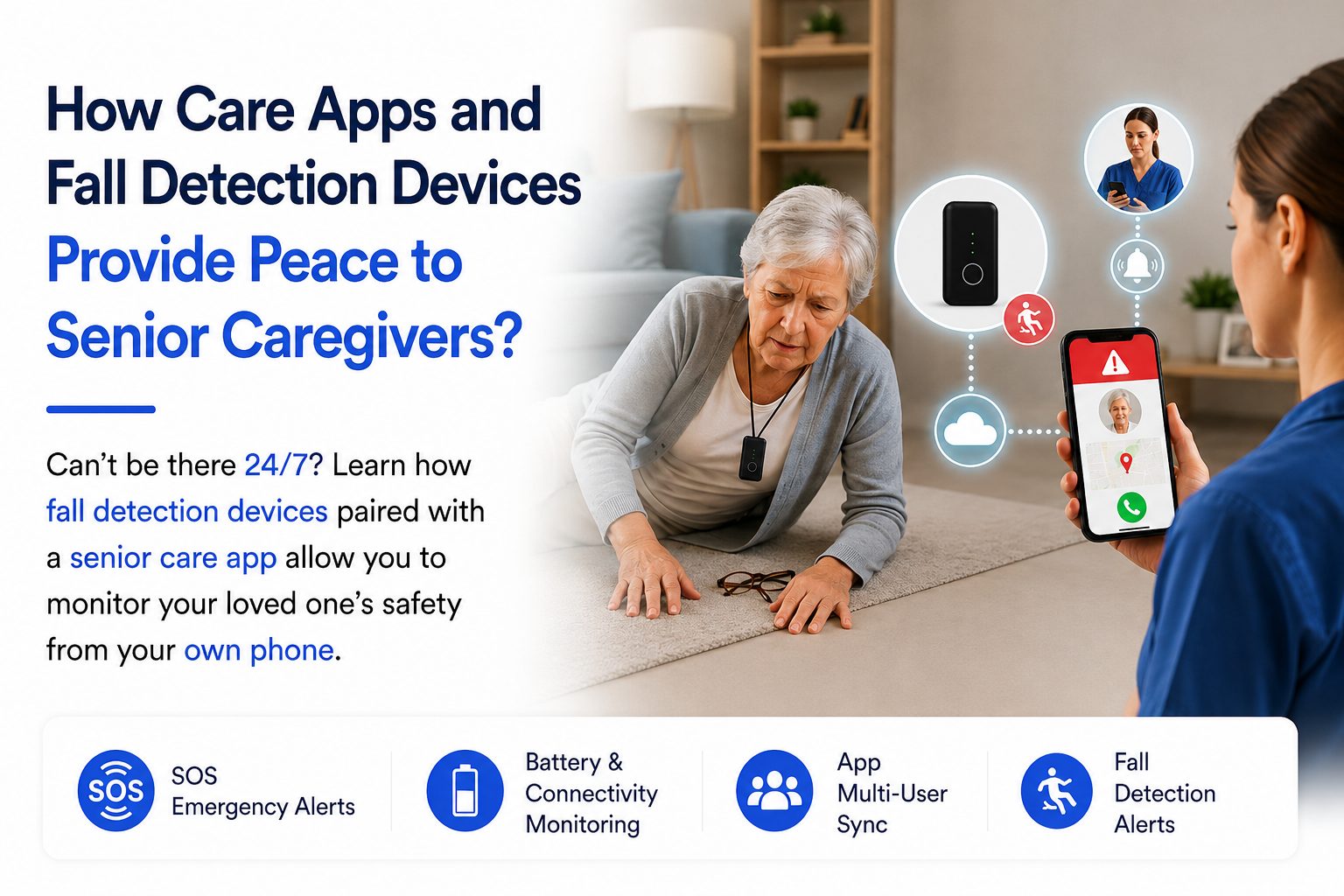
Caregiver & EMS Notifications: While emergency medical professionals are dispatched to the home, the system simultaneously notifies up to four family contacts via the caregiver application, keeping everyone synchronized during a critical moment.
Incorporating AI-powered fall detection devices into a household isn’t about restricting an independent senior’s autonomy. It is about providing an effortless digital safety net that delivers complete peace of mind to the entire family.
Medical Alert Watch with Fall Detection
Frequently Asked Questions (FAQ)
Q. How does AI prevent false alarms compared to older devices?
A. Older buttons triggered alarms from sudden movements like sitting down too heavily. 2026 AI devices, like the SafeLynk Smartwatch and Smart Locket, use advanced sensors and machine learning to analyze body angle and speed.
This allows the AI to accurately separate a true, high-impact fall from normal daily activities like folding laundry..
Q. Do SafeLynk devices require a smartphone or Wi-Fi?
A. No. Both SafeLynk devices function completely independently. They operate on standalone 4G LTE cellular networks (using AT&T and Verizon infrastructure), making them simple, smartphone-free medical alert solutions for senior care at home.
Q. What happens if the device triggers an accidental alert?
A. If a false alarm occurs, the device gives the user total control. It first broadcasts a gentle audio warning and voice prompt, giving the senior a brief window to cancel the sequence before any emergency services or family contacts are notified.
Q. How does the system respond when a true fall is detected?
A. If a fall is registered and the senior is unresponsive, the device instantly opens a two-way speakerphone line to a U.S.-based specialist. Using precise GPS, the system dispatches emergency services while simultaneously notifying up to four family contacts via our caregiver app.
Q. Which device is better for a senior who dislikes wearing watches?
A. If your loved one finds wristbands uncomfortable, the SafeLynk Smart Locket is the ideal alternative. It packs the same elite AI fall detection devices technology into a sleek, lightweight design that can be worn as a classic necklace or clipped discreetly to a belt or pocket..
Final Thoughts:
Choosing an AI safety device isn’t about restricting independence… it’s about creating an effortless safety net. Upgrading to the SafeLynk Smartwatch or Smart Locket removes the fear of a fall, allowing seniors to age in place comfortably while staying seamlessly connected to help.
This modern technology brings invaluable peace of mind to the entire family. With precise AI to eliminate false alarms and standalone cellular tracking for instant response, you can rest easy knowing your loved one is protected 24/7 without changing their daily routine.
2026’s budget medical alert system + app option for seniors