10 Best Elderly Monitoring Systems: Expert-Tested for 2026
Older adults want to remain independent, but living alone can create safety concerns for families. An unexpected fall, a missed phone call, or difficulty reaching emergency services can quickly become stressful, especially when caregivers live miles away.
An elderly monitoring system helps address these concerns through technologies such as fall detection, GPS tracking, emergency buttons, home activity sensors, and caregiver notifications.
However, not every monitoring system provides the same protection. Some focus on medical emergencies, others monitor activity inside the home, and a few connect everyday wellness with family safety.
This guide compares 10 elderly monitoring systems for 2026, examining their features, pricing, advantages, limitations, and ideal users to help U.S. families make an informed decision.
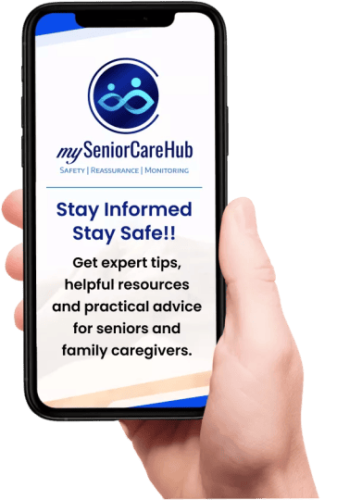
Keep Your Loved Ones Safe, Healthy, and Connected with mySeniorCareHub
mySeniorCareHub brings senior home monitoring, wellness tracking, family safety, and family sharing together in one platform, helping your loved ones live independently with confidence.
1. mySeniorCareHub: Best for Connected Senior Safety and Wellness
mySeniorCareHub takes a broader approach to elderly monitoring by connecting personal emergency response devices, everyday safety tools, and wellness management within one ecosystem.
It is particularly relevant for families who want more than a traditional emergency button.
Key Features of mySeniorCareHub
- Daily Check-Ins: Help seniors confirm their everyday safety.
- Location Tracking: Allows authorized family members to stay informed about a senior’s location.
- Emergency Help: Provides a way to request assistance during urgent situations.
- 24/7 Dispatch: Offers access to emergency dispatch support.
- Fall Detection: Available through compatible SafeLynk wearable devices.
- Vital Monitoring: Supports tracking health measurements and wellness information.
- Medication Reminders: Help seniors manage scheduled medications.
SafeLynk Devices and Connected Monitoring
mySeniorCareHub ecosystem includes three personal emergency response options.
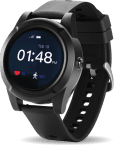
SafeLynk Smartwatch: Designed for seniors who want wearable safety technology. Its documented hardware includes an SOS button, GPS, Wi-Fi positioning support, motion sensors, heart-rate sensing, and cellular connectivity.
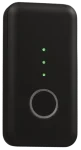
SafeLynk Smart Locket: A wearable emergency assistance option for seniors who prefer a pendant-style device.
SafeLynk In-Home Medical Alert System: Designed for older adults who need emergency assistance while spending most of their time at home.
These options allow families to select a device that better matches the senior’s mobility and daily routine.
How mySeniorCareHub Supports Remote Elderly Monitoring
Imagine an older adult living independently while their children live in another state.
Daily check-ins can provide regular safety confirmation. Location tracking can help family members stay informed during outings, while compatible emergency devices provide another way to request assistance.
The broader platform also supports medication reminders and vital monitoring.
This combination makes mySeniorCareHub useful for families managing both everyday safety and wellness needs.
Pricing and Subscription Options
Pricing depends on the selected SafeLynk device, app services, and monitoring plan. Families should review current device and subscription costs before purchasing.
Who Should Choose mySeniorCareHub?
- Seniors living independently
- Long-distance family caregivers
- Families seeking daily safety check-ins
- Older adults needing emergency assistance
- Caregivers interested in connected safety and wellness tools
Bottom line: mySeniorCareHub is a strong option for families who want an integrated approach to senior safety, emergency support, and wellness rather than a standalone medical alert button.
2. Medical Guardian: Best for Professional Emergency Monitoring
Medical Guardian focuses on professionally monitored medical alert systems for seniors at home and on the go.
Its devices are designed to connect users with emergency response specialists when assistance is needed.
Medical Guardian Key Features
- 24/7 professional monitoring
- In-home and mobile medical alert systems
- GPS-enabled mobile devices
- Optional automatic fall detection
- Two-way communication
- Wearable emergency buttons
Medical Guardian Emergency Response
Medical Guardian offers home-based systems and portable devices, including the MGMini and MGMove smartwatch.
When a user activates a compatible help button, they can communicate with a monitoring representative who can coordinate appropriate assistance.
Selected devices support automatic fall detection as an additional feature.
Pricing and Monitoring Plans
Medical Guardian advertises MGHome plans starting around $34.95 per month and selected mobile systems starting around $39.95 per month.
Equipment charges, payment frequency, and fall detection options can affect the final cost.
Pricing and Subscription Options
Pricing depends on the selected SafeLynk device, app services, and monitoring plan. Families should review current device and subscription costs before purchasing.
Who Should Choose Medical Guardian?
Medical Guardian suits seniors who prioritize access to professional emergency monitoring and want a choice between home-based and mobile devices.
Bottom line: A practical choice for dedicated medical emergency response, although it is less focused on broader daily wellness management.
3. Bay Alarm Medical: Best for Traditional In-Home Medical Alerts
Bay Alarm Medical offers emergency monitoring systems designed for seniors who want simple access to help at home or outside.
Its product range includes landline, cellular, mobile, and smartwatch options.
Bay Alarm Medical Key Features
- 24/7 U.S.-based monitoring
- Landline and cellular home systems
- Mobile GPS tracking options
- Optional fall detection
- Wearable emergency buttons
- Two-way voice communication
In-Home and Mobile Protection
The SOS Home system uses a base console and wearable help button.
For seniors who spend time outside, mobile options provide emergency assistance through cellular connectivity.
Selected plans also offer caregiver location information and fall detection.
Pricing and Value
Bay Alarm Medical lists the SOS Home Landline plan at $27.95 per month and the cellular version at $34.95 per month.
Its advertised cellular package with fall detection costs $44.95 monthly, with additional equipment terms.
Pricing and Subscription Options
Pricing depends on the selected SafeLynk device, app services, and monitoring plan. Families should review current device and subscription costs before purchasing.
Who Should Choose Bay Alarm Medical?
- Seniors who primarily stay at home
- Older adults seeking simple emergency buttons
- Families comparing landline and cellular systems
- Users who want professional monitoring without complex wellness features
Bottom line: Bay Alarm Medical is well suited to traditional emergency protection, particularly for older adults who prefer straightforward equipment.
Essential Features to Compare Before Buying
Choose an elderly monitoring system around the person’s actual risks, preferences, and home layout:
- Fall detection: Ask whether alerts are automatic, wearable-based, or limited to certain rooms.
- Emergency response: Distinguish family notifications from staffed, 24/7 professional monitoring.
- Privacy: Prefer camera-free sensors in personal spaces; obtain the senior’s consent.
- Connectivity: Check cellular coverage, Wi-Fi dependence, backup power, and outage behavior.
- Family access: Confirm how many caregivers can receive alerts and share updates.
- Wellness support: Look for medication reminders, daily check-ins, and meaningful health records.
- Total cost: Compare hardware, activation, subscriptions, and cancellation terms.
Final Verdict
For seniors living alone, the strongest setup balances emergency readiness, privacy, and consistent family involvement. Choose Medical Guardian or Bay Alarm Medical for dedicated alert services, NOMO for camera-free room awareness, and Apple Watch for wearable flexibility.
For families wanting a broader approach, mySeniorCareHub brings wellness monitoring, family safety, and family sharing together, connecting everyday care with emergency support.
Explore mySeniorCareHub and compare its solutions against your loved one’s needs.
Smarter Senior Care. Stronger Family Connections.
Frequently Asked Questions (FAQs)
-
The best option depends on the primary concern. Professional medical alerts suit emergency response; room sensors support camera-free awareness; mySeniorCareHub combines family safety, wellness, and sharing tools in one ecosystem.
-
Yes. Wearable SOS devices, motion sensors, GPS tools, daily check-ins, and caregiver apps can provide updates without continuous video monitoring.
-
Some cellular medical alert systems do. App-based and smart-home products may need internet access. Check each device’s requirements and backup arrangements.
-
No. Technology can provide alerts and useful information, but it cannot replace medical evaluation, personal assistance, or regular human contact.