Medical Alert System for Seniors Preserving Freedom: Best Options for Independent Living in 2026

Growing older should not mean giving up the freedom to live independently. Many seniors want to stay in their own homes, maintain daily routines, and enjoy activities without depending on someone for constant supervision. But what happens when an unexpected fall or medical emergency occurs?
A medical alert system for seniors preserving freedom provides a practical way to balance personal independence with emergency protection. Whether it’s a wearable SOS button, a medical alert smartwatch, or an in-home emergency system, these devices help older adults request assistance when needed.
For families looking for dependable senior safety solutions, mySeniorCareHub offers medical alert devices with emergency assistance, caregiver connectivity, and 24/7 professional monitoring options designed to support independent living.
HELP YOUR AGING LOVED ONES LIVE INDEPENDENTLY WITH CONFIDENCE
Give seniors the freedom to enjoy life at home with an In-Home Medical Alert System offering one-touch SOS assistance, two-way communication, and 24/7 professional emergency monitoring.
Why Is a Medical Alert System Important for Seniors Who Want Independence?
Living independently provides older adults with familiarity, privacy, and control over their everyday decisions. However, being alone during an emergency can create additional risks, especially for seniors with mobility difficulties or a history of falls.
The National Institute on Aging recognizes emergency medical alert systems, fall monitors, and GPS tracking devices as potential tools for supporting older adults who live at home. It also emphasizes that these systems complement rather than replace regular caregiver contact.
- Living arrangements: Does your parent live alone or with someone who can assist?
- Coverage needs: Is protection required only inside the home or also outdoors?
- Emergency communication: Can the user speak directly with monitoring professionals?
- Wearability: Is the emergency pendant or watch comfortable enough for everyday use?
- Fall detection: Is automatic detection necessary, and does the selected device support it?
- Battery and connectivity: Are there reliable cellular coverage and backup power options?
- Monitoring subscription: Does the plan include 24/7 professional response and clearly defined costs?
The purpose is not to monitor every movement. It is to make help more accessible when something unexpected happens.
Best Medical Alert System Options for Seniors Preserving Freedom in 2026
Different medical alert systems provide different levels of protection. Choosing the right option depends on whether a senior primarily stays at home, regularly goes outside, or needs additional fall-related support.
1. In-Home Medical Alert Systems for Seniors Living Alone
An in-home medical alert system is designed for older adults who spend most of their time at home and want emergency protection without carrying a smartphone.
These systems generally include a central communication hub and a wearable emergency pendant. When the user presses the button, the device connects them to an emergency monitoring service.
An in-home system may be ideal for seniors who:
- Live alone in a house or apartment.
- Want easy access to emergency assistance.
- Prefer a simple wearable button.
- Need support during unexpected incidents at home.
The SafeLynk In-Home Medical Alert System offers a cellular CareHub, wearable SOS pendant, two-way voice communication, family notifications, backup battery protection, and 24/7 professional monitoring with an eligible plan.
2. Medical Alert Watches for Active Seniors
For older adults who regularly walk, shop, visit friends, or attend appointments, a medical alert watch can provide wearable protection beyond the home.
Unlike traditional stationary medical alert systems, mobile smartwatches can include cellular connectivity and GPS location tracking.
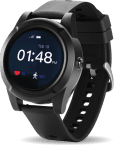
The SafeLynk Smart Watch combines a dedicated SOS button, automatic fall detection, GPS location tracking, and caregiver notifications.
A medical alert smartwatch may be a suitable choice for seniors who prefer an active lifestyle and want a familiar wrist-worn device.
3. Fall Detection Devices for Additional Safety
Some older adults may be unable to press an emergency button after a fall. This is where automatic fall detection can provide an additional safety feature.
Fall detection devices use sensors and software to identify movements that may indicate a fall and initiate an alert.
However, not every fall is detected, and some everyday movements can trigger false alerts.
Families should consider fall detection an additional safeguard rather than a replacement for manual SOS activation.
4. Mobile Medical Alert Systems With GPS
Mobile medical alert systems are designed to support seniors outside their homes, using cellular connectivity and sometimes GPS technology.
These systems can help families coordinate assistance when an older adult experiences an emergency while away from home.
Location-related features are particularly useful for seniors who remain active in their communities.
For additional family connectivity, mySeniorCareHub provides a separate Location Tracking App that supports location sharing with authorized caregivers.
Comparing Medical Alert Systems for Independent Senior Living
Knowing someone’s location does not always tell you how they are doing.
| Feature | In-Home Medical Alert System | Mobile Medical Alert Watch | Basic SOS Button |
|---|---|---|---|
| Emergency SOS | Yes | Yes | Usually |
| 24/7 monitoring | With supported plan | With supported plan | Depends on service |
| Fall detection | Model-dependent | Model-dependent | Usually unavailable |
| GPS location tracking | Generally not for outdoor use | Common on supported models | Device-dependent |
| Two-way communication | Common through base station | Available on supported watches | Varies |
| Best suited for | Seniors primarily at home | Active seniors | Basic emergency alerts |
The best medical alert system for seniors is not necessarily the one with the most features. It is the one that matches the person’s lifestyle, abilities, and preferred level of independence.
What Features Should You Look for in a Medical Alert System for Seniors?
Before choosing a medical alert device, families should evaluate features that support both safety and independence.
One-Touch SOS Emergency Assistance
During an emergency, older adults should be able to request help with minimal effort. A dedicated SOS button eliminates the need to unlock a smartphone, navigate an application, or locate a contact number.
For seniors with limited dexterity or vision difficulties, button size, placement, and ease of use are particularly important.
24/7 Professional Emergency Monitoring
An emergency can happen at any hour, especially when seniors are alone.
A professionally monitored system connects the user with trained response personnel who can assess the situation and coordinate assistance.
Look for systems offering continuous monitoring rather than those that only send notifications to family members who may be unavailable.
Comfortable and Water-Resistant Wearables
A medical alert device is only helpful when it is available during an emergency.
Choose a lightweight pendant or watch that the senior feels comfortable wearing during everyday activities. Water resistance is especially important for bathroom use, but families should confirm the manufacturer’s specific water-resistance rating.
Reliable Connectivity and Battery Backup
Check whether the system uses cellular service, Wi-Fi, or a landline. Mobile coverage and indoor signal strength can vary by location.
For in-home systems, battery backup can help maintain operation during temporary power interruptions, provided the communication network remains available.
Caregiver Notifications Without Constant Surveillance
Seniors deserve privacy as well as protection.
Emergency notifications can help designated family members stay informed when assistance is needed without requiring continuous monitoring of every activity.
This supports a healthier balance between caregiver involvement and personal independence.
Why Choose mySeniorCareHub for Independent Senior Safety?
Finding a medical alert system for seniors preserving freedom means selecting technology that offers reassurance without interrupting everyday routines.
mySeniorCareHub provides connected senior safety solutions designed for families who want dependable emergency support while respecting their loved one’s independence.
Its SafeLynk In-Home Medical Alert System includes a wearable SOS pendant, cellular CareHub, two-way communication, professional monitoring, and family emergency notifications.
Seniors who want protection while outside the home can consider the SafeLynk Smart Watch, which includes SOS assistance, GPS location tracking, and automatic fall detection.
For additional everyday support, mySeniorCareHub also offers a Daily Safety Check-In App, helping families stay connected through routine safety confirmations.
These solutions give families different ways to support safety without unnecessarily restricting the senior’s daily activities.
INDEPENDENT LIVING SHOULD NEVER MEAN FACING EMERGENCIES ALONE
Frequently Asked Questions (FAQs)
-
The best medical alert system depends on the senior’s lifestyle. In-home systems suit people who spend most of their time at home, while mobile medical alert watches are suitable for older adults who frequently go outside. Prioritize easy SOS activation, reliable connectivity, and professional monitoring.
-
Medical alert systems can support aging in place by making emergency assistance more accessible. However, they should complement home safety improvements, regular check-ins, and any necessary medical or caregiving support.
-
Yes. Many medical alert systems use built-in cellular connectivity and do not require home Wi-Fi. However, their performance depends on network coverage and the specific device.
-
Automatic fall detection may provide additional protection for seniors at greater risk of falling or being unable to press an SOS button. However, detection is not perfect, so the manual emergency button remains important.
-
Some systems notify designated caregivers when an emergency alert is activated. Others connect directly to monitoring professionals who determine whom to contact. Check the service’s notification procedures before purchasing.