What Is a Personal Emergency Response System? How It Works and Benefits for Seniors

What happens if an elderly parent falls at home and cannot reach their phone? For seniors living alone, unexpected emergencies can become serious when immediate assistance is unavailable. A personal emergency response system (PERS) provides a simple way to request help when it matters most.
These systems typically use a wearable emergency button, a communication device, and professional monitoring to connect older adults with assistance. With options ranging from in-home medical alert systems to GPS-enabled smartwatches, seniors can choose protection that supports their daily routines. mySeniorCareHub offers connected emergency safety solutions designed to help older adults maintain independence while keeping families informed.
GET EMERGENCY HELP WHEN EVERY SECOND COUNTS
Protect your aging loved ones with an In-Home Medical Alert System that connects them to 24/7 emergency support at the press of a button.
What Is a Personal Emergency Response System?
A personal emergency response system is an electronic safety solution that allows an individual to request assistance during a medical emergency, fall, or other urgent situation.
Also known as a medical alert system, PERS generally connects a wearable emergency button to a monitoring center or designated emergency contact.
The system typically consists of three components:
- Wearable emergency button: A pendant, wristband, or smartwatch used to request help.
- Communication device: A cellular-enabled base station or mobile device that transmits the emergency alert.
- Emergency monitoring service: A response team that evaluates the situation and coordinates appropriate assistance.
Unlike a smartphone, which may be out of reach during an emergency, a wearable medical alert device keeps help accessible through a simple button press.
How Does a Personal Emergency Response System Work?
Most personal emergency response systems follow a straightforward process that allows seniors to request assistance without searching for a phone.
Some advanced systems also include automatic fall detection that may trigger an alert without a button press. However, fall detection is not guaranteed to identify every fall.
The National Institute on Aging identifies emergency medical alert systems as one way to support older adults living at home, while emphasizing the importance of proper setup, charging, and regular caregiver contact.
Types of Personal Emergency Response Systems for Seniors
These systems use a central base station and a wearable emergency pendant to provide access to help within a supported home coverage area.
They are particularly suitable for older adults who spend most of their time at home.
2. Mobile Medical Alert Systems
Mobile systems use cellular connectivity and may include GPS technology to support emergency assistance outside the home.
These devices are useful for active seniors who regularly travel, shop, or attend appointments.
3. Medical Alert Watches With Fall Detection
Wearable medical alert watches combine SOS functionality with additional safety features such as GPS and automatic fall detection on supported models.
They can provide a convenient option for seniors who prefer wearing a watch instead of a traditional pendant.
What Are the Benefits of a Personal Emergency Response System for Seniors?
A reliable medical alert system for seniors provides more than an emergency button. It can support everyday confidence, family communication, and independent living.
Faster Access to Emergency Assistance
Falls, sudden illness, and unexpected incidents can happen without warning. A wearable medical alert button allows seniors to request assistance without locating a phone or manually dialing a number.
Greater Confidence While Living Alone
Older adults may prefer continuing their familiar routines rather than moving into an assisted living environment. A personal emergency response system provides an additional layer of protection that supports aging in place.
Around-the-Clock Emergency Monitoring
Professionally monitored systems can connect users to trained response specialists at any hour, including nights, weekends, and holidays, subject to their active service plan and network availability.
Additional Support for Fall-Related Emergencies
Some fall detection devices for seniors can recognize movements consistent with a fall and initiate an alert automatically.
This technology can be particularly helpful when an individual is unable to press an emergency button, although it should never be treated as a guarantee.
Better Communication With Family Members
Depending on the system, designated caregivers may receive emergency notifications, making it easier to coordinate support when something unexpected happens.
Personal Emergency Response System vs Traditional Medical Alert Button
Although these terms are sometimes used interchangeably, the emergency button is only one component of a complete monitored response system.
| Feature | Basic Emergency Alert Button | Professionally Monitored PERS |
|---|---|---|
| SOS button | Yes | Yes |
| Emergency notification | Depends on device | Yes |
| 24/7 professional monitoring | Not necessarily | Typically included with active service |
| Two-way communication | Varies | Commonly available |
| Emergency dispatch coordination | Not always | Typically available |
| GPS location tracking | Device-dependent | Available on certain mobile systems |
| Automatic fall detection | Device-dependent | Optional on supported systems |
The most important difference is not simply the button itself, but what happens after an emergency alert is activated.
How Much Does a Personal Emergency Response System Cost?
Personal emergency response system pricing depends on the device, monitoring plan, and additional features.
Common costs include equipment purchases or rentals, monthly monitoring subscriptions, activation charges, and optional services such as fall detection.
Families should compare the total cost rather than selecting a device based only on its advertised starting price.
Before purchasing, check whether the plan includes professional monitoring, cellular connectivity, caregiver notifications, and cancellation flexibility.
The National Institute on Aging notes that medical alert services commonly involve an initial fee and an ongoing monthly charge, although pricing varies by provider.
How to Choose the Right Emergency Response System for an Elderly Parent
Before purchasing an emergency response system for elderly family members, consider the following:
–
- Living arrangements: Does your parent live alone or with someone who can assist?
- Coverage needs: Is protection required only inside the home or also outdoors?
- Emergency communication: Can the user speak directly with monitoring professionals?
- Wearability: Is the emergency pendant or watch comfortable enough for everyday use?
- Fall detection: Is automatic detection necessary, and does the selected device support it?
- Battery and connectivity: Are there reliable cellular coverage and backup power options?
- Monitoring subscription: Does the plan include 24/7 professional response and clearly defined costs?
The right system should match how the senior actually lives rather than offering unnecessary technology.
How mySeniorCareHub Supports Senior Emergency Safety
mySeniorCareHub offers senior-focused safety technology designed to help older adults request emergency assistance while maintaining their independence.
Two available solutions support different everyday needs.
SafeLynk In-Home Medical Alert System
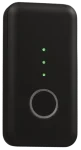
This system combines a cellular communication hub with a wearable SOS pendant, two-way voice communication, and 24/7 professional monitoring.
It also supports family emergency notifications and backup battery protection.
Explore the In-Home Medical Alert System
SafeLynk Smart Watch
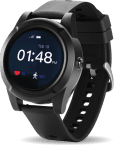
Designed for seniors who want wearable protection, this smartwatch offers SOS assistance, GPS location capabilities, fall detection, and access to emergency monitoring.
Explore the SafeLynk Smart Watch
The SafeLynk In-Home Medical Alert System includes a wearable pendant and communication hub, with SOS activation, two-way communication, and professional response described on the official product page.
For families who also want routine safety confirmations, mySeniorCareHub provides a separate Daily Safety Check-In and Emergency Dispatch solution.
KEEP YOUR AGING LOVED ONES SAFE, EVEN WHEN YOU’RE AWAY
Frequently Asked Questions (FAQs)
-
PERS stands for Personal Emergency Response System. It refers to technology that helps older adults request emergency assistance through a wearable button or connected safety device.
-
Not always. Many modern systems operate through cellular networks and do not require a traditional landline. Connectivity requirements depend on the specific model.
-
Some systems support automatic fall detection, but others require users to press an SOS button. Even supported fall detection technology cannot identify every fall.
-
Original Medicare generally does not cover personal emergency response systems as standard medical equipment. Certain Medicare Advantage plans or Medicaid programs may provide benefits, depending on eligibility and plan terms.