Best Home Monitoring Systems for Elderly Living Alone in 2026
Living alone should not mean living without support. The best home monitoring systems for elderly adults help families respond to emergencies, recognize changes in routines, and support independent living without unnecessary surveillance. Options range from medical alert pendants to camera-free sensors and connected wellness platforms.
According to the CDC, more than one in four older adults falls annually. That makes dependable fall detection important, but medication reminders, daily check-ins, and family communication also matter. Here is how leading solutions compare in 2026.
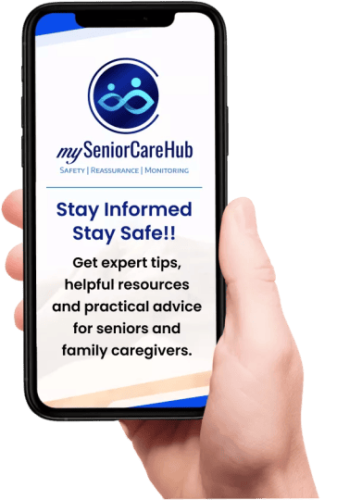
Keep Your Loved Ones Safe, Healthy, and Connected with mySeniorCareHub
mySeniorCareHub brings senior home monitoring, wellness tracking, family safety, and family sharing together in one platform, helping your loved ones live independently with confidence.
What Is a Home Monitoring System for Elderly People?
A home monitoring system for seniors uses wearables, sensors, connected apps, or emergency buttons to improve safety at home. Depending on the setup, caregivers can receive fall alerts, monitor activity, check location, or communicate remotely. Some systems connect users to professional response centers; others notify designated family members.
Best Elderly Home Monitoring Systems: Quick Comparison
| System | Best for | Primary strength |
|---|---|---|
| mySeniorCareHub | Connected family care | Wellness, safety, and family sharing |
| Medical Guardian | Emergency support | Monitored medical alerts |
| Bay Alarm Medical | Traditional home protection | In-home emergency buttons |
| NOMO Smart Care | Camera-free awareness | Non-wearable room monitoring |
| Apple Watch | Active older adults | Wearable health and fall features |
| Ring Alarm | DIY home awareness | Door and motion sensors |
| Lively | Portable emergency support | Mobile safety services |
1. mySeniorCareHub: Best for All-in-One Senior Wellness and Family Safety
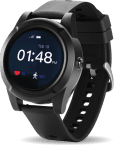
mySeniorCareHub combines senior home monitoring, wellness tools, and family sharing within a connected care ecosystem. Its SafeLynk in-home system and wearable options complement an app designed to help seniors live independently while keeping loved ones informed.
Features advertised by the platform include SOS alerts, fall notifications, daily safety check-ins, location tracking, geofencing, medication reminders, and vital-sign logging. Family members can share relevant health updates and receive notifications. Kiara, its AI assistant, offers voice-supported medication information and symptom-checking tools.
Best for: Families seeking more than a standalone elderly fall detection system, particularly those coordinating safety, everyday wellness, and care across multiple relatives.
Consider: Confirm which features require specific SafeLynk devices, subscriptions, connectivity, or manual health entries before purchasing.
2. Medical Guardian: Best for Professional Emergency Monitoring
Medical Guardian offers home and mobile medical alert options with emergency response services. Its wearable devices suit seniors who want access to assistance without managing multiple health apps.
Best for: Someone living alone who prioritizes contacting a monitoring center during an emergency.
Consider: Device type, optional fall detection, and ongoing service fees.
3. Bay Alarm Medical: Best for Simple In-Home Alerts
Bay Alarm Medical offers home medical alert setups alongside mobile options. A wearable help button can provide a straightforward way to request assistance.
Best for: Older adults comfortable pressing a pendant or wrist button when help is needed.
Consider: Automatic fall detection may require an additional feature or plan.
4. NOMO Smart Care: Best for Camera-Free Monitoring
NOMO uses room-based monitoring rather than conventional video surveillance. This approach can appeal to people who dislike cameras or forget wearable devices.
Best for: Privacy-conscious households seeking non-wearable monitoring inside the home.
Consider: Verify the exact fall-detection capabilities, room coverage, and alert arrangements of the selected kit.
5. Apple Watch: Best for Active Seniors
Compatible Apple Watch models provide fall detection, Emergency SOS, activity tracking, and heart-rate information. They can support elderly parents who regularly leave home.
Best for: Tech-comfortable seniors who will consistently wear and charge a smartwatch.
Consider: Emergency calling depends on model, configuration, and available connectivity; this is not equivalent to a dedicated monitoring service.
6. Ring Alarm: Best for Activity and Entry Alerts
Ring Alarm uses door, window, and motion sensors to provide household security notifications. With thoughtful placement, these can help caregivers recognize certain changes in routine.
Best for: Families who want smart-home awareness alongside existing care arrangements.
Consider: Security sensors cannot diagnose health problems or reliably detect falls.
7. Lively: Best for Mobile Medical Alerts
Lively provides portable senior safety products and assistance services. Mobile options are useful when an older adult moves between home, appointments, and everyday activities.
Best for: Seniors who want emergency support beyond their front door.
Consider: Confirm coverage, device compatibility, and the services included in each plan.
Essential Features to Compare Before Buying
Choose an elderly monitoring system around the person’s actual risks, preferences, and home layout:
- Fall detection: Ask whether alerts are automatic, wearable-based, or limited to certain rooms.
- Emergency response: Distinguish family notifications from staffed, 24/7 professional monitoring.
- Privacy: Prefer camera-free sensors in personal spaces; obtain the senior’s consent.
- Connectivity: Check cellular coverage, Wi-Fi dependence, backup power, and outage behavior.
- Family access: Confirm how many caregivers can receive alerts and share updates.
- Wellness support: Look for medication reminders, daily check-ins, and meaningful health records.
- Total cost: Compare hardware, activation, subscriptions, and cancellation terms.
Final Verdict
For seniors living alone, the strongest setup balances emergency readiness, privacy, and consistent family involvement. Choose Medical Guardian or Bay Alarm Medical for dedicated alert services, NOMO for camera-free room awareness, and Apple Watch for wearable flexibility.
For families wanting a broader approach, mySeniorCareHub brings wellness monitoring, family safety, and family sharing together, connecting everyday care with emergency support.
Explore mySeniorCareHub and compare its solutions against your loved one’s needs.
Smarter Senior Care. Stronger Family Connections.
Frequently Asked Questions (FAQs)
-
The best option depends on the primary concern. Professional medical alerts suit emergency response; room sensors support camera-free awareness; mySeniorCareHub combines family safety, wellness, and sharing tools in one ecosystem.
-
Yes. Wearable SOS devices, motion sensors, GPS tools, daily check-ins, and caregiver apps can provide updates without continuous video monitoring.
-
Some cellular medical alert systems do. App-based and smart-home products may need internet access. Check each device’s requirements and backup arrangements.
-
No. Technology can provide alerts and useful information, but it cannot replace medical evaluation, personal assistance, or regular human contact.