Remote Monitoring for Seniors With Chronic Conditions: What Families Should Know

Managing a chronic health condition becomes more challenging with age, especially when older adults live independently or far from family members. Conditions such as diabetes, high blood pressure, heart disease, and respiratory illnesses often require regular monitoring, medication management, and ongoing communication with healthcare professionals.
For families, occasional phone calls and medical appointments may not provide enough information about changes occurring between visits.
Remote monitoring for chronic conditions offers a practical way to support ongoing care. Connected medical devices, health monitoring apps, and digital communication tools can help older adults track relevant health information and stay connected with their care teams.
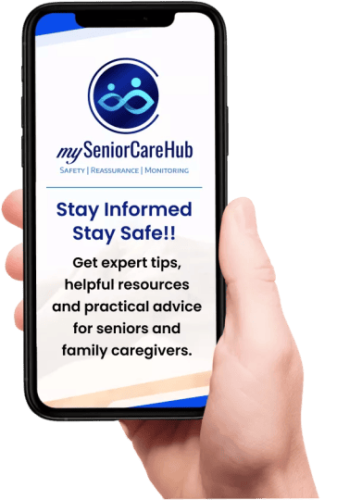
Solutions such as the mySeniorCareHub Family Safety and Wellness App can complement professional healthcare by supporting daily routines, wellness awareness, and family communication.
Stay Connected to Your Aging Parent’s Everyday Health
Managing chronic conditions requires consistent care and communication. With mySeniorCareHub, families can support older adults through wellness tracking, medication reminders, daily safety check-ins, and connected family care features.
What Is Remote Monitoring for Chronic Conditions?
Remote monitoring for chronic conditions uses digital devices and connected healthcare technology to collect relevant health information while patients are at home.
In clinical remote patient monitoring (RPM), medical devices may transmit blood pressure, blood glucose, weight, or other measurements to healthcare professionals for review.
This helps clinicians understand changes between appointments and make appropriate decisions about treatment.
For older adults, remote monitoring can reduce some travel-related challenges while supporting ongoing chronic disease management.
However, consumer wellness applications and clinical RPM programs are not interchangeable. Clinical monitoring requires appropriate medical devices, healthcare oversight, and established care processes.
How Does Remote Patient Monitoring Work for Seniors?
Remote patient monitoring typically begins when a healthcare professional determines which measurements are relevant to a patient’s condition.
The patient receives an appropriate connected device, such as a blood pressure monitor, glucose meter, or digital weight scale.
Measurements are collected according to the care plan and transmitted to the healthcare provider through a secure system.
The care team reviews the information and determines whether follow-up, medication adjustments, or additional medical evaluation is necessary.
Family caregivers may help with device setup and daily routines when the older adult agrees to their involvement.
The effectiveness of remote monitoring depends on reliable measurements, patient participation, and clear clinical follow-up procedures.
5 Chronic Conditions That May Benefit From Remote Health Monitoring
1. High Blood Pressure
Hypertension is a common chronic condition that may require regular blood pressure monitoring.
Connected blood pressure monitors can help patients collect readings at home and share them with healthcare professionals.
The American Heart Association recommends home blood pressure monitoring for people diagnosed with hypertension.
Reviewing readings over time may help clinicians assess whether treatment is working.
However, patients should never change prescribed medications based solely on home measurements without professional guidance.
2. Diabetes
Diabetes management often involves monitoring blood glucose levels, medication schedules, and lifestyle routines.
Connected glucose meters and continuous glucose monitoring devices can provide information that helps patients and healthcare professionals understand blood sugar patterns.
Depending on the treatment plan, clinicians may use these readings to recommend appropriate adjustments.
Family members can also support healthy routines and appointment coordination.
3. Heart Disease and Heart Failure
Some older adults with heart conditions benefit from monitoring relevant measurements between appointments.
Depending on clinical recommendations, connected devices may track weight, blood pressure, or heart rate.
For example, unexpected weight changes in a patient with heart failure may require medical evaluation.
Remote monitoring can help clinicians review information, but it cannot independently diagnose worsening heart disease.
4. Chronic Respiratory Conditions
Older adults with chronic obstructive pulmonary disease (COPD) or other respiratory illnesses may require ongoing assessment.
Healthcare professionals may recommend appropriate oxygen monitoring or other respiratory measurements.
Connected devices can provide additional information about selected indicators.
However, pulse oximeters have limitations, and normal readings do not rule out serious respiratory problems.
New or worsening breathing difficulties require prompt medical attention.
5. Multiple Chronic Conditions
Many older adults manage more than one long-term health condition.
This can involve several medications, appointments, and monitoring requirements.
Remote health monitoring may help organize relevant clinical information, while complementary wellness tools support everyday routines.
The most suitable monitoring approach depends on the conditions involved and the healthcare team’s recommendations.
Remote Patient Monitoring vs Senior Wellness Monitoring
Remote patient monitoring and senior wellness monitoring serve different purposes.
Clinical RPM involves healthcare professionals collecting and reviewing appropriate medical measurements as part of a patient’s care.
For example, a clinician may monitor blood pressure readings to help manage hypertension.
Senior wellness monitoring focuses more broadly on everyday health awareness, activity patterns, medication reminders, and family communication.
A senior health monitoring app may help users review available wellness measurements, depending on compatible devices.
However, consumer health information should not be treated as clinical monitoring unless the technology and care process meet the necessary medical requirements.
Families may benefit from both approaches when they address different needs.
How mySeniorCareHub Supports Seniors Managing Chronic Conditions
mySeniorCareHub offers connected wellness and family safety capabilities that can complement professional chronic disease care.
Its broader wellness platform includes vital monitoring, medication reminders, sleep and activity tracking, family sharing, health data sharing, and Kiara AI Health and Care Companion.
These tools can help older adults organize everyday routines and access relevant wellness information.
The core Family Safety App provides Daily Check-In, Location Tracking, Emergency Help, and 24/7 Dispatch through eligible membership plans.
For example, a daily safety check-in app helps families maintain regular communication, while a location tracking app supports authorized location awareness.
These features can support everyday caregiving but do not replace clinical remote patient monitoring, medical diagnosis, or professional treatment.
How to Choose the Right Remote Monitoring Solution for Elderly Parents
Before choosing a remote monitoring system, families should begin by discussing the older adult’s needs with their healthcare provider.
For chronic conditions requiring medical oversight, ask whether a clinical RPM program is appropriate.
Confirm which devices are recommended, how frequently measurements should be taken, and who reviews the information.
Families should also evaluate device accuracy, internet connectivity, privacy protections, and ease of use.
For additional everyday support, consider whether medication reminders, family sharing, and emergency assistance would be useful.
The right solution should fit the older adult’s medical needs and comfort with technology.
Conclusion
Remote monitoring for chronic conditions can help older adults and healthcare professionals stay connected between medical appointments.
By collecting relevant health measurements, supporting communication, and enabling appropriate clinical follow-up, remote patient monitoring can make managing certain chronic illnesses more convenient.
For families, complementary wellness technology can provide additional support with medication schedules, daily safety, and communication.
Explore the mySeniorCareHub Family Safety and Wellness App to discover connected wellness and family safety features that support everyday caregiving.
Support Independent Living With Smarter Senior Safety
Give your aging parents more independence while staying connected to their daily wellness and safety. Discover how mySeniorCareHub brings together family communication, health awareness, and emergency assistance in one convenient app.
Frequently Asked Questions (FAQs)
-
Depending on clinical needs, remote monitoring may support hypertension, diabetes, heart disease, heart failure, and certain respiratory conditions.
-
Yes. Appropriate monitoring can support chronic disease management between appointments. Complementary family safety and wellness tools may also help older adults maintain everyday routines and communication.
-
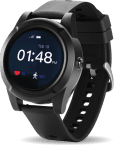
Common devices include connected blood pressure monitors, glucose meters, digital weight scales, pulse oximeters, and certain medical-grade wearable devices.
-
No. Senior wellness apps generally support personal health awareness and daily routines. Clinical remote patient monitoring involves medical devices and healthcare professional oversight.