How Can I Know If My Elderly Parent Has Fallen When I’m Not at Home?

When an aging parent lives alone, one concern can be difficult to ignore: What if they fall when nobody is there?
You may call regularly, arrange family check-ins, or ask a neighbor to stop by, but these methods cannot provide immediate awareness of every incident. If your parent falls and cannot reach their phone, hours could potentially pass before someone realizes they need assistance.
A fall detection device can help address this specific problem. Using sensors and connected safety technology, compatible devices can recognize movement patterns that may indicate a fall and initiate an alert process, giving caregivers another way to know when something may have happened.
KNOW WHEN A FALL HAPPENS, EVEN WHEN YOU’RE NOT THERE
Give your aging parent an added layer of protection with a Fall Detection Device that can detect potential falls and connect them to help.
Why a Phone Call May Not Be Enough After a Fall
Calling your parent every day provides valuable connection, but falls are unpredictable.
Imagine your mother falls in the bathroom shortly after your morning call. Her phone is charging in the bedroom, and she cannot easily get to it. Unless someone visits or calls again, the situation may remain unnoticed.
This is the gap that automatic fall detection technology is designed to address.
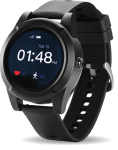
Instead of requiring someone to witness the incident, a wearable safety device stays with the senior and can respond when its sensors detect movement consistent with a fall.
How Does a Fall Detection Device Know Someone Has Fallen?
Wearable fall detection systems generally use built-in motion sensors combined with software that analyzes changes in movement.
The technology may look for patterns associated with a fall, such as sudden acceleration, impact, or a rapid change in body position.
When the system identifies an event that appears to be a fall, it can begin its alert process. Depending on the device and service, the wearer may have an opportunity to cancel the alert if they are okay or if the movement was incorrectly detected.
If the alert continues, the system can notify the appropriate response service or connected contacts according to how the service is configured.
This creates a safety pathway that does not depend entirely on the senior reaching a phone.
Will I Be Notified If My Parent Falls?
This is one of the most important questions to ask before purchasing any fall detection device.
Fall detection alone is only part of the solution. Families should understand exactly what happens after a possible fall is detected.
Ask the provider:
- Who receives the fall alert?
- Are family members or caregivers notified?
- Is professional emergency monitoring available?
- Can the senior communicate through the device?
- Is location information available when appropriate?
The best setup for your family depends on who is available to respond and how much professional support your parent requires.
What If My Parent Is Unable to Press an SOS Button?
An SOS button is valuable when a senior recognizes that they need assistance and can physically activate it.
The problem arises when they cannot.
A serious fall could leave someone disoriented, injured, or unable to reach the emergency control. This is why automatic fall detection can provide an important additional layer of protection.
Rather than relying entirely on manual activation, the system can potentially initiate an alert after detecting fall-like movement.
However, automatic detection should complement an accessible SOS feature, not replace it. Having both options provides seniors with more than one way to request or initiate assistance.
Can Fall Detection Tell Me Where My Parent Is?
Some mobile and wearable safety devices combine fall detection with GPS location tracking.
This can be useful if your parent remains active outside the home. If an alert occurs while they are walking, shopping, or visiting somewhere independently, location information may help authorized caregivers or responders understand where assistance could be needed.
For a senior who primarily stays at home, location tracking may be less important than reliable home coverage and access to emergency support.
Choose features based on your parent’s actual lifestyle rather than simply selecting the device with the longest feature list.
How Reliable Is Automatic Fall Detection?
No fall detection device should be treated as a guarantee that every fall will be detected.
Human movement is complex. A sudden movement might trigger an accidental alert, while certain types of falls may not create the movement pattern the system expects.
That is why families should view automatic detection as an additional safety layer.
When comparing devices, consider fall detection alongside SOS access, caregiver notifications, emergency monitoring, communication capabilities, battery life, coverage, and ease of use.
Most importantly, the senior needs to wear or use the device consistently for it to provide meaningful protection.
When Should You Consider a Fall Detection Device?
A fall detection solution may be worth considering when your aging parent:
A fall detection device may be especially helpful for a senior who:
- Lives alone or spends long periods without another person present.
- Has experienced a previous fall.
- Has difficulty reaching or carrying a phone consistently.
- Wants to continue living independently.
- Frequently walks or goes out alone.
- Has family members who live far away.
The decision should still reflect your parent’s preferences and individual care needs.
How SafeLynk Helps Families Stay Connected After a Fall
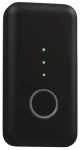
For families worried about an older loved one falling while alone, SafeLynk wearable devices from mySeniorCareHub provide connected senior safety features designed to help maintain access to assistance.
SafeLynk solutions can combine automatic fall detection, SOS functionality, location capabilities, two-way communication, and emergency support, depending on the selected device and service.
This gives families a connected safety option when they cannot physically be beside their loved one throughout the day.
Fall detection is not a substitute for appropriate medical care or emergency services, but it can provide an additional pathway for identifying a potential fall and initiating assistance.
You Cannot Be There Every Minute, but Technology Can Help Close the Gap
You may never be able to know about every fall the moment it happens. Regular calls and family visits remain important, but they depend on someone being available at the right time.
A fall detection device addresses that gap by staying with your parent and providing another way for a possible fall to trigger an alert.
For families supporting seniors who live independently, the most useful solution combines automatic detection with a clear response process.
That means knowing not only whether a fall may have occurred, but also who will be alerted and what happens next.
YOU CAN’T ALWAYS BE THERE. THEIR SAFETY CAN STILL STAY CONNECTED.
Frequently Asked Questions (FAQs)
-
Automatic fall detection technology can recognize movement patterns associated with a fall and initiate an alert process, helping caregivers or monitoring services know that assistance may be needed.
-
Wearable devices typically use motion sensors and software to recognize sudden movement, impact, or changes in position. When a potential fall is detected, the device can trigger its configured alert process.
-
Some systems can notify designated caregivers or emergency contacts, while others connect to a professional monitoring service. Always check who receives the alert and what happens next before choosing a device.
-
Automatic detection is designed to initiate an alert even when the wearer cannot manually press an SOS button. However, no system detects every fall, so a manual help button remains an important backup.
-
Some wearable systems combine fall detection with GPS location capabilities, which can help caregivers or responders locate a senior when an alert occurs away from home. Availability depends on the specific device and service.