5 Everyday Situations Where a Senior Safety App Can Prevent Emergencies

Most senior safety concerns do not begin with a dramatic emergency. They often start with something ordinary: an aging parent does not answer the phone, takes longer than expected to return from a walk, misses a daily routine, or suddenly needs help while alone.
For families, the challenge is recognizing when an everyday situation requires attention.
A senior safety app can help close this gap by connecting older adults and caregivers through features such as real-time location sharing, SOS alerts, geofencing, daily check-ins, and caregiver notifications.
Here are five common situations where the right senior safety technology can help families respond sooner and support safer independent living.
DON’T WAIT FOR A SAFETY CONCERN TO BECOME AN EMERGENCY
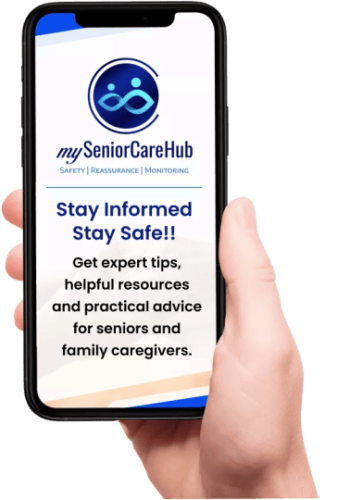
Stay connected to aging loved ones with a Senior Safety App that brings GPS tracking, SOS alerts, and daily check-ins together.
1. Your Aging Parent Goes Out Alone and Takes Longer Than Expected
Many older adults continue shopping, walking, visiting friends, and attending appointments independently. Maintaining this freedom is an important part of aging in place.
But imagine your parent normally returns from a morning walk by 10 a.m. It is now 11 a.m., and they are not answering their phone.
Without additional information, you may not know whether they simply stopped somewhere or need assistance.
A senior safety app with GPS tracking can allow authorized family members to check their loved one’s location when there is a genuine concern. Location history can also provide useful context about recent movement.
This is especially valuable for long-distance caregivers who cannot simply drive around the neighborhood looking for a parent.
The goal is not continuous tracking. It is having location information available when it is actually needed.
2. A Senior Needs Help but Cannot Make a Normal Phone Call
During an urgent situation, calling a family member may not always be practical.
A senior could become frightened, disoriented, or simply find navigating contacts and dialing a number difficult under stress.
This is where an SOS alert can provide another communication option.
With an easy-to-access emergency feature, a senior can quickly signal that assistance may be needed. Depending on the app, designated caregivers can receive an alert and relevant location information to help them understand where their loved one is.
When comparing senior safety solutions, families should look beyond whether an SOS button exists. They should understand who receives the alert, what information is provided, and what happens next.
A clear emergency workflow is more valuable than simply having another button on a screen.
3. Your Parent Does Not Complete Their Normal Daily Check-In
For seniors living alone, families often develop informal routines.
Maybe Mom texts every morning after breakfast. Perhaps Dad calls every evening. These routines provide reassurance until one day the expected message does not arrive.
A daily safety check-in can make this process more structured.
A missed check-in does not automatically mean an emergency. The senior may simply be busy or have forgotten.
Its value is that an unexpected change in routine becomes noticeable sooner rather than remaining unnoticed for hours.
4. An Aging Parent Leaves or Enters an Important Location
Repeatedly asking, “Did you get home?” can become frustrating for both seniors and caregivers.
Geofencing alerts offer a less intrusive alternative.
Families can create predefined zones around relevant locations, such as home or another regularly visited place. Depending on the app’s capabilities, authorized caregivers can receive notifications when their loved one enters or leaves those areas.
For example, an adult child may receive confirmation that a parent has returned home after an outing without needing to interrupt them with another phone call.
Used thoughtfully, a family safety solution can provide useful awareness while allowing older adults to continue managing their own routines.
Privacy should remain part of the conversation. Seniors should understand which location features are enabled and who can see their information.
5. Several Family Members Share Responsibility for Senior Care
Emergencies can become more complicated when nobody knows who is responsible for responding.
One sibling may assume another has checked on Mom. A spouse may receive important information that an adult child never sees. Updates can become scattered across phone calls and group messages.
A connected caregiver app for seniors can help bring relevant safety information into one place.
When trusted caregivers have appropriate access, families can coordinate responses more effectively and reduce communication gaps.
This becomes particularly useful when siblings live in different cities or caregiving responsibilities are shared among several people.
Technology cannot make caregiving decisions for a family, but it can give everyone a clearer way to stay connected.
What Should You Look for When Choosing a Senior Safety App?
Not every safety app provides the same level of support.
Before choosing one, consider whether it offers the capabilities that match your parent’s actual routine. Useful features may include:
Key capabilities include:
- Real-time GPS location sharing
- Emergency SOS alerts
- Daily wellness check-ins
- Geofencing notifications
- Location history
- Multiple caregiver connections
- Simple, senior-friendly navigation
- Clear privacy and sharing controls
Avoid choosing solely based on the number of features. A complicated app that your parent does not feel comfortable using provides little practical value.
How mySeniorCareHub Brings Everyday Senior Safety Together
mySeniorCareHub senior safety app is designed around the everyday situations families encounter while supporting aging loved ones.
Instead of relying on separate solutions for different needs, mySeniorCareHub brings together capabilities such as real-time location tracking, geofencing, daily check-in, SOS alerts, location history, medication reminders, and caregiver connectivity within a connected senior care platform.
This makes it particularly relevant for families looking for more than a basic location-sharing tool.
For seniors, the objective is to continue everyday activities with greater independence. For caregivers, it provides additional ways to stay informed and recognize situations that may require attention.
MORE INDEPENDENCE FOR THEM. MORE REASSURANCE FOR YOU.
Frequently Asked Questions (FAQs)
-
The best Senior Safety App should combine easy-to-use features such as GPS location sharing, SOS alerts, daily check-ins, geofencing, and caregiver notifications while respecting the senior’s independence and privacy.
-
A senior safety app can provide tools such as SOS alerts and location sharing that help caregivers know when and where assistance may be needed. Features vary by app, so families should review the emergency response process before choosing one.
-
Yes, many senior safety solutions provide real-time GPS tracking, location history, and geofencing for authorized caregivers. Location sharing should always be configured with appropriate privacy controls and the senior’s involvement.
-
Prioritize SOS alerts, real-time location sharing, daily wellness check-ins, geofencing, caregiver connectivity, location history, privacy controls, and simple navigation for older adults.