Meena, a cheerful grandmother in her 70s, always looked forward to her evening walks in the park. It was her time to chat with friends and enjoy the fresh air. But lately, she’d been skipping them. It wasn’t for a lack of desire; she was quietly struggling with bladder control issues, having a constant need to rush to the restroom.
To cope, Meena started drinking less water, hoping it would stop the leaks. Instead, she ended up feeling tired, dizzy, and unwell. Like Meena, many seniors face bladder control issues that can lead to social isolation. However, with the right combination of lifestyle changes, exercises, and helpful tools, managing this condition is entirely possible.
Why Do Bladder Control Issues Happen?
As we age, our bodies undergo natural changes that affect urinary health. Understanding the “why” is the first step toward finding a solution:
Muscle Weakness: The pelvic floor muscles that support the bladder naturally weaken over time.
Hormonal Shifts: In women, the drop in estrogen after menopause can reduce bladder strength.
Prostate Health: In men, an enlarged prostate can put pressure on the urethra, causing frequent urges.
Medical Conditions: Diabetes, nerve damage, or obesity can interfere with the signals between your brain and bladder.
Hydration Myth: Why You Should Not Drink Less Water
It seems logical: less water equals fewer trips to the bathroom. However, this is a dangerous misconception.
When you are dehydrated, your urine becomes highly concentrated. This concentrated urine irritates the bladder lining, actually making the urge to go more frequent and painful. Furthermore, low water intake leads to constipation, which puts extra pressure on the bladder.
Smart Hydration Tips:
Sip, Don’t Gulp: Drink small amounts throughout the day rather than a full glass at once.
Sunset Rule: Reduce fluid intake 2–3 hours before bedtime to minimize middle-of-the-night trips.
Identify Irritants: Limit caffeine (coffee/tea), alcohol, and spicy foods, as these are known bladder irritants.
Natural Home Remedies
While not a replacement for medical advice, these traditional remedies can support bladder health and subdue control issues:
Cumin Water: Known to reduce bladder irritation and aid digestion.
Pumpkin Seeds: Rich in omega-3 fatty acids, which support urinary tract strength.
Bottle Gourd Juice: A cooling, hydrating drink that calms the bladder.
Probiotic-Rich Foods: Yogurt and curd help maintain healthy bacteria, reducing the risk of infections.
Note: Always consult your doctor before starting new herbal remedies, especially if you are on medication for blood pressure or diabetes.
Strengthening Exercises for Bladder Control
Consistency is key. These exercises can show results within a few weeks by strengthening the “support system” of your bladder.
Exercises
How it Helps
Follow these Instructions
Kegels
Strengthens the pelvic floor
Squeeze the muscles used to stop urine flow. Hold for 5 seconds, relax for 5. Repeat 10 times.
Sit-to-Stand
Improves core stability
Sit in a chair and stand up without using your hands. Repeat 10–12 times.
Bridge
Supports pelvic organs
Lie on your back with knees bent. Lift your hips toward the ceiling. Hold and lower.
Managing Adult Diapers with Confidence
Protective products like adult diapers allow seniors to stay active without fear. To avoid skin irritation or rashes, follow these steps:
Prioritize Fit: Ensure the size is correct to prevent friction and leaks.
Use a Barrier: Apply petroleum jelly or zinc oxide cream to protect the skin from moisture.
Change Promptly: Never stay in a soiled diaper; change as soon as possible to keep the skin dry.
Breathable Fabrics: Choose cotton underwear over diapers when at home to allow the skin to breathe.
Preventing UTIs: Small Habits, Big Impact
Meena’s habit of skipping water eventually led to a burning sensation- a classic sign of a Urinary Tract Infection (UTI). Seniors are more susceptible to UTIs, but they are preventable:
Flush it Out: Drinking enough water is the best way to flush bacteria out of the system.
Proper Hygiene: Always wipe from front to back to prevent the spread of bacteria.
Timed Voiding: Don’t wait for the “urge.” Try going to the bathroom on a schedule (e.g., every 2 hours).
When to See a Doctor
If you experience a fever, blood in the urine, or sudden, intense pain, seek medical attention immediately, as these could be signs of a more serious infection.
Total Peace of Mind with mySeniorCareHub
Managing bladder control issues is more than just hydration; it’s about overall wellness and safety. Our Water Reminders encourage steady, bladder-friendly hydration, while Vital Monitoring tracks key factors like blood sugar and pressure.
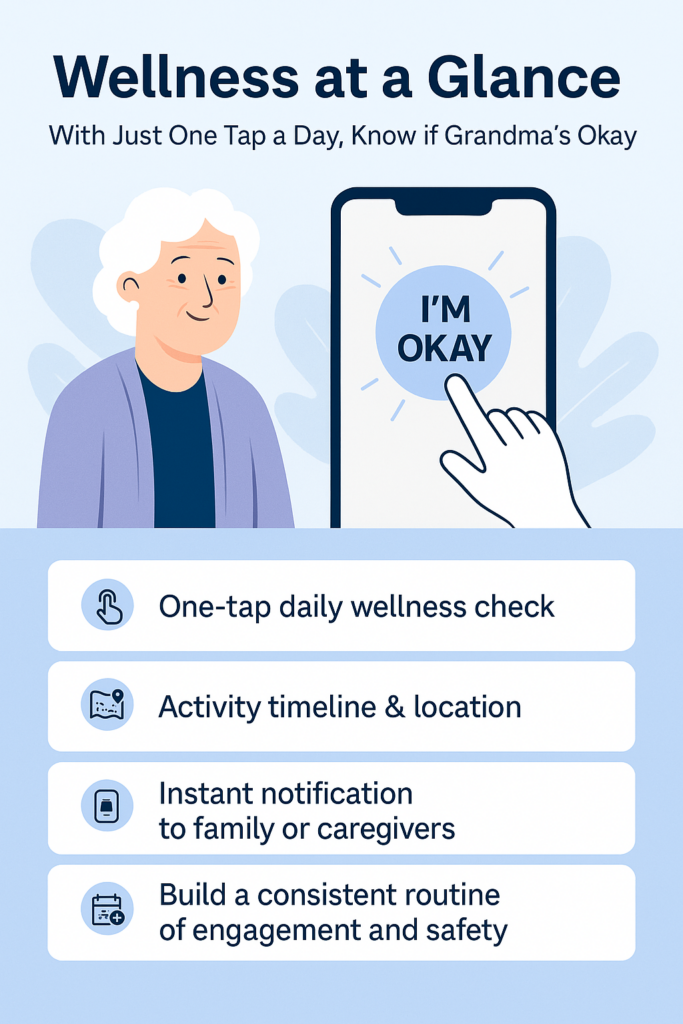
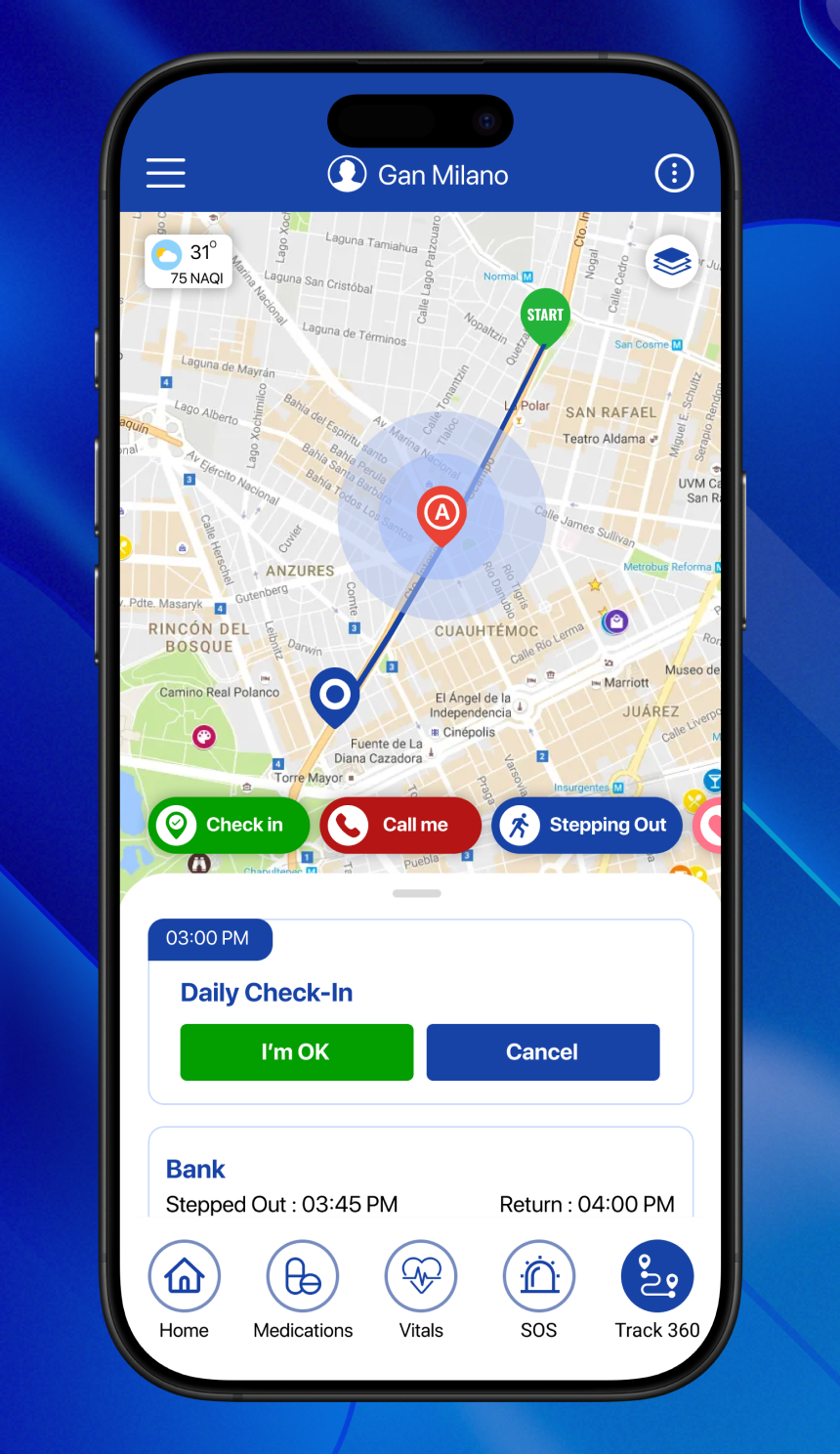
For added security, the Daily Safety Check-In keeps family updated, while our 24/7 SOS feature provides instant access to emergency dispatch in the event of a crisis
Don’t let bladder concerns keep you indoors. With the right habits and the support of mySeniorCareHub, you can get back to the activities you love.
An All-In-One Solution To Keep Seniors Healthy & Caregiver Families Connected
When Digestion Becomes a Daily Struggle – Bloating and Constipation
At 72, Mrs. Smriti Singh began her morning in the kitchen, preparing her favorite breakfast. The warm scent of herbal tea filled the air, mixing with the aroma of whole-grain toast. But, beneath her cheerful smile, Smriti was troubled by something she had been experiencing for months: uncomfortable bloating and gas that seemed to follow her after every meal.
Many seniors experience similar digestive problems, so this is not just Mrs. Smriti’s story. The digestive system, which once functioned smoothly, can become unpredictable and inefficient. Minor lifestyle changes can help with problems such as bloating, flatulence, and constipation. Let’s discuss ways to enhance your digestive comfort and lead healthier lives!
Knowing About Gut Health in Elderly People
As we age, our digestive systems undergo various changes, such as modifications in the biome of gut bacteria and acid production. Think of your gut as a busy factory that helps break down food, absorb nutrients, and keep your immune system strong. When we’re young, this factory runs smoothly, with all its machines working perfectly. As we age, however, some of those machines may slow down.
This can lead to problems like constipation, bloating, and discomfort, similar to a factory that is having trouble keeping up with demand.
Common Digestive Concerns in Seniors – Bloating and Constipation
Our digestive systems may experience some difficulties as we get older. This is a helpful guide to some common digestive problems that many older people encounter and some easy ways to deal with them.
Common Digestive Concerns in Seniors
Our digestive systems may experience some difficulties as we get older. This is a helpful guide to some common digestive problems that many older people encounter and some easy ways to deal with them.
Digestive Concern
What It Is
Why It Happens
How to Help
Constipation
Difficulty passing stools, leading to bloating and discomfort.
Lack of fibre and water slows digestion, like a factory getting backed up.
Eat more fibre (fruits, veggies, whole grains). Stay hydrated. Engage in regular physical activity.
Acid Reflux & GERD
Stomach acid flows back into the oesophagus, causing heartburn and discomfort.
Overeating or consuming trigger foods leads to acid overflow, like a factory spilling over.
Stomach feels swollen or full due to excess gas, causing pressure and pain.
Certain foods (beans, carbonated drinks) and some medications produce extra gas.
Eat slowly to reduce swallowed air. Limit fizzy drinks. Track and avoid problem foods.
Understanding these common digestive concerns and how to manage them can help seniors take proactive steps to keep their “factory” running smoothly. By making a few changes, you can keep your stomach happy and enjoy your meals!
Common Culprits
Many drugs can contribute to digestive discomfort, bloating, and gas. Here are a few common culprits:
Pain Relievers: Opioid pain relievers can slow down the digestive system, leading to constipation and bloating. Nonsteroidal anti-inflammatory drugs (NSAIDs) like ibuprofen can irritate the stomach lining, causing discomfort and gas.
Antibiotics: While antibiotics are crucial for fighting infections, they can disrupt the balance of gut bacteria, leading to diarrhea, bloating, and gas.
Diabetes Medications: Some diabetes medications, like metformin, can cause digestive issues such as nausea, diarrhea, and gas, especially when first starting the medication.
Iron supplements: Frequently used to treat anemia, but they can cause constipation, stomach cramps, and bloating.
What You Can Doto Avoid Bloating and Constipation
If your medications are causing digestive issues, track your symptoms and discuss them with your doctor. They may adjust your dosage, switch medications, or suggest ways to manage side effects. Never stop a medication abruptly without medical advice. Discomfort can occasionally be reduced by simply changing the timing, such as taking it with food. Always follow your doctor’s guidance for safe use.
Remember, open communication with your healthcare team is key to managing the impact of medications on your digestion. By working together, you can find solutions to minimize discomfort and maintain your overall well-being.
Why to Avoid Taking Too Many PPIs (Proton Pump Inhibitors)
Proton pump inhibitors (PPIs) are common meds that cut down stomach acid, relieving heartburn and ulcers. But using them too much, for too long, can cause problems.
Imagine a pump in your stomach that produces acid that helps in food digestion. PPIs block this pump, so less acid is released. Although this relieves the symptoms of acid reflux, stomach acid is necessary for food digestion and nutrient absorption.
Risks of Long-Term PPI Use
Long-term PPI use can reduce stomach acid, leading to poor nutrient absorption (B12, calcium, iron), which may cause fatigue, nerve issues, and weaker bones. It also increases infection risk (e.g., C. diff) and has been linked to kidney disease and a higher chance of fractures due to reduced calcium absorption.
Are you concerned about the risks associated with PPI? Talk to your doctor about alternatives. Simple lifestyle changes—like avoiding trigger foods, eating smaller meals, and staying upright after eating—can help. Over-the-counter antacids provide quick relief, but they’re not a long-term fix.
Your Digestive Wellness Checklist
Struggling with bloating or constipation? Try these simple, effective changes for a healthier gut!
Fill Your Plate with Fiber
Add whole grains, fruits, and vegetables to prevent constipation.
Include gut-friendly foods like yogurt, kefir, prebiotics, and probiotics.
Cut back on processed foods, excess sugar, and fried items that slow digestion.
Stay Hydrated
Drink at least 8 cups of water daily to keep digestion smooth.
Sip on herbal teas like ginger or peppermint to ease bloating.
Reduce carbonated and caffeinated drinks that may irritate your stomach.
Get Moving
Take a short walk after meals to aid digestion.
Try gentle exercises like yoga or stretching to keep your gut active.
Aim for at least 30 minutes of physical activity most days of the week.
Stress Less, Digest Better
Practice deep breathing or meditation to keep stress from affecting digestion.
Eat slowly, chew thoroughly, and avoid distractions during meals.
Stick to a regular eating and sleeping schedule for a well-balanced gut.
Check-in with Your Doctor
Get routine check-ups to monitor gut health and detect any concerns early.
If using medications like PPIs, discuss their long-term effects with your doctor.
Stay aware of ongoing digestive discomfort and seek medical advice if needed.
Small Changes, Big Results! Making these small adjustments can help you feel lighter, more energetic, and free from digestive discomfort. Start today—your gut will thank you!
Managing digestive health can be overwhelming, especially for seniors juggling multiple medications and dietary needs. mySeniorCareHub makes it easier by providing personalized health tracking, medication reminders, and dietary guidance all in one easy-to-use platform. From monitoring digestive symptoms to ensuring timely hydration reminders, our app supports seniors in making healthier lifestyle choices. With mySeniorCareHub, caregivers and family members can stay informed and provide better support, ensuring a happier, healthier life for their loved ones!
Mixing Meds? Think Twice ! – Top 15 Dangerous Medication Combinations Everyone Should Know
Have you ever taken a common painkiller along with your daily blood pressure medication, assuming it’s safe? Many seniors unknowingly take medicines for multiple health conditions, leading to dangerous side effects like excessive bleeding, sudden drops in blood pressure, or even organ damage. Since seniors often take multiple prescriptions for chronic conditions, the risk of harmful drug interactions is much higher.
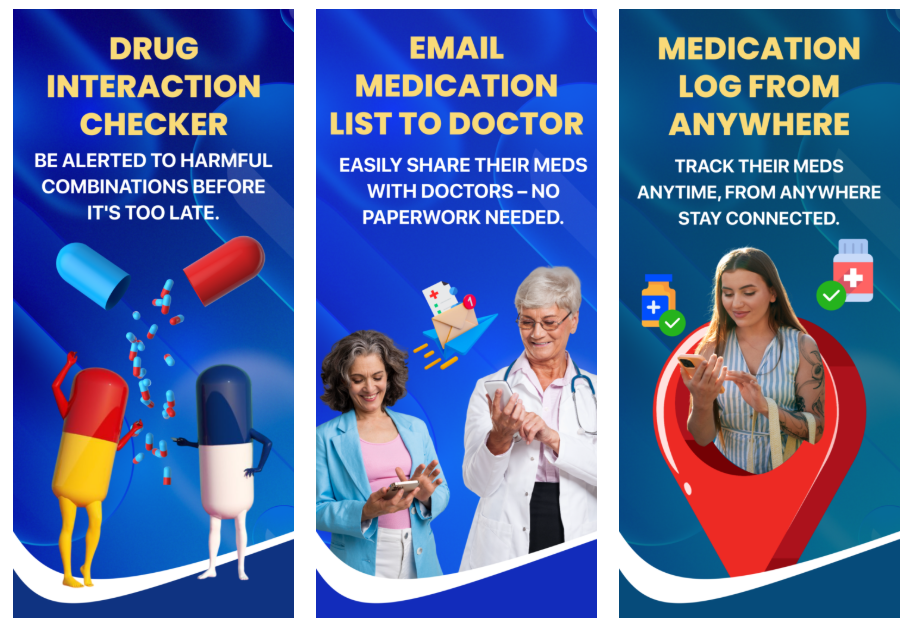
It is crucial to comprehend these interactions when taking multiple medications to prevent any potentially fatal complications. That’s why we’re breaking down the top 15 drug combinations seniors should never take together. Plus, we’ll introduce a simple tool—mySeniorCareHub’s Drug Interaction Checker—to help you or your caregiver instantly check for unsafe medication pairings.
Let’s dive in and ensure your medications work for you, not against you.
The liver and kidneys are the primary organs that help break down and eliminate drugs. This function slows down with age. This means medications can stay in the body longer, increasing the risk of side effects and interactions.
On top of that, seniors often take multiple medications for chronic conditions like high blood pressure, diabetes, or arthritis. While each drug may be safe on its own, certain combinations can lead to dangerous reactions, ranging from dizziness and falls to life-threatening complications like internal bleeding or heart problems.
Ready to find out which drug combos should never be mixed? Let’s get started!
1. Blood Thinners + NSAIDs: A Hidden Bleeding Risk
78-year-old Mr. Sharma had been taking warfarin for his heart condition. One evening, after a long walk, his knees started aching, so he took ibuprofen for relief. A week later, he noticed large bruises on his arms and gums bleeding while brushing his teeth. When he visited the doctor, he was shocked to learn that ibuprofen can dangerously increase the risk of internal bleeding when combined with blood thinners.
Lesson: Always check with your doctor before taking painkillers if you’re on a blood thinner. Acetaminophen (paracetamol) may be a safer option.
2. Statins + Grapefruit Juice: A Risky Sip
Mrs. Verma, 72, believed in starting her day with a fresh glass of grapefruit juice, thinking it was good for her health. She was also on atorvastatin to lower cholesterol. After a few weeks, she started feeling unusual muscle pain and weakness. A routine check-up revealed high statin levels in her blood, which could lead to serious muscle damage. Her doctor explained that grapefruit juice blocks the liver from breaking down statins, making the drug accumulate in the body.
Lesson: Avoid grapefruit juice while on statins. Opt for orange juice or water instead.
3. Opioid Painkillers + Sleeping Pills: A Dangerous Night
Mr. Nair, 80, had been struggling with chronic back pain and was prescribed oxycodone. At the same time, he had trouble sleeping, so he took a sleeping pill without informing his doctor. His son discovered him incredibly sleepy and unable to respond the following morning. A visit to the ER confirmed that combining opioids with sleeping pills can dangerously slow down breathing, potentially leading to overdose.
Lesson: Never mix opioid painkillers with sleeping pills or anti-anxiety medications without medical supervision.
Great! Here’s the continuation of the Top 15 Dangerous Drug Combinations in the real-life case scenario format:
4. Diabetes Medication (Metformin) + Contrast Dyes: A Kidney Scare
Mr. Mehta, 75, had been managing his diabetes with metformin for years. When he needed a CT scan with contrast dye, his doctor warned him to temporarily stop taking metformin. Curious, he asked why. The doctor explained that contrast dye could strain the kidneys, and when combined with metformin, it might lead to a rare but serious condition called lactic acidosis, which could cause severe kidney damage.
Lesson: If you’re taking metformin, always inform your doctor before undergoing any imaging tests that use contrast dye.
5. Antidepressants (SSRIs) + Painkillers (NSAIDs): A Hidden Bleeding Threat
Mrs. Reddy, 68, was prescribed an SSRI (sertraline) for depression. One day, she had a severe headache and took ibuprofen. A few days later, she noticed blood in her stools and felt dizzy. Her doctor explained that SSRIs already thin the blood slightly, and when combined with NSAIDs, the risk of stomach bleeding increases significantly.
Lesson: If you take antidepressants, be cautious with NSAIDs. Use acetaminophen (paracetamol) as a safer alternative.
Mr. Das, 70, was prescribed propranolol for high blood pressure. He also had mild asthma and used an albuterol inhaler occasionally. One evening, after taking his beta blocker, he had trouble breathing and wheezing that wouldn’t stop. His doctor later explained that beta blockers can reduce the effectiveness of asthma inhalers, making breathing issues worse.
Lesson: If you have both heart issues and asthma, consult your doctor for alternative medications that won’t interfere with breathing.
Mrs. Khanna, 74, was on lisinopril for high blood pressure. Worried about muscle cramps, she started taking potassium supplements. A few weeks later, she felt extreme fatigue, nausea, and an irregular heartbeat. A blood test revealed dangerously high potassium levels, which could lead to cardiac arrest.
Lesson: If you take ACE inhibitors or ARBs, avoid potassium supplements unless prescribed by your doctor.
8. Warfarin + Green Leafy Vegetables: An Unexpected Complication
Mr. Roy, 79, was prescribed warfarin to prevent blood clots. Eager to eat healthily, he increased his intake of spinach, kale, and broccoli. A routine check-up showed that his blood was clotting faster than expected, putting him at risk of a stroke. His doctor explained that green leafy vegetables are rich in vitamin K, which counteracts the effects of warfarin.
Lesson: If you’re on warfarin, avoid sudden high intake of green vegetables.
9. Digoxin + Diuretics: A Heart at Risk
Mrs. Kapoor, 76, was taking digoxin for heart failure and a diuretic for swelling in her legs. One day, she felt dizzy and nauseous, with an irregular heartbeat. At the hospital, doctors found that the diuretic had lowered her potassium levels, making digoxin toxic in her body.
Lesson: If you’re taking digoxin and a diuretic, regular blood tests are crucial to monitor potassium levels.
10. MAOIs + Aged Foods: A Dangerous Blood Pressure Surge
Mr. Ahuja, 71, was prescribed an MAOI (monoamine oxidase inhibitor) for depression. At a family dinner, he enjoyed aged cheese and red wine. Within minutes, he felt his heart pounding, his head throbbing, and his blood pressure spiked dangerously high. His doctor later told him that MAOIs interact with tyramine-rich foods, causing severe hypertension.
Lesson: If you take MAOIs, avoid aged cheese, cured meats, fermented foods, and red wine.
11. Antibiotics (Macrolides) + Heart Medications: A Fatal Combination
Mrs. Sen, 73, was given clarithromycin for a respiratory infection while already taking amiodarone for her heart condition. Within days, she experienced severe palpitations and nearly fainted. The combination of these medications had dangerously prolonged her heart’s electrical activity, increasing the risk of sudden cardiac arrest.
Lesson: Always inform your doctor about heart medications before taking antibiotics.
12. Antihistamines + Sleeping Pills: A Recipe for Falls
Mr. Joshi, 80, had allergies and took diphenhydramine (an antihistamine) regularly. One night, he took a sleeping pill to help with insomnia. He woke up the following morning feeling very sleepy and tripped on his way to the restroom, breaking his hip.
Lesson: Avoid combining sedating antihistamines with sleeping pills, as they can cause excessive drowsiness and increase fall risk.
13. Thyroid Medication + Calcium Supplements: A Medication Blocker
Mrs. Pandey, 69, was on levothyroxine for hypothyroidism. She also took a calcium supplement in the morning. Despite taking her thyroid medication daily, her symptoms weren’t improving. Her doctor explained that calcium interferes with thyroid hormone absorption.
Lesson: If you take thyroid medication, wait at least 4 hours before consuming calcium supplements.
14. Diabetes Medication (Sulfonylureas) + Antibiotics: A Sugar Crash
Mr. Rao, 74, was taking glibenclamide for diabetes when he developed an infection and was prescribed an antibiotic. A few days later, he felt shaky, dizzy, and confused—classic signs of dangerously low blood sugar. His doctor confirmed that certain antibiotics enhance the effect of sulfonylureas, leading to hypoglycaemia.
Lesson: If you’re on diabetes medications, monitor blood sugar closely when starting antibiotics.
15. Herbal Supplements + Prescription Medications: A Risky Mix
Mrs. Desai, 77, believed in natural remedies and took St. John’s Wort for mood enhancement while on her prescribed medications. She was unaware that St. John’s Wort can interfere with various medications, including antidepressants, blood thinners, and heart medications, making them either too strong or too weak.
Lesson: Always check with your doctor before taking herbal supplements, as they can interact with prescription drugs.
Managing multiple medications is a reality for many seniors, but being aware of potential drug interactions can prevent life-threatening complications. Here’s how you can take control:
Always Inform Your Doctor— Share a complete list of all medications, including prescriptions, over-the-counter drugs, and supplements.
Follow Prescription Guidelines Carefully—Take medications exactly as directed and never adjust dosages without consulting a doctor.
Watch for warning signs—symptoms like dizziness, confusion, unusual bruising, or difficulty breathing may indicate a drug interaction. Seek medical help if you experience these.
Schedule Regular Medication Reviews—Have your doctor or pharmacist review your prescriptions periodically to ensure they remain appropriate.
Final Thought: Prioritize Your Health
With the best knowledge and tools, seniors can significantly reduce the risks associated with harmful drug combinations. Stay informed, stay proactive, and use MySeniorCareHub’s Drug Interaction Checker to make safer health decisions. Your well-being is in your hands!
Metabolism is the biological engine that converts food and oxygen into the energy your body needs to function. It powers everything from your heartbeat to cell repair. However, as we age, this engine often begins to idle.
While a slowing metabolism is a natural part of aging, it isn’t inevitable. By understanding the biological shifts like sarcopenia (muscle loss) and hormonal changes, you can take proactive steps to reclaim your energy and maintain a healthy weight.
Why Does Metabolism Slow Down With Age?
Understanding the “why” is the first step toward a solution. Here are the primary metabolic hurdles for seniors:
Muscle Loss (Sarcopenia): Muscle tissue is metabolically active, meaning it burns calories even when you are sleeping. After age 30, we can lose 3% to 8% of muscle mass per decade.
Hormonal Shifts: Changes in thyroid function, insulin sensitivity, and increased cortisol (stress hormone) can signal the body to store fat rather than burn it.
Lifestyle Factors: Dehydration, poor sleep quality, and the side effects of common medications (like beta-blockers or steroids) can inadvertently put the brakes on your metabolic rate.
At a Glance: Lifestyle Habits vs. Metabolic Impact
Habits
Impact on Metabolism
Why It Works
Strength Training
High Boost
Muscle burns more calories at rest than fat tissue.
Protein Intake
High Boost
Has a higher “thermic effect,” requiring more energy to digest.
Hydration
Moderate Boost
Water is required for lipolysis (the process of burning fat).
Consistent Sleep
Moderate Boost
Regulates ghrelin and leptin, the “hunger hormones.”
Spicing Foods
Low/Temporary
Ingredients like ginger and pepper slightly raise body temp.
5 Science-Backed Ways to Boost Your Metabolism
1. Prioritize Protein and “Thermic” Foods
Every time you eat, your metabolism increases for a few hours. This is called the Thermic Effect of Food (TEF). Protein causes the largest rise in TEF, increasing your metabolic rate by 15–30%, compared to just 0–3% for fats.
Try: Adding lentils, Greek yogurt, or lean poultry to every meal.
You don’t need to run marathons. NEAT refers to the energy expended for everything we do that is not sleeping, eating, or sports-like exercise.
Try: Gardening, folding laundry, or standing while talking on the phone. These small movements keep the metabolic engine humming.
3. Hydrate for Cellular Efficiency
Dehydration can cause your metabolism to stall. A study published in the Journal of Clinical Endocrinology and Metabolism found that drinking 500ml of water increased metabolic rate by 30% for about an hour.
Try: Keeping a reusable water bottle nearby and opting for green tea, which contains catechins that may promote fat oxidation.
4. Optimize Your Sleep Hygiene
Sleep deprivation can lead to insulin resistance and increased hunger. When you are tired, your body craves quick energy (sugar), and your ability to burn calories efficiently drops.
Try: Keeping a consistent “lights out” time to stabilize your circadian rhythm.
5. Manage Stress to Lower Cortisol
Chronic stress keeps cortisol levels high. High cortisol tells your body to “protect” its fat stores, particularly around the abdomen.
Try: Deep breathing exercises or social engagement. Staying socially active lowers stress and indirectly supports metabolic health.
Expert Sources & Further Reading
To ensure you are getting the most accurate information, we recommend exploring these resources:
Managing metabolism is easier when you aren’t doing it alone. mySeniorCareHub is designed specifically to bridge the gap between medical advice and daily action.
Hydration & Medication Reminders: Never miss a glass of water or a dose that affects your energy.
Activity Tracking: Monitor your daily movement and set achievable goals for “NEAT” activities.
Vital Monitoring: Keep an eye on the metrics that matter, ensuring your lifestyle changes are yielding real results.
Explore mySeniorCareHub’s wellness tools today and start your journey toward a more vibrant, active lifestyle.
Imagine this: Your once lively, storytelling grandmother now spends most of her day staring out of the window. She insists she’s just “tired,” but deep down, you sense something is wrong. Is it just old age, or is she silently battling something deeper?
Seniors suffering from depression are frequently confused with “normal aging.” Seniors may be more reluctant to discuss their feelings or even acknowledge that they are depressed than younger adults. Rather, their difficulties manifest in more subdued ways, such as withdrawal from discussions, diminished interest in pastimes, inexplicable pains, or changes in appetite.
Because of this, many seniors suffer in silence, believing their sadness is an unavoidable part of growing old. The reality is that depression is not a typical aspect of growing older. It is a medical condition that can be treated, and it should be.
This article explains how to identify the subtle symptoms, offer emotional support, and look into medical options to help seniors deal with depression in a dignified and caring manner.
Doctor’s Perspective: Why Depression in Seniors Often Goes Unnoticed – Medical and Emotional Care
Senior depression is because of a neurochemical imbalance in the brain. Unlike younger adults, who usually experience depressive symptoms like sadness or hopelessness, older adults frequently have somatic symptoms like:
Chronic fatigue that doesn’t improve with rest
Unexplained pain, persistent headaches, joint pain, or gastrointestinal discomfort
Sleep disturbances, insomnia, or excessive sleep
Changes in appetite leading to malnutrition or weight gain
Cognitive impairment means difficulty concentrating, memory lapses, or slowed thinking
The Role of Neurochemicals – Medical and Emotional Care
Our brain produces chemicals called neurotransmitters, which play an important role in regulating our mood. Senior depression is frequently associated with neurotransmitter dysregulation, specifically:
Serotonin: Deficiency contributes to mood instability, sleep disturbances, and irritability.
Dopamine: Reduced levels affect motivation, pleasure, and energy levels, often leading to apathy.
Norepinephrine: Low levels result in fatigue, reduced alertness, and poor stress response.
Aging also diminishes the brain’s ability to adapt and recover from stress. Additionally, chronic inflammation and vascular changes in the brain are now recognized as key contributors to depression in older adults.
Medical Conditions That Mimic Depression
Senior depression is frequently confused with other illnesses, including:
Hypothyroidism: Low thyroid function can mimic depression by causing fatigue and cognitive slowing.
Vitamin B12 & D Deficiency: Common in elderly individuals, leading to mood disturbances and brain fog.
Cardiovascular Diseases: Because these conditions reduce blood flow to the brain, stroke, heart disease, and hypertension are closely associated with late-life depression.
Neurodegenerative Disorders: Alzheimer’s and Parkinson’s disease frequently present with depressive symptoms in their early stages.
Why Many Cases Go Untreated – Medical and Emotional Care
Depression in seniors is often overlooked because its symptoms, fatigue, memory issues, and appetite changes, are mistaken for normal aging.
Many seniors avoid discussing their emotions due to stigma or fear of medication dependence, while healthcare providers tend to focus more on physical health. As a result, depression remains undiagnosed and untreated, impacting overall well-being.
Diagnosing Depression in Seniors
Identifying depression in seniors requires a comprehensive medical evaluation, as symptoms often overlap with other age-related conditions. Physicians use standardized screening tools like the Geriatric Depression Scale (GDS) or Patient Health Questionnaire-9 to assess mood, energy levels, and cognitive function.
Blood tests may be conducted to rule out underlying causes such as thyroid dysfunction, vitamin deficiencies, or chronic inflammation, which can mimic depressive symptoms. Additionally, brain imaging (MRI or CT scans) may be recommended if cognitive decline or neurodegenerative disorders are suspected.
A thorough medical history, including medication review, is also crucial since certain drugs like beta-blockers, corticosteroids, and sedatives can contribute to depressive symptoms. Early diagnosis ensures timely intervention, preventing further decline in mental and physical health.
How Can Depression in Seniors Be Treated?Medical and Emotional Care
Medical Support: A doctor may recommend treatments based on an individual’s health and symptoms. Options include medications, therapy, or brain stimulation techniques. Since older adults metabolize medications differently, doctors carefully adjust doses to ensure safety. Always consult a healthcare provider before starting any treatment.
Therapy & Emotional Support:
Cognitive-behavioural therapy (CBT) helps reframe negative thoughts. Counselling & support groups provide a safe space to share feelings. Family involvement is essential; open conversations reduce stigma and encourage people to seek help.
Lifestyle Changes for Mental Wellness:
Daily sunlight & movement: A simple walk outside can boost mood. Brain-healthy foods: A balanced diet with omega-3s and antioxidants supports mental well-being. Hobbies & Social Interaction: Engaging in activities like music, gardening, or community groups fosters joy and connection.
Bridging the Gap: The Role of Caregivers in Mental Well-Being
When seniors stop participating in conversations, skip meals, or lose interest in once-loved activities, caregivers and family members are frequently the first to notice subtle changes in their behaviour. However, being aware of these indicators is only the first step; what really helps is establishing a secure environment for candid discussion.
Instead of asking, “Are you feeling depressed?” which might feel overwhelming, gentler questions like, “I’ve noticed you haven’t been yourself lately.
Small, thoughtful gestures like organizing social outings, incorporating light exercise, or simply being present can have a significant impact on emotional well-being. Mental health care is extremely personal and goes beyond simple medical treatment.
Aging with Joy, Not in Silence
Growing older should be about embracing memories, cherishing relationships, and continuing to find joy not silently battling depression.
A simple conversation, a walk in the sun, or a check-in from a loved one can make a huge difference. When seniors are supported emotionally and medically, they don’t just survive… they thrive.
How mySeniorCareHub App Brings Senior Care Closer
Senior depression is largely caused by social isolation and loneliness, which are addressed by mySeniorCareHub: Track360. With easy-to-use communication tools, regular check-ins, and real-time monitoring, the app ensures that seniors remain connected with their caregivers and loved ones.
By fostering companionship and emotional engagement, mySeniorCareHub provides not just support but a sense of belonging and security for aging individuals. Because mental health is about feeling understood, supported, and seen, not just about getting treatment.
Mental Health Is About Feeling Understood, Supported & Seen, Not Just About Getting Treatments
Mr. Mehta, a 72-year-old retired teacher, has been managing multiple health conditions, including high blood pressure and arthritis. His daily routine includes a handful of pills, prescribed by different doctors. One evening, after taking a new painkiller for his arthritis, he started feeling dizzy and weak. His concerned daughter rushed him to the doctor, only to find out that his new medication had dangerously interacted with his blood pressure medicine.
Unfortunately, Mr. Mehta’s case is not unique. Many elderly individuals, like him, juggle multiple prescriptions, unknowingly facing the risk of harmful drug interactions. But what if there was a simple way to prevent such situations?
A drug interaction occurs when one medication affects the way another works, leading to reduced effectiveness, unexpected side effects, or even severe health complications.
These interactions can happen between two or more drugs (drug-drug interactions) or between drugs and food (drug-food interactions).
Why Are the Elderly More Vulnerable?
Elderly individuals are particularly at risk of drug interactions due to:
Polypharmacy: Many seniors take multiple medications for chronic conditions.
Slower Metabolism: With age, drug metabolism slows down, increasing the chances of interactions.
Lack of Awareness: Often, elderly patients are unaware of potential drug conflicts.
Multiple Healthcare Providers: Different doctors may prescribe medications without knowing what others have already recommended.
Without proper monitoring, these risks can lead to severe consequences such as hospitalizations, falls, cognitive decline, or even life-threatening conditions.
Common Myths About Drug Interactions
Many people underestimate the risks associated with drug interactions due to common misconceptions. Let’s debunk some of the most widespread myths:
1. “If my doctor prescribed it, it must be safe with everything else.”
Doctors focus on treating specific conditions, and while they consider potential interactions, they may not always have a complete list of every medication or supplement a patient takes. That’s why using an interaction-checking tool like mySeniorCareHub is crucial for an added layer of safety.
2. Over-the-counter (OTC) medications and supplements don’t cause interactions.
Many people believe that non-prescription drugs and herbal supplements are harmless, but they can significantly alter how prescription medications work. For example, St. John’s Wort can reduce the effectiveness of antidepressants and birth control, while ibuprofen can increase the risk of bleeding when taken with blood thinners.
3. Drug-food interactions aren’t serious.
While most people know about grapefruit juice affecting some medications, few realize the extent to which diet can impact drug absorption and effectiveness. For example, calcium-rich foods can interfere with some antibiotics, and alcohol can dangerously amplify the effects of sedatives or blood sugar-lowering medications.
4. If I don’t feel side effects, the combination must be safe.
Not all drug interactions cause immediate symptoms. Some interactions develop gradually, leading to decreased medication effectiveness or long-term health issues like kidney damage or high blood pressure. Checking interactions proactively can help prevent these hidden risks.
Consider a diabetic patient taking Metformin, unaware that consuming alcohol can lead to dangerous drops in blood sugar and lactic acidosis. Or an older woman taking a blood thinner, such as Warfarin, who frequently consumes leafy greens, which can decrease the medication’s effectiveness and raise the risk of a clot. Likewise, analgesics such as Ibuprofen can raise blood pressure and lessen the impact of hypertension drugs.
Even something as common as grapefruit juice can cause serious liver damage and muscle pain when taken with statins, which are medications used to control cholesterol. These are only a few instances of the unexpected and occasionally severe effects that regular prescription drugs and eating patterns can have. This emphasizes the need for a simple and dependable method to detect interactions before they cause harm.
mySeniorCareHub New Feature: Your Medication Safety Net
To address this growing concern, mySeniorCareHub has launched a powerful new tool that helps users check for harmful drug-drug and drug-food interactions instantly. With just a few taps, seniors and their caregivers can:
If Mr. Mehta’s daughter had access to this tool before giving him the painkiller, she would have:
Downloaded mySeniorCareHub and entered her father’s medications into the Drug Interaction checker.
Received an alert indicating that the new painkiller had a moderate interaction with his blood pressure medication.
Learned that this combination could cause dizziness and low blood pressure.
Consulted a physician for a safer alternative.
This simple step could have helped prevent a medical emergency, ensuring Mr. Mehta’s safety and well-being.
Empowering Seniors to Take Control of Their Health
By integrating this feature into our app, mySeniorCareHub ensures that elderly individuals and their caregivers have the knowledge they need to prevent dangerous drug interactions. Instead of uncertainty and emergencies, this will lead to peace of mind and safer medication management.
To stay safe and self-sufficient, Mr. Mehta now utilizes this tool before taking any new medications. Get mySeniorCareHub now to take charge of your medication safety and avoid waiting for an emergency!
Gift of 24/7 Protection for your Aging Parent’s is Now Available with a 30-Day Trial Offer!
Senior Care App – Artificial Intelligence (AI), Virtual monitoring, and safety solution
As the global population ages, the demand for effective and compassionate senior care solutions has never been greater. Fortunately, advancements in technology, particularly in Artificial Intelligence (AI), Virtual care monitoring, and senior safety solutions, are transforming the way we care for seniors.
Senior Care App – Virtual Care Monitoring
Enhance senior care with real-time virtual monitoring powered by advanced technology. Technology enables caregivers and family members to remotely track vital signs, daily activities, and emergency alerts, ensuring timely interventions when needed. MySeniorCareHub provides a seamless, proactive approach to senior care—offering peace of mind and independence for loved ones.
Managing medications correctly is essential for senior health, yet it can be challenging for both seniors and caregivers. Mobile App solution simplifies this process with a comprehensive medication management system.
Drug Interaction Checker – Leverage advanced technology for a second opinion on medication safety, identifying potential interactions and ensuring optimal health.
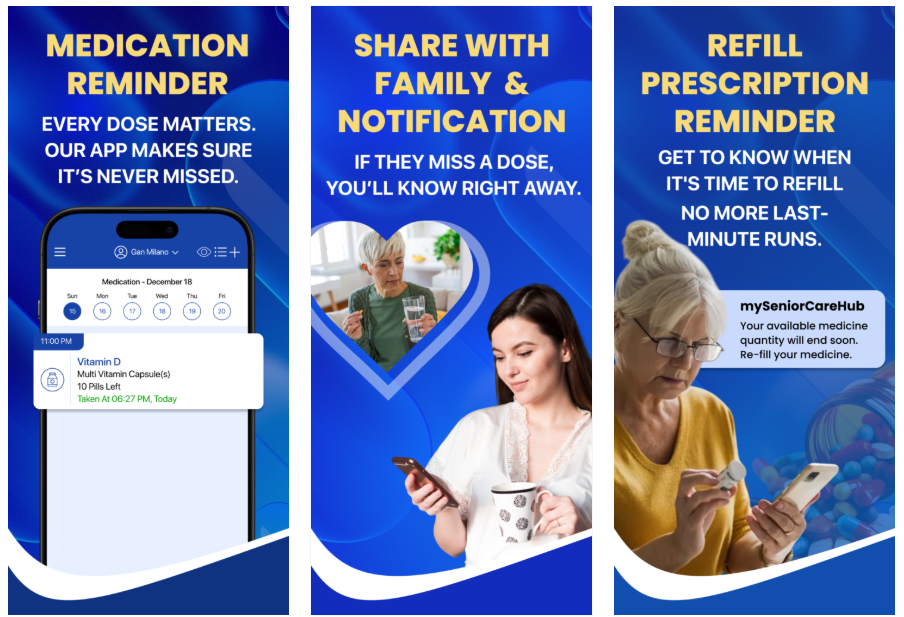
Medication Reminders: Seniors receive timely alerts for their medication doses, ensuring they never miss an important pill.
Refill Reminders: Never miss a dose with automated prescription refill alerts, ensuring timely medication management for better health and peace of mind.
Missed Medication Alert – Get instant notifications for missed doses, keeping caregivers informed and ensuring timely medication adherence.
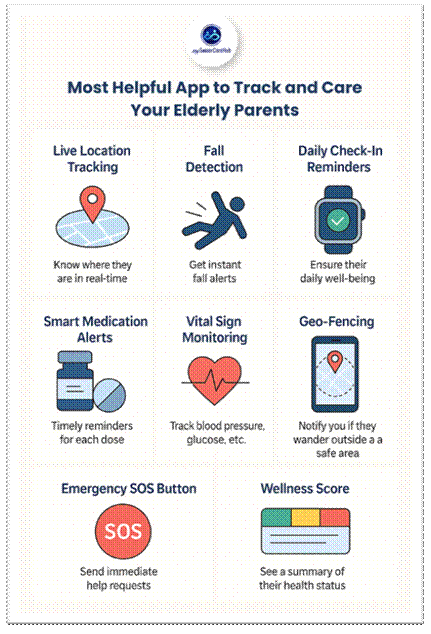
Vital Monitoring is a key aspect of virtual care, enabling continuous tracking of essential health metrics like blood pressure, blood sugar, heart rate, oxygen levels, and respiration.
Track key health metrics in real-time using smart devices like Apple and Google phones, seamlessly integrating with wearables to monitor heart rate, oxygen levels, activity, and more for proactive senior care instead of using legacy old devices. myseniorCareHub not only improves adherence to medication plans but also enhances overall health outcomes and peace of mind for seniors and their caregivers.
If a senior wanders outside a designated safe zone, caregivers receive immediate alert, allowing them to take swift action. This feature is particularly valuable for seniors who may be at risk of getting lost or disoriented. Additionally, the platform includes fall detection technology, which can automatically notify emergency contacts if a fall is detected.
Loneliness and social isolation are significant issues among seniors, with studies linking them to increased risks of depression, cognitive decline, and even physical health problems. Technology provides reassurance program for daily updates, allowing seniors to stay in touch with family and friends. It also offers access to virtual community groups and activities, helping seniors stay engaged and mentally stimulated.
Technology has the power to transform senior care, making it more accessible, personalized, and effective. Platforms like mySeniorCareHub are leading the charge by leveraging AI, virtual care monitoring, and real-time safety features to create a comprehensive ecosystem that supports seniors and their caregivers.
As we look to the future, it’s clear that innovative tools like mySeniorCareHub will play a pivotal role in enabling seniors to age in place with dignity, safety, and independence. For those of us passionate about senior care and technology, this is an exciting time to be part of the journey toward a more connected and compassionate healthcare ecosystem.
mySeniorCareHub is a cutting-edge platform designed to enhance senior care through virtual care monitoring, AI-driven insights, real-time safety features, and tools for social connection. To learn more, visit https://myseniorcarehub.com/.
Medication errors and adverse drug interactions account for nearly 1.3 million emergency room visits in the U.S. each year. To combat this growing health crisis, mySeniorCareHub, a leader in health technology, has officially launched its comprehensive Drug Information Checker.
This trusted digital resource provides clear, real-time, and easy-to-understand medication details for seniors and their families.. With nearly 90% of seniors taking at least one prescription medication, the need for a reliable drug information checker has never been higher.
Staying informed is the first line of defense in avoiding dangerous drug-to-drug interactions and ensuring strict medication adherence.
Why Use mySeniorCareHub Drug Information Checker?
Our platform goes beyond a simple list of names. It provides a holistic view of a patient’s pharmaceutical needs through several integrated features:
Comprehensive Drug Profiles: Access deep-dive data on medication uses, potential side effects, and vital precautions.
Advanced Drug Interaction Checker: Instantly analyze how different medications react with one another to prevent adverse events.
Integrated Symptom Checker: Cross-reference new physical symptoms with your current medication list to identify potential side effects early.
Real-Time FDA Updates: Our data is continuously updated to align with the latest medical research and FDA safety guidelines.
“Access to a reliable drug information checker should never be a challenge,” said Anish Desai, Founder of mySeniorCareHub. “Our goal is to eliminate confusion and provide users with the tools they need to manage medications safely and with total confidence.”
Empowering Caregivers and Seniors
The Drug Information Checker prioritizes ease of use for every user. We understand that caregivers and seniors need answers quickly, without wading through complex medical jargon.
By providing a user-friendly design, mySeniorCareHub ensures that life-saving information is accessible to everyone, regardless of technical expertise.
mySeniorCareHub is a pioneering force in healthcare technology.
We are dedicated to improving patient outcomes through innovative digital solutions that prioritize accessibility, accuracy, and ease of use. We are redefining the future of senior health management, one click at a time.
“A society that cares for its elderly is a society that values its future.”
Alzheimer’s disease impacts nearly 55 million peopleglobally, making it the foremost cause of dementia. According to the World HealthOrganization (WHO), one in three seniors dies with some form of dementia; however, many cases remain undiagnosed until symptoms become severe. Alzheimer’s is a neurodegenerativedisorder that progressively harms brain cells, particularly in areas responsible for memory, thinking, and language. While occasional forgetfulness is normal as people age, Alzheimer’s results in significant cognitive decline that disrupts daily life. Recognizing early signs and understanding the disease can lead to better management and care.
Understanding the Science Behind Alzheimer
Imagine the brain as a vast city, where neurons (nerve cells) are like roads, carrying messages that help us think, remember, and function. Small protein clusters called beta-amyloid plaques begin to block these pathways when Alzheimer’s disease develops, impairing brain cell-to-cell communication. At the same time, tau proteins, which normally help keep brain cells stable, start tangling up, causing more confusion in the system. Over time, these blockages lead to memory loss, difficulty recognizing loved ones, and trouble with simple daily tasks.
Although the exact cause of this disease is unknown, scientists believe that lifestyle, genetics, and age all play a part. Since the hippocampus is the part of the brain that stores new memories, the damage typically starts there, making forgetting recent events one of the first symptoms. As the disease progresses, other brain areas are affected, which makes it harder for the patient to talk, make choices, or even perform everyday activities.
Recognizing the Early Signs
Imagine waking up one day and feeling lost in a place you’ve known for years. The streets seem unfamiliar, conversations feel fragmented, and familiar faces begin to blur. This is the silent struggle many seniors with Alzheimer’s face.
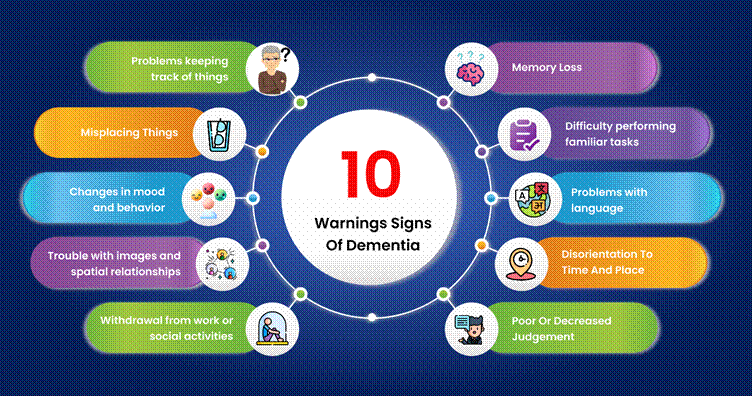
Initially, the changes are minor forgetting where they placed an item, repeating a story, or missing an appointment. But over time, these lapses become more pronounced:
Forgetting recent events but recalling the past vividly
Struggling with routine tasks, like following a recipe or paying bills
Getting lost in familiar places or feeling disoriented in time
Finding the right words becomes difficult, making conversations frustrating
Changes in mood—withdrawal, confusion, or sudden irritation
In addition to the patient experiencing these symptoms, their loved ones are often left in a state of helplessness.
Caring for a Loved One with Alzheimer’s
Aspect
Practical Tips
Creating a Safe & Familiar Space
Maintain a clutter-free environment, use labels, and keep a consistent daily routine.
Communicating with Patience
Speak slowly, use simple words, and reassure them if they struggle to respond.
Encouraging Independence
Let them do tasks at their own pace, even small ones, to boost confidence.
Engaging the Mind
Play music, solve puzzles, or reminisce using old photos to stimulate memory.
Seeking Medical & Emotional Support
Consult doctors for medications and therapies and consider caregiver support groups.
Remember: Alzheimer’s may take away memories but love and kindness can still create moments of joy.
The Role of Medications and Treatmentsin Alzheimer
While Alzheimer’s has no cure, medications can help manage symptoms and, in some cases, slow the disease’s progression. In moderate to severe cases, memantine protects brain cells, while symptom-management drugs like donepezil, rivastigmine, and galantamine increase neurotransmitters to improve memory. However, effects may decline over time, with possible side effects like nausea and dizziness. Disease-modifying therapies, such as monoclonal antibodies (Aducanumab and Lecanemab), slow progression by targeting amyloid plaques, but they are expensive. Ongoing research explores tau-targeting drugs, brain stimulation, and lifestyle interventions to enhance treatment. Though medications help, personalized care and daily support remain essential.
Beyond Medications: Daily Habits That Make a Difference
Imagine waking up every day feeling a little more in control, despite Alzheimer’s. While medications help, daily habits shape how seniors navigate their journey.
1. Keeping the Mind Active
Instead of just passing time, stimulate the brain—solve a puzzle, enjoy a favourite song, or share old memories with loved ones. These small moments slow cognitive decline and bring joy.
2. Movement Matters
A short morning walk, a few gentle stretches, or chair yoga—staying active isn’t about intense workouts but keeping the body and mind connected. Even 20 minutes a day can improve mood and brain health.
3. Food for the Brain
A meal isn’t just fuel; it’s brain nourishment. A diet rich in berries, nuts, leafy greens, and whole grains supports memory and slows decline. Think of it as a daily dose of brain protection on a plate.
✔ Mediterranean Diet: Rich in leafy greens, berries, nuts, and olive oil, known to support brain health.
✔ Omega-3 Fatty Acids: Found in walnuts, flaxseeds, and chia seeds, can help reduce inflammation in the brain.
✔ Hydration Matters: Dehydration can worsen confusion, so ensure regular water intake.
4. The Power of Connection
A warm hug from a grandchild, a chat over tea with a friend, or simply holding hands—social connections ease anxiety and keep the heart full. Alzheimer’s may affect memory but love and laughter remain strong anchors.
5. Sleep & Routine: Finding Stability
A predictable routine reduces confusion. A fixed bedtime, soft lighting in the evening, and a calm nighttime ritual help seniors feel safe and at ease.
Creating a Supportive Environment for Seniors with Alzheimer’s
A structured and familiar environment helps reduce confusion, ease anxiety, and improve daily life for seniors with Alzheimer’s.
Simplify the Space: Declutter, use clear labels, and ensure good lighting to enhance safety.
Maintain Routine: Fixed meal and sleep schedules, gentle reminders, and familiar objects create comfort.
Manage Behaviour Changes: Stay calm, redirect instead of arguing, and engage them in meaningful activities like music and art.
Small adjustments can make a big difference, helping seniors feel safe, valued, and independent.
Triple C: Compassion, Care, and Connection
Alzheimer’s is more than just a medical condition; it is a life-changing journey. Compassion, Care, and Connection are the true pillars of wellbeing. Familiar faces, structured routines, and emotional warmth help seniors feel safe and valued.
At mySeniorCareHub, we integrate technology with heart, offering tools for caregivers, timely reminders, and a supportive community. Because Alzheimer’s care isn’t just about treatment—it’s about ensuring no senior walks this journey alone.
When Everyday Movements Feel Like a Challenge – Parkinson’s Disease
Ravi, a 65-year-old man, always loved his morning walks. The crisp air, the gentle sway of trees, and the rhythmic sound of his footsteps on the pavement made each day feel fresh. But lately, something has changed. His steps felt smaller, his hands trembled as he buttoned his shirt, and even holding a cup of tea required extra effort. At first, he brushed it off as aging, but deep down, he knew something wasn’t right.
Slower movements, stiffness, or a mild tremor that is easy to overlook are some of the early symptoms of Parkinson’s disease that many elderly people experience. However, awareness is essential. Recognizing these early symptoms can make all the difference in ensuring a smoother journey for the elderly and their caregivers.
Caring for a loved one with Parkinson’s goes beyond managing physical symptoms – it’s about helping them maintain their independence, dignity, and emotional well-being. Little adjustments, such as changing their living arrangement, monitoring their medication, or being patient and reassuring, can have a huge impact. This guide provides practical tips to navigate the challenges of Parkinson’s care, making daily life safer, smoother, and more comfortable for your loved one.
Is It Just Aging or Something More? Parkinson’s in Seniors
Imagine this: Your dad is sitting with you for breakfast when his hands shake a little as he reaches for his cup. “Just old age,” he says with a smile, brushing it off. Later, you notice he’s walking slower, his steps shorter, almost as if his feet are glued to the floor. His once-bold handwriting now looks cramped and shaky. Over time, it gets harder to ignore these changes, even though they initially appear minor.
Parkinson’s often starts with these subtle signs- tremors, stiffness, or difficulty with everyday tasks. Many seniors mistake them for normal aging, delaying crucial medical attention. But the earlier Parkinson’s is detected, the better it can be managed. If you’ve noticed persistent slowness, balance issues, or changes in movement, it’s time to seek medical advice. Early detection of the symptoms can significantly improve the likelihood that your loved one’s journey will be easier and more independent.
When to Seek Medical Help – Parkinson’s Disease Symptoms
Regular medical check-ups are essential for managing Parkinson’s, but certain symptoms require immediate attention. Recognizing these signs early can prevent complications.
Worsening Mobility Issues: If walking, balance, or coordination declines suddenly, consult a doctor.
Uncontrolled Tremors or Stiffness: If medications become less effective or symptoms worsen, adjustments may be needed.
Swallowing or Speech Difficulties: Choking, trouble swallowing, or slurred speech should not be ignored.
Severe Mood Changes: Depression, hallucinations, or confusion may indicate medication side effects or disease progression.
Medication Side Effects: Any unusual reactions like dizziness, nausea, or severe fatigue should be reported.
Tips for Parkinson’s – Creating a Safe and Supportive Environment
Small changes at home can make a big difference for someone with Parkinson’s. Imagine waking up in the middle of the night, trying to walk to the bathroom, only to trip over a misplaced rug or struggle with a dimly lit hallway. For seniors with Parkinson’s, these everyday challenges can pose serious risks.
A few simple home adjustments can make daily life safer and more comfortable for seniors with Parkinson’s. Here’s how you can create a supportive space:
Reduce Fall Risks
Remove loose rugs and clutter that could cause tripping.
Install non-slip mats in bathrooms and near sinks.
Improve Accessibility
Rearrange furniture to allow clear, wide walking paths.
Use sturdy chairs with armrests to help with sitting and standing.
Keep frequently used items within reach to avoid excessive bending or stretching.
Enhance Safety with Smart Modifications
Install grab bars in bathrooms and near staircases.
Improve lighting, especially in hallways and entryways.
Consider motion-sensor lights for nighttime safety.
Use the mySeniorCareHub app: With just one tap, users can instantly send emergency alerts to pre-designated contacts using mySeniorCareHub “SOS” feature.
Making life easier through daily care strategies.
Here are some practical tips to support your loved one’s daily routines and help them maintain a sense of independence:
Boost Mobility:
See a physiotherapist for a customized regimen that includes light exercises and gentle stretching.
Ensure walking aids like canes or walkers are always within reach and in working condition.
Simplify Dressing:
Opt for clothing with Velcro or elastic bands instead of buttons or zippers.
Let your loved one choose their outfit to promote independence while helping when needed.
Antioxidant-rich foods like berries, nuts, and leafy greens may slow neurodegeneration, while omega-3 fatty acids support brain function. Fiber from whole grains, fruits, and vegetables helps prevent constipation, a common issue in Parkinson’s.
Stick to a Routine:
Create a visual schedule or chart for daily activities to provide structure and ease confusion.
Ensure medications and supplements are taken on time with mySeniorCareHub, which provides reminders and tracks adherence to prevent missed doses.
By incorporating these daily care strategies, you can make everyday tasks more manageable and enjoyable, ensuring a better quality of life for your loved one.
Emotional Well-Being: A Key Aspect of Parkinson’s Care
Parkinson’s disease not only affects mobility but also has a significant impact on mental and emotional health. Studies suggest that up to 50% of individuals with Parkinson’s experience depression or anxiety, often due to changes in dopamine levels and the challenges of daily living. Addressing emotional well-being is crucial for overall disease management.
Encourage Social Connections: Help them stay engaged by arranging family visits, encouraging them to join local or online support groups, and using technology like video calls to keep in touch with loved ones.
PromoteEnjoyableActivities: Involve them in hobbies they love, such as listening to music, painting, gardening, or solving puzzles. These small joys can boost their mood and provide a sense of purpose.
Create a Calm and Positive Space: Encourage relaxation techniques like meditation or deep breathing exercises. A peaceful environment with uplifting conversations and positive reinforcement can help ease stress.
Be a Patient Listener: Parkinson’s may slow their speech, making communication difficult. Give them time to express themselves without interruptions, acknowledge their emotions, and remind them they are not alone in this journey.
Final Thoughts: Caring with Compassion
Although Parkinson’s disease may alter a senior’s speech, movement, or interactions with others, it need not rob them of their freedom or contentment. With the right support, they can continue to live a fulfilling life surrounded by love and understanding.
Every effort, whether creating a safe environment, ensuring they take their medication as prescribed, or simply lending a sympathetic ear, helps them navigate this journey without hesitation.
Caretakers can transform everyday obstacles into manageable moments by remaining informed, making considerate adjustments, and streamlining routines with tools like mySeniorCareHub. Remember, it’s not just about adding years to life, but adding life to those years.
With patience, love, and the right approach, you can make every day smoother, brighter, and more fulfilling for your loved one.