Caring for a loved one with dementia can feel overwhelming, especially when it comes to ensuring their safety and preventing wandering. One of the biggest concerns caregivers face is the fear of their loved one leaving home and getting lost in an unsafe environment.
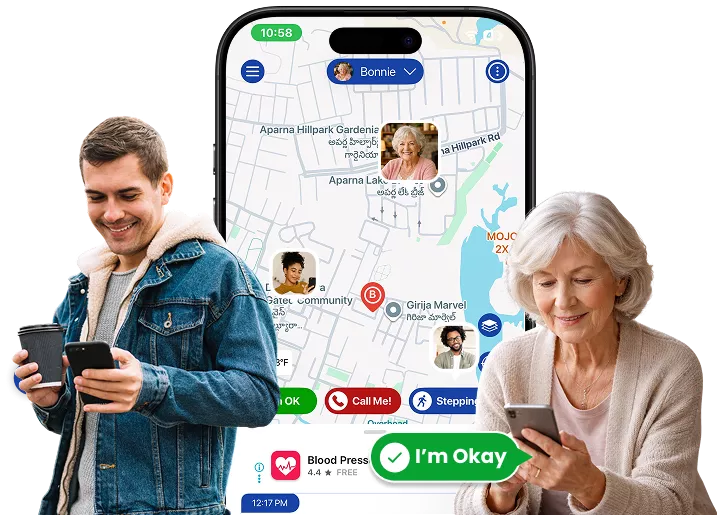
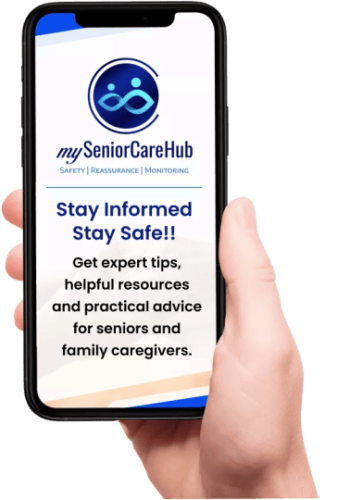
In 2026, mySeniorCareHub is the essential tool for dementia care, turning a standard smartphone into a sophisticated GPS lifeline that balances constant protection with senior dignity.
Let’s explore why the right GPS tracking is the ultimate safety net for modern caregivers.
Why GPS Tracking Apps Matters in 2026 – Best for Seniors with Dementia
Dementia often causes confusion and disorientation, even in familiar places.
Without a reliable tracking system, a simple trip to the mailbox can lead to risky situations involving traffic, extreme weather, or intense emotional distress for both the senior and the caregiver.
Today’s families need more than a “find my phone” feature. They need an intervention tool that allows them to locate loved ones instantly and reduce the panic of the unknown. That’s exactly what mySeniorCareHub delivers.
Why Generic GPS Apps Often Fail Caregivers?
Battery Drain: Many tracking apps run high-intensity GPS pings that kill a phone’s battery right when you need it most.
ControlConflict: Seniors may feel monitored or “policed,” leading them to leave their devices behind.
Slow Refresh Rates: In a wandering crisis, a location update that takes 15 minutes is 15 minutes too late.
How mySeniorCareHub Compares to Popular Tracking Apps
Caring for a parent with dementia often means managing several concerns at once. They may forget medications, become confused while away from home, miss familiar routines, or need assistance when a caregiver is not nearby.
The best dementia app for seniors should make these everyday challenges easier to manage without overwhelming the person using it. Instead of requiring families to switch between several tools, a senior-focused solution can combine location tracking, geofencing, medication reminders, safety alerts, and daily check-ins.
For families comparing dementia care solutions in 2026, the right choice depends on the senior’s needs, independence, and comfort with technology.
The best dementia app for seniors should combine real-time location tracking, geofencing, medication reminders, SOS alerts, daily check-ins, and caregiver connectivity in an interface that is simple to use. For families comparing dementia care solutions, mySeniorCareHub brings these capabilities together in one senior-focused platform.
STAY CONNECTED THROUGH EVERY STAGE OF DEMENTIA CARE
Support your loved one with a dementia care app that brings location tracking, safe-zone alerts, medication reminders, and caregiver connections together.
What Features Should the Best Dementia App for Seniors Have?
Dementia affects every person differently. One senior may primarily need help remembering medications, while another family may be more concerned about wandering or emergency communication.
The goal is not to replace personal caregiving. Technology should provide additional support while helping seniors maintain as much independence as possible.
Can a Dementia Tracking App Help With Wandering?
Wandering can become one of the most stressful concerns for families caring for someone with dementia.
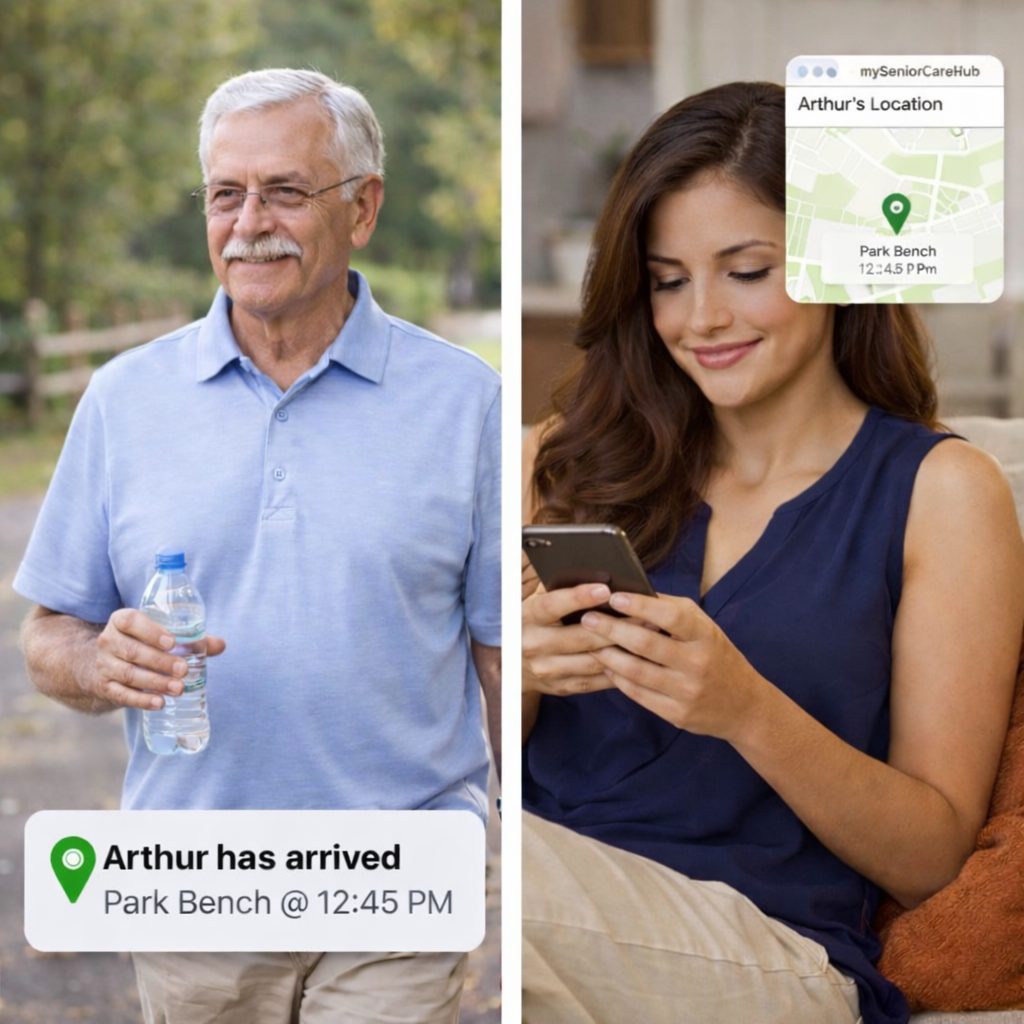
A dementia tracking app with real-time location sharing allows approved caregivers to view the location of their loved one when necessary. This can help if a parent leaves home unexpectedly or becomes confused during a familiar walk.
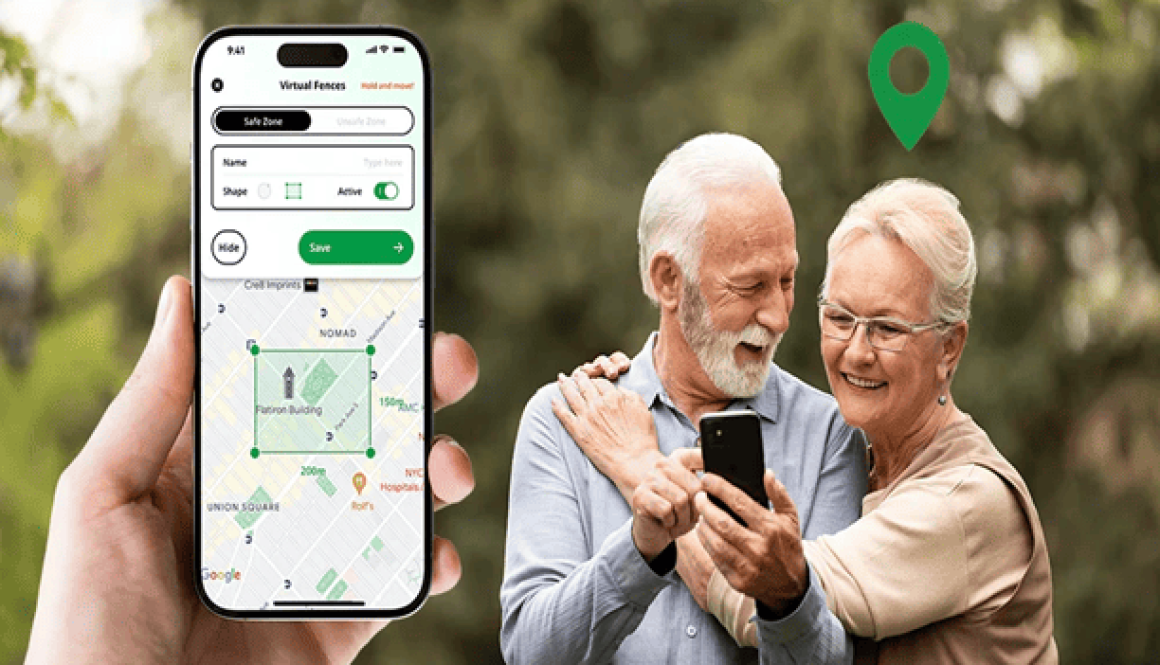
Geofencing adds another useful layer. Caregivers can create virtual safe zones around important places such as home. Depending on the app, they may receive an alert when the connected person leaves or enters that area.
These features cannot prevent wandering, but they can provide earlier awareness when an unexpected movement occurs.
Can an App Help With Dementia Medication Management?
Memory changes can make medication schedules increasingly difficult to follow.
A useful app for dementia patients may include scheduled medication reminders that reduce dependence on memory alone. Caregivers may also benefit from medication-related updates that help them remain involved in the routine.
When comparing options, prioritize simplicity. An advanced medication feature offers little value if navigating it is too complicated for your loved one.
Medication technology should support the care plan established with appropriate healthcare professionals, not replace professional guidance.
Why Daily Check-Ins Matter for Seniors With Dementia
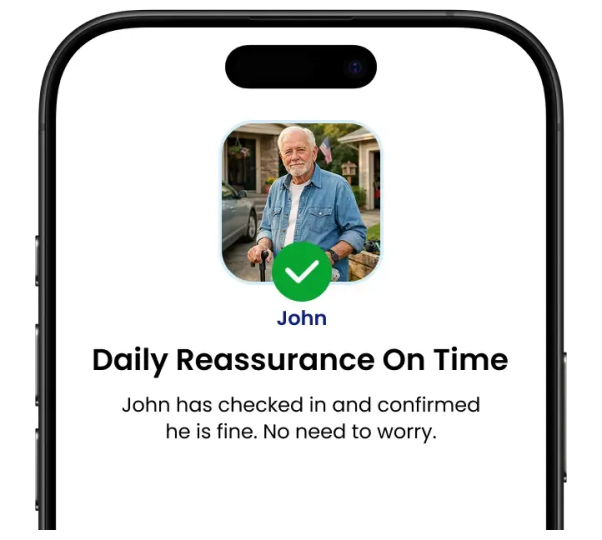
For families supporting a senior who lives independently, knowing that the normal morning routine has started can provide reassurance.
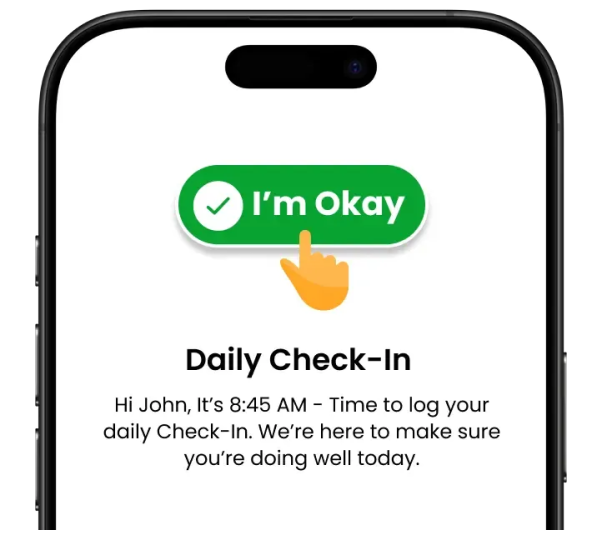
A Daily Check-In gives the senior a simple way to confirm that they are okay. If an expected check-in is missed, connected caregivers have a reason to follow up.
This can be particularly helpful for long-distance families. Instead of making repeated safety calls throughout the day, caregivers have another way to stay connected while respecting the senior’s independence.
Should a Dementia Care App Support Multiple Caregivers?
Dementia care rarely falls entirely on one person.
Adult children, spouses, siblings, relatives, and professional caregivers may all play different roles. A dementia caregiver app that supports multiple connections can make shared caregiving easier.
For example, one family member might monitor daily check-ins while another handles medication routines. If an important safety notification occurs, multiple approved caregivers can remain informed.
Before subscribing, check how many caregivers can be connected and whether additional accounts involve extra charges.
What Should You Compare Before Choosing a Dementia App?
Do not choose an app simply because it has the longest feature list. Focus on features your loved one and caregivers will realistically use.
Also consider how your parent’s needs could change. A simple app for elderly people with dementia should be easy to use today while providing useful caregiver tools as additional support becomes necessary.
Is mySeniorCareHub a Good App for Seniors With Dementia?
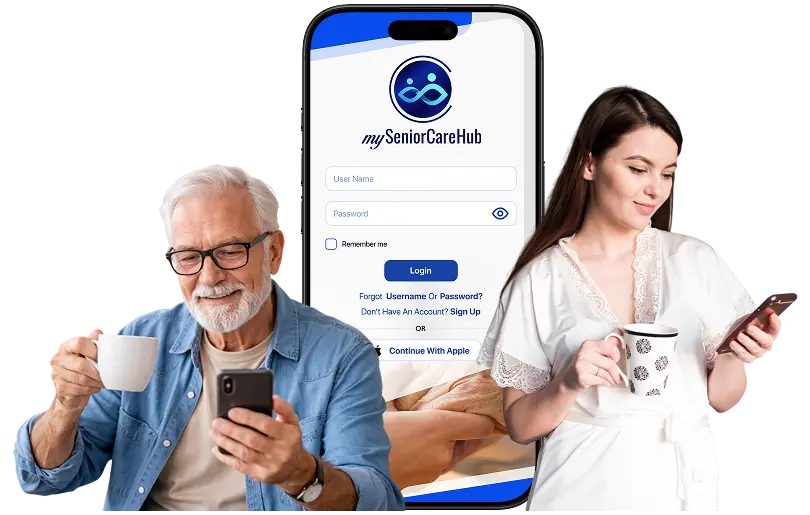
For families searching for the best app for dementia patients, mySeniorCareHub provides a connected approach centered on senior safety and caregiver involvement.
Instead of using one app for location, another for medication routines, and another for check-ins, families can access several senior-focused tools through one connected platform.
mySeniorCareHub also offers a 30-day free app trial, allowing families to explore whether the features and everyday experience fit their loved one’s needs before making a longer-term decision.
How to Choose the Best App for a Dementia Patient
There is no single app that will suit every person living with dementia.
Start with your family’s biggest concern. For wandering, prioritize GPS tracking and geofencing. For missed medications, focus on reminders and caregiver involvement. For someone living independently, consider daily check-ins, SOS functionality, and multiple caregiver access.
Most importantly, choose technology your loved one can comfortably use.
The best dementia app for seniors should not make care more complicated. It should help families stay informed, support everyday routines, and provide useful safety tools while respecting the senior’s dignity and independence.
MORE INDEPENDENCE FOR THEM. MORE REASSURANCE FOR YOU.
The best app depends on the person’s needs. Look for GPS tracking, geofencing, medication reminders, SOS alerts, caregiver access, and a simple interface that is easy for seniors to use.
Yes. Some dementia and senior safety apps offer real-time GPS tracking, geofencing, and location alerts so approved caregivers can stay informed if a loved one wanders.
Prioritize easy navigation, GPS tracking, medication reminders, caregiver sharing, emergency alerts, and privacy controls. Ease of use is especially important for people with memory loss or cognitive impairment.
Yes. Some apps allow caregivers to remotely manage reminders, messages, location updates, and shared access, making them useful for long-distance dementia care.
You find yourself at the doctor’s office with your elderly parent, and the familiar question arises — “Can you tell me their current medications?” You hesitate, trying to remember the names, dosages, and schedules. Was it 5 mg or 10 mg? Morning or evening? Does this sound familiar?
This moment of confusion is more common than we admit. Many caregivers are balancing duties, appointments, and routines. It becomes challenging to keep track of everything when medications are added, stopped, or changed daily. The problem isn’t just about forgetfulness. A missing detail can cause incorrect prescriptions, repeated medications, or even harmful drug interactions.
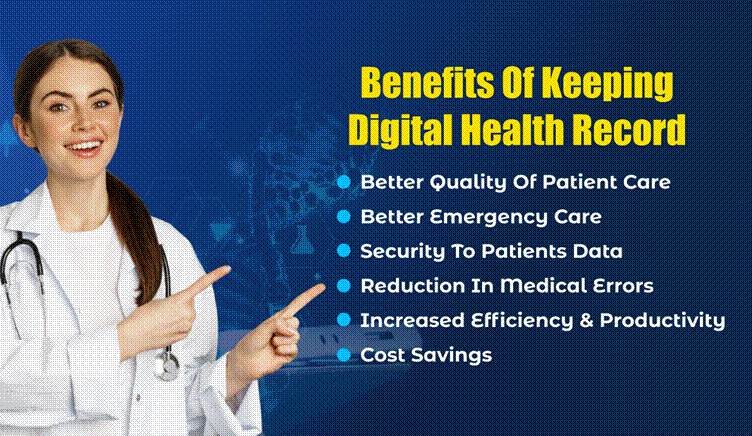
These minor mistakes can have serious repercussions for elderly patients who are managing several medical conditions, such as diabetes, hypertension, or arthritis. Having an easy-to-use, dependable, and immediately available digital record can help.
That is exactly whatmySeniorCareHubprovides: a more intelligent method of storing and communicating medication information to physicians, lowering caregiver stress, and assisting seniors in receiving safer, higher-quality care. Digital Medication Log App
Relying on memory or handwritten notes to track medications may seem manageable, but it is often unreliable, particularly for seniors with multiple prescriptions. Paper lists can get misplaced, and verbal updates are subject to errors.
Additionally, caregivers may not always be present during consultations. Digital records effectively address all these issues simultaneously. They provide an accurate, up-to-date description of each drug, including dosage, timing, and purpose.
This facilitates informed decision-making by doctors without delays or confusion. More importantly, they help mitigate serious medical risks. For instance, when a doctor knows exactly what medications a patient is taking, they can avoid prescribing something that might interact adversely. This helps reduce the likelihood of drug-drug interactions (DDIs), overdosing, or duplicate medications—common concerns among elderly patients with complex treatment plans.
Maintaining a well-organized digital medication record promotes medication adherence. You can set reminders, track missed doses, and ensure treatment stays on track, especially when multiple caregivers are involved.
When most needed, mySeniorCareHub allows for safe, well-organised, and immediate access to medication history.
Benefit of mySeniorCareHub – App for Prescription List & Medication Activity Log
What if managing prescriptions didn’t require last-minute phone calls home, sticky notes, or WhatsApp messages? Everything is organized in one place with mySeniorCareHub. Keeping your loved one’s medication log up to date and easily shareable is straightforward and secure with this app, which was designed with real caregiving challenges in mind.
It only takes a few taps to:
Add/update meds with timing & dosage
Set & receive reminders
Email/WhatsApp logs to doctors
Track history & stop duplicates
This feature is smart healthcare in addition to being convenient. mySeniorCareHub facilitates the sharing and accessibility of medication logs, which helps physicians make safer and faster decisions, particularly in an emergency or follow-up.
You can use the same log to coordinate care with other family members or nurses, even if you live far away. It keeps everyone in agreement, lessens misunderstanding, and enhances medication adherence.
From Clinic to Comfort: How It Simplifies Caregiving – Share Medical Records with Doctor in One Click
Being a caregiver isn’t easy. The constant need to remember medical information, particularly prescriptions that change with every consultation, is often a source of additional stress.
mySeniorCareHub takes this load off your shoulders by giving you a central place to manage everything medication-related.
Whether you’re at the clinic, at work, or out of town, you can instantly:
Pull up the latest prescription list
Share it with the doctor during appointments.
Coordinate with other caregivers or nursing staff.
Keep a consistent record of medications over time.
When every healthcare provider has access to accurate, updated information, it leads to better diagnoses, safer prescriptions, and faster decisions. With mySeniorCareHub, caregiving becomes less about remembering everything and more about confidently managing your loved one’s health.
Even minor adjustments can significantly impact senior care. A missed dose, an unclear prescription, or a forgotten update can all quickly harm one’s health. Therefore, having the appropriate tools is not only beneficial but essential.
With its easy-to-use medication record management and sharing feature, mySeniorCareHub revolutionises how doctors and caregivers interact. By keeping everyone informed, it enhances doctor-patient communication, medication safety, and trust.
Providing your loved one with a clear, up-to-date medication log with a tap not only simplifies the doctor’s job but also increases the likelihood that they will receive safe, well-managed care.
Shift your focus from remembering pills to truly caring. Use mySeniorCareHub now to make every checkup less stressful.
The landscape of homecare is increasingly leveraging technology to enhance patient well-being and streamline caregiver support. Modern caregivers often utilize tools that allow for virtual monitoring and proactive intervention, ensuring the safety and health of their clients from a distance. mySeniorCareHub is one such innovative platform that empowers caregivers to provide comprehensive support through remote monitoring and intelligent alerts.
Imagine a typical day for Mark, a homecare caregiver in the United States who supports several clients remotely using mySeniorCareHub. While he might not be physically present with each client throughout the day, the app provides him with valuable insights and allows for timely intervention when needed. Let’s see how his day unfolds:
Mark’s Day: Leveraging mySeniorCareHub for Enhanced Homecare
8:00 AM: Starting the Day with Client Wellness Checks
Mark begins his day by reviewing the mySeniorCareHub dashboard. He sees an overview of his clients, including their recent activity and any alerts triggered overnight. He notices that Mr. Johnson, one of his clients, hasn’t completed his daily check-in yet. mySeniorCareHub‘s Client Daily Check-in program automatically alerts Mark (as part of the pre-designated ‘care circle’) when a check-in is missed, prompting him to reach out to Mr. Johnson to ensure his well-being. Learn more about our Family Check-in App.
9:00 AM – 11:00 AM: Monitoring Vital Signs and Medication Adherence
Throughout the morning, Mark keeps an eye on the Remote Patient Monitoring (RPM) data collected by Mrs. Davis’s connected devices and manually entered information. He observes that Mrs. Davis’s blood pressure reading is slightly higher than her usual range. Thanks to the customizable Vital Monitoring alerts within mySeniorCareHub, Mark receives a notification based on her pre-set parameters. He decides to give Mrs. Davis a call to check in and offer guidance. Explore our Vital Monitoring features for healthcare providers (https://myseniorcarehub.com/healthcare-providers).
Mark also reviews the Medication Management section for his clients. He sees that Mr. Lee has missed his scheduled medication dose for the third consecutive time. mySeniorCareHub’s Missed Medication Alerts and Notification system has flagged this, prompting Mark to contact Mr. Lee and remind him to take his medication, ensuring medication adherence and preventing potential complications. Discover our Medication Reminder capabilities.
11:00 AM – 1:00 PM: Proactive Outreach and Safety Assurance
Mark utilizes mySeniorCareHub‘s features for Proactive Outreach to strengthen his relationship with his clients. He sends a personalized message to Mrs. Rodriguez through the app, reminding her about her upcoming doctor’s appointment and offering support with transportation if needed.
He then reviews the safety alerts for his clients. mySeniorCareHub’s Fall Detection Alerts provide an added layer of security. He sees a notification from earlier in the morning indicating a potential fall for Mr. Peterson. Mark immediately checks Mr. Peterson’s location using the Geo Fencing And Geo Tracking feature and attempts to contact him. If he can’t reach Mr. Peterson, he can initiate an Emergency Call And Notification through the app to alert emergency services or a designated 24/7 response team. Understand the importance of our SOS Alert system.
1:00 PM – 3:00 PM: Leveraging Insights and Coordinating Care
Mark accesses the insights provided by mySeniorCareHub into his clients’ health conditions. He notices a trend of elevated blood sugar readings for Mr. Garcia. This information allows Mark to proactively communicate with Mr. Garcia’s family and healthcare provider to discuss potential adjustments to his care plan. The app’s ability to track data over time helps improve health outcomes for key chronic conditions like diabetes.
Mark also utilizes the Drug Interaction Checker within mySeniorCareHub to ensure the safety of his clients’ medication regimens, especially when new medications are prescribed.
H3: 3:00 PM – 5:00 PM: Review and Planning
As his day progresses, Mark continues to monitor the mySeniorCareHub dashboard for any new alerts or updates. He reviews the activity logs and progress notes for each client, ensuring everything is on track and identifying any potential areas of concern for the following day.
H2: How Caregivers Leverage mySeniorCareHub – Virtual Care App – Key Features in Action:
Remote Patient Monitoring (RPM):Caregivers can remotely monitor vital signs like blood pressure, blood sugar, pulse, weight, and oxygen levels, receiving customizable alerts based on individual wellness scores. Learn more about Vital Monitoring.
Medication Management:Caregivers receive alerts for missed medications, enabling timely reminders and improved medication adherence. The Drug Interaction Checker adds a crucial layer of safety. Explore our Medication Reminder.
Safety Alerts and Request Notification:Caregivers are notified of emergencies via the Emergency Call And Notification feature, including SOS button activation and potential fall detection. Geo Fencing And Geo Tracking provides location awareness for added safety. Discover the benefits of our SOS Alert.
Client Daily Check-in:Caregivers are alerted if a client misses their daily check-in, prompting proactive outreach. Learn more about our Family Check-in App.
Proactive Outreach:Caregivers can use the platform to send reminders, check-in on clients, and strengthen their relationships, even remotely.
Insights into Health Conditions:Caregivers gain valuable insights into trends in their clients’ health data, allowing for proactive intervention and better health outcomes for chronic conditions.
The Benefits of Virtual Monitoring for Caregivers:
Increased Efficiency:Caregivers can monitor multiple clients remotely, optimizing their time and resources.
Enhanced Patient Safety: Real-time alerts and monitoring enable timely intervention in case of emergencies or health concerns.
Improved Medication Adherence: Reminders and missed dose notifications help ensure clients take their medications as prescribed.
Proactive Care:Insights into health trends allow caregivers to address potential issues before they escalate.
Stronger Client Relationships:Proactive outreach and consistent virtual support strengthen the bond between caregivers and clients.
Empowering Homecare with mySeniorCareHub: The Future of Caregiving
In today’s evolving healthcare landscape, tools like mySeniorCareHub are essential for empowering homecare caregivers to provide effective and efficient support through virtual monitoring. By leveraging features like remote patient monitoring, medication management, and safety alerts, caregivers can ensure the well-being of their clients from a distance, leading to improved patient satisfaction, reduced hospital readmissions, and ultimately, better health outcomes. mySeniorCareHub enables caregivers to be proactive, responsive, and truly connected to their clients’ needs, even when physical presence isn’t constant.