How Caregivers Can Simplify Medication Management for Seniors

Caring for an aging parent often means taking on responsibilities that extend far beyond doctor appointments and daily check-ins. One of the biggest challenges many families face is managing medications safely and consistently.
As prescriptions increase, so does the complexity of keeping everything organized. Different medications may have different schedules, refill dates, dosage instructions, and possible interactions. Even the most attentive caregiver can find it difficult to keep track of everything.
Fortunately, medication management doesn’t have to feel overwhelming. With better organization, clear communication, and the support of a reliable medication management app, caregivers can simplify daily routines while helping their loved ones remain safe and independent.
STAY CONSISTENT WITH EVERY MEDICATION
Support safer medication routines with intelligent reminders, caregiver notifications, and easy prescription management.
Why Medication Management Becomes More Challenging With Age
Many older adults take medications for multiple health conditions at the same time. A typical day may include morning tablets, afternoon prescriptions, evening medications, and vitamins or supplements—all with different instructions.
The challenge becomes even greater when:
- More than one healthcare provider is involved.
- Prescriptions change after hospital visits.
- New medications replace older ones.
- Different pharmacies are used.
- Family members share caregiving responsibilities.
Without a consistent system, important details can easily be overlooked, creating unnecessary stress for everyone involved.
Stop Managing Medications in Your Head
Many caregivers rely on memory, handwritten notes, or text messages to keep track of medications. While these methods may work temporarily, they often become difficult to manage as care needs grow.
Instead of remembering every refill date or dosage adjustment, create one central medication plan.
A practical medication management system should include:
- An updated medication list.
- Current dosages and schedules.
- Prescribing physician information.
- Pharmacy contact details.
- Refill dates.
- Notes about allergies or side effects.
Keeping everything together saves time during medical appointments and helps every caregiver work from the same information.
Make Medication Reviews Part of Your Care Routine
Medication routines shouldn’t remain unchanged forever.
As health conditions evolve, prescriptions may also change. Regular medication reviews help identify duplicate medications, outdated prescriptions, or treatments that may no longer be necessary.
Caregivers can prepare for appointments by asking questions such as:
Caregivers can prepare for appointments by asking questions such as:
- Is every medication still needed?
- Are there simpler treatment options?
- Can medication times be combined?
- Are there any possible interactions?
- Have new side effects appeared?
These conversations help improve medication safety while making daily routines easier to manage.
Share Responsibilities Without Creating Confusion
Many families divide caregiving responsibilities between siblings or other relatives. While shared caregiving provides valuable support, it can also lead to communication gaps.
One person may assume medication has already been given, while another plans to administer it later. This uncertainty increases the risk of duplicate doses or missed medications.
A shared caregiving routine works best when everyone has access to the same medication information and follows one consistent schedule.
Having a centralized system also makes it easier to step in when another caregiver is unavailable.
How a Medication management app Simplifies Daily Care
As medication schedules become more complex, digital tools help caregivers stay organized without adding extra work.
A medication management app brings medication schedules, reminders, and health information into one place, reducing the need for paper notes or multiple calendars.
Instead of tracking everything manually, caregivers can:
- Organize medications by schedule.
- Receive timely reminders.
- Receive timely reminders.
- Monitor refill timelines.
- Keep medication records updated.
- Support aging parents even when they don’t live nearby.
The result is a more structured caregiving routine that reduces uncertainty and makes daily care easier to manage.
Small Habits That Make a Big Difference
Technology works best when combined with healthy caregiving habits.
Technology works best when combined with healthy caregiving habits.
- Review medications together once a week.
- Store medicines in clearly labeled containers.
- Refill prescriptions before they run out.
- Keep an updated medication list for emergencies.
- Encourage aging parents to ask questions about new prescriptions.
- Record any side effects after medication changes.
These small habits help caregivers stay proactive instead of reacting to problems after they occur.
Why Families Choose mySeniorCareHub
Managing medications is only one part of caring for an aging parent.
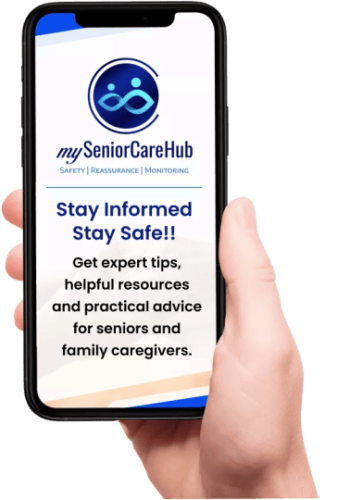
The mySeniorCareHub medication management app helps families organize medication schedules while supporting broader caregiving needs through connected health tools.
In addition to medication management, families can access features for wellness tracking, caregiver collaboration, secure health records, emergency support, and connected care through the SafeLynk ecosystem.
Recognized as the Best Medical Mobile App with Wearable Devices 2026, recommended by YourOpinionCorner, and backed by a 4.7-star user rating, mySeniorCareHub provides caregivers with practical tools that simplify daily care while helping seniors maintain their independence.
Better Organization Creates Better Care
Medication management isn’t about remembering every prescription—it’s about creating a system that works consistently.
When caregivers organize medication information, communicate regularly with healthcare providers, involve family members, and use the right digital tools, managing medications becomes less stressful and more reliable.
A trusted medication management app supports these efforts by helping families stay organized, reduce confusion, and spend less time worrying about schedules and more time focusing on what matters most—caring for the people they love.
MAKE EVERY MEDICATION DOSE COUNT
Frequently Asked Questions (FAQs)
-
A medication management app helps organize prescriptions, medication schedules, reminders, refill information, and medication records in one place, making it easier for caregivers and seniors to stay organized.
-
Caregivers should maintain an updated medication list, review prescriptions regularly, coordinate with healthcare providers, and use a Medication management app to keep schedules organized.
-
Good organization reduces confusion, helps prevent medication errors, supports accurate treatment plans, and allows caregivers to respond quickly during medical appointments or emergencies.
-
Yes. A centralized medication management app helps family members stay informed by providing consistent medication information, making it easier to coordinate caregiving responsibilities.
-
Common challenges include managing multiple prescriptions, tracking dosage changes, remembering refill dates, coordinating between caregivers, and keeping medication information updated. A structured medication management system helps simplify these responsibilities.