Medication Overdose In Older Adults? Look For These Warning Signs!
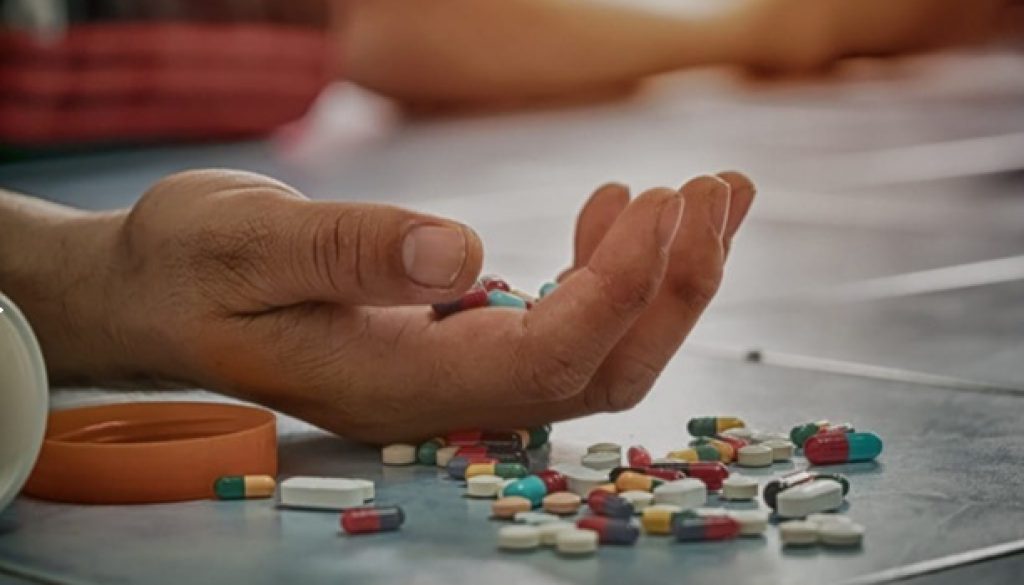
As we age, our relationship with medicine becomes more complex. For many seniors, a daily routine involves a handful of pills to manage blood pressure, cholesterol, or joint pain. While these medications are life-saving, they also introduce a silent risk: medication overdose in seniors.
Contrary to popular belief, an overdose in older adults isn’t always the result of a single, massive dose. More often, “polypharmacy” (taking multiple drugs) or a dangerous interaction between two seemingly safe prescriptions causes a slow buildup.
2026 Medication Safety Statistics for Seniors
Recent data highlights that while overall overdose trends have seen a decline, the risk for the 65+ demographic remains disproportionately high due to complex medication regimens.
| Statistic Categories | 2026 Reported Insights | Sources |
| National Trend | Overdose deaths fell by approximately 21% in late 2025/early 2026. | AHA / CDC |
| Senior Vulnerability | Opioid death rates for adults 65+ remained 63% higher than 2019 levels. | KFF Health Analysis |
| Hospitalization Risk | Seniors are 4 to 7 times more likely to be hospitalized for adverse drug effects than younger adults. | MSD Manuals |
| Polypharmacy Impact | Over 40% of seniors take 5 or more prescriptions daily, increasing interaction risk by 50%. | AMA 2025 Report |
Why Seniors Are at Higher Risk
Medication overdose in seniors is rarely about “misuse” in the traditional sense. It is usually a result of biological and environmental factors:
- Metabolic Slowdown: As we age, the liver and kidneys process drugs more slowly. A dose that was safe at age 50 might stay in the system too long at age 75, leading to toxic accumulation.
- Cognitive Decline: Memory lapses can lead to “double-dosing,” which means forgetting a pill was already taken and taking it again.
- Prescribing Cascade: This occurs when a side effect of one drug is misinterpreted as a new medical condition, leading to another prescription, which then creates further risks.
⠀⠀Cancel Anytime • No Long Contracts
Warning Signs of Medication Overdose In Older Adults
If you are a caregiver or a senior, being able to spot the early signs of “toxic buildup” or acute overdose can save a life. These signs are often mistaken for “just getting older,” but they require immediate attention.
1. Sudden Cognitive Changes
Confusion, extreme drowsiness, or hallucinations are primary red flags. If a normally sharp individual becomes suddenly disoriented or unable to stay awake, it may be a central nervous system depressant overdose (like opioids or benzodiazepines).
2. Physical Instability
Dizziness and a sudden loss of coordination often lead to falls. If a senior is stumbling or feeling “room spin” shortly after a new medication is introduced, the dosage may be too high.
3. Vital Sign Fluctuations
- Breathing: Slow, shallow, or irregular breathing (respiratory depression).
- Heart Rate: A pulse that feels erratic, dangerously slow, or unusually fast.
- Skin: Cool, clammy skin or a bluish tint to the lips and fingernails.
4. Digestive Distress
Persistent vomiting, severe nausea, or sudden abdominal pain can indicate that the body is struggling to process a specific chemical combination.
Some Common High-Risk Drug Interactions
| Drug A | Drug B | Potential Danger |
| Warfarin (Blood Thinner) | NSAIDs (Ibuprofen/Aspirin) | Major internal bleeding risk |
| Opioids (Painkillers) | Benzodiazepines (Sleep/Anxiety) | Severe respiratory failure |
| ACE Inhibitors (BP) | Potassium Supplements | Dangerously high potassium (Heart risk) |
| Anti-diabetics | Beta-Blockers | Masked hypoglycemia (Low blood sugar) |
You Can Prevent Medication Overdose Now
The most effective way to prevent a medication overdose for seniors is to identify potential conflicts before the first pill is swallowed. We (mySeniorCareHub) offer a dedicated tool designed specifically for this purpose: Kiara Drug Interaction Checker
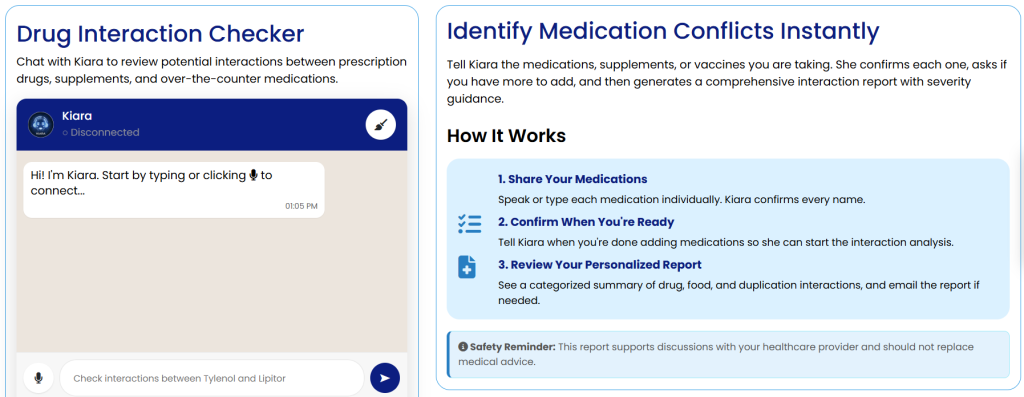
Instead of manual tracking or hoping for the best, our Drug Interaction Checker allows you to:
- Input multiple prescriptions and over-the-counter supplements.
- Instantly identify high-risk “clashes” between medications.
- Receive a simplified report to share with your primary physician.
By using this digital safeguard, you bridge the gap between complex pharmacology and daily home care.
Final Thoughts
Medication safety is the cornerstone of healthy aging. While the statistics for 2026 show progress in national health, the complexity of senior care requires a proactive approach.
By recognizing the warning signs – confusion, falls, and breathing changes and utilizing tools like the Kiara Drug Interaction Checker, you can ensure that medicine remains a help, not a hazard.
Medication Overdose In Senior Adults? Identify Warning Signs With Our Kiara Drug Interaction Checker
Is Your Current Medication List Safe?
Takes Just 2-Minutes to Check for Hidden Drug Interactions
Disclaimer: This article is for informational purposes only and does not constitute medical advice. Always consult with a healthcare professional before changing your medication routine.