Best GPS Tracking App for Alzheimer’s Patients: Features Caregivers Need in 2026

Caring for a loved one with Alzheimer’s can become especially stressful when they begin wandering or getting confused outside familiar surroundings. A parent who has taken the same neighborhood walk for years may suddenly forget the way home, while repeated phone calls may not help if they cannot explain where they are.
A GPS tracking app for Alzheimer’s patients can give caregivers greater location awareness without requiring constant supervision. With features such as real-time location tracking, geofencing, location history, and caregiver alerts, families can stay better informed while supporting their loved one’s independence.
The right app should not simply display a map. It should make location information useful when caregivers actually need it.
STAY CONNECTED WHEN WANDERING BECOMES A CONCERN
Use real-time location tracking, geofencing, and safety alerts to stay informed and respond faster when your loved one may need help.
Why GPS Tracking Apps Matter for Alzheimer’s Wandering
Wandering can happen unexpectedly. Someone living with Alzheimer’s may leave home for a familiar reason but become disoriented along the way.
A location tracking app cannot physically prevent wandering. Instead, it can help approved caregivers see where a connected loved one is and respond when their normal routine changes.
This can be particularly useful for adult children who work during the day or live in another city and cannot personally supervise every trip outside the home.
How Real-Time Location Tracking Helps Caregivers
Real-time GPS tracking is one of the most important capabilities to compare.
If a parent has not returned from their regular walk, caregivers can check available location information rather than immediately searching several familiar places.
When comparing a GPS app for Alzheimer’s patients, check how location updates work, whether cellular connectivity is required, and how clearly the app displays the last known location.
Remember that GPS accuracy can be affected by connectivity, device settings, buildings, battery level, and environmental conditions. No app should be treated as providing perfect location information at every moment.
Why Geofencing Is Important for Alzheimer’s Safety
Caregivers cannot realistically watch a location map throughout the day.
Geofencing helps solve this problem by allowing families to establish virtual boundaries around important locations, such as home.
Depending on the app, a caregiver may receive an alert when the connected loved one leaves or enters the selected area. This can provide earlier awareness of unexpected movement without requiring constant location checking.
For families concerned about Alzheimer’s wandering, safe-zone alerts can therefore be just as important as real-time GPS tracking.
How Location History Provides Additional Context
Knowing where someone is now may not always provide the complete picture.
Location history can help caregivers review previous movement when a loved one has difficulty remembering where they went. It may also help families better understand changes in familiar routines.
Before choosing an Alzheimer’s tracking app, check how much location history is available, whether it requires a paid plan, who can access it, and what privacy controls are provided.
Can a GPS Tracking App Alert You When Someone Wanders?
A well-designed app can provide alerts based on location activity, particularly through geofencing.
For example, if your parent unexpectedly leaves a predefined safe zone, connected caregivers may receive a notification based on the app’s settings.
This does not mean the technology knows whether someone is actually wandering. Leaving a geofence could simply mean the person went somewhere normally.
The alert provides information. The caregiver then decides whether follow-up is necessary.
GPS Tracking App vs Basic Phone Location Sharing
Basic location-sharing tools can work well when families only want to see each other’s location occasionally.
Alzheimer’s caregiving may require more context.
A senior-focused location tracking app for Alzheimer’s may combine GPS location with geofencing, location history, caregiver notifications, SOS alerts, and other safety capabilities.
That distinction matters when choosing between a general map-sharing service and a platform intended to support ongoing senior care.
What Features Should You Look for Before Choosing an App?
Before subscribing, compare whether the solution includes:
- Real-time GPS location tracking
- Geofencing and safe-zone alerts
- Location history
- SOS safety alerts
- Multiple caregiver connections
- Reliable notifications
- Clear privacy controls
- Simple senior-friendly navigation
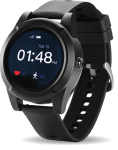
- Compatible wearable safety options
- Transparent subscription pricing
Avoid choosing solely based on the longest feature list. The best solution is one that addresses your family’s actual concerns and is practical enough to use consistently.
How mySeniorCareHub Helps Families Stay Connected
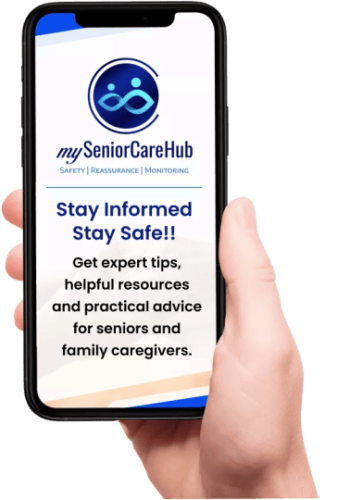
The mySeniorCareHub Location Tracking App is designed around connected senior safety rather than basic location sharing alone.
Families can use features such as real-time location sharing, geofencing, location history, SOS alerts, and caregiver connectivity to stay informed when an aging loved one is away from home.
The broader mySeniorCareHub platform also connects families with tools such as Daily Check-In and medication reminders, providing additional support for everyday senior care.
For Alzheimer’s caregivers, bringing several safety tools together can reduce the need to manage separate apps for location, routine check-ins, and other daily needs.
How to Choose the Best GPS Tracking App for Alzheimer’s Patients
Start with the problem your family is trying to solve.
If wandering is the main concern, prioritize real-time tracking, geofencing, reliable notifications, and location history. If several relatives share caregiving responsibilities, multiple caregiver access becomes important. You should also compare privacy controls, compatibility, subscription costs, and ease of use.
Most importantly, consider how the tracking solution fits into your loved one’s everyday routine.
The best GPS tracking app for Alzheimer’s patients should help caregivers access useful location information without unnecessarily restricting independence. Technology cannot eliminate wandering risk, but the right app can give families another way to stay informed, recognize unusual movement, and respond when their loved one may need assistance.
KNOW WHERE THEY ARE WHEN IT MATTERS MOST
Frequently Asked Questions (FAQs)
-
Yes. GPS tracking apps can allow approved caregivers to view a loved one’s location and, depending on the solution, receive geofencing or safe-zone alerts when unexpected movement occurs.
-
Yes. GPS tracking can help caregivers locate a connected loved one after they wander or become disoriented. It does not prevent wandering, so it should be used alongside an appropriate dementia safety and care plan.
-
Yes, if the solution supports geofencing or safe-zone alerts. Caregivers can establish a virtual boundary and receive a notification when the connected device crosses that area.
-
Accuracy depends on the device, GPS signal, cellular or Wi-Fi availability, environment, and location. GPS generally performs better outdoors, while indoor positioning can be less precise.
-
Not always. Some tracking devices work independently using cellular connectivity while family members use a companion app to view location and receive alerts. Other solutions may depend on a smartphone, so families should check compatibility before buying.