Aging is a natural part of life, but for many families, it brings new responsibilities. Parents who once cared for us now need our support — and while caregiving can feel overwhelming, it doesn’t have to be. With the right approach, families can make healthy aging not only possible but joyful.
Here’s how to make caregiving easier while ensuring dignity, independence, and comfort for your loved ones.
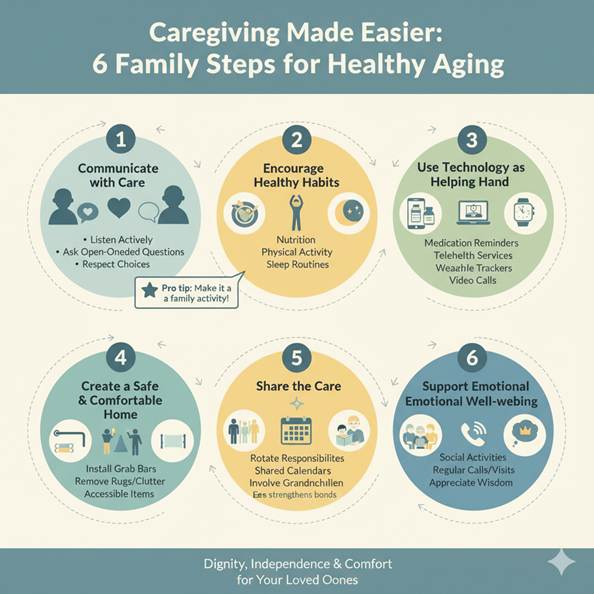
Step 1: Communicate with Care
Healthy aging starts with honest conversations. Parents may hesitate to express what they need, fearing they’ll be a burden. Families should:
Listen actively – Let parents share their concerns without interruption.
Ask open-ended questions – “What would make your day easier?” instead of “Are you okay?”
Respect their choices – Even if you disagree, allow parents to have a say in their care.
Step 2: Encourage Healthy Habits
Small lifestyle changes go a long way in keeping parents active and independent. Support them by:
Nutrition – Cook balanced meals or arrange meal-delivery options.
Physical activity – Encourage walking, yoga, or light stretching.
Sleep routines – Help them set a calm evening schedule for better rest.
Pro tip: Make it a family activity — join them for evening walks or cook healthy recipes together.
Step 3: Use Technology as a Helping Hand
Technology doesn’t replace love, but it can reduce stress for everyone. Consider:
Medication reminders (like camera-based apps) to avoid missed doses.
Telehealth services for quick doctor consultations.
Wearable trackers that monitor heart rate, steps, or sleep.
Video calls to keep parents connected with relatives and friends.
Step 4: Create a Safe and Comfortable Home
Home safety is essential for aging parents. Simple adjustments can prevent accidents:
Install grab bars in bathrooms.
Ensure good lighting in hallways and stairs.
Remove loose rugs or clutter to avoid falls.
Place frequently used items within easy reach.
Step 5: Share the Care
Caregiving is not a solo job — it works best as a team effort. Families can:
Rotate responsibilities – Share grocery runs, appointments, and daily check-ins.
Use shared calendars – Keep track of visits, medications, and appointments.
Involve grandchildren – Kids can read, play games, or simply keep grandparents company.
This teamwork eases stress and strengthens family bonds.
Step 6: Support Emotional Well-being
Healthy aging is not just physical; it’s also emotional. Loneliness is common among seniors. Families can:
Encourage social activities like clubs or religious gatherings.
Set up regular calls or visits.
Remind them of their value by appreciating their wisdom and experience.
Quick Comparison: Stressful vs. Supportive Caregiving
Stressful Approach
Supportive Approach
One person carries all responsibility
Family shares tasks
Parents feel dependent
Parents feel included
Reactive (fixing problems)
Proactive (preventing problems)
Tech avoided
Tech embraced wisely
Focus on illness
Focus on wellness
Real-Life Example
Ritu, 45, used to feel burned out managing her mother’s diabetes alone. Once she involved her siblings — one handled doctor visits, another managed medication apps, and Ritu focused on meals caregiving became lighter. Most importantly, her mother felt cared for, not controlled.
Final Takeaway
Caregiving doesn’t have to drain families. It can enrich relationships. By combining open communication, healthy routines, smart use of technology, and shared responsibilities, families can support parents in living healthier, happier, and more independent lives.
Healthy aging isn’t just about adding years to life, it’s about adding life to years.
As we grow older, our bodies naturally slow down, and so does our immune system. This decline, known as immunosenescence, makes seniors more vulnerable to infections, slower wound healing, and chronic diseases. According to the National Institute on Aging, immune cells in older adults respond less efficiently to new threats, which is why even common colds or flu can feel harder to recover from. But here’s the good news: science says you can strengthen your immune system at any age. You can help your body fight back stronger and feel better every day by adopting a few easy, everyday habits, such as eating healthily, exercising, and getting enough sleep. We will look at some strategies to help boost your immune system as you age. We will also look at tools like mySeniorCareHub, which can be a useful partner.
Why Does Immunity Decline with Age?
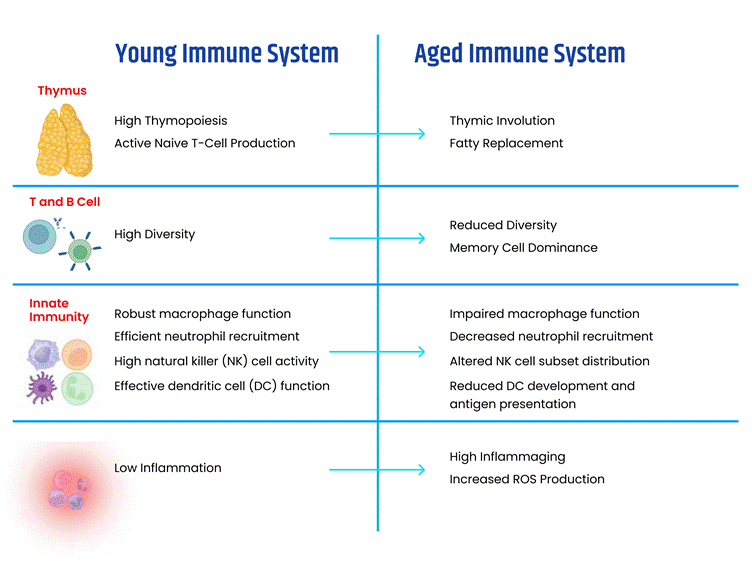
The immune system, our body’s defence mechanism, deteriorates as we age. It consists of unique cells that aid in healing and fighting infections, such as white blood cells and T-cells. However, as we age, the body produces fewer of these cells, and their functionality decreases. Consequently, infections are more likely to occur, making recovery more challenging.
What Changes with Age
What It Means
Fewer T-cells are made (due to a shrinking thymus)
The body responds more slowly to new infections.
Bone marrow slows down (fewer white blood cells)
The immune system takes longer to fight off illness.
Higher inflammation (known as “inflammaging”)
Chronic inflammation further weakens immunity.
Weaker vaccine response
Older adults may need regular boosters for better protection.
Research published in Nature Reviews Immunology shows that both innate and adaptive immunity are affected by age. Fortunately, following the right daily routine can support and strengthen your immune system even as you age.
Tips to Boost Your Immune Health
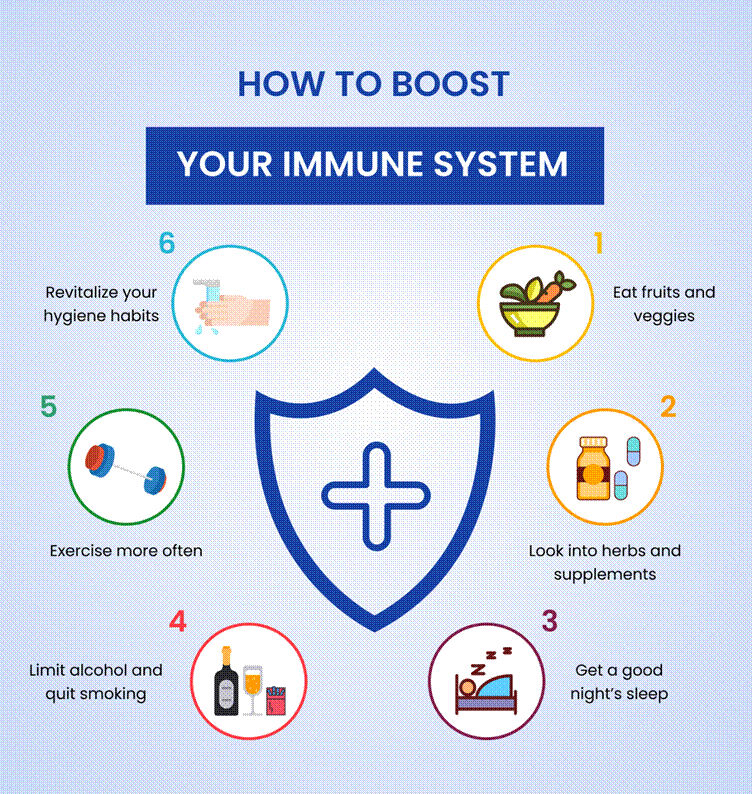
Tip 1: Eat a Rainbow of Fruits and Vegetables
A colourful plate means a variety of nutrients, and that’s exactly what your immune system needs. Brightly coloured fruits and vegetables are packed with antioxidants, vitamins (like A, C, and E), and minerals (like zinc and selenium), all of which help protect your body and fight infections. Studies show that older adults who eat more fruits and vegetables tend to have stronger immune responses and fewer infections. Try to eat at least four or five different coloured fruits or vegetables every day, such as beets, oranges, tomatoes, spinach, and carrots.
Tip 2: Stay Active with Regular Exercise
Exercise is a powerful tool for keeping your immune system strong and healthy. Even light activities can boost your immune system and help you stay protected against illness.
Improves blood circulation: Regular exercise helps blood flow more easily, allowing immune cells to travel throughout the body and fight infections more effectively.
Reduces inflammation: Physical activity lowers inflammation, which is often linked to a weakened immune system.
Boosts white blood cell production: Regular exercise can help increase the production of white blood cells, the body’s natural defence against pathogens.
Lowers the risk of chronic diseases: Conditions like diabetes or heart disease can weaken immunity, but staying active can help manage and prevent these.
Tip 3: Prioritize Quality Sleep
Getting enough sleep is essential for a strong immune system. While you rest, your body works to repair and strengthen its defences. When you don’t sleep enough, your immune system’s ability to fight off infections is weakened, leaving you more prone to illness.
Try to get between 7 and 9 hours every night. Establishing a relaxing bedtime routine, which includes reading a book, avoiding screens, and keeping your bedroom quiet and cool, can help you sleep better.
Tip 4: Manage Stress Effectively
Chronic stress can weaken your immune system, making it harder for your body to defend itself against infections. When you’re under stress, your body releases stress hormones like cortisol, which can suppress the function of whiteblood cells—the body’s primary defence against illness. Long-term stress can also lead to increased inflammation, a factor that can worsen conditions like psoriasis, an autoimmune disease in which the immune system mistakenly attacks healthy skin cells, resulting in red, scaly patches. Stress has been shown to trigger flare-ups in psoriasis, making it even more important to manage stress effectively to avoid aggravating such conditions. You can enhance your immune system, reduce inflammation, and lessen stress by engaging in deep breathing, mindfulness, and scheduling hobbies or physical exercise.
Tip 5: Optimize Vitamin D Levels for Immune Activation
Vitamin D plays a crucial role in activating the immune system. AdeficiencyinvitaminDislinkedtoaheightenedriskofinfectionsandautoimmuneconditionssuchasrheumatoid arthritis and multiple sclerosis.
Vitamin D supplementation may reduce the risk of respiratory infections, such as the flu and pneumonia, particularly in individuals with low baseline levels of the vitamin, according to a study published in The Lancet. Due to decreased skin synthesis and reduced sun exposure, seniors often have lower vitamin D levels.
Ensure you are obtaining sufficient vitamin D by spending time in the sun and consuming foods rich in vitamin D, like salmon, fortified dairy products, and egg yolks. Supplementation may also be advised, with 800–1000 IU of vitamin D recommended daily, especially for those with low levels.
Tip 6: Support Your Gut Microbiome for Immune Defence
Did you know that most of your immune system lives in your gut? Your stomach and intestines not only digest food but also aid in the body’s defence against infections. This is because your gut’s beneficial bacteria communicate with and support your immune cells.
When the gut is healthy and full of these helpful bacteria, your body can fight infections, reduce swelling (inflammation), and even respond better to vaccines. But when there’s an imbalance—too many bad bacteria or not enough good ones—it can lead to problems like more infections, allergies, or even diseases like diabetes and digestive issues.
Here’s how to keep your gut strong:
Eat fermented foods like curd, buttermilk, and pickles—they give your body good bacteria.
Probiotics and Prebiotics: These marketed formulations helps to strengthen the immunity.
Add fibre-rich foods like fruits, oats, dal, and salad to feed the good bacteria.
Avoid too much junk food and unnecessary antibiotics, which can harm your gut health.
Tip7: Keep Inflammation in Check with Omega-3s
As we age, our body tends to stay in a state of low-grade chronic inflammation, which weakens the immune system over time. Numerous age-related illnesses, including cancer, heart disease, arthritis, and Alzheimer’s, have been connected to this kind of inflammation.
One way to reduce this harmful inflammation is by eating foods rich in omega-3 fatty acids. Omega-3s help balance the immune system, reduce swelling in the body, and improve the function of white blood cells, especially B cells and T cells that help fight infections.
Some great sources of omega-3s include
Flaxseeds, chia seeds, and walnuts (great vegetarian options)
Soybeans and canola oil
If you’re non-vegetarian: fatty fish like salmon or mackerel (at least twice a week)
Omega-3 supplements, after consulting your doctor
Wrapping Up: Small Steps, Stronger Immunity
Our immune systems may alter as we age, but that does not mean we cannot remain safe and healthy. Seniors can greatly strengthen their immune systems by adopting wise, scientifically supported lifestyle choices like eating a balanced diet, getting enough sleep, exercising, and managing stress.
You do not have to do it alone, either. mySeniorCareHub, your daily health companion, can gently remind you to take your supplements, go for a walk, or even just make sure you are drinking enough water. The secret to long-term immune support is consistency, and these little prods can have a significant impact.
Start slowly, maintain your composure, and remember that no matter your age, your body can still repair, defend, and thrive.
Your health is your strength. Nurture it daily, and it will take care of you.
As we age, taking care of our lungs becomes more critical. Seniors are more likely to face breathing problems like allergies, asthma, and chronic obstructive pulmonary disease (COPD), which can make daily life difficult. Simple things, like dust and indoor air pollution, can trigger asthma attacks, especially since older adults tend to spend more time indoors. Managing COPD also requires proper inhaler use, but studies show that less than 20% of seniors use inhalers correctly, meaning many don’t get the full benefit of their medication. On top of that, respiratory infections can quickly worsen existing lung problems and lead to serious health risks. Therefore, maintaining healthy lungs for seniors requires a multifaceted strategy that includes avoiding allergens, taking medications as prescribed, and avoiding infections.
Understanding Manage COPD
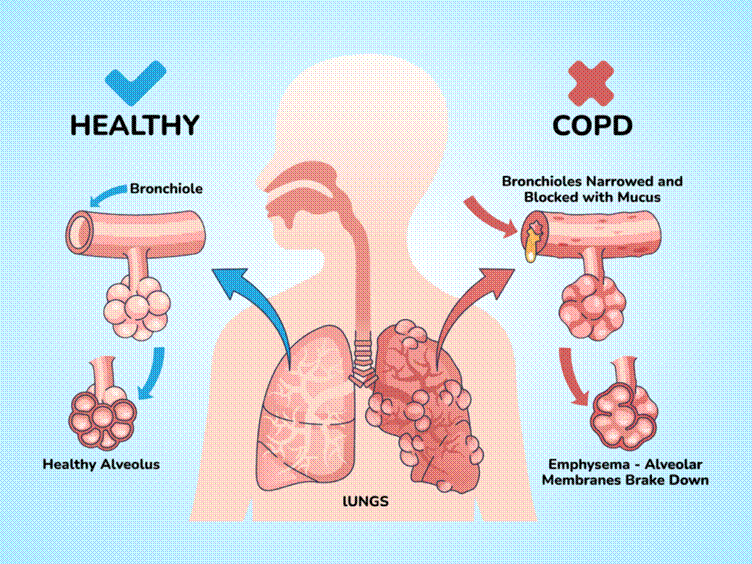
Chronic Obstructive Pulmonary Disease (COPD) is a progressive lung condition that makes breathing increasingly difficult. Its two main conditions are chronic bronchitis and emphysema, both of which obstruct airways and limit airflow. While COPD is most associated with smoking, long-term exposure to air pollution, dust, and chemicals can also contribute to its development.
Symptoms of COPD
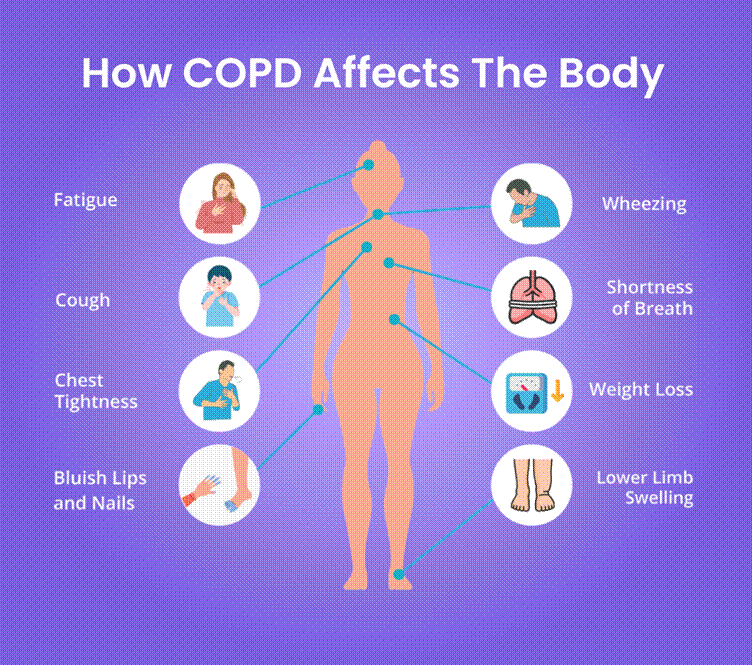
The symptoms of COPD often develop gradually and worsen over time. Common signs include:
Persistent cough that produces mucus (chronic bronchitis)
Wheezing due to airway narrowing
Fatigue caused by reduced oxygen supply
Shortness of breath, especially during physical activities
Difficulty recovering from colds or respiratory infections
Feeling winded after simple tasks like climbing stairs
Why Seniors Are More at Risk for Breathing Problems
Weaker Lungs with Age: As we grow older, our lungs lose strength and elasticity, making deep breathing more difficult. The muscles that support breathing also weaken, leading to shortness of breath, even with mild activity.
Narrower Airways and Increased Mucus: Aging causes airways to become slightly narrower and produce more mucus, which can trap allergens, dust, and bacteria. This increases the risk of allergies, infections, and chronic breathing difficulties.
Weakened Immune System: The body’s ability to fight infections declines with age, making seniors more vulnerable to respiratory illnesses like pneumonia and the flu. These infections can quickly become severe if not managed properly.
Environmental and Lifestyle Factors: Long-term exposure to pollution, smoking (even second-hand smoke), and indoor allergens can worsen conditions like asthma and COPD. Since many seniors spend more time indoors, poor air quality can have a significant impact on their lung health.
Recognizing these risks is the first step in preventing serious respiratory issues. By making simple adjustments to daily habits, seniors can protect their lungs and breathe more easily.
Tips to Prevent Respiratory Issues
Avoid Environmental Triggers Seniors should minimize exposure to allergens and pollutants that can trigger asthma and other respiratory issues. Reducing indoor allergens, including dust mites, pet dander, and mold, while avoiding outdoor pollutants like pollen and vehicle emissions, is essential. Regular cleaning and the use of air purifiers can help maintain improved indoor air quality.
Proper Inhaler Use For seniors with COPD or asthma, using inhalers correctly is crucial for effective treatment. Many elderly patients struggle with proper inhaler techniques, reducing the medication’s effectiveness. Regular training and technique reviews with healthcare professionals can lead to better disease management.
Vaccinations Staying up to date with flu and pneumonia vaccinations is vital in preventing respiratory infections, which can worsen conditions like asthma and COPD. Seniors are more vulnerable to infections due to age-related immune system changes, making vaccinations an important preventive measure.
Respiratory Rehabilitation Participating in respiratory rehabilitation exercises can improve lung function and reduce symptoms in seniors with COPD. These exercises enhance breathing efficiency, alleviate breathlessness, and improve overall endurance.
Healthy Lifestyle Choices A well-balanced diet and regular physical activity contribute to stronger lung function. Avoiding smoking is particularly crucial because smoking is a significant risk factor for COPD and other respiratory conditions.
Monitor Air Quality Seniors should stay informed about air quality levels, particularly on high pollution days. Staying indoors when air quality is poor and using air conditioning can help minimize exposure to harmful particles that may worsen respiratory conditions.
Regular Medical Check-ups Routine check-ups with healthcare providers help in the early detection and management of respiratory issues. This is especially important for seniors with a history of lung-related problems, as timely intervention can prevent complications.
Seniors can improve their overall quality of life and lower their risk of flare-ups by using these strategies to better manage their respiratory health.
Role of Nutrition in Respiratory Health – COPD
A healthy diet is essential for preserving lung function and averting respiratory problems. Nutrient-rich foods help reduce inflammation, support immune function, and enhance overall lung capacity. Seniors should focus on consuming antioxidant-rich fruits and vegetables like berries, spinach, and carrots, which help protect lung tissues from damage. Walnuts and flaxseeds contain omega-3 fatty acids, which can help lower airway inflammation and facilitate breathing.
Maintaining adequate hydration is equally important because it thins mucus, making it easier to clear the airways. Seniors should also limit their intake of processed foods and excessive salt because these foods can worsen breathing issues and fluid retention. By choosing their food carefully, seniors can improve their respiratory systems and reduce their risk of lung health issues.
Pulmonary Rehabilitation: A Game Changer for COPD Management
Pulmonary rehabilitation is one of the most effective ways for people with COPD to improve their breathing, build stamina, and enhance overall well-being. This structured program combines exercise training, education, and breathing techniques to help individuals manage their symptoms and stay active.
How Pulmonary Rehabilitation Helps
Improves lung efficiency: Guided exercises strengthen respiratory muscles, making breathing easier over time.
Reduces breathlessness: Training in controlled breathing techniques like pursed-lip breathing helps manage shortness of breath.
Provides emotional support: COPD can be mentally challenging, but rehabilitation programs often include counselling and support groups to help individuals cope.
Teaches effective symptom management: Participants learn ways to recognize warning signs of exacerbations and act before symptoms worsen.
Who Should Consider Pulmonary Rehab?
Anyone with moderate to severe COPD or chronic lung disease who experiences frequent breathlessness can benefit. Pulmonary rehab is often recommended for individuals who struggle with daily activities like climbing stairs, walking long distances, or carrying groceries.
By incorporating pulmonary rehabilitation into COPD management, individuals can regain confidence in their breathing, stay active, and improve their overall quality of life.
How mySeniorCareHub Can Help Manage COPD and Respiratory Health
Managing COPD and chronic lung issues requires continuous monitoring, timely intervention, and lifestyle adjustments. mySeniorCareHub offers a comprehensive healthcare solution designed to support seniors in maintaining their respiratory health.
Personalized Health Monitoring: The Wellness Score feature tracks vital signs like oxygen levels, pulse rate, respiration rate, and overall lung health, helping seniors and caregivers detect early signs of respiratory distress.
Medication Reminders: Many seniors struggle with medication adherence, which is critical for COPD management. mySeniorCareHub smart reminders ensure timely use of inhalers, oxygen therapy, and prescribed medications.
Emergency Alerts & GPS Tracking: Sudden breathlessness or flare-ups can be life-threatening. The app provides real-time emergency alerts with GPS location sharing, allowing immediate assistance from caregivers or emergency services.
Seniors with COPD can improve their overall quality of life, decrease hospitalizations, and better manage their illness by incorporating mySeniorCareHub into their daily routine.
When Everyday Movements Feel Like a Challenge – Parkinson Disease
Ravi, a 65-year-old man, always loved his morning walks. The crisp air, the gentle sway of trees, and the rhythmic sound of his footsteps on the pavement made each day feel fresh. But lately, something has changed. His steps felt smaller, his hands trembled as he buttoned his shirt, and even holding a cup of tea required extra effort. At first, he brushed it off as aging, but deep down, he knew something wasn’t right.
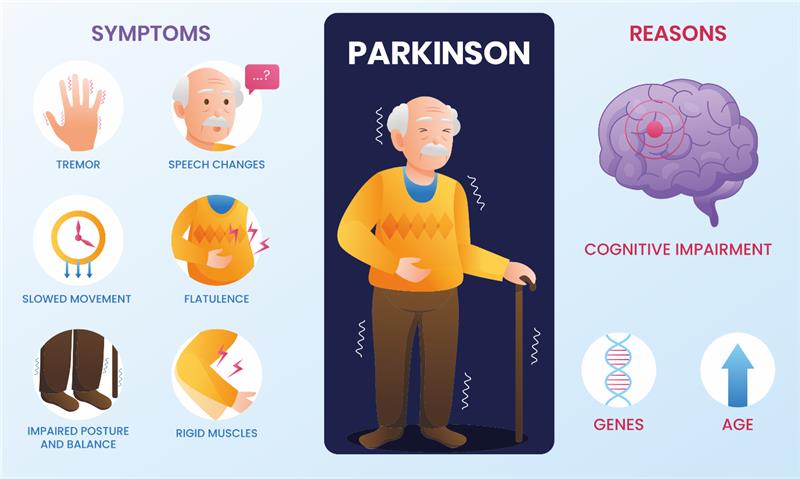
Slower movements, stiffness, or a mild tremor that is easy to overlook are some of the early symptoms of Parkinson’s disease that many elderly people experience. However, awareness is essential. Recognizing these early symptoms can make all the difference in ensuring a smoother journey for the elderly and their caregivers.
Caring for a loved one with Parkinson’s goes beyond managing physical symptoms—it’s about helping them maintain their independence, dignity, and emotional well-being. Little adjustments, such as changing their living arrangement, monitoring their medication, or being patient and reassuring, can have a huge impact. This guide provides practical tips to navigate the challenges of Parkinson’s care, making daily life safer, smoother, and more comfortable for your loved one.
Is It Just Aging or Something More? Parkinson in Seniors
Imagine this: Your dad is sitting with you for breakfast when his hands shake a little as he reaches for his cup. “Just old age,” he says with a smile, brushing it off. Later, you notice he’s walking slower, his steps shorter, almost as if his feet are glued to the floor. His once-bold handwriting now looks cramped and shaky. Over time, it gets harder to ignore these changes, even though they initially appear minor.
Parkinson’s often starts with these subtle signs—tremors, stiffness, or difficulty with everyday tasks. Many seniors mistake them for normal aging, delaying crucial medical attention. But the earlier Parkinson’s is detected, the better it can be managed. If you’ve noticed persistent slowness, balance issues, or changes in movement, it’s time to seek medical advice. Early detection of the symptoms can significantly improve the likelihood that your loved one’s journey will be easier and more independent.
When to Seek Medical Help – Parkinson Disease Symptoms
Regular medical check-ups are essential for managing Parkinson’s, but certain symptoms require immediate attention. Recognizing these signs early can prevent complications.
Worsening Mobility Issues: If walking, balance, or coordination declines suddenly, consult a doctor.
Uncontrolled Tremors or Stiffness: If medications become less effective or symptoms worsen, adjustments may be needed.
Swallowing or Speech Difficulties: Choking, trouble swallowing, or slurred speech should not be ignored.
Severe Mood Changes: Depression, hallucinations, or confusion may indicate medication side effects or disease progression.
Medication Side Effects: Any unusual reactions like dizziness, nausea, or severe fatigue should be reported.
Tips for Parkinson – Creating a Safe and Supportive Environment
Small changes at home can make a big difference for someone with Parkinson’s. Imagine waking up in the middle of the night, trying to walk to the bathroom, only to trip over a misplaced rug or struggle with a dimly lit hallway. For seniors with Parkinson’s, these everyday challenges can pose serious risks.
A few simple home adjustments can make daily life safer and more comfortable for seniors with Parkinson’s. Here’s how you can create a supportive space:
Reduce Fall Risks
Remove loose rugs and clutter that could cause tripping.
Install non-slip mats in bathrooms and near sinks.
Improve Accessibility
Rearrange furniture to allow clear, wide walking paths.
Use sturdy chairs with armrests to help with sitting and standing.
Keep frequently used items within reach to avoid excessive bending or stretching.
Enhance Safety with Smart Modifications
Install grab bars in bathrooms and near staircases.
Improve lighting, especially in hallways and entryways.
Consider motion-sensor lights for nighttime safety.
Use the mySeniorCareHub app: With just one tap, users can instantly send emergency alerts to pre-designated contacts using mySeniorCareHub “SOS” feature.
Making life easier through daily care strategies.
Here are some practical tips to support your loved one’s daily routines and help them maintain a sense of independence:
Boost Mobility:
See a physiotherapist for a customized regimen that includes light exercises and gentle stretching.
Ensure walking aids like canes or walkers are always within reach and in working condition.
Simplify Dressing:
Opt for clothing with Velcro or elastic bands instead of buttons or zippers.
Let your loved one choose their outfit to promote independence while helping when needed.
Antioxidant-rich foods like berries, nuts, and leafy greens may slow neurodegeneration, while omega-3 fatty acids support brain function. Fiber from whole grains, fruits, and vegetables helps prevent constipation, a common issue in Parkinson’s.
Stick to a Routine:
Create a visual schedule or chart for daily activities to provide structure and ease confusion.
Ensure medications and supplements are taken on time with mySeniorCareHub, which provides reminders and tracks adherence to prevent missed doses.
By incorporating these daily care strategies, you can make everyday tasks more manageable and enjoyable, ensuring a better quality of life for your loved one.
Emotional Well-Being: A Key Aspect of Parkinson’s Care
Parkinson’s disease not only affects mobility but also has a significant impact on mental and emotional health. Studies suggest that up to 50% of individuals with Parkinson’s experience depression or anxiety, often due to changes in dopamine levels and the challenges of daily living. Addressing emotional well-being is crucial for overall disease management.
Encourage Social Connections: Help them stay engaged by arranging family visits, encouraging them to join local or online support groups, and using technology like video calls to keep in touch with loved ones.
PromoteEnjoyableActivities: Involve them in hobbies they love, such as listening to music, painting, gardening, or solving puzzles. These small joys can boost their mood and provide a sense of purpose.
Create a Calm and Positive Space: Encourage relaxation techniques like meditation or deep breathing exercises. A peaceful environment with uplifting conversations and positive reinforcement can help ease stress.
Be a Patient Listener: Parkinson’s may slow their speech, making communication difficult. Give them time to express themselves without interruptions, acknowledge their emotions, and remind them they are not alone in this journey.
Final Thoughts: Caring with Compassion
Although Parkinson’s disease may alter a senior’s speech, movement, or interactions with others, it need not rob them of their freedom or contentment. With the right support, they can continue to live a fulfilling life surrounded by love and understanding. Every effort, whether creating a safe environment, ensuring they take their medication as prescribed, or simply lending a sympathetic ear, helps them navigate this journey without hesitation.
Caretakers can transform everyday obstacles into manageable moments by remaining informed, making considerate adjustments, and streamlining routines with tools like mySeniorCareHub. Remember, it’s not just about adding years to life, but adding life to those years. With patience, love, and the right approach, you can make every day smoother, brighter, and more fulfilling for your loved one.