

Healthy Aging Month: Smart Ways to Stay Independent & Safe
September is celebrated as Healthy Aging Month, a reminder that growing older doesn’t have to mean losing independence or quality of life. With the right lifestyle choices, preventive care, and a safe environment, seniors can continue to live active, fulfilling, and self-reliant lives.
This article explores smart ways to stay independent and safe, backed with facts, tips, and practical strategies.
Why Healthy Aging Matters
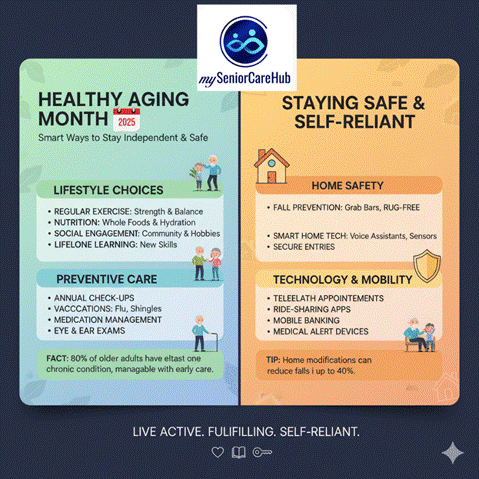
- By 2050, nearly 1 in 6 people worldwide will be over the age of 65 (WHO).
- Independence is strongly linked to better mental health, lower risk of depression, and higher life satisfaction among seniors.
- Falls, chronic conditions, and isolation are the top barriers to independent living.
Smart Ways to Stay Independent & Safe
1. Prioritize Physical Health
Maintaining strength, flexibility, and balance helps reduce the risk of falls—the leading cause of injury among older adults.
Tips:
- Engage in at least 150 minutes of moderate physical activity weekly (walking, swimming, yoga).
- Add strength training twice a week to prevent muscle loss.
- Stretch daily to improve flexibility.
Table: Benefits of Common Exercises for Seniors
| Exercise Type | Example Activities | Key Benefits |
| Aerobic | Walking, cycling | Heart health, weight control |
| Strength Training | Resistance bands | Strong bones & muscles |
| Balance Training | Tai chi, yoga | Fall prevention |
| Flexibility | Stretching, pilates | Mobility, posture |
2. Eat for Energy & Longevity
Nutrition plays a vital role in maintaining independence. Seniors often need fewer calories but more nutrients.
Healthy aging diet essentials:
- Lean proteins (fish, eggs, legumes) to preserve muscle mass.
- Fiber-rich foods (whole grains, fruits, vegetables) for digestion.
- Adequate calcium and vitamin D for bone strength.
- Stay hydrated older adults are more prone to dehydration.
3. Keep the Mind Active
A sharp mind is key to independent living. Cognitive decline is not inevitable; engaging the brain daily helps.
Ways to boost brain health:
- Learn a new skill (language, instrument).
- Do puzzles, crosswords, or memory games.
- Stay socially connected—loneliness is as harmful as smoking 15 cigarettes a day (Harvard study).
4. Manage Chronic Conditions Wisely
Almost 80% of seniors have at least one chronic condition (CDC). Managing them well prevents hospitalizations and dependency.
Smart practices:
- Take medications on schedule—use pill organizers or reminders.
- Regular check-ups and screenings.
- Monitor blood pressure, glucose, and weight at home.
5. Create a Safe Living Space
Home modifications can significantly reduce accidents and make daily activities easier.
Checklist for a safe home:
- Install grab bars in bathrooms.
- Use non-slip mats and adequate lighting.
- Remove loose rugs or clutter.
- Keep frequently used items within easy reach.
6. Stay Connected & Engaged
Social interaction not only prevents isolation but also boosts emotional well-being.
Ideas:
- Join community groups, hobby clubs, or volunteering programs.
- Use technology—video calls, online classes, or senior-friendly apps.
- Celebrate small milestones and birthdays with family/friends.
7. Embrace Preventive Care
Prevention is always better than cure.
Essential preventive steps for seniors:
- Annual flu shots and vaccines (shingles, pneumonia).
- Vision, hearing, and dental check-ups.
- Regular screenings (cancer, bone density).
Table: Key Health Screenings by Age 60+
| Screening/Test | Recommended Frequency |
| Blood pressure | Every visit/annually |
| Cholesterol check | Every 4–6 years |
| Bone density test | Every 2 years (esp. women) |
| Colonoscopy | Every 10 years |
| Vision & hearing | Every 1–2 years |
Quick Facts to Note
- 1 in 4 older adults falls each year, but most falls are preventable (CDC).
- Staying socially connected can increase life expectancy by up to 50%.
- Brain plasticity continues even in later years—learning never stops.
Final Thoughts
Healthy Aging Month is a great time to take stock of habits and lifestyle choices. Staying independent isn’t just about physical health—it’s about a balanced mix of body, mind, safety, and social connection. Small daily steps like exercising, eating well, and ensuring a safe home can go a long way in preserving independence.
Healthy aging is not about adding years to life but about adding life to years.