Top Watches for Dementia Patients With GPS Tracking and Safety Alerts

When an aging parent with dementia starts becoming disoriented or wandering from familiar places, families often need a practical way to stay aware of their location. A watch for dementia patients can provide location information while remaining easier to keep with the senior than a smartphone or separate tracker.
However, dementia watches vary considerably. Some primarily provide GPS tracking, while others combine geofencing, SOS alerts, fall detection, and communication features. Before buying, families should compare how well each option fits their loved one’s habits, safety needs, and comfort with wearable technology.
HELP THEM STAY INDEPENDENT WHILE YOU STAY CONNECTED
Choose a senior-focused GPS watch that combines location awareness with safety features for aging loved ones living with dementia or Alzheimer’s.
What Is the Best Watch for Dementia Patients?
The right watch depends on the senior’s stage of dementia, wandering risk, daily routine, and willingness to wear something on their wrist.
Here are the main options families will encounter:
| App | Best For | Sharing Type | Additional Features |
|---|---|---|---|
| mySeniorCareHub | Aging parents and caregivers | Ongoing | GPS tracking, geofencing, senior safety tools |
| Google Maps | Simple Android/iPhone sharing | Temporary or ongoing | Map-based location sharing |
| Apple Find My | Apple families | Ongoing | People and device location |
| Life360 | General family tracking | Ongoing | Place alerts and family tracking features |
The best watch for Alzheimer patients should not simply have the most features. It should provide the features caregivers actually need while remaining comfortable enough for the senior to wear consistently.
1. GPS Safety Watches for Wandering
A dedicated GPS safety watch is one of the most relevant options when wandering is the family’s primary concern.
A dementia tracker watch can transmit location information that approved caregivers view through a companion app or platform. This can be useful if a parent takes an unexpected route, becomes confused while outside, or does not return home as expected.
Look for real-time or frequently updated location tracking rather than focusing solely on whether the product description mentions GPS.
Geofencing is another valuable feature. It allows caregivers to create selected safe areas and receive notifications when the watch moves beyond those boundaries.
2. Medical Alert Watches With GPS
Families concerned about both wandering and emergencies may prefer a medical alert watch with GPS capabilities.
These watches can combine location awareness with features such as an SOS button, fall detection, or emergency communication, depending on the model.
This can reduce the need for separate devices.
For example, if an older adult becomes disoriented and then experiences a fall, caregivers may benefit from having location and safety functionality available through the same wearable.
Before purchasing, understand exactly how emergency alerts work, who receives them, and whether professional monitoring requires an additional subscription.
3. Senior Smartwatches With Safety Features
Some watches for seniors with dementia provide a wider combination of everyday safety capabilities.
These may suit older adults who remain relatively independent but whose families want additional ways to stay connected.
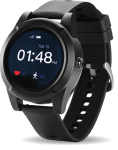
The SafeLynk Smart Watch from mySeniorCareHub is one senior-focused option to consider. It combines wearable technology with safety capabilities designed around older adults rather than general fitness or entertainment use.
For families comparing devices, the advantage of a senior-focused smartwatch is the ability to consider GPS tracking alongside other safety needs instead of purchasing a location-only tracker.
Which GPS Watch Features Matter Most?
When comparing an Alzheimer GPS watch, focus on practical features rather than an unnecessarily long specification list.
GPS location tracking: Caregivers should be able to access useful location information when a senior cannot be reached.
Geofencing: Safe-zone alerts can provide earlier awareness when a loved one moves outside a selected familiar area.
SOS functionality: An accessible SOS feature gives seniors another way to request assistance when they are able to activate it.
Fall detection: Automatic fall detection can add another safety layer when a senior cannot manually request help.
Battery life: A watch cannot provide GPS or safety functionality after its battery runs out. Consider whether its charging schedule is realistic.
Caregiver connectivity: Check whether appropriate family members can receive alerts or access relevant information.
Simple usability: Small icons, complicated menus, and unnecessary controls can make a watch harder for someone experiencing cognitive changes.
Should You Choose a Watch With Geofencing?
Geofencing can be particularly valuable when wandering has become a concern.
Families can establish virtual areas around places such as home. When a compatible watch detects movement beyond the defined boundary, an alert can be generated according to the system’s settings.
This does not prevent wandering, nor should it replace appropriate supervision. Instead, it provides caregivers with another source of information that may help them recognize an unexpected movement sooner.
Families should compare alert speed, GPS reliability, network requirements, and how easily safe zones can be managed.
Does a Dementia Watch Need Fall Detection and SOS?
Not every family needs every feature, but combining GPS with emergency capabilities can be useful.
A manual SOS button can help when a senior recognizes that they need assistance and is physically able to activate the watch.
Fall detection addresses a different situation because a possible fall may generate an alert without relying solely on manual button activation.
No automatic fall-detection technology can guarantee detection of every fall, so families should understand its limitations before purchasing.
What Should You Check Before Buying?
Before selecting a watch for dementia patients, compare the complete cost and everyday usability.
Check the device price, monthly cellular or monitoring fees, battery and charging requirements, GPS coverage, water resistance, caregiver app, geofencing, SOS functionality, fall detection, and cancellation terms.
Most importantly, consider whether your parent will actually wear the watch.
Someone who has worn a wristwatch throughout their life may adapt easily to a GPS watch. A senior who repeatedly removes wrist devices may benefit from a different form factor, such as a pendant or locket.
Final Thoughts
The best dementia watch is the one that matches the senior rather than simply offering the largest number of features.
Families primarily worried about wandering should prioritize reliable GPS tracking and geofencing. Those also concerned about falls or emergencies may prefer a watch combining location tracking with SOS and fall-detection capabilities.
For families seeking a senior-focused wearable, the SafeLynk Smart Watch offers an option designed around aging adults and caregiver connectivity.
Ultimately, choosing the right watch for dementia patients means balancing GPS reliability, safety alerts, comfort, battery life, simplicity, and ongoing cost. A watch that fits naturally into an aging parent’s routine can provide more practical value than a more complicated device they are unwilling to wear.
STAY INFORMED WHEN WANDERING BECOMES A CONCERN
Frequently Asked Questions (FAQs)
-
The best watch for dementia patients depends on the person’s wandering risk, daily routine, and comfort with wearing a watch. For dementia care, useful features to compare include GPS location tracking, geofencing, SOS alerts, battery life, caregiver access, and a simple interface.
-
A dementia GPS watch uses location technology, often combined with cellular connectivity, to send location information to a caregiver’s connected app or platform. Depending on the watch, caregivers may also receive safe-zone alerts or communicate with the wearer.
-
Yes. A dementia tracker watch with geofencing can allow caregivers to establish virtual safe zones around places such as home. The connected system can generate an alert when the watch is detected outside the designated boundary.
-
Many GPS watches use cellular connectivity to transmit location information and therefore require an ongoing subscription or service plan. Costs and included services vary considerably, so families should compare both the upfront device price and recurring fees before purchasing.