Best GPS Trackers for Elderly Parents with Dementia & Alzheimer’s (2026)
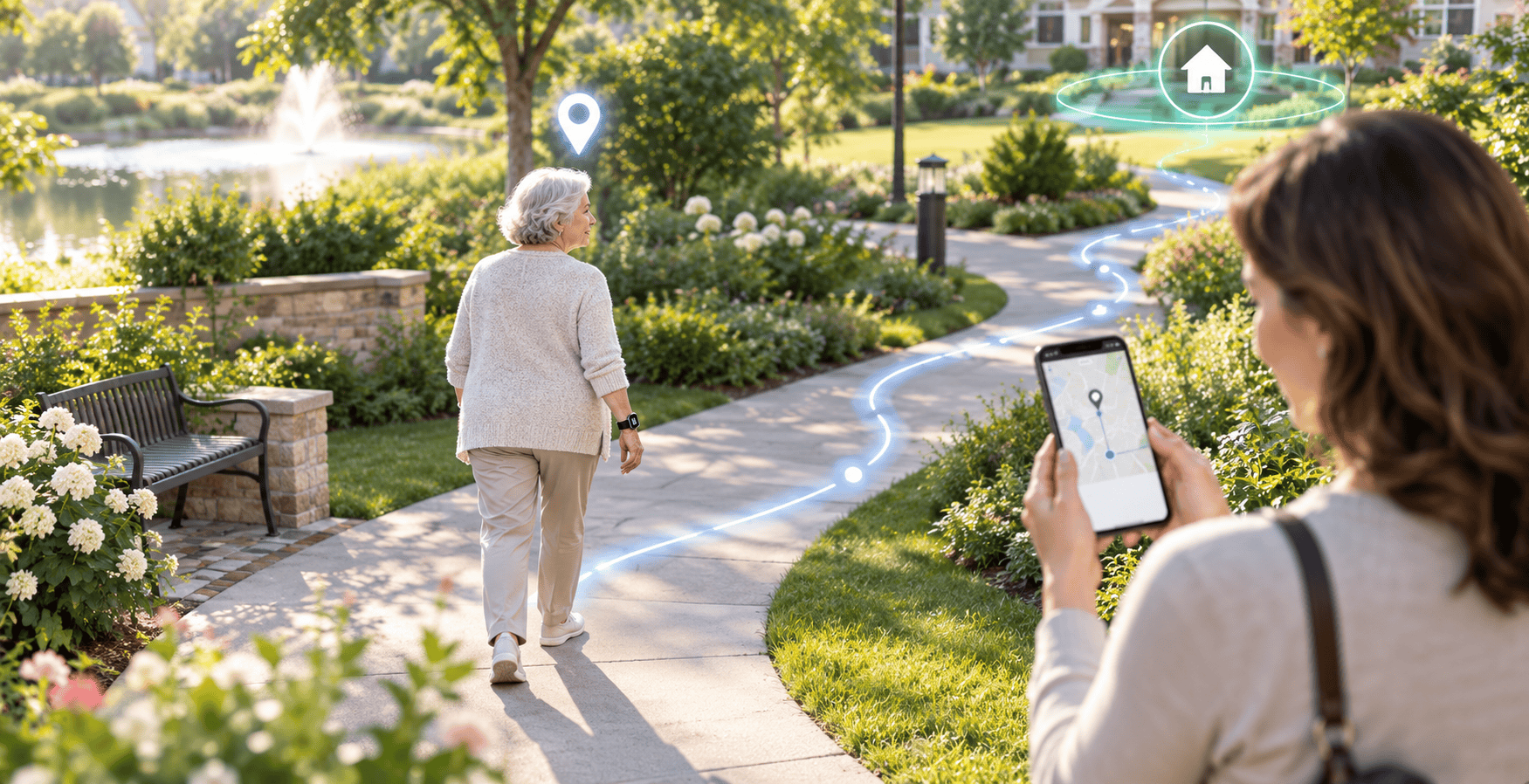
Wandering is one of the most difficult safety concerns families may face when caring for an elderly parent with dementia or Alzheimer’s. A loved one can become disoriented, leave a familiar environment, or struggle to remember the route home.
A GPS tracker for elderly with dementia can give caregivers access to location information when these situations occur. Modern tracking devices are available as watches, pendants, clip-on trackers, shoe-based solutions, and medical alert wearables.
In 2026, many options go beyond basic location tracking and may include geofencing, emergency buttons, fall detection, two-way communication, and caregiver notifications. Choosing the right one depends on the senior’s wandering risk, daily habits, comfort with wearables, and level of caregiver support.
STAY CONNECTED WHEN WANDERING BECOMES A CONCERN
Give your aging loved one greater freedom while staying connected with senior-focused GPS tracking and safety features.
Why GPS Tracking Matters for Seniors With Dementia
Dementia and Alzheimer’s can affect memory, orientation, judgment, and the ability to recognize familiar surroundings. As these changes progress, a senior may become confused while following a previously familiar routine.
A tracking device gives families an additional way to locate a loved one when wandering or disorientation occurs.
GPS tracking should not replace appropriate supervision or a broader dementia safety plan. Instead, it can provide another layer of information that may help caregivers respond when a loved one’s location is unknown.
Key Features to Look for in a Dementia GPS Tracker
Not every GPS device is designed around the needs of older adults with cognitive impairment. Before purchasing a tracker for elderly with dementia, compare these features carefully.
Real-time GPS tracking: Look at how frequently the device updates its location and how caregivers access that information.
Geofencing: Safe zones allow caregivers to establish virtual boundaries around locations such as the senior’s home. Compatible devices can provide alerts when those boundaries are crossed.
SOS button: Some devices allow the wearer to manually request assistance.
Fall detection: Certain wearable trackers can provide an additional alert when a possible fall is detected.
Battery life: Frequent charging can become difficult for someone experiencing memory loss. Consider how charging will realistically be managed.
Secure wearability: A tracker provides little benefit if the senior frequently removes or forgets it.
Indoor and outdoor positioning: GPS generally works best outdoors, so families should understand how the selected device handles location information in different environments.
Water resistance: This can be important for a device intended to remain with the senior throughout normal daily activities.
Cellular coverage: Many GPS devices depend on cellular connectivity to transmit location information. Check coverage where the senior normally lives and travels.
Families should also compare upfront prices with monthly service fees because some real-time GPS trackers require an ongoing cellular subscription.
Types of GPS Tracking Devices Available in 2026
1. Wearable GPS Watches
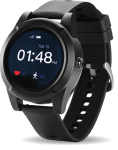
A GPS watch can combine location tracking with several safety functions in one wearable.
Google Maps is also useful when family members use different smartphone platforms.
A watch can be particularly practical for an elderly parent who already wears one every day.
Best for: Seniors who comfortably accept wrist-worn devices.
Consider: Battery life, charging frequency, water resistance, screen complexity, location features, and whether the strap can easily be removed.
2. Clip-On and Pocket GPS Trackers
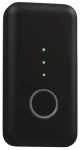
A compact dementia tracking device can be attached to clothing or placed in a frequently used pocket or bag.
This format can work for seniors who dislike watches. The primary advantage is its small size, although caregivers need to consider whether the device could be removed, misplaced, or left behind.
Best for: Seniors who resist wrist-based wearables.
Consider: Attachment method, battery life, size, geofencing, location-update frequency, and subscription costs.
3. GPS Shoe-Based Trackers
Some GPS tracking solutions are designed to be incorporated into footwear.
This approach can be useful when a person repeatedly removes visible wearables but consistently puts on the same shoes before leaving home.
Best for: Seniors who resist conventional wearable trackers.
Consider: Charging, shoe compatibility, comfort, location accuracy, and whether the senior regularly wears the required footwear.
4. Medical Alert GPS Wearables
Medical alert wearables combine location functionality with emergency-focused features.
Depending on the system, they may be available as pendants or wrist devices and can include SOS capabilities, fall detection, communication, or access to emergency support.
Best for: Families concerned about both wandering and emergencies.
Consider: Monitoring services, response process, cellular coverage, monthly fees, battery life, and wearability.
GPS Watch vs Other Trackers: Which Is Better?
There is no universal winner.
A GPS for seniors with dementia should match the person’s established routine.
If your parent has worn a watch for decades, a GPS smartwatch may feel familiar. If they frequently remove watches, a pendant, clip-on tracker, or another discreet format may be easier to maintain.
For families wanting location awareness alongside additional senior-safety capabilities, the SafeLynk Smart Watch from mySeniorCareHub is one option to consider.
Families whose loved one prefers a necklace-style wearable can also explore the SafeLynk Smart Locket.
The important buying question is not simply which tracker has more features. It is which device your parent is most likely to keep with them consistently.
How GPS Tracking Can Work With Other Senior Safety Tools
Wandering is not the only concern families may be managing.
An elderly parent with dementia may also need support around falls, emergencies, medication routines, everyday wellness, or caregiver communication.
For this reason, GPS tracking can form one part of a broader safety approach.
mySeniorCareHub provides connected senior-safety solutions including location tracking, the SafeLynk Smart Watch, SafeLynk Smart Locket, Daily Check-In, Medication Reminder, Family Safety features, and an In-Home Medical Alert System.
Families can therefore consider whether they need a standalone tracker or a broader combination of safety tools.
What Do GPS Trackers for Dementia Cost?
Costs depend on the type of device and the service supporting it.
Some trackers require an upfront hardware purchase plus a monthly cellular or monitoring subscription. Others may have a lower initial device cost but ongoing service charges.
When comparing prices, calculate the total cost of ownership, not simply the advertised device price.
Check:
- Initial device cost
- Monthly tracking subscription
- Cellular service
- Monitoring fees
- Replacement accessories
- Cancellation requirements
A cheaper tracker is not necessarily better value if it lacks the features your family actually requires.
How to Choose the Right GPS Tracker for Your Parent
Start with your parent’s behavior and routine.
Ask whether they will wear a watch, whether they consistently wear a necklace, whether they tend to remove unfamiliar objects, and who will manage charging.
Then compare tracking functionality.
For someone with a significant wandering risk, real-time location information and geofencing may take priority. If falls or other emergencies are also a concern, look for a solution that combines tracking with emergency features.
Finally, evaluate caregiver usability. Location information needs to be easy for the appropriate family members to access when it matters.
Final Thoughts
The best GPS tracker for elderly with dementia is not necessarily the smallest device, the cheapest option, or the tracker with the longest specification list.
GPS watches can provide a familiar wearable format with additional safety capabilities. Clip-on trackers may work for seniors who dislike watches. Shoe-based options can offer another approach for people who repeatedly remove visible devices, while medical alert GPS systems may better suit families concerned about both wandering and emergencies.
The right choice depends on your parent’s stage of dementia, wandering behavior, tolerance for wearables, charging routine, and the level of caregiver support available.
Most importantly, treat GPS tracking as one component of a broader dementia safety strategy. The technology can provide valuable location information, but it cannot prevent every wandering event or replace appropriate caregiving.
Choose a solution your loved one can realistically keep with them every day. That practical fit can be just as important as GPS accuracy, geofencing, battery life, or any other feature on the specification sheet.
HELP THEM STAY INDEPENDENT. KNOW WHEN THEY MAY NEED HELP.
Frequently Asked Questions (FAQs)
-
The best GPS tracker for elderly with dementia depends on the senior’s wandering risk, daily routine, and willingness to wear the device. Look for real-time location tracking, geofencing, reliable battery life, comfortable wearability, caregiver access, and emergency features such as SOS or fall detection.
-
Some tracking options do not charge a monthly subscription, but many dedicated real-time GPS trackers use cellular connectivity and therefore require an ongoing data or service plan. Bluetooth trackers can avoid subscription fees but depend on nearby compatible devices and are not equivalent to dedicated cellular GPS tracking.
-
An AirTag can provide supplementary location information through Apple’s Find My network, but it is not a dedicated real-time GPS tracker. It relies on nearby Apple devices to report its location and lacks dementia-focused features such as SOS calling, fall detection, or dedicated cellular GPS connectivity.
-
Yes, trackers with geofencing or safe-zone alerts can notify caregivers when the device moves beyond a predefined area, such as the senior’s home. The speed and accuracy of these notifications depend on the device, location-update frequency, GPS signal, and network connectivity.
-
The most suitable type is usually the one the senior will consistently wear or carry. GPS watches can suit seniors accustomed to wearing a watch, pendants provide a simpler wearable format, and clip-on or discreet trackers may be more practical for someone who frequently removes wrist-worn devices.