Best GPS Tracker for Dementia Patients: Compare Top Options in 2026

When a loved one with dementia begins wandering, taking unfamiliar routes, or struggling to find their way home, families often consider GPS tracking as an additional safety measure. The challenge is choosing a device that the person will actually carry or wear consistently.
The best GPS tracker for dementia patients should provide reliable location information while remaining simple, comfortable, and appropriate for the senior’s daily routine. Some families need a wearable watch, while others prefer a discreet locator or smartphone-based solution.
Here is what to compare before buying a dementia tracking solution in 2026.
HELP PROTECT THEM WHEN WANDERING BECOMES A CONCERN
Stay connected to an aging loved one with GPS location tracking and senior-focused safety features designed for greater independence and caregiver reassurance.
What Is the Best GPS Tracker for Dementia Patients?
There is no single tracker that suits every person with dementia. The right choice depends on wandering risk, comfort, independence, caregiver needs, and whether emergency features are required.
Common options include:
| Option | Where It Makes Sense | Main Trade-Off |
|---|---|---|
| Google Maps | Simple location sharing across common smartphones | Not built as a complete senior safety platform |
| Apple Find My | Families already using Apple devices | Less suitable for mixed-device households |
| Life360 Free | Families wanting a dedicated tracking experience | Some capabilities are reserved for paid memberships |
| Senior-focused alternative | Families needing tracking plus caregiving tools | May involve paid services |
Understanding these differences can prevent families from buying a device that does not match their actual caregiving needs.
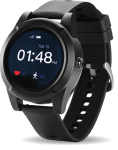
1. GPS Smartwatch for Dementia Patients
A GPS smartwatch can be useful for seniors who are comfortable wearing something on their wrist every day.
Unlike a basic tracker for dementia patients, a smartwatch can combine location awareness with additional safety functions. Depending on the device, these may include SOS alerts, fall detection, calling capabilities, or caregiver connectivity.
Wearability is critical. A feature-rich watch provides little benefit if the senior frequently removes or forgets it.
Families should therefore compare comfort, battery life, GPS functionality, cellular connectivity, ease of charging, and emergency features before purchasing.
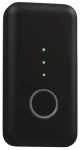
2. Dedicated Dementia GPS Tracker
A dedicated dementia GPS tracker focuses primarily on helping caregivers determine a loved one’s location.
These devices may be worn, attached to clothing, or carried depending on their design. They can be useful for families whose main concern is wandering rather than broader health or communication features.
When comparing a dedicated GPS tracking device for dementia, check whether it provides real-time or regularly updated location information, geofencing, caregiver notifications, and location history.
Also investigate subscription requirements. Cellular GPS devices frequently require ongoing service to transmit location data.
3. GPS Pendant or Locket
Some seniors may resist wearing a smartwatch but feel comfortable wearing a pendant or locket.
This makes a wearable locket worth considering when selecting a dementia tracking device. A discreet design can feel less clinical and may fit naturally into an established daily routine.
However, appearance should not outweigh functionality.
Check whether the device provides the location features your family requires, how caregivers access those details, how often it needs charging, and whether additional emergency functionality is available.
4. Smartphone-Based GPS Tracking
A smartphone can function as a GPS tracker for dementia through compatible location-sharing or family safety apps.
This approach may work well during earlier stages when the person reliably carries and charges their phone.
The major weakness is dependence on the phone itself. If a senior leaves home without it, switches it off, or cannot manage the application, caregivers may lose access to useful location information.
A dedicated wearable may therefore become more appropriate when carrying a smartphone consistently becomes difficult.
Which Features Should You Compare Before Buying?
Choosing the best GPS tracker for dementia patients requires looking beyond the word “GPS.”
Real-Time Location Tracking
Caregivers should be able to obtain useful location information when a loved one becomes disoriented or does not return as expected.
Geofencing
Geofencing allows families to establish selected areas and receive notifications associated with movement beyond those boundaries. This can be particularly valuable for dementia patient tracking when wandering is a concern.
Battery Life
A tracker cannot provide location information when its battery is depleted. Compare realistic charging requirements and whether caregivers can easily incorporate charging into the senior’s routine.
SOS and Emergency Features
Some trackers go beyond location awareness by providing an SOS function or other emergency capabilities. Consider whether your family needs tracking alone or a more comprehensive safety solution.
Caregiver Access
Determine how many relatives or caregivers can stay connected and how easy the companion app is to use.
GPS Tracker for Alzheimer’s Patients: Are the Buying Priorities Different?
Families searching for a GPS tracker for Alzheimer’s patients or GPS locator for Alzheimer’s patients generally face similar buying considerations.
The priority should be matching the technology to the individual’s abilities and routine.
A complicated device may become difficult to use as cognitive changes progress. Simpler controls, comfortable wearability, reliable caregiver access, and minimal interaction from the senior can therefore become increasingly important.
GPS technology should support a broader wandering-safety plan rather than replace caregiver supervision or other appropriate safety measures.
Consider SafeLynk for Senior-Focused GPS Safety
Families wanting more than a standalone locator can consider the SafeLynk Smart Watch from mySeniorCareHub.
It combines location awareness with senior-focused safety capabilities, providing families with an option designed around aging adults rather than general-purpose family tracking.
This approach may be particularly useful when your concerns extend beyond knowing a parent’s location to include emergency situations and ongoing caregiver connectivity.
Which GPS Tracker Should You Buy?
Start with the person, not the product.
For a senior who already wears a watch, a GPS smartwatch may be the easiest option to integrate into daily life. Someone who dislikes watches may prefer a discreet wearable. Smartphone tracking may remain sufficient when the phone is reliably carried, while a dedicated tracker can suit families primarily concerned about location.
The best GPS tracker for dementia patients is ultimately one that balances location reliability, wearability, battery life, caregiver access, emergency functionality, and ongoing cost.
Compare those factors carefully before buying. The most advanced tracker is not necessarily the right one. The right device is the one your loved one can realistically use every day while giving caregivers meaningful information when it matters.
CHOOSE MORE THAN JUST A GPS TRACKER
Frequently Asked Questions (FAQs)
-
The best GPS tracker for dementia patients depends on the senior’s routine, wandering risk, and ability to consistently wear or carry the device. Look for real-time location tracking, geofencing, reliable battery life, caregiver access, and useful emergency features.
-
A dementia GPS tracker uses location technology to determine the wearer’s position and sends that information to a connected caregiver app or online platform. Many devices also provide geofencing alerts when the wearer moves outside a predefined safe area.
-
Yes. GPS trackers with geofencing or safe-zone alerts can notify caregivers when a loved one leaves a predefined area, such as their home or another familiar location. This can help families respond sooner to potential wandering situations.
-
Many cellular GPS trackers require an ongoing service or data plan to transmit real-time location information. However, pricing models vary, and some devices use prepaid or other subscription-free arrangements. Always compare the equipment price and ongoing service costs before purchasing.
-
Accuracy varies by device, environment, network coverage, and positioning technology. GPS generally performs better outdoors, while buildings and other obstacles can reduce location precision. No location-tracking system should be considered 100% accurate.