Elderly Monitoring Systems: A Complete Guide to Remote Senior Safety

Supporting an aging parent often means balancing two priorities: respecting their independence and making sure help is available when something goes wrong. This can become especially difficult when an older adult lives alone, has mobility challenges, experiences memory loss, or manages ongoing health conditions.
An elderly monitoring system can help bridge that gap. These systems use connected devices, apps, sensors, or wearables to help families and caregivers stay informed about a senior’s health and safety remotely. Like the competitor approach you shared, the most useful way to understand these systems is to look at the different monitoring options, what each one does, and how to choose the right combination.
KEEP AGING LOVED ONES SAFER WHILE SUPPORTING THEIR INDEPENDENCE
Stay connected with an elderly monitoring system that brings everyday safety, location awareness, wellness tools, and emergency support together.
What Are Monitoring Devices for Seniors?
An elderly monitoring system is a combination of technology designed to help monitor an older adult’s safety, location, activity, or health while they live at home.
Systems range from simple emergency buttons to connected wearables and remote monitoring platforms. Depending on the senior’s needs, monitoring may include:
–
- Emergency assistance
- Fall detection
- Location tracking
- Health and vital monitoring
- Daily safety check-ins
- Medication reminders
- Home activity monitoring
- Family or caregiver notifications
These tools are particularly relevant for seniors aging in place, living alone, managing chronic conditions, or experiencing cognitive changes. Pasted markdown
Types of Elderly Monitoring Systems
There is no single monitoring solution that works for every older adult. The right choice depends on what families or care teams need to monitor and how independently the senior lives.
Medical Alert Systems
Medical alert systems are designed primarily for emergencies. They may include a wearable pendant, smartwatch, locket, or an in-home emergency button that allows the senior to request assistance.
Important features can include:
- SOS emergency buttons
- Automatic fall detection
- Two-way communication
- 24/7 monitoring support
- GPS for mobile seniors
- In-home or on-the-go coverage
For seniors who spend most of their time at home, an in-home medical alert system may be sufficient. More active older adults may benefit from a wearable solution that travels with them.
Home Safety and Activity Monitoring
Not every monitoring system needs to be worn.
Home-based sensors can monitor activity or identify possible environmental concerns. Motion sensors, for example, may help identify unusual inactivity, while door sensors can indicate that someone has unexpectedly left home.
Other systems may monitor smoke, carbon monoxide, temperature, or water-related risks. These passive tools can be useful when seniors do not want to interact constantly with technology.
Privacy should remain an important consideration. Monitoring should support independence rather than make an older adult feel continuously watched.
Wearable Health and Vital Monitoring
Wearable technology expands an elderly monitoring system beyond emergency response.
Depending on the device, wearable health technology may track information such as heart rate, blood oxygen, activity, sleep, blood pressure, or other supported measurements.
For families and professional caregivers, connected health information can provide additional visibility when they are not physically present.
Health monitoring, however, should support rather than replace professional medical evaluation.
GPS Location Tracking and Geofencing
Location monitoring can be particularly valuable when an aging loved one has dementia, Alzheimer’s disease, or another condition that increases the risk of becoming disoriented.
A GPS-enabled senior monitoring system can allow authorized family members or caregivers to view a senior’s location through an app.
Geofencing adds another safety layer. Families can establish familiar areas, such as home, and receive an alert when the senior moves beyond a designated boundary.
Useful GPS monitoring features include:
- Real-time location tracking
- Geofencing and safe zones
- Caregiver notifications
- Location history
- Wearable GPS devices
- Two-way communication
Which Elderly Monitoring System Fits Different Senior Needs?
Different risks call for different forms of monitoring.
| Senior Need | Monitoring Options to Consider |
|---|---|
| Living alone | Medical alert system, daily check-ins, fall detection |
| Fall risk | Fall detection, SOS wearable, in-home alert system |
| Dementia or wandering | GPS tracking, geofencing, wearable location device |
| Medication management | Medication reminder app, connected reminders |
| Chronic health conditions | Vital monitoring, compatible health devices |
| Independent active senior | GPS smartwatch, SOS, fall detection |
| Family living far away | Connected monitoring app, check-ins, alerts |
In many situations, families may benefit from combining several capabilities rather than relying on a single-purpose device.
How Can Families Monitor an Aging Parent Remotely?
Modern monitoring systems can send information through cellular or internet-connected technology to a family app, caregiver dashboard, or monitoring service. This allows authorized people to stay informed even when they live in another city or state. The reference article likewise notes that many safety and health devices transmit information remotely to apps or online dashboards. Pasted markdown
Remote monitoring can be especially useful for families who cannot make daily visits.
Instead of repeatedly calling to ask whether everything is okay, families may be able to use check-ins, safety notifications, location information, or connected health data to understand when follow-up could be useful.
What Should You Look for in an Elderly Monitoring System?
Start with the senior’s actual risks and daily routine rather than choosing the system with the most features.
Ask:
- Is the biggest concern falls, wandering, health, medication, or general safety?
- Will the senior comfortably wear or use the device?
- Does it work inside and outside the home?
- Does it require Wi-Fi, cellular connectivity, or a smartphone?
- Who receives emergency and safety alerts?
- Can multiple family members or caregivers stay connected?
- How frequently does a wearable need charging?
- What privacy controls are available?
- Is there a subscription or monitoring fee?
A sophisticated monitoring system provides little value if an older adult finds it too difficult or uncomfortable to use consistently.
How Does mySeniorCareHub Bring Different Types of Monitoring Together?
One limitation of traditional senior monitoring is fragmentation. A family might use one tool for emergencies, another for location, another for medication reminders, and another for wellness information.
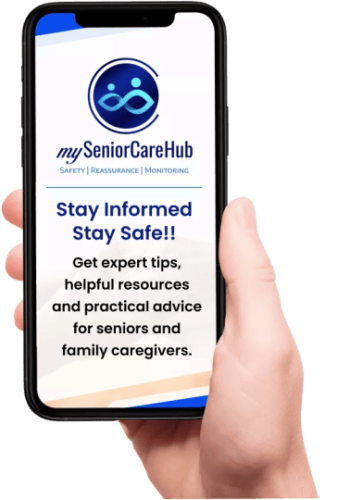
mySeniorCareHub takes a more connected approach through its app and SafeLynk ecosystem.
Depending on the selected solution, families can bring together capabilities such as location tracking and geofencing, daily safety check-ins, medication reminders, SOS support, fall detection, connected wearables, and vital monitoring.
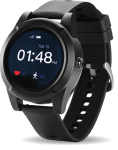
SafeLynk options such as the Smart Watch, Smart Locket, and In-Home Medical Alert System also allow families to choose a form factor that better matches the senior’s routine.
For enterprise care organizations, connected monitoring can also help extend visibility beyond an individual caregiver visit. Instead of treating remote safety as a separate activity, relevant alerts and monitoring information can become another layer of ongoing senior support.
Supporting Safety Without Taking Away Independence
The purpose of an elderly monitoring system should not be to watch every movement an older adult makes.
It should help create an appropriate safety net.
A senior living independently may need an emergency alert system. Someone with wandering risk may benefit more from GPS and geofencing. Another person managing health conditions may need connected health monitoring. For many families, combining several capabilities provides more useful coverage.
The right system can help families and professional caregivers stay informed while giving older adults the freedom to continue their everyday routines with greater confidence.
MAKE REMOTE SENIOR SAFETY EASIER TO MANAGE
Frequently Asked Questions (FAQs)
-
An elderly monitoring system uses devices, sensors, wearables, or connected apps to help families and caregivers monitor an older adult’s safety, activity, location, or health remotely.
-
The best system depends on the senior’s primary risks. Fall detection and medical alerts may suit someone at risk of falls, while GPS tracking can help with wandering and connected check-ins can support everyday safety.
-
Families can use connected monitoring apps, GPS devices, fall-detection wearables, home sensors, medical alert systems, and daily check-ins to stay informed when they cannot be physically present.
-
Yes. Camera-free options include wearable medical alerts, GPS devices, motion or ambient sensors, fall-detection technology, and check-in systems. These can provide safety information while offering greater privacy.
-
Costs vary by system type. Current guides indicate medical alert systems commonly involve monthly fees, while sensors, cameras, wearables, and monitored services may also involve equipment or subscription costs.