How Can Home Care Agencies Monitor Senior Safety Without Adding More Work for Caregivers?

Home care agencies face a difficult balance. Families want confidence that an older adult is safe between caregiver visits, while caregivers already manage demanding schedules, documentation, medication support, personal care, and changing client needs.
Remote monitoring for seniors can help close this gap. Instead of asking caregivers to make additional calls or perform repetitive safety checks, technology can provide ongoing visibility into selected safety and health signals. Remote monitoring is increasingly being used in home and community care to support older adults outside in-person visits, although successful implementation depends on fitting technology into existing care workflows rather than creating new burdens.
MONITOR SENIOR SAFETY WITHOUT ADDING MORE TO YOUR CARE TEAM
Extend safety support between caregiver visits with connected monitoring tools that help your agency identify when a senior may need attention.
Why Is Senior Safety Monitoring Challenging Between Caregiver Visits?
Traditional home care is built around scheduled visits. A caregiver may spend several hours with a client, but concerns can arise after that visit ends.
A senior may fall, leave a familiar area, forget medication, or experience a health change. Asking caregivers to constantly call clients, review separate systems, or manually follow up on routine activities can add another layer of work.
This is why senior remote monitoring should not simply generate more information. A useful system should help agencies identify situations that actually require attention.
How Does Remote Monitoring for Seniors Work?
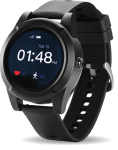
Remote monitoring uses connected technology to collect or communicate relevant information while an older adult remains at home. Depending on the system, this may include wearables, sensors, mobile apps, health devices, or agency dashboards. Research on older adults describes remote monitoring models that support care outside traditional in-person settings.
For home care agencies, a senior monitoring system may support:
- Fall and emergency alerts
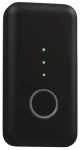
- Location tracking and geofencing
- Medication reminders
- Daily safety check-ins
- Vital monitoring
- Caregiver and family notifications
The goal is not to watch every action a senior takes. It is to make important safety information available when intervention may be needed.
Can Remote Monitoring Reduce Routine Caregiver Work?
It can, when the workflow is designed correctly.
Consider daily safety checks. Without technology, an agency may depend on phone calls or caregiver follow-ups to confirm that a client is okay. An automated check-in can allow a senior to confirm their status without requiring the caregiver to initiate every interaction.
The same principle applies to medication reminders and location awareness. Automated tools can handle routine prompts or provide information without requiring caregivers to perform every check manually.
However, technology can have the opposite effect if caregivers must manage excessive alerts, troubleshoot devices, or monitor multiple disconnected dashboards. Research has highlighted time pressure, technology support, usability, and integration into existing routines as important issues in remote monitoring.
Which Senior Safety Features Can Support Home Care Agencies?
The right home care technology should focus on situations where additional visibility provides practical value.
Fall detection and emergency alerts can help identify possible emergencies when a caregiver is not physically present.
Location tracking and geofencing may support clients who are at risk of becoming lost or disoriented. Remote monitoring has also been studied as a way to support people living with Alzheimer’s disease and related dementias while reducing continuous monitoring demands on caregivers.
Medication reminders can provide routine prompts without requiring staff to personally deliver every reminder.
Vital monitoring can help care teams follow selected health measurements when clinically appropriate.
Together, these tools can extend safety awareness beyond scheduled visits without turning every caregiver into a full-time remote monitor.
How Can Agencies Avoid Creating Alert Fatigue?
More alerts do not automatically mean better care.
Agencies should determine what information matters, who receives each type of alert, and what action should follow. A strong workflow makes responsibility clear instead of sending every notification to every caregiver.
Privacy also matters. Research involving older adults and caregivers identifies data security, compatibility, education, and ease of use as important considerations for remote monitoring adoption.
Before implementing a system, agencies should therefore evaluate whether it integrates naturally into daily operations and whether seniors understand what information is being monitored.
How Can mySeniorCareHub Help Home Care Agencies?
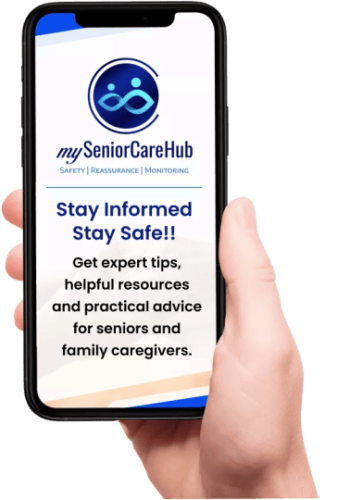
mySeniorCareHub’s CareConnect Hub is designed to help home care agencies extend support between in-person visits. The platform offers 24×7 virtual monitoring and combines safety monitoring, emergency alerts, fall detection, location tracking, medication reminders, vital monitoring, and family sharing.
The home care platform is specifically positioned to extend care between caregiver visits without requiring agencies to increase staffing levels.
This creates an additional safety layer while allowing caregivers to remain focused on the hands-on care and human interaction that technology cannot replace.
How mySeniorCareHub Helps Families Stay Connected
mySeniorCareHub’s CareConnect Hub is designed to help home care agencies extend support between in-person visits. The platform offers 24×7 virtual monitoring and combines safety monitoring, emergency alerts, fall detection, location tracking, medication reminders, vital monitoring, and family sharing.
The home care platform is specifically positioned to extend care between caregiver visits without requiring agencies to increase staffing levels.
This creates an additional safety layer while allowing caregivers to remain focused on the hands-on care and human interaction that technology cannot replace.
Senior Safety Does Not Have to Mean More Manual Work
Home care agencies do not need to choose between better safety visibility and manageable caregiver workloads.
Well-designed remote monitoring for seniors can automate routine check-ins, surface meaningful safety events, and help agencies stay informed between visits. The key is choosing technology that fits existing workflows, protects senior privacy, and directs attention toward situations that genuinely require human action.
Remote monitoring should not replace caregivers. It should help caregivers spend less time repeatedly checking and more time providing the personal care, judgment, and connection older adults need.
GIVE THEM INDEPENDENCE. STAY CONNECTED TO THEIR SAFETY.
Frequently Asked Questions (FAQs)
-
Remote monitoring for seniors uses connected devices, apps, sensors, or wearables to help care teams monitor selected safety and health information while an older adult remains at home.
-
Home care agencies can use remote monitoring tools for fall detection, emergency alerts, location tracking, medication reminders, vital monitoring, and other safety updates between scheduled visits.
-
It can reduce some repetitive checking when routine monitoring and alerts are automated. However, poorly designed systems can add work through excessive alerts or complicated workflows, so clear alert responsibilities and integration are important.
-
Depending on the system, remote monitoring can include automatic fall detection, emergency buttons, motion or activity monitoring, and alerts that notify designated responders when attention may be needed.
-
No. Remote monitoring is designed to supplement in-person care by extending safety awareness between visits. It does not replace hands-on assistance, professional judgment, or human interaction.