How Technology Supports Healthy Aging: Apps, Wearables & Smart Tools
Healthy aging is not simply about living longer. It is about maintaining independence, staying active, managing everyday health needs, and remaining connected with the people who matter.
Technology is increasingly supporting these goals. From mobile apps and smartwatches to medical alert wearables and connected health devices, today’s Healthy Aging Tools can make everyday routines easier for seniors and their caregivers.
The goal is not to fill a senior’s life with complicated technology. The most useful solutions are simple, practical, and designed to support independence while providing an additional layer of safety.
Why Technology Has Become Part of Healthy Aging
As daily health needs change with age, small tasks can become increasingly important. Remembering medications, monitoring health information, maintaining physical activity, and knowing how to reach help are all part of living independently.
Modern senior care technology can support these everyday activities.
Instead of depending on separate notebooks, reminders, and frequent family calls, digital tools can organize information and create easier ways for seniors and caregivers to stay connected.
Technology works best when it complements human care rather than trying to replace it.
Mobile Apps Put Everyday Support in One Place
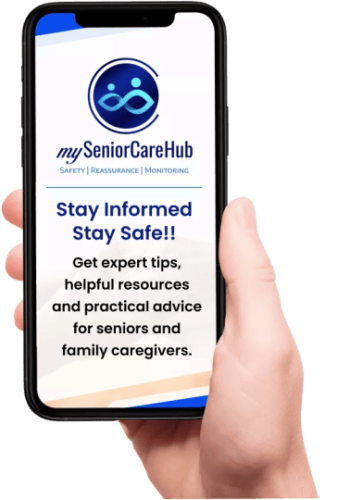
A senior-focused mobile app can act as a central hub for everyday care.
Depending on the platform, seniors may be able to organize medications, record health information, receive reminders, complete wellness check-ins, and communicate important updates with caregivers.
For family members, a senior care app can provide additional reassurance without requiring repeated phone calls throughout the day.
The biggest advantage is convenience. Instead of managing multiple systems, important care activities can be brought together in one accessible place.
For seniors, however, usability matters. Large buttons, clear navigation, simple dashboards, and minimal setup can make the difference between technology being genuinely useful and eventually being abandoned.
Wearables Support Safety Without Limiting Independence
Wearable technology is another important category of Healthy Aging Tools.
Smartwatches and safety wearables can provide useful capabilities while seniors continue normal activities such as walking, gardening, shopping, or spending time with friends.
Depending on the device, features may include activity tracking, heart-rate information, GPS capabilities, fall detection, and emergency assistance.
A wearable can be particularly helpful when a senior lives independently because important safety features remain accessible without requiring them to stay close to a phone.
Comfort is equally important. A safety device only provides value when the older adult is willing to wear it consistently.
Medical Alert Technology Creates Faster Access to Help
For seniors aging at home, having a reliable way to request assistance can provide an additional layer of protection.
Personal emergency response systems and medical alert devices are designed around this need. Depending on the solution, a senior may be able to activate an emergency button or use automatic safety features when assistance is required.
Some wearable solutions can also support fall detection. However, automatic fall detection should complement rather than replace an accessible way to manually request help.
For families, these aging in place technologies can provide reassurance while allowing an older loved one to maintain greater independence.
Connected Health Devices Make Monitoring More Convenient
Healthy aging also involves understanding changes in everyday health.
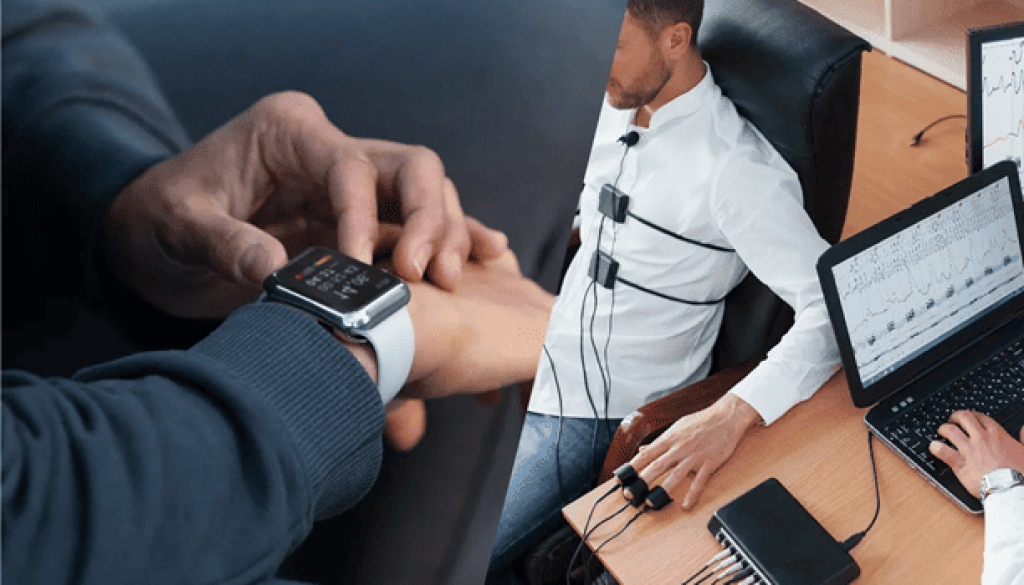
Connected devices can make it easier to monitor information such as blood pressure, pulse rate, blood glucose, oxygen levels, weight, or other relevant measurements.
Rather than recording every result manually, compatible remote health monitoring tools can help organize information digitally.
This can make health records easier to review and share when appropriate.
Technology does not replace professional medical advice or diagnosis. Its role is to make routine health information more accessible and easier to manage as part of an established care plan.
mySeniorCareHub Brings Healthy Aging Tools Together
One challenge families face is using separate products for different senior care needs.
mySeniorCareHub brings multiple connected-care capabilities into one ecosystem, including a mobile app, safety wearables, personal emergency response solutions, health monitoring tools, medication support, and caregiver connectivity.
Rather than focusing on technology for its own sake, the platform is designed around practical everyday needs: staying safer, keeping health information organized, maintaining routines, and helping families remain connected.
For seniors, this supports greater independence. For caregivers, connected tools can provide useful information and reassurance even when they cannot be physically present.
Choose Technology That Makes Life Simpler
More technology does not automatically mean better care.
When comparing Healthy Aging Tools, families should prioritize simplicity, reliability, comfort, accessibility, and relevance to the senior’s actual lifestyle.
A smartwatch may suit an active older adult, while someone primarily aging at home may benefit more from an emergency response solution. Others may gain the most value from medication support or connected health monitoring.
The right combination should reduce complexity, not create more of it.
Ultimately, apps, wearables, and smart tools are most valuable when they help older adults do what technology should support in the first place: live with greater independence, confidence, connection, and dignity.