Senior Fall Prevention: What Your Footwear Says About Fall Risk?
Falls are a significant concern for seniors and their families, often bringing a mix of anxiety and a desire for protection. We believe that senior fall prevention shouldn’t feel like a chore; it should feel like a step toward maintaining the independence you love.
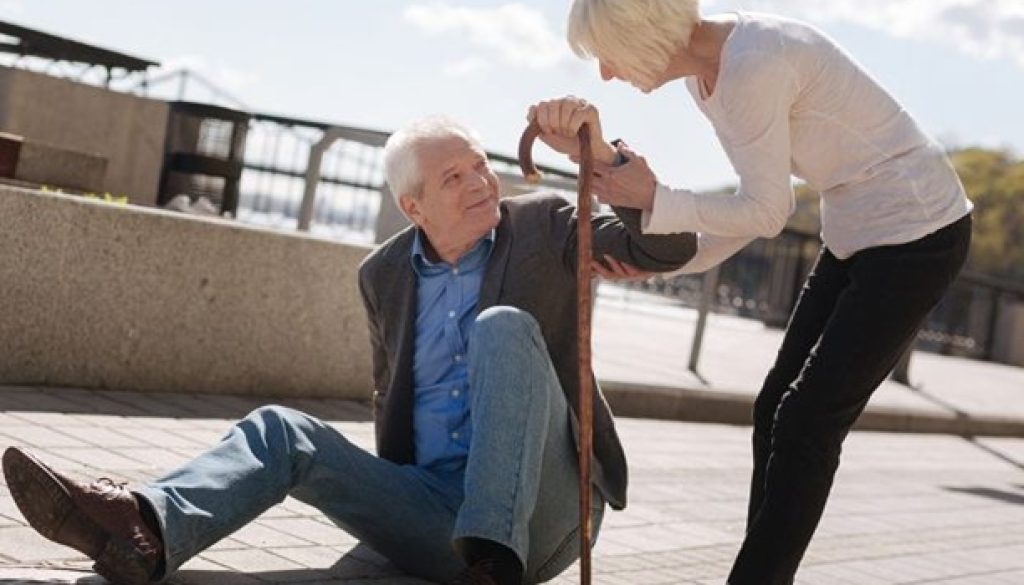
One of the most overlooked hidden risks in a senior’s daily life isn’t just a loose rug or a dimly lit hallway; it’s what is on your feet. Recent data shows that more than one out of four older adults in the U.S. falls each year, and footwear is a major contributing factor.
Let’s walk through what your current shoes might be saying about your safety and how to choose the right pair for a stable future.
Reality of Falls in the U.S.
According to the CDC and the U.S. Consumer Product Safety Commission (CPSC), the impact of falls among seniors is staggering:
- 3 Million+ Emergency Department visits occur annually due to falls.
- 84% of consumer product-related fatalities in seniors are the result of a fall.
- Ill-fitting shoes are a silent culprit. A study published in Gerontology (2025/2026) noted that up to 72% of older adults are wearing shoes that don’t actually fit their feet correctly, significantly increasing their risk of tripping.
Trusted By 2000+ Families Worldwide
Is Your Footwear Putting You at Risk?
Your shoes send a message to your brain and your balance system. If that message is “unstable,” your risk of a fall skyrockets. Here are the “red flag” shoes often found in senior closets:
1. The “Comfort” Slipper
While they feel cozy, backless slippers or “floppy” house shoes are major hazards. They lack fixation, meaning your foot slides around inside, forcing your calf muscles to work double-time just to keep the shoe on.
The Risk: Slipping out of the shoe mid-step or tripping on the loose fabric.
2. High or Narrow Heels
Even a modest heel can be dangerous. Research indicates that a heel height exceeding 1 inch (2.5 cm) shifts your center of gravity forward and reduces the contact area with the ground.
The Risk: Loss of lateral stability and increased pressure on the forefoot, which can lead to “sway” and a lack of balance.
3. Worn-Out Soles
We all have that favorite pair of “broken-in” shoes. However, 90% of seniors are found to be wearing shoes with significant wear on the soles (PMC, 2024).
The Risk: Smooth, worn soles lose their “coefficient of friction,” making you much more likely to slip on kitchen tiles or smooth sidewalks.
The “Golden Standards” for Safe Footwear
When shopping for your next pair, look for these podiatrist-approved features. They ensure your footwear is working with your balance, not against it:
| Features | Why It Matters? |
| Firm Heel Counter | This is the back of the shoe. It should be stiff to prevent your heel from wobbling. |
| Low, Wide Heel | A broad base of support increases your contact with the ground, providing better stability. |
| Thin, Firm Midsole | Contrary to popular belief, “pillowy” soles can make you feel wobbly. A firmer sole allows your feet to “read” the ground better. |
| Secure Fastenings | Laces, buckles, or high-quality Velcro keep the shoe snug and prevent the foot from sliding. |
| Slip-Resistant Tread | Look for rubber soles with multi-directional patterns to grip both wet and dry surfaces. |
Tips for the Perfect Fit
- Shop in the Afternoon: Your feet naturally swell throughout the day. Buying shoes in the morning might lead to a pair that is too tight by dinner time.
- Measure Every Time: Our feet change shape and size as we age. Don’t rely on the size you wore ten years ago.
- The “Rule of Thumb”: Ensure there is about a half-inch (a thumb’s width) of space between your longest toe and the end of the shoe.
Senior Fall Prevention: A Step Toward Safety
Your footwear is your foundation. By trading in those loose slippers for a pair of sturdy, well-fitted walking shoes, you aren’t just changing your outfit; you’re protecting your mobility.
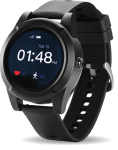
Even with the best footwear, accidents can happen. That’s why we recommend SafeLynk Smart Watch or SafeLynk Smart Locket. Designed specifically for seniors, SafeLynk features advanced auto-fall detection.
If a slip occurs, the SafeLynk device can automatically alert emergency contacts or services, ensuring help is on the way even if you can’t reach your phone.
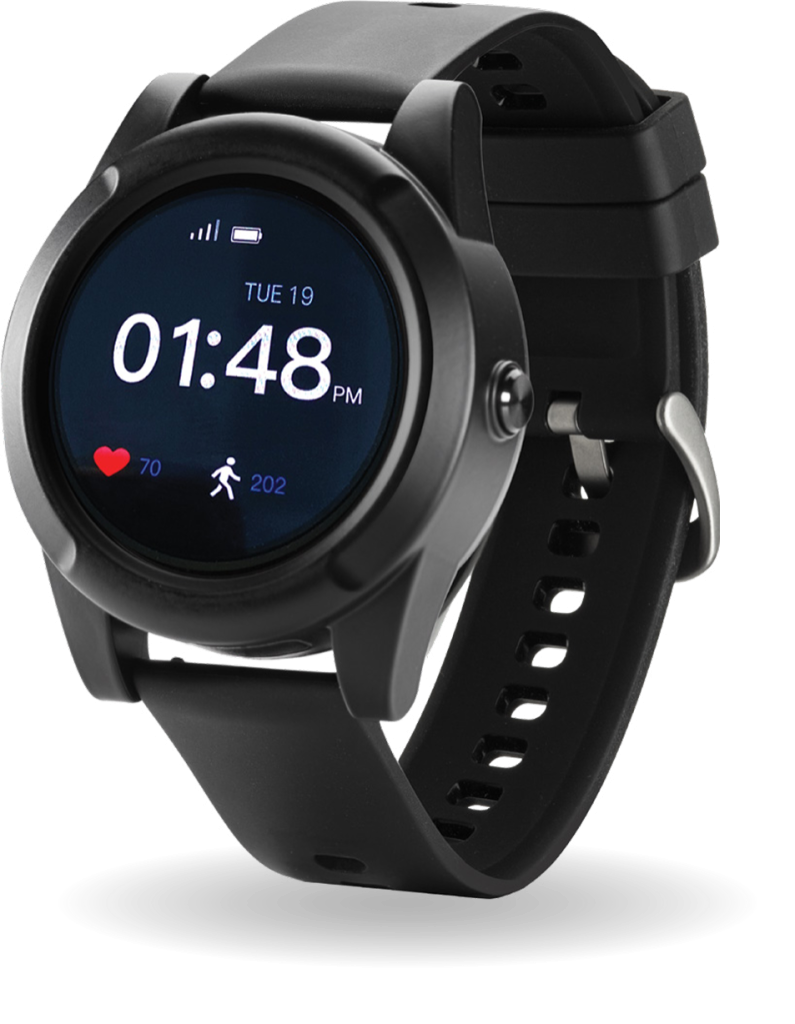
SafeLynk Smart Watch
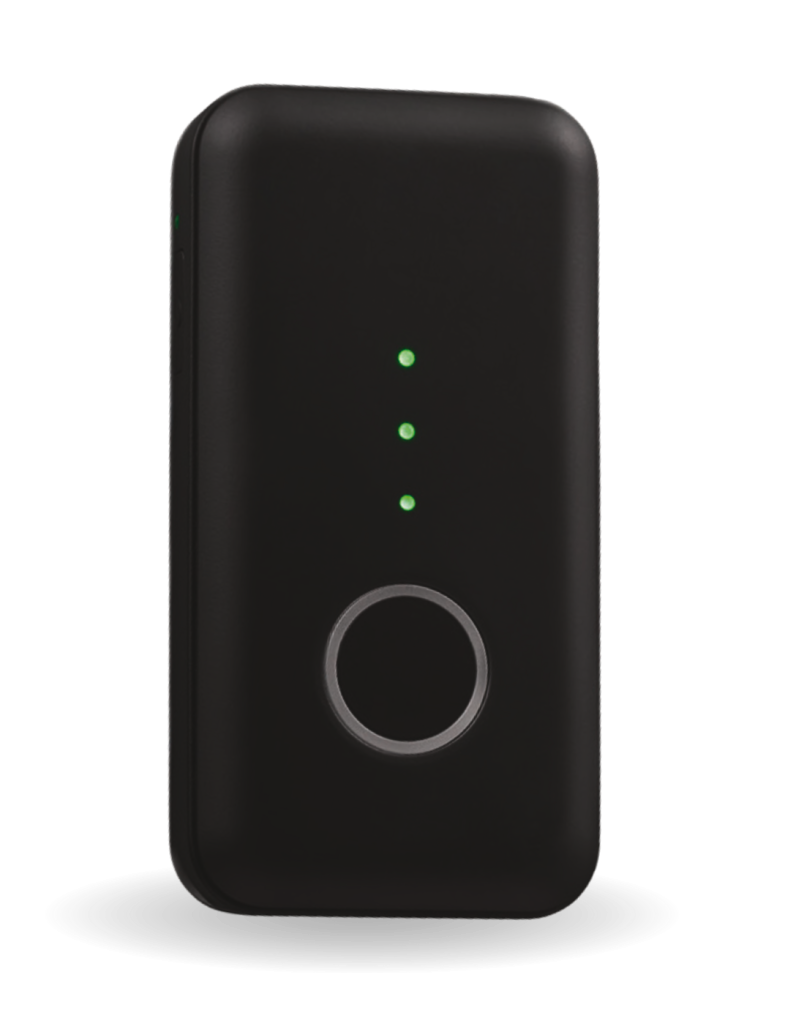
SafeLynk Smart Locket