Why Parkinson’s Symptoms Feel Worse at Night, How to Manage Them?
This World Parkinson’s Day, we are turning our attention to a challenge that millions of families face, yet few discuss openly: the “sundown effect” of neurological symptoms. For those living with Parkinson’s Disease (PD), the transition from day to night often brings an increase in tremors, stiffness, and anxiety.
Managing Parkinson’s nighttime symptoms is a major part of the puzzle. For those with PD, evening challenges require a specific set of management strategies to ensure a restful, safe night for both the individual and their caregiver.
Why Do Symptoms Spike at Night?
It isn’t your imagination, Parkinson’s symptoms truly can intensify as the sun goes down. Several physiological factors contribute to this “nocturnal worsening”:
- Medication “Wearing Off”: The most common cause is the timing of dopamine-replacement therapy (like Levodopa). As the last dose of the day wears off, motor symptoms like “freezing” or tremors often return.
- Circadian Rhythm Disruption: Parkinson’s can affect the body’s internal clock, leading to lower melatonin production and fragmented sleep cycles.
- Reduced Sensory Input: In the quiet, dark environment of a bedroom, the brain has fewer external distractions, making the internal sensation of tremors or restless legs feel much more pronounced.
Common Nighttime Challenges in Parkinson’s
Managing Parkinson’s at night involves identifying specific symptoms that interfere with rest and safety.
| Symptoms | What It Feels Like | Impact on Rest |
| Nocturnal Akinesia | Difficulty turning over or adjusting heavy covers. | Causes physical discomfort and skin irritation. |
| Sleep Fragmentation | Waking up multiple times throughout the night. | Leads to extreme daytime exhaustion and “brain fog.” |
| REM Behavior Disorder | Physically acting out dreams (kicking or talking). | Risk of falling out of bed or hitting a sleep partner. |
| Nocturia | Frequent, urgent trips to the bathroom. | High risk of falls in the dark while “off” medication. |
Save on Shipping Today • No Long Contracts
How to Manage Parkinson’s Nighttime Symptoms
This World Parkinson’s Day, take a proactive approach to your “sleep hygiene” and safety. Use these expanded strategies to reclaim your rest:
1. Optimize Your Medication Timing
The “wearing off” effect is the primary enemy of a good night’s sleep.
- Consult Your Neurologist: Discuss the possibility of using an extended-release version of your medication for the evening dose to provide a smoother “bridge” through the early morning hours.
- Rescue Dose: Some patients find success keeping a fast-acting dose on the nightstand for those 3:00 AM moments when stiffness makes it impossible to get back to sleep.
2. Modify the Sleep Environment for Mobility
Since “freezing” and stiffness are key Parkinson’s nighttime symptoms, your bedroom needs to work with you, not against you.
- Satin Sheets & Pajamas: It sounds simple, but slippery fabrics like satin or silk make it much easier to slide and turn over in bed when your muscles are rigid.
- Bed Rails and Support: Installing a sturdy bedside rail provides a “leverage point” to help you sit up or reposition without straining your core.
- Path Clearway: Ensure the path to the bathroom is completely clear of rugs or clutter, as your balance is at its lowest point during nighttime wake-ups.
3. Manage Evening Fluids and Nutrition
To reduce those dangerous midnight trips to the bathroom, you have to manage what goes in during the evening.
- Water Cut-Off: Try to get the bulk of your hydration in before 6:00 PM, sipping only small amounts of water as needed thereafter.
- Protein Timing: Some Parkinson’s medications compete with protein for absorption. Talk to your doctor about whether moving your heavy protein meal to lunch instead of dinner might help your evening meds work more effectively.
Don’t Wait Until an Emergency Happens
Nighttime increases fall risks for those with Parkinson’s nighttime symptoms, especially when medications wear off.
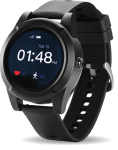
This World Parkinson’s Day, ensure help is always reachable. A medical alert system with automatic fall detection provides the confidence to live independently, knowing that even in the dark, you’re never alone.
Special Deal: Top-Rated Medical Alert Device + Zero Shipping Cost
Ensure your home is a sanctuary, not a hazard. Our holiday promotion allows you to secure a medical alert device without paying a cent for shipping. Stay safe, stay independent, and sleep better tonight.
Protect Your Elderly Loved Ones: Shop Parkinson’s-Ready Medical Alerts
Secure Your Parent’s Safety
No long-term contracts. Set up in minutes. Cancel anytime.