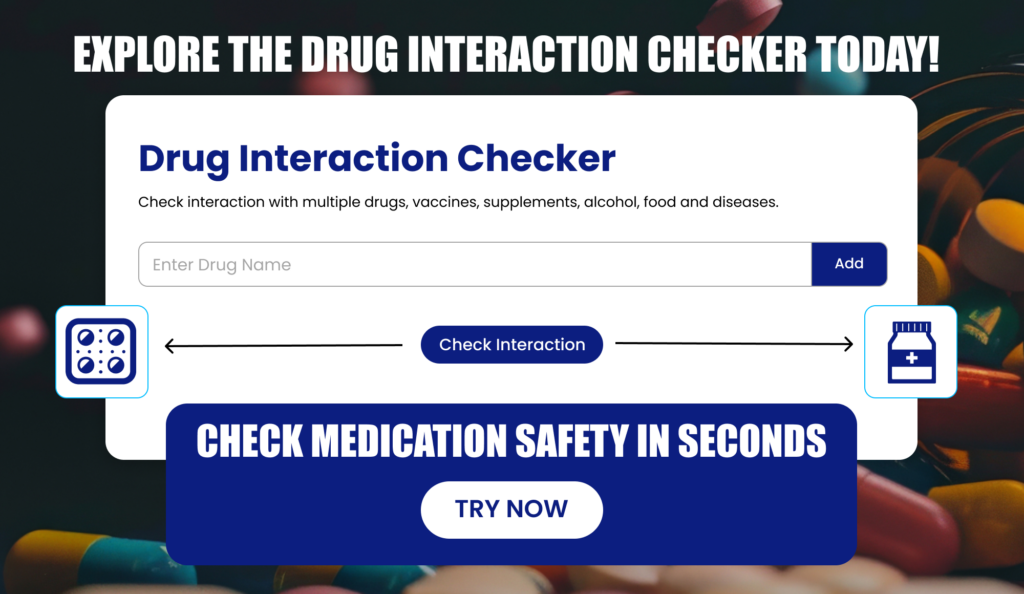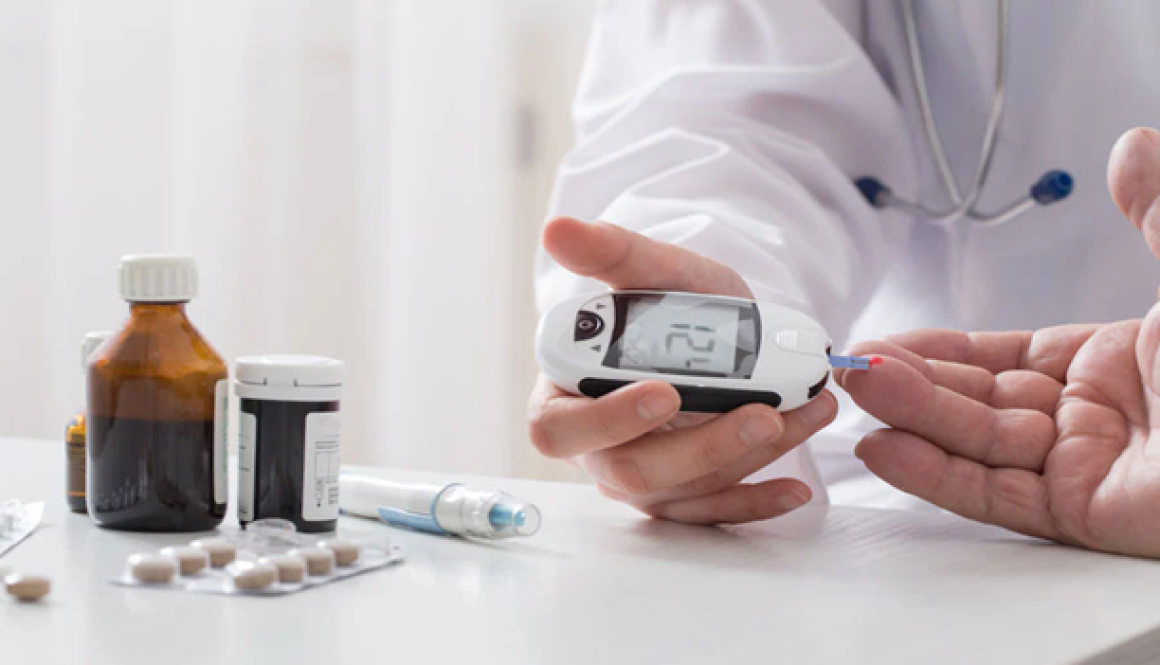
Medication errors and adverse drug interactions account for nearly 1.3 million emergency room visits in the U.S. each year. To combat this growing health crisis, mySeniorCareHub, a leader in health technology, has officially launched its comprehensive Drug Information Checker.
This trusted digital resource provides clear, real-time, and easy-to-understand medication details for seniors and their families.. With nearly 90% of seniors taking at least one prescription medication, the need for a reliable drug information checker has never been higher.
Staying informed is the first line of defense in avoiding dangerous drug-to-drug interactions and ensuring strict medication adherence.
Why Use mySeniorCareHub Drug Information Checker?
Our platform goes beyond a simple list of names. It provides a holistic view of a patient’s pharmaceutical needs through several integrated features:
Comprehensive Drug Profiles: Access deep-dive data on medication uses, potential side effects, and vital precautions.
Advanced Drug Interaction Checker: Instantly analyze how different medications react with one another to prevent adverse events.
Integrated Symptom Checker: Cross-reference new physical symptoms with your current medication list to identify potential side effects early.
Real-Time FDA Updates: Our data is continuously updated to align with the latest medical research and FDA safety guidelines.
“Access to a reliable drug information checker should never be a challenge,” said Anish Desai, Founder of mySeniorCareHub. “Our goal is to eliminate confusion and provide users with the tools they need to manage medications safely and with total confidence.”
Empowering Caregivers and Seniors
The Drug Information Checker prioritizes ease of use for every user. We understand that caregivers and seniors need answers quickly, without wading through complex medical jargon.
By providing a user-friendly design, mySeniorCareHub ensures that life-saving information is accessible to everyone, regardless of technical expertise.
mySeniorCareHub is a pioneering force in healthcare technology.
We are dedicated to improving patient outcomes through innovative digital solutions that prioritize accessibility, accuracy, and ease of use. We are redefining the future of senior health management, one click at a time.
“A society that cares for its elderly is a society that values its future.”
Alzheimer’s disease impacts nearly 55 million peopleglobally, making it the foremost cause of dementia. According to the World HealthOrganization (WHO), one in three seniors dies with some form of dementia; however, many cases remain undiagnosed until symptoms become severe. Alzheimer’s is a neurodegenerativedisorder that progressively harms brain cells, particularly in areas responsible for memory, thinking, and language. While occasional forgetfulness is normal as people age, Alzheimer’s results in significant cognitive decline that disrupts daily life. Recognizing early signs and understanding the disease can lead to better management and care.
Understanding the Science Behind Alzheimer
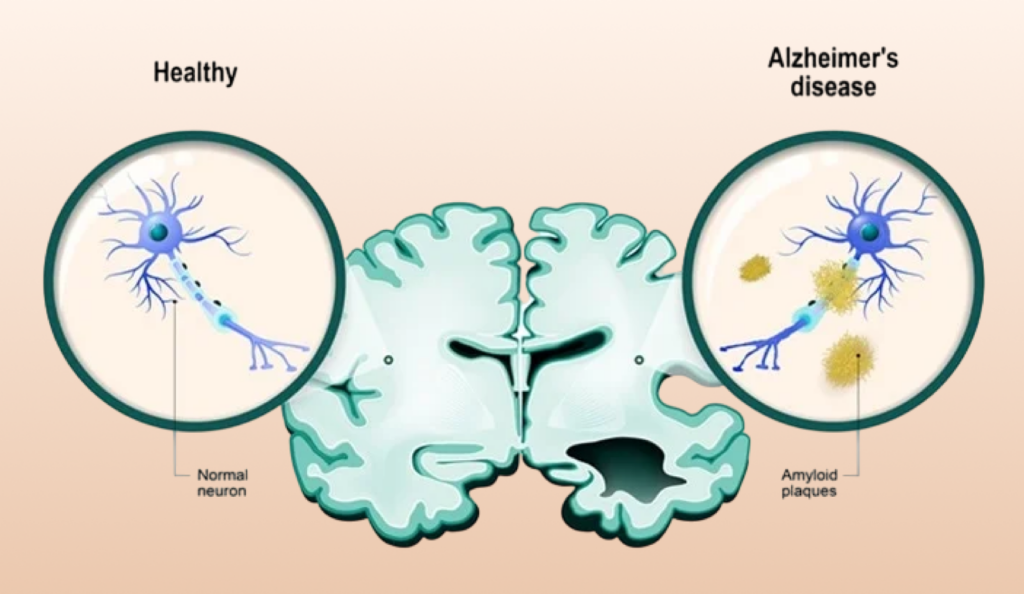
Imagine the brain as a vast city, where neurons (nerve cells) are like roads, carrying messages that help us think, remember, and function. Small protein clusters called beta-amyloid plaques begin to block these pathways when Alzheimer’s disease develops, impairing brain cell-to-cell communication. At the same time, tau proteins, which normally help keep brain cells stable, start tangling up, causing more confusion in the system. Over time, these blockages lead to memory loss, difficulty recognizing loved ones, and trouble with simple daily tasks.
Although the exact cause of this disease is unknown, scientists believe that lifestyle, genetics, and age all play a part. Since the hippocampus is the part of the brain that stores new memories, the damage typically starts there, making forgetting recent events one of the first symptoms. As the disease progresses, other brain areas are affected, which makes it harder for the patient to talk, make choices, or even perform everyday activities.
Recognizing the Early Signs
Imagine waking up one day and feeling lost in a place you’ve known for years. The streets seem unfamiliar, conversations feel fragmented, and familiar faces begin to blur. This is the silent struggle many seniors with Alzheimer’s face.
Initially, the changes are minor forgetting where they placed an item, repeating a story, or missing an appointment. But over time, these lapses become more pronounced:
Forgetting recent events but recalling the past vividly
Struggling with routine tasks, like following a recipe or paying bills
Getting lost in familiar places or feeling disoriented in time
Finding the right words becomes difficult, making conversations frustrating
Changes in mood—withdrawal, confusion, or sudden irritation
In addition to the patient experiencing these symptoms, their loved ones are often left in a state of helplessness.
Caring for a Loved One with Alzheimer’s
Aspect
Practical Tips
Creating a Safe & Familiar Space
Maintain a clutter-free environment, use labels, and keep a consistent daily routine.
Communicating with Patience
Speak slowly, use simple words, and reassure them if they struggle to respond.
Encouraging Independence
Let them do tasks at their own pace, even small ones, to boost confidence.
Engaging the Mind
Play music, solve puzzles, or reminisce using old photos to stimulate memory.
Seeking Medical & Emotional Support
Consult doctors for medications and therapies and consider caregiver support groups.
Remember: Alzheimer’s may take away memories but love and kindness can still create moments of joy.
The Role of Medications and Treatmentsin Alzheimer
While Alzheimer’s has no cure, medications can help manage symptoms and, in some cases, slow the disease’s progression. In moderate to severe cases, memantine protects brain cells, while symptom-management drugs like donepezil, rivastigmine, and galantamine increase neurotransmitters to improve memory. However, effects may decline over time, with possible side effects like nausea and dizziness. Disease-modifying therapies, such as monoclonal antibodies (Aducanumab and Lecanemab), slow progression by targeting amyloid plaques, but they are expensive. Ongoing research explores tau-targeting drugs, brain stimulation, and lifestyle interventions to enhance treatment. Though medications help, personalized care and daily support remain essential.
Beyond Medications: Daily Habits That Make a Difference
Imagine waking up every day feeling a little more in control, despite Alzheimer’s. While medications help, daily habits shape how seniors navigate their journey.
1. Keeping the Mind Active
Instead of just passing time, stimulate the brain—solve a puzzle, enjoy a favourite song, or share old memories with loved ones. These small moments slow cognitive decline and bring joy.
2. Movement Matters
A short morning walk, a few gentle stretches, or chair yoga—staying active isn’t about intense workouts but keeping the body and mind connected. Even 20 minutes a day can improve mood and brain health.
3. Food for the Brain
A meal isn’t just fuel; it’s brain nourishment. A diet rich in berries, nuts, leafy greens, and whole grains supports memory and slows decline. Think of it as a daily dose of brain protection on a plate.
✔ Mediterranean Diet: Rich in leafy greens, berries, nuts, and olive oil, known to support brain health.
✔ Omega-3 Fatty Acids: Found in walnuts, flaxseeds, and chia seeds, can help reduce inflammation in the brain.
✔ Hydration Matters: Dehydration can worsen confusion, so ensure regular water intake.
4. The Power of Connection
A warm hug from a grandchild, a chat over tea with a friend, or simply holding hands—social connections ease anxiety and keep the heart full. Alzheimer’s may affect memory but love and laughter remain strong anchors.
5. Sleep & Routine: Finding Stability
A predictable routine reduces confusion. A fixed bedtime, soft lighting in the evening, and a calm nighttime ritual help seniors feel safe and at ease.
Creating a Supportive Environment for Seniors with Alzheimer’s
A structured and familiar environment helps reduce confusion, ease anxiety, and improve daily life for seniors with Alzheimer’s.
Simplify the Space: Declutter, use clear labels, and ensure good lighting to enhance safety.
Maintain Routine: Fixed meal and sleep schedules, gentle reminders, and familiar objects create comfort.
Manage Behaviour Changes: Stay calm, redirect instead of arguing, and engage them in meaningful activities like music and art.
Small adjustments can make a big difference, helping seniors feel safe, valued, and independent.
Triple C: Compassion, Care, and Connection
Alzheimer’s is more than just a medical condition; it is a life-changing journey. Compassion, Care, and Connection are the true pillars of wellbeing. Familiar faces, structured routines, and emotional warmth help seniors feel safe and valued.
At mySeniorCareHub, we integrate technology with heart, offering tools for caregivers, timely reminders, and a supportive community. Because Alzheimer’s care isn’t just about treatment—it’s about ensuring no senior walks this journey alone.
When Everyday Movements Feel Like a Challenge – Parkinson’s Disease
Ravi, a 65-year-old man, always loved his morning walks. The crisp air, the gentle sway of trees, and the rhythmic sound of his footsteps on the pavement made each day feel fresh. But lately, something has changed. His steps felt smaller, his hands trembled as he buttoned his shirt, and even holding a cup of tea required extra effort. At first, he brushed it off as aging, but deep down, he knew something wasn’t right.
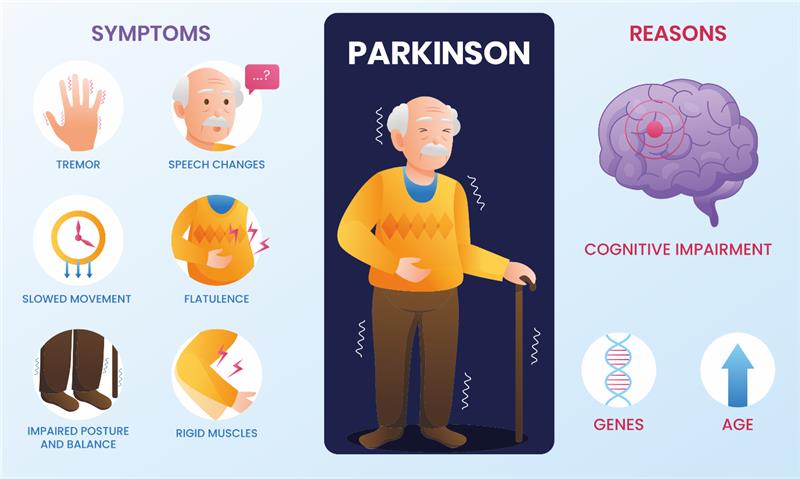
Slower movements, stiffness, or a mild tremor that is easy to overlook are some of the early symptoms of Parkinson’s disease that many elderly people experience. However, awareness is essential. Recognizing these early symptoms can make all the difference in ensuring a smoother journey for the elderly and their caregivers.
Caring for a loved one with Parkinson’s goes beyond managing physical symptoms – it’s about helping them maintain their independence, dignity, and emotional well-being. Little adjustments, such as changing their living arrangement, monitoring their medication, or being patient and reassuring, can have a huge impact. This guide provides practical tips to navigate the challenges of Parkinson’s care, making daily life safer, smoother, and more comfortable for your loved one.
Is It Just Aging or Something More? Parkinson’s in Seniors
Imagine this: Your dad is sitting with you for breakfast when his hands shake a little as he reaches for his cup. “Just old age,” he says with a smile, brushing it off. Later, you notice he’s walking slower, his steps shorter, almost as if his feet are glued to the floor. His once-bold handwriting now looks cramped and shaky. Over time, it gets harder to ignore these changes, even though they initially appear minor.
Parkinson’s often starts with these subtle signs- tremors, stiffness, or difficulty with everyday tasks. Many seniors mistake them for normal aging, delaying crucial medical attention. But the earlier Parkinson’s is detected, the better it can be managed. If you’ve noticed persistent slowness, balance issues, or changes in movement, it’s time to seek medical advice. Early detection of the symptoms can significantly improve the likelihood that your loved one’s journey will be easier and more independent.
When to Seek Medical Help – Parkinson’s Disease Symptoms
Regular medical check-ups are essential for managing Parkinson’s, but certain symptoms require immediate attention. Recognizing these signs early can prevent complications.
Worsening Mobility Issues: If walking, balance, or coordination declines suddenly, consult a doctor.
Uncontrolled Tremors or Stiffness: If medications become less effective or symptoms worsen, adjustments may be needed.
Swallowing or Speech Difficulties: Choking, trouble swallowing, or slurred speech should not be ignored.
Severe Mood Changes: Depression, hallucinations, or confusion may indicate medication side effects or disease progression.
Medication Side Effects: Any unusual reactions like dizziness, nausea, or severe fatigue should be reported.
Tips for Parkinson’s – Creating a Safe and Supportive Environment
Small changes at home can make a big difference for someone with Parkinson’s. Imagine waking up in the middle of the night, trying to walk to the bathroom, only to trip over a misplaced rug or struggle with a dimly lit hallway. For seniors with Parkinson’s, these everyday challenges can pose serious risks.
A few simple home adjustments can make daily life safer and more comfortable for seniors with Parkinson’s. Here’s how you can create a supportive space:
Reduce Fall Risks
Remove loose rugs and clutter that could cause tripping.
Install non-slip mats in bathrooms and near sinks.
Improve Accessibility
Rearrange furniture to allow clear, wide walking paths.
Use sturdy chairs with armrests to help with sitting and standing.
Keep frequently used items within reach to avoid excessive bending or stretching.
Enhance Safety with Smart Modifications
Install grab bars in bathrooms and near staircases.
Improve lighting, especially in hallways and entryways.
Consider motion-sensor lights for nighttime safety.
Use the mySeniorCareHub app: With just one tap, users can instantly send emergency alerts to pre-designated contacts using mySeniorCareHub “SOS” feature.
Making life easier through daily care strategies.
Here are some practical tips to support your loved one’s daily routines and help them maintain a sense of independence:
Boost Mobility:
See a physiotherapist for a customized regimen that includes light exercises and gentle stretching.
Ensure walking aids like canes or walkers are always within reach and in working condition.
Simplify Dressing:
Opt for clothing with Velcro or elastic bands instead of buttons or zippers.
Let your loved one choose their outfit to promote independence while helping when needed.
Antioxidant-rich foods like berries, nuts, and leafy greens may slow neurodegeneration, while omega-3 fatty acids support brain function. Fiber from whole grains, fruits, and vegetables helps prevent constipation, a common issue in Parkinson’s.
Stick to a Routine:
Create a visual schedule or chart for daily activities to provide structure and ease confusion.
Ensure medications and supplements are taken on time with mySeniorCareHub, which provides reminders and tracks adherence to prevent missed doses.
By incorporating these daily care strategies, you can make everyday tasks more manageable and enjoyable, ensuring a better quality of life for your loved one.
Emotional Well-Being: A Key Aspect of Parkinson’s Care
Parkinson’s disease not only affects mobility but also has a significant impact on mental and emotional health. Studies suggest that up to 50% of individuals with Parkinson’s experience depression or anxiety, often due to changes in dopamine levels and the challenges of daily living. Addressing emotional well-being is crucial for overall disease management.
Encourage Social Connections: Help them stay engaged by arranging family visits, encouraging them to join local or online support groups, and using technology like video calls to keep in touch with loved ones.
PromoteEnjoyableActivities: Involve them in hobbies they love, such as listening to music, painting, gardening, or solving puzzles. These small joys can boost their mood and provide a sense of purpose.
Create a Calm and Positive Space: Encourage relaxation techniques like meditation or deep breathing exercises. A peaceful environment with uplifting conversations and positive reinforcement can help ease stress.
Be a Patient Listener: Parkinson’s may slow their speech, making communication difficult. Give them time to express themselves without interruptions, acknowledge their emotions, and remind them they are not alone in this journey.
Final Thoughts: Caring with Compassion
Although Parkinson’s disease may alter a senior’s speech, movement, or interactions with others, it need not rob them of their freedom or contentment. With the right support, they can continue to live a fulfilling life surrounded by love and understanding.
Every effort, whether creating a safe environment, ensuring they take their medication as prescribed, or simply lending a sympathetic ear, helps them navigate this journey without hesitation.
Caretakers can transform everyday obstacles into manageable moments by remaining informed, making considerate adjustments, and streamlining routines with tools like mySeniorCareHub. Remember, it’s not just about adding years to life, but adding life to those years.
With patience, love, and the right approach, you can make every day smoother, brighter, and more fulfilling for your loved one.
Managing a chronic condition like heart disease or diabetes can be a complex challenge, especially for seniors. It often involves juggling multiple medications, monitoring vital signs, adhering to specific dietary restrictions, and maintaining a healthy lifestyle.
These challenges can be amplified for seniors living alone, who may face difficulties with daily tasks and staying connected with their support network. This comprehensive guide offers practical advice for both seniors and their caregivers on navigating the complexities of chronic disease management. Focusing on strategies that promote independence, well-being, and a higher quality of life.
Medication Management with Pill Reminder App – Chronic Management App
One of the most significant hurdles seniors face is medication management. Doctors frequently prescribe older adults multiple medications for various conditions, creating a complicated routine that can overwhelm them. Remembering when to take which pill, at what dosage, and with what food can be a real challenge.
Adding to this, the problem of missing doses, accidentally doubling up, or mixing medications incorrectly can have serious, even life-threatening, consequences. This is where a mobile app for tracking medications like mySeniorCareHub can make life easy!
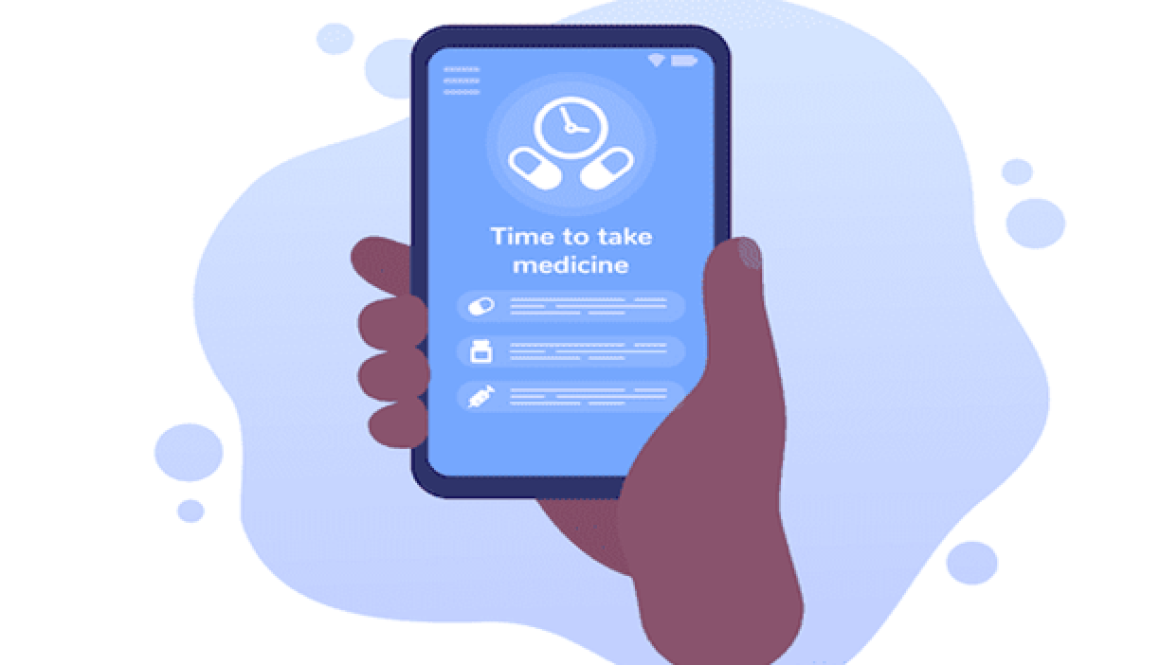
This med reminder app simplifies medication management of seniors suffering from chronic conditions by setting up customized schedules for each medication, including dosage, time of day, and any specific instructions. The app then sends timely notifications, ensuring that seniors never miss a dose.
This can significantly improve medication adherence, reduce the risk of adverse drug events, and contribute to better overall health outcomes. Beyond reminders, it also offers features to track medication inventory and even alert caregivers when refills are needed.
Track Body Vitals with mySeniorCareHub Mobile App – Chronic Management App
Regular monitoring of vital signs is crucial for managing chronic conditions. Tracking blood pressure, blood sugar levels, pulse, and weight can provide valuable insights into a senior’s health and help identify potential problems early on.
For example, regular blood pressure monitoring can help manage hypertension, while blood sugar tracking is essential for diabetes management. mySeniorCareHub simplifies this process with its integrated vitals tracking feature.
Elders can easily log theur readings, and the app can even generate reports that can be shared with healthcare providers.
This allows for more informed decision-making and personalized treatment plans, leading to better management of conditions like hypertension, diabetes, and heart disease. Our app can be set to alert caregivers if vital signs fall outside of predefined ranges, enabling timely intervention and preventing potential health crises.
Empowering Senior Health Management with User-Friendly Technology
Technology can be incredibly helpful, but only if it’s easy to use. mySeniorCareHubis designed with a user-friendly interface, recognizing the importance of accessibility for seniors.
Large, clear icons, straightforward instructions, and intuitive navigation ensure that with limited tech experience can benefit from the app’s powerful tools. App also provides voice-assisted control of the interface allowing seniors to use the app according to individual needs and preferences.
Connecting Seniors and Caregivers for Chronic Condition Management
Managing chronic conditions is a team effort. Open communication between seniors, caregivers, and healthcare providers is essential for developing and implementing effective treatment plans. mySeniorCareHubfacilitates this communication by providing a platform for tracking health data, sharing updates, and coordinating care.
By working together, seniors, caregivers, and healthcare providers can create a comprehensive approach to chronic disease management that promotes health, independence, and higher quality of life.
Best Senior Health Management App – Track Your Loved One Health
Keeping up with your health can be a very tough challenge once you are in your late 50’s with chronic medical conditions. Remembering pills, tracking vitals, sticking to your treatment plan, it can feel overwhelming when managing everything alone.
An important issue among seniors is not following up judiciously with the prescription and medication regimen prescribed by doctors. Even the slightest mistake of taking an incorrect dose, forgetting to take on the prescribed time, or taking an inappropriate amount can prove to be extremely harmful to their health.
Fortunately, mySeniorCare addresses this problem with a customised medication tracker that automatically sends you med reminders when it’s time for your medication. Users can adjust the schedule to fit their needs, whether it’s a single daily dose or multiple medications on different days of the week.
2. Track Treatment Progress and Adjust as Needed – Best Senior Health Management App
mySeniorCareHub makes it possible for users to view their health status over a period of time and adjust their treatment accordingly. As the user follows their medication regimen, along with adding their vital signs data on a regular basis, the app creates a timeline showing how the readings are evolving with time.
For instance, if your blood pressurestays high despite complying with a medication plan, this information will assist your doctor or caregiver in deciding what to do, adjust your dosage, suggest lifestyle changes, or explore alternative treatment options.
Likewise, for users suffering from diabetes and monitoring glucose levels, this platform helps track the complex relationships between medications and insulin of an individual. Managingchronic illnesses becomes much simpler, and doing it all in one app increases the accuracy of such tasks.
3. Keep your motivation high with real-time health insights. – Best Senior Health Management App
Health management serves as a motivational boost, helping you stay committed to your health goals. When vital signs improve and treatment works, it boosts motivation, as users can see real-time data displays.
For example, if the goal is to lower blood pressure or cholesterol, tracking gradual improvement through visual graphs or charts in an app makes the process more engaging and motivating. These visuals make the effort seem a tad bit more real, and that can motivate anyone to keep up with the health plan.
Moreover, improvements inspire greater commitment to lifestyle factors like exercise and diet. Seeing all your vital stats and medication effectiveness in one place lets you get the whole picture if you want to lose weight or get fit. This sense of commitment grows around progressively staying in control of one’s health through that sense of progress in making life changes.
4. Easily Share Data with Healthcare Providers
mySeniorCareHub App makes sharing health data with your doctors more effective.
Prepare for your next doctor’s appointment by keeping a detailed medication schedule ready and vital signs monitored via the health tracking app. Stay organized, share accurate data, and walk in with confidence. A few clicks and that’s it. You securely give your physician a running status of your medical treatment and progress.
This sharing function also allows your doctor to monitor your progress over the long term. Whether it’s a chronic condition like hypertension, diabetes, or asthma, keeping your medications and vital statistics continuously updated helps caregivers gain a complete picture of your progress.
A single platform that combines medication tracking and vital sign monitoring so you can manage your health with ease. By registering today, you can stay on track with your medications, show your treatment progress to doctors and caregivers, and live a balanced and healthier life.
1. Can I add medications with different schedules and timings? Yes! mySeniorCareHub App allows you to input multiple medications with varying dosages, frequencies (e.g., twice daily, weekly), and specific timings. Customizable reminders ensure you never miss a dose.
2. Can I share my health data with my healthcare provider? Yes, mySeniorCareHub App allows for sharing health data with doctors, caregivers, and even family members. Much as they would monitor your health remotely, they may adjust your therapy relatively quickly and provide timely support. With this added collaboration, you will receive more personalized and effective care. Ensuring that your loved ones are also informed and involved in your health journey.
3. Is my health data secure on these platforms? mySeniorCareHub App prioritizes user privacy and data security. We use advanced encryption techniques and strictly follow all relevant healthcare regulations. We encourage you to review our privacy policy and terms of service to understand how we process and protect your information during healthcare interactions.
Imagine waking up eager to start your day, only to feel a sharp sting in your knees as you swing your legs out of bed. For millions of seniors, arthritis isn’t just a medical diagnosis; it’s a daily hurdle that makes buttoning a shirt or holding a warm cup of tea feel like a feat of strength.
The good news? Arthritis may change how you move, but it doesn’t have to stop you. With a proactive blend of medical care, “joint-friendly” nutrition, and smart movement, you can continue gardening, walking, and playing with your grandchildren comfortably.
Recognizing the Early Whispers of Arthritis
Arthritis rarely appears overnight. It often begins with subtle signals that are easy to dismiss as “just getting older.” Recognizing these early signs allows for intervention before joint damage progresses.
Morning Stiffness: Joints feel “locked” or rusty for the first 30 minutes after waking.
Persistent Aches: A dull, lingering pain in the hands, hips, or lower back.
Swelling and Warmth: Joints look puffy and feel tender or warm to the touch.
Weather Sensitivity: Increased discomfort during cold or damp barometric shifts.
At a Glance: Natural vs. Medical Relief
Method
Best For…
How it Works
Heat Therapy
Stiffness & Aches
Relaxes muscles and increases blood flow to the joint.
Cold Therapy
Swelling & Flares
Constricts blood vessels to reduce inflammation and numbs pain.
Physical Therapy
Range of Motion
Strengthens supporting muscles to take pressure off the joint.
Omega-3 Fats
Chronic Inflammation
Found in salmon/flax; naturally inhibits inflammatory enzymes.
NSAIDs/Meds
Acute Pain Control
Reduces prostaglandins that signal pain to the brain.
The “Joint-Friendly” Daily Routine
Morning: Wake Up Your Joints
Instead of rushing out of bed, start with gentle range-of-motion stretches while still under the covers. Follow this with an anti-inflammatory breakfast:
Omega-3 Bowl: Oatmeal topped with walnuts and chia seeds.
Golden Scramble: Eggs seasoned with turmeric (curcumin) and black pepper for maximum absorption.
Daytime: Movement is Medicine
Physical inactivity actually makes arthritis worse by allowing joints to stiffen.
Low-Impact Cardio: Walking or swimming provides the benefits of exercise without the “pounding” on your knees and hips.
Anti-Inflammatory Lunch: Focus on leafy greens (Vitamin K) and fatty fish like salmon or sardines to lubricate joints from the inside out.
Evening: Wind Down and Recover
As the day ends, focus on reducing the day’s accumulation of stress on your body.
Epsom Salt Soaks: The magnesium in the salts can help relax tight muscles.
Strategic Sleep: Use a pillow between your knees (if sleeping on your side) or under your knees (if on your back) to align your spine and reduce hip pressure.
When to Consider Advanced Medical Options
If lifestyle changes and over-the-counter options aren’t enough, it’s important to speak with a rheumatologist. Modern medicine offers several paths:
Corticosteroid Injections: Targeted relief for severe localized inflammation.
Viscosupplementation: Injecting “lubrication” back into the knee joint.
Joint Replacement: When mobility is severely compromised, surgery can offer a “reset” for hips and knees.
Trusted Sources for Arthritis Management
For deeper research and clinical guidelines, consult these organizations:
Managing a chronic condition like arthritis requires consistency. mySeniorCareHub offers a digital ecosystem designed to make that consistency effortless:
Medication & Report Management: Keep your prescriptions and doctor’s reports in one secure, easy-to-access place.
Symptom Tracking: Log your pain levels and triggers so you can provide your doctor with accurate data during checkups.
Interaction Alerts: Our tools help check for potential interactions between your arthritis medications and other supplements.
Explore mySeniorCareHub’s wellness tools today and community support that help you keep moving, living, and thriving.
At 72, Mrs. Smriti Singh loves her morning routine: the scent of herbal tea and the crunch of whole-grain toast. But lately, a persistent guest has been crashing her breakfast; uncomfortable bloating and gas.
Smriti isn’t alone. For many seniors, a digestive system that once ran like clockwork can start feeling unpredictable. The good news? Minor lifestyle shifts can turn things around. Let’s look at how to get your “internal factory” back on track
Knowing About Gut Health in Elderly People
Think of your digestive system as a busy factory. When we’re young, the machines are brand new and efficient. As we age:
Production slows down: Acid levels and enzymes may decrease.
The “staff” changes: The balance of healthy gut bacteria (the microbiome) shifts.
Logistics lag: Muscle contractions that move food along can weaken, leading to backups (constipation)
Our digestive systems may experience some difficulties as we get older. This is a helpful guide to some common digestive problems that many older people encounter and some easy ways to deal with them.
Digestive Concern
What It Is
Why It Happens
How to Help
Constipation
Difficulty passing stools, leading to bloating and discomfort.
Lack of fibre and water slows digestion, like a factory getting backed up.
Eat more fibre (fruits, veggies, whole grains). Stay hydrated. Engage in regular physical activity.
Acid Reflux & GERD
Stomach acid flows back into the oesophagus, causing heartburn and discomfort.
Overeating or consuming trigger foods leads to acid overflow, like a factory spilling over.
Stomach feels swollen or full due to excess gas, causing pressure and pain.
Certain foods (beans, carbonated drinks) and some medications produce extra gas.
Eat slowly to reduce swallowed air. Limit fizzy drinks. Track and avoid problem foods.
Understanding these common digestive concerns and how to manage them can help seniors take proactive steps to keep their “factory” running smoothly. By making a few changes, you can keep your stomach happy, enjoy your meals, and practice healthy aging.
The Hidden Culprits: Medications
Sometimes, the medicine helping your heart or joints is what’s hurting your stomach.
Pain Relievers: NSAIDs (like ibuprofen) can irritate the stomach lining, while opioids often cause severe constipation.
Antibiotics: These can wipe out “good” bacteria, leading to upset stomachs.
Iron Supplements: Often essential for anemia, but notorious for causing cramps and constipation.
Pro-Tip: Never stop a prescribed medication abruptly. Instead, ask our AI-Medication Checker Kiara: “Can I take this with food?” or “Is there a digestive-friendly alternative?”
Why to Avoid Taking Too Many PPIs (Proton Pump Inhibitors)
Proton Pump Inhibitors (PPIs) are great for short-term relief, but long-term use can be a double-edged sword.
Because they switch off your stomach’s “acid pumps,” they can hinder the absorption of vital nutrients like Vitamin B12, Calcium, and Iron. If you’ve been on them for years, it might be time for a “medication check-up” with your GP.
Your Digestive Wellness Checklist for Healthy Aging
Struggling with bloating or constipation? Try these simple, effective changes for a healthier gut!
Fill Your Plate: Prioritize whole grains and probiotics (like yogurt or kefir).
Hydrate Right: Aim for 8 cups of fluid. Warm herbal teas (ginger or peppermint) are gut superheroes.
Keep Moving: A simple 15-minute walk after dinner does wonders for “moving things along.”
Mindful Eating: Put the phone away, chew thoroughly, and enjoy the flavors!
Making these small adjustments can help you feel lighter, more energetic, and free from digestive discomfort. Start this healthy aging practice today, and your gut will thank you!
How mySeniorCareHub Supports You
Managing dietary needs and medication schedules shouldn’t feel like a second job. mySeniorCareHub app simplifies the process with:
Hydration Alerts: Gentle nudges to keep you drinking water throughout the day.
Personalized Health Tracking: Log symptoms to find patterns.
Medication Reminders: Never miss a dose (or a meal-time requirement).
Take control of your comfort today by stopping guessing and starting to feel better.
Managing health as an older adult can often feel like walking a tightrope. One wrong step and you risk serious complications. This is the daily reality for millions; as of 2026, nearly 28.8% of adults over 65 (CDC) are living with diagnosed diabetes, and millions more remain in a prediabetic state.
When blood sugar rises too high (hyperglycemia), it silently “rusts” vital organs like the heart, kidneys, and nerves. Conversely, if it drops too low (hypoglycemia), it can cause dizziness and confusion, significantly increasing the risk of life-altering falls.
Striking the right balance is crucial. With the right knowledge and proactive care, seniors can manage diabetes and lead full, independent lives.
Why Seniors Are at Higher Risk
Diabetes doesn’t usually appear overnight; it develops gradually and becomes more complex to manage with age.
Slower Metabolism: Aging bodies process glucose more slowly, allowing sugar to linger in the bloodstream longer.
Sarcopenia (Muscle Loss): Muscles are the primary “sinks” for blood sugar. As we lose muscle mass, regulating glucose becomes physically harder.
Polypharmacy: Many seniors take multiple medications for blood pressure or cholesterol, which can mask symptoms of low blood sugar.
“Masked” Symptoms: Fatigue and confusion are often dismissed as “just getting older,” delaying critical diagnoses.
Critical Warning Signs to Watch For
If you or a loved one experiences these symptoms, check blood sugar levels immediately:
Extreme Thirst & Frequent Urination: The kidneys are working overtime to flush out excess sugar.
Unexplained Weight Loss: When the body can’t use sugar for fuel, it starts burning fat and muscle.
Persistent Fatigue: If sugar isn’t reaching your cells, your body is effectively running on empty.
Blurred Vision: Fluctuating sugar levels can cause the lenses in your eyes to swell.
Slow-Healing Wounds: Poor circulation hinders the body’s natural repair process.
Mastering the “Diet Game”: Smart Swaps
To effectively manage diabetes in seniors, the focus is on strategic balance rather than total deprivation.
Simple Meal Swaps
Instead of…
Choose…
To Understand Why?
White Rice / Maida
Brown Rice / Whole Wheat
Higher fiber leads to slower sugar release.
Flavored Yogurt
Greek Yogurt
Higher protein, lower sugar content.
Fried Snacks
Nuts and Seeds
Healthy fats improve insulin sensitivity.
Sugary Juices
Infused Water / Whole Fruit
Prevents rapid glucose “spikes.”
Golden Rules of Portion Control
Plate Method: Fill half your plate with non-starchy vegetables, one-quarter with lean protein, and one-quarter with healthy carbs.
Eat at Regular Intervals: Avoid skipping meals to prevent dangerous “dips” in sugar.
Prioritize Protein: Per 2026 clinical guidelines, seniors should aim for at least 0.8g to 1.2g of protein per kg of body weight to maintain muscle mass.
Move It to Control It: Safe Exercise
Exercise helps your body use insulin more effectively. In 2026, the focus is on “functional movement” to prevent both diabetes complications and frailty. It helps seniors manage diabetes in a much better way.
Low Impact: 30 minutes of brisk walking or swimming.
Flexibility: Yoga or Tai Chi to improve balance and prevent falls.
Resistance: Using light weights or resistance bands twice a week to combat muscle loss.
Fun Activity: Dancing, gardening, or playing with grandchildren.
Preventing Serious Complications
Diabetes can be a silent predator, but these three areas of focus can prevent major emergencies:
Foot Care: Check feet daily for cuts or redness. Nerve damage (neuropathy) means you might not feel an injury.
Organ Protection: Keep blood pressure below 120/80 mmHg (the 2026-ADA standard for high-risk patients) to protect heart and kidney function.
Vision Health: Schedule an annual dilated eye exam. Early detection of retinopathy can prevent permanent blindness.
Final Say: Team Effort Always Wins
Caring for someone with diabetes requires teamwork, patience, and emotional strength. Support starts with simple actions, helping with meal planning, reminding them to take medications on time, and encouraging regular exercise and doctor visits.
Emotional well-being is just as important; offering encouragement instead of criticism can make managing diabetes for seniors less stressful. However, caregivers must also take care of themselves to avoid burnout.
Seeking professional assistance is crucial if stress becomes too much to handle or if symptoms worsen despite making efforts. Diabetes management is a team effort, and having a strong support system can make all the difference.
It Shouldn’t Be A Solo Struggle
Managing the health of an elder shouldn’t be a solo struggle. Try mySeniorCareHub app today; the all-in-one safety and wellness tool for caregivers and families.
Real-Time Monitoring: Vitals tracking and medication reminders.
Safety First: Live location tracking, geofencing, and instant SOS updates.
Emergency Ready: Direct emergency dispatch for immediate help.
Smart Insights: AI Wellness Scores and comprehensive health reports to share with doctors.
We believe in providing the highest standard of care for seniors; to help you get started, our app offers a 1-month free trial for all new senior users.
No commitment. Full access to Vitals Tracking, Location Tracking, and Emergency Dispatch for 30 days
mySeniorCareHub, a leader in senior care technology solutions, is proud to announce the launch of its new Drug Interaction Checker, an innovative tool designed to help seniors, caregivers, and healthcare providers ensure safe medication use.
With an increasing number of seniors managing multiple prescriptions, the risk of adverse drug interactions is a growing concern. The mySeniorCareHub Drug Interaction Checker provides users with a simple and reliable way to cross-check medications for potential interactions, helping to prevent harmful side effects and improve overall health outcomes.
Key Features:
Easy-to-Use Interface – A user-friendly design that allows seniors and caregivers to check interactions in just a few clicks.
Comprehensive Database – Access up-to-date information on thousands of prescription and over-the-counter medications.
Drug-drug interactions: This is the most common type of drug interaction and involves one drug interacting with another. If you take many medicines, your chances for this type of interaction increases. For example, taking two medicines that cause drowsiness at the same time can increase this side effect.
Drug-food and drug-drink interactions: Food and drinks can change how medicines work or worsen side effects when they are combined. Examples include beverages like grapefruit juice and statins causing muscle pain, or alcohol and opioids leading to dangerously slowed breathing.
Drug-disease interactions: Your medical conditions can affect the way a drug works or lead to side effects. For example, taking a nasal decongestant like pseudoephedrine if you have high blood pressure may worsen your high blood pressure.
Drug Interaction Severity – Drug interaction data includes a relative severity level for each interaction—mild, moderate, or severe
“Our mission at mySeniorCareHub is to empower seniors and their caregivers with the tools they need to manage health and wellness effectively,” said Anish Desai, Founder of mySeniorCareHub. “With the launch of the Drug Interaction Checker, we are taking another step toward enhancing medication safety and providing peace of mind to families and healthcare providers.”
Drug Interaction Checker is now available on the mySeniorCareHub platform and can be accessed via desktop and mobile devices.
mySeniorCareHub is a pioneering technology platform dedicated to improving the lives of seniors through digital solutions. By offering innovative tools and resources, mySeniorCareHub empowers seniors, caregivers, and healthcare professionals to navigate aging with confidence and ease.
Stay Strong, Stay Steady: Why Fall Prevention Matters
Falling is a normal part of childhood, but even minor falls can have serious consequences as we age. For seniors, a simple trip or slip can lead to severe injuries, loss of mobility, and even life-threatening complications. Falls are the leading cause of injury-related hospitalizations in adults over 65.
The good news? Most falls can be prevented with simple, science-backed strategies! By improving balance, building strength, and making small safety adjustments at home, you can stay steady, move confidently, and continue enjoying life without fear of falling. Let’s explore how!
Why Do Falls Happen? Understanding the Risks Falls are more likely to happen to older adults for numerous reasons. Understanding these risks is the first step toward preventing falls.
1. Physical Changes with Age
Muscle Weakness & Loss of Balance
Joint Stiffness & Posture Changes
Slower Reflexes & Coordination
2. Health Conditions
Dizziness & Lightheadedness: Caused by dehydration, low blood pressure, or some medications.
3. Certain medications may contribute to falls due to their side effects:
Blood pressure medications: Can cause dizziness or sudden drops in blood pressure when standing up too quickly (postural hypotension).
Sleep aids, anti-anxiety drugs, and antidepressants: May cause drowsiness, slowed reflexes, or reduced awareness of surroundings.
Over-the-counter antihistamines (e.g., diphenhydramine in sleep aids): Frequent use is associated with memory problems and a higher chance of falling.
4. Home & Environmental Hazards
Slippery Floors & Loose Rugs
Poor lighting at home makes it hard to see obstacles.
Cluttered Walkways
Lack of Handrails or Grab Bars
Recognizing these risks allows you to make minimal but effective changes to maintain stability, safety, and independence!
Simple Steps to Prevent Falls and Stay Safe
Stay strong and active: Regular exercise improves balance, flexibility, and muscle strength. Activities like walking, yoga, and tai chi help maintain stability. Fall risk can be decreased by strengthening your legs with easy exercises like heel raises and squats. A diet high in calcium and vitamin D also helps to maintain strong bones and reduce the risk of fractures.
Make your home fall-proof: Brighten hallways, staircases, and bathrooms to improve visibility, especially at night. Remove loose rugs, clutter, and exposed wires to prevent trips. Installing grab bars in bathrooms and railings on stairs provides extra support. Non-slip mats in slippery areas like the bathroom or kitchen can also help prevent accidents.
Be mindful of medications and health conditions. Some drugs cause dizziness or drowsiness, so ask your doctor to review them. Regularvision and hearing checkups help you stay aware of obstacles. Managing chronic conditionslike arthritis, osteoporosis, orParkinson’s ensures better mobility and balance.
What to Do If You Fall
No matter how hard we try, falls can still occur. A sudden fall can be frightening, but staying calm and knowing what to do can prevent further injury. If you experience a fall, follow these steps:
Stay still and take deep breaths: This helps you relax and regain focus after the shock.
Assess for injuries: Move slowly and check if you feel pain. If something hurts, avoid putting weight on it.
Call for help if needed: If you are injured or unable to stand, seek assistance. If no one is around, use a phone or an emergency alert system to get help.
Use Technology to Your Advantage
With mySeniorCareHub, you don’t have to worry about calling for help after a fall. The app features automatic fall detection, which instantly recognizes when you fall and alerts emergency contacts and caregivers. If needed, it can also connect you to 911 with just one click, ensuring help reaches you as quickly as possible.
Tip: Keeping technology like mySeniorCareHub or a smartwatch with fall detection can provide extra safety, especially if you live alone.
Maintain Your Balance with These Mobility and Fall Prevention Activities
Maintaining strength, balance, and mobility is key to preventing falls. Regular physical activity helps keep your muscles strong and improves coordination, making you less likely to lose balance. Here are some simple yet effective exercises:
Leg Strengthening: Chair squats, heel raises, and leg lifts help build lower body strength.
Balance Training: Standing on one foot, walking heel-to-toe, or practicing tai chi and yoga improves stability and coordination.
Flexibility and Posture: Gentle stretches keep muscles relaxed and reduce stiffness, making movements more controlled.
If you need additional support, mobility aids can enhance safety:
✔ Canes and Walkers: Provide extra stability while walking, reducing the risk of tripping.
✔ Grab Bars and Handrails: Essential for bathrooms and stairways to prevent sudden slips.
✔ Non-Slip Shoes: Supportive footwear with good grip and cushioning can prevent accidental slips.
Eat Well, Stay Strong: Nutrition for Fall Prevention
A balanced diet is just as important as exercise in preventing falls. The right nutrients keep your bones strong, muscles active, and mind alert, reducing the risk of weakness and imbalance.
✔ Boost Bone Health: Get enough calcium (dairy, leafy greens) and vitamin D (sunlight, fortified foods) to prevent fractures. ✔ Strengthen Muscles: Eat protein-rich foods like lentils, beans, dairy, eggs, and nuts to maintain muscle mass. ✔ Stay Hydrated: Dehydration can cause dizziness, so drink enough water and limit caffeine or alcohol. ✔ Support Nerve Function: Omega-3 fatty acids from nuts and seeds help with brain and nerve health, improving coordination.
Pairing good nutrition with exercise keeps you strong, steady, and independent.
Final Thoughts: Stay Active, Stay Safe
With the correct safety measures, routines, and support networks, falls can be avoided and are not an inevitable aspect of aging. By eating a nutritious diet, making your home safer, and using technology like mySeniorCareHub, you can significantly reduce the risk of falls and maintain your independence.
Remember, even small actions can make big differences. Balance exercises, routine health examinations, and a strong support network can help you stay safe, strong, and confident in your daily life.