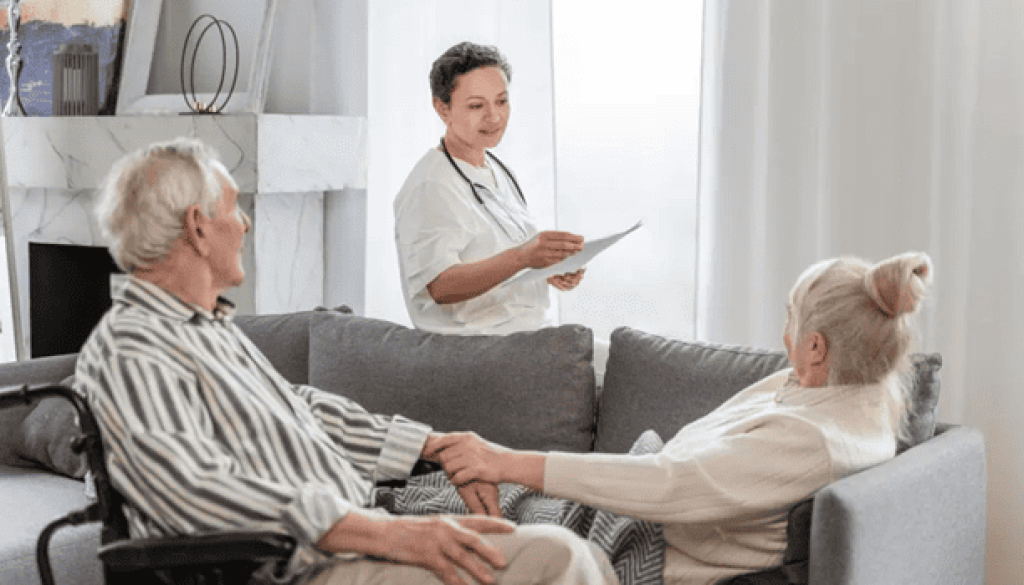
Crucial Safety Tips for Seniors Living Alone
The desire to “age in place” allows you to keep the memories and independence of home. However, finding the right tips for seniors living alone is essential to ensure that your safety and peace of mind are never compromised during an emergency.
Did you know that according to the CDC, over 14 million elderly people fall each year, leading to serious injuries like hip fractures and head trauma? It’s a sobering statistic, but it’s not meant to scare you; it’s meant to prepare you.
The key to safe and confident independent living is not just luck; it’s proactive planning and implementing smart safety strategies. Here are the crucial steps you should take today to secure your home and your peace of mind.
1. Fall-Proof Your Home: The #1 Priority
Falls are the leading cause of injury among older adults. The good news? Most falls are preventable with simple changes. Go through your home room by room with this mindset.
| Area | Top Hazards to Remove | Safety Solutions to Install |
| Floors & Walkways | Loose throw rugs, cluttered pathways, electrical cords across the floor. | Secure all rugs with double-sided tape or non-slip backing. Keep all walkways clear of clutter and furniture. |
| Bathroom | Wet, slippery floors; no support near the toilet or tub. | Install grab bars near the toilet and inside the shower/tub. Use non-slip mats inside and outside the shower. Consider a shower chair. |
| Lighting | Dim rooms, hard-to-reach light switches, dark hallways at night. | Install motion-sensor nightlights in hallways and bathrooms. |
| Stairs | Slippery steps, no handrail, poor lighting. | Install sturdy handrails on both sides of the staircase. Ensure all steps are well-lit. |
2. Emergency Preparedness & Communication
One of the most vital tips for seniors living alone is having a communication “Plan B.” When an emergency strikes, every second counts.
- Emergency Contact List: Post a list of essential numbers (911, physician, trusted neighbor) next to every phone.
- Fire Safety Check: Test your smoke and carbon monoxide detectors every six months. Keep an easily accessible, functioning fire extinguisher in the kitchen.
- Security: Always use a peephole and consider a smart lock box so first responders can enter if you are unable to reach the door.
3. Health & Medication Management
Staying on top of your health is a crucial part of personal safety, especially when you are on your own.
- Medication Review: Schedule a regular review of all your medications with your doctor or pharmacist. Some drug combinations can cause dizziness, which increases your risk of falling.
- Pill Organizers: Use a daily or weekly pill organizer to prevent missed or doubled doses.
- Hydration & Nutrition: Dehydration impacts balance. Set reminders to drink water and eat nutrient-dense meals to maintain muscle strength.
4. Stay Connected, Defeat Isolation
Isolation isn’t just a social issue; it’s a safety issue. A strong social network serves as a vital safety net.
- Daily Check-Ins: Ask a trusted friend, neighbor, or family member to call or stop by at a pre-arranged time each day. This simple routine ensures someone will know quickly if something is wrong.
- Get Social: Join a local club, take an exercise class (like senior yoga or walking groups), or volunteer. Staying active and engaged is one of the best ways to keep your mind and body healthy.
Your Lifeline: The Power of a Medical Alert Device
We can take every precaution, but accidents still happen. Even with the best tips for seniors living alone, you need a way to call for help if you can’t reach your phone. This is where a reliable Medical Alert Device becomes the ultimate tool for independence.
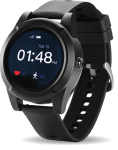
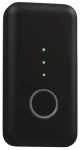
At mySeniorCareHub, we recommend embracing technology designed specifically for the needs of seniors. Our SafeLynk devices offer a solution that is discreet, reliable, and powerful.
| SafeLynk Device Feature | Smartwatch | Locket/Pendant | Automatically alerts the monitoring center if a fall is detected, even if you are unable to press the button. |
| Emergency SOS Button | ✅ | ✅ | Instant, one-touch connection to a 24/7 monitoring center. |
| Automatic Fall Detection | ✅ | ✅ | Automatically alerts monitoring center if a fall is detected, even if you are unable to press the button. |
| Real-Time GPS Tracking | ✅ | ✅ | Provides exact location data to responders and family, especially useful if you are outside the home. |
| Two-Way Communication | ✅ | ✅ | Speak directly to a trained operator through the device. |
| Medication Reminders | ✅ | N/A | Helps ensure you never miss a dose. |
A SafeLynk Medical Alert Device allows you to live life to the fullest, knowing that no matter where you are, help is always just a press away. It’s not a compromise on your independence; it is the foundation of it.
Ready to Boost Your Safety and Peace of Mind?
Don’t wait for an accident to happen. Take the proactive step toward secure, independent living today.
Explore our SafeLynk Smart Watch and Locket Medical Alert Devices and find the perfect fit for your lifestyle.
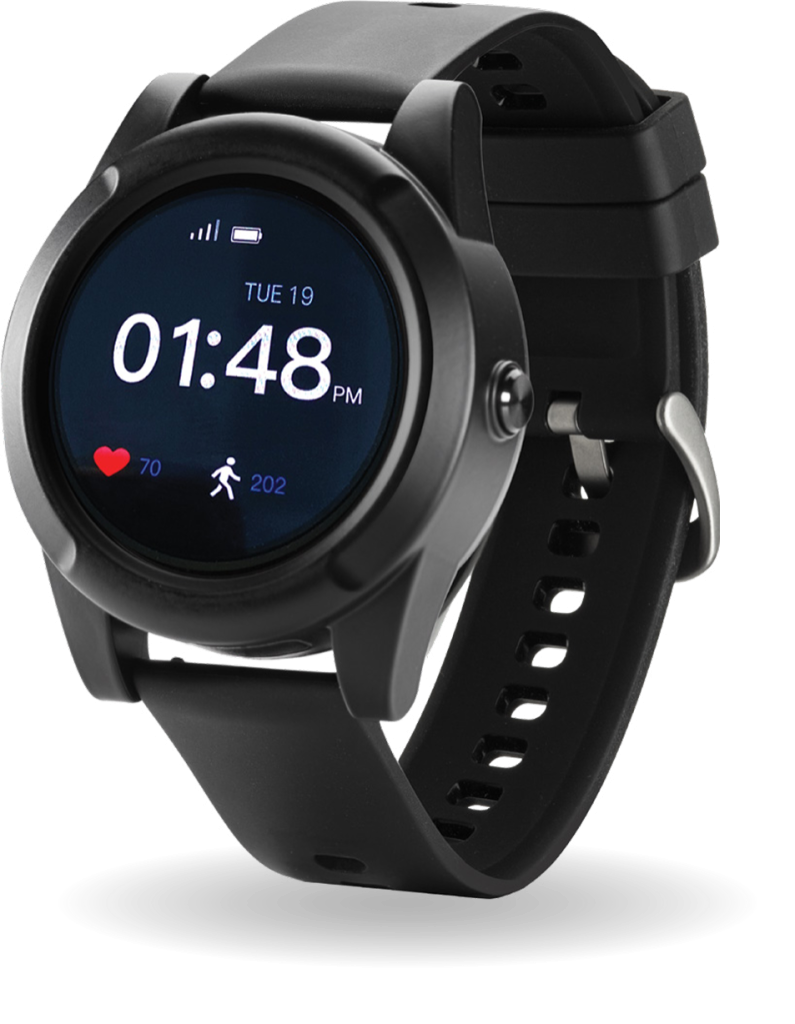
SafeLynk Smartwatch
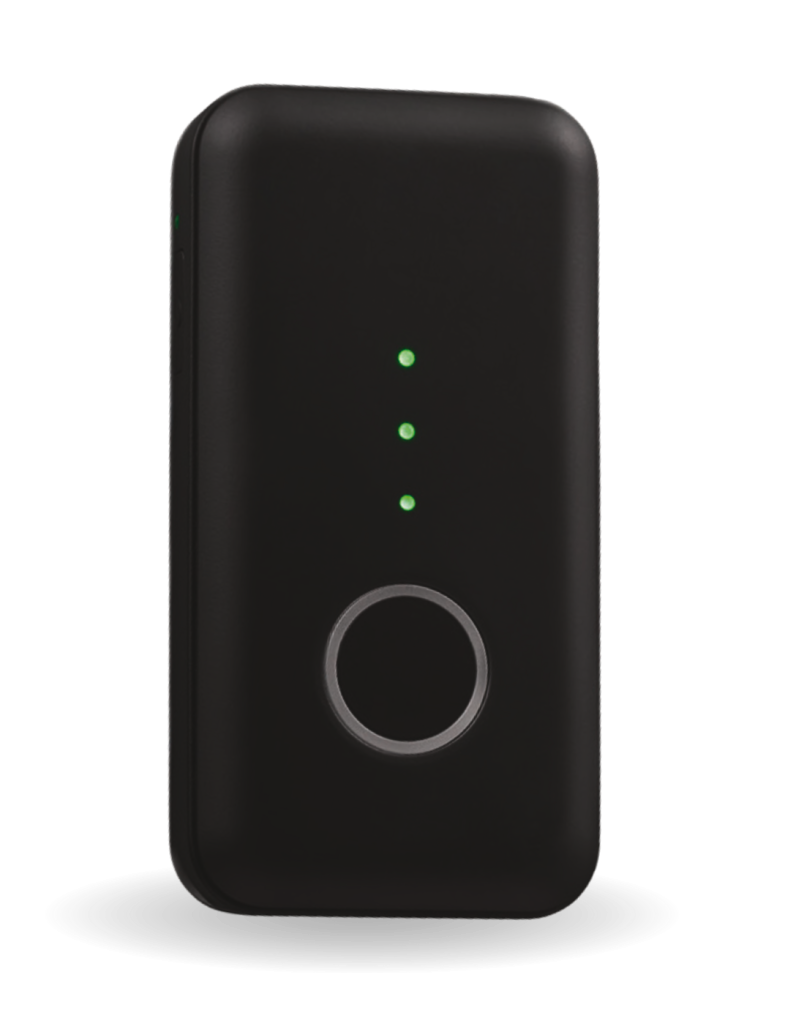
SafeLynk Locket