Medication Safety Checklist for Seniors: 9 Steps to Prevent Medication Errors at Home

Managing medications safely is just as important as taking them on time. For many older adults, prescriptions become a regular part of daily life, but the more medications someone takes, the greater the chance of confusion, incorrect dosages, or harmful interactions.
The good news is that most medication errors can be prevented with a simple routine. Following a medication safety checklist helps seniors and caregivers stay organized, reduce unnecessary risks, and build safer habits at home. Pairing these habits with a medication reminder app can make daily medication routines even easier. 12 practical steps can help make every medication safer and more manageable.
Whether you’re caring for yourself or supporting an aging parent, these 12 practical steps can help make every medication safer and more manageable.
NEVER MISS AN IMPORTANT DOSE AGAIN
Stay on top of every medication with smart reminders, easy tracking, and caregiver support that helps seniors stay healthy every day.
Why Medication Safety Matters More Than Ever
Medication errors don’t always happen because someone forgets to take a pill. They often occur because medications are taken incorrectly, mixed with other prescriptions, stored improperly, or continued after treatment has changed.
Even small mistakes can affect recovery and increase the risk of avoidable health complications.
A simple checklist encourages consistency and helps families identify potential problems before they become emergencies.
Your 9-Step Medication Safety Checklist
1. Keep One Updated Medication List
Write down every prescription, over-the-counter medicine, vitamin, and supplement currently being taken.
Include:
- Medication name
- Dosage
- Purpose
- Time of day
- Prescribing doctor
Carry a copy to every medical appointment and update it whenever medications change.
2. Read Medication Labels Carefully
Never assume two medications should be taken the same way.
Pay attention to:
- Food instructions
- Storage directions
- Possible warnings
Review labels every time a new prescription is filled.
3. Store Medications Correctly
Heat, moisture, and sunlight can reduce the effectiveness of certain medicines.
Pay attention to:
- In their original containers
- Away from bathrooms if humidity is high
- Out of reach of children and pets
- In a cool, dry location
4. Avoid Mixing Old and New Prescriptions
Never combine leftover medications with newly prescribed ones without speaking to a healthcare professional.
Dispose of expired or discontinued medications through approved medication take-back programs whenever possible.
5. Use One Pharmacy Whenever Possible
Filling prescriptions at the same pharmacy allows pharmacists to identify potential drug interactions and duplicate medications more easily.
It also keeps medication records together in one place.
6. Double-Check Before Taking Every Dose
Before taking medication, quickly confirm:
- Is this the correct medication?
- Is this the correct dosage?
- Is this the correct time?
- Have I already taken it today?
This simple habit helps prevent duplicate or missed doses.
7. Schedule Regular Medication Reviews
Health conditions change over time, and medication plans should change with them.
Ask your healthcare provider to review all prescriptions during routine appointments to determine whether any medications can be adjusted, replaced, or discontinued.
Regular medication reviews work even better when combined with an organized medication plan. Learn how caregivers can simplify medication management for aging parents.
8. Watch for New Side Effects
After starting a new medication, pay attention to changes such as:
- Dizziness
- Skin reactions
- Digestive issues
- Balance problems
Record symptoms and discuss them with your healthcare provider rather than stopping medication on your own.
9. Use Digital Tools to Stay Organized
As medication schedules become more complex, digital tools can simplify everyday organization.
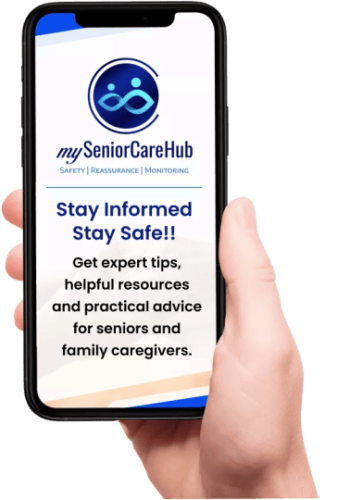
Solutions like the mySeniorCareHub medication reminder app help families manage medication schedules, organize health information, and support consistent medication routines. Combined with caregiver collaboration and wellness tracking, digital tools provide an extra layer of confidence without replacing professional medical advice.
Small Safety Habits Create Long-Term Confidence
Medication safety isn’t achieved through one big change. It’s built through small, consistent habits practiced every day.
Reviewing medications regularly, following storage instructions, maintaining accurate medication records, and staying organized all contribute to safer care.
For seniors living independently and families supporting loved ones from a distance, having a clear medication safety checklist makes it easier to stay prepared and reduce avoidable medication errors.
Recognized as the best medical mobile app with wearable devices 2026, recommended by YourOpinionCorner, and backed by a 4.7-star user rating, mySeniorCareHub helps families stay organized with connected care tools designed to support safer, more confident aging at home.
STAY CONSISTENT WITH EVERY MEDICATION
Frequently Asked Questions (FAQs)
-
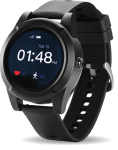
The best Fall Detection Watch combines automatic fall detection, GPS location tracking, Emergency SOS, and caregiver notifications in a wearable that’s comfortable enough for everyday use. Devices designed specifically for senior safety, such as the SafeLynk Smart Watch, offer features that support both independence and emergency preparedness.
-
A fall detection smartwatch uses built-in motion sensors and advanced algorithms to identify sudden movements that may indicate a fall. When a significant fall is detected, the device can prompt the user to respond and, if necessary, notify caregivers or emergency contacts.
-
Yes. Many senior emergency watches allow users to send SOS alerts directly to designated caregivers or family members. Some cellular-enabled devices also share the wearer’s GPS location, making it easier for loved ones to provide assistance quickly.
-
Both options provide emergency assistance, but wearable medical alert devices offer additional benefits such as GPS tracking, wellness monitoring, caregiver notifications, and all-day mobility. For many active seniors, a smartwatch-style device provides more flexibility than a traditional in-home alert button.
-
When comparing a GPS watch for seniors, look for automatic fall detection, cellular connectivity, Emergency SOS, battery life, comfort, caregiver alerts, and ease of use. A device that combines these features can provide better long-term value while supporting safer, more independent living.