
Aging Strong: Senior Fitness 101
It’s a common misconception that getting older means slowing down and becoming less active. But the truth is, regular fitness as a senior is one of the most powerful tools you have for maintaining your independence, health, and a vibrant quality of life.
It’s never too late to start! Whether you’re a seasoned exerciser or just beginning your fitness journey, this guide is your Senior Fitness 101 – a simple, conversational roadmap to a healthier, better you.
Why Get Moving? The Unbeatable Benefits of Senior Fitness
Think exercise is just about muscles? Think again! The benefits are far-reaching, impacting everything from your mood to your cognitive function. Here are some compelling reasons, backed by statistics:
| Benefit Category | Specific Impact | Key Statistic/Data Point |
| Physical Health | Reduces Risk of Chronic Disease | Regular activity can reduce the risk of cardiovascular disease by up to 35%. |
| Injury Prevention | Prevents Falls | Exercise programs that include balance training can reduce falls by 21%. |
| Skeletal Health | Improves Bone Density | Strength training helps to counter and can even reverse age-related bone loss, fighting conditions like osteoporosis. |
| Mental & Emotional | Boosts Mood and Cognition | Reduces symptoms of anxiety and depression and may significantly help fight against cognitive decline and dementia. |
| Daily Life | Maintains Independence | Strength training helps you with everyday tasks like rising from a chair or carrying groceries. |
Start Smart: Your 5-Step Fitness Checklist
Jumping into a new routine without preparation can lead to injury or discouragement. Follow these steps to set yourself up for long-term success.
1. Talk to Your Doctor First
This is the most crucial first step. Always consult with your physician before starting any new exercise program, especially if you have:
- A chronic health condition (like diabetes or heart disease).
- Joint pain, dizziness, or shortness of breath.
- Recently had surgery or a blood clot.
Your doctor can help tailor the right routine for your specific needs and safety.
2. Set Realistic Goals
Don’t aim for a marathon right out of the gate! Start small and build consistency.
- Short-Term Goal Example: Walk for 10 minutes, three times a week.
- Long-Term Goal Example: Be able to walk a full mile comfortably in six months.
3. Focus on the Four Pillars of Senior Fitness
A balanced routine should incorporate four main types of exercise:
| Fitness Pillar | What It Does | Example Exercise |
| Endurance/Aerobic | Increases heart rate and breathing; improves heart and lung health. | Brisk walking, water aerobics, cycling, and seated marching. |
| Strength | Builds muscle mass to support joints and improve metabolism. | Lifting light weights, using resistance bands, wall push-ups, and chair squats. |
| Balance | Helps prevent falls, which are the leading cause of fatal injury among older adults. | Tai Chi, standing on one foot (while holding a chair), heel-to-toe walking. |
| Flexibility | Stretches muscles, keeps joints mobile, and increases range of motion. | Gentle yoga, neck and shoulder rolls, seated stretches. |
4. Pace Yourself and Be Consistent
The official recommendation for seniors is 150 minutes of moderate-intensity exercise per week, but if you’re new, start with just 5 to 10 minutes at a time. Consistency beats intensity every single time. Try to make exercise a daily habit, even if it’s just a light stretch!
5. Always Prioritize Safety
Safety should be your non-negotiable rule.
- Hydrate: Drink water before, during, and after your workout.
- Gear: Wear comfortable, non-slip shoes and loose-fitting clothing.
- Warm-up/Cool-down: Always begin with a gentle warm-up (e.g., slow walking, light stretches) and end with a cool-down.
Stop immediately and call for Help if you experience symptoms like pressure in your chest, sudden dizziness, or severe joint pain. Listening to your body is a sign of strength, not weakness.
Your Active Life Deserves Protection: SafeLynk Devices
As you embrace your new, active lifestyle, peace of mind is paramount. No matter how careful you are, falls or unexpected medical issues can happen, often when you’re alone or away from a phone.
This is where a reliable Medical Alert Device becomes a vital part of your fitness gear.
Introducing SafeLynk Devices, the perfect companion for the active senior:
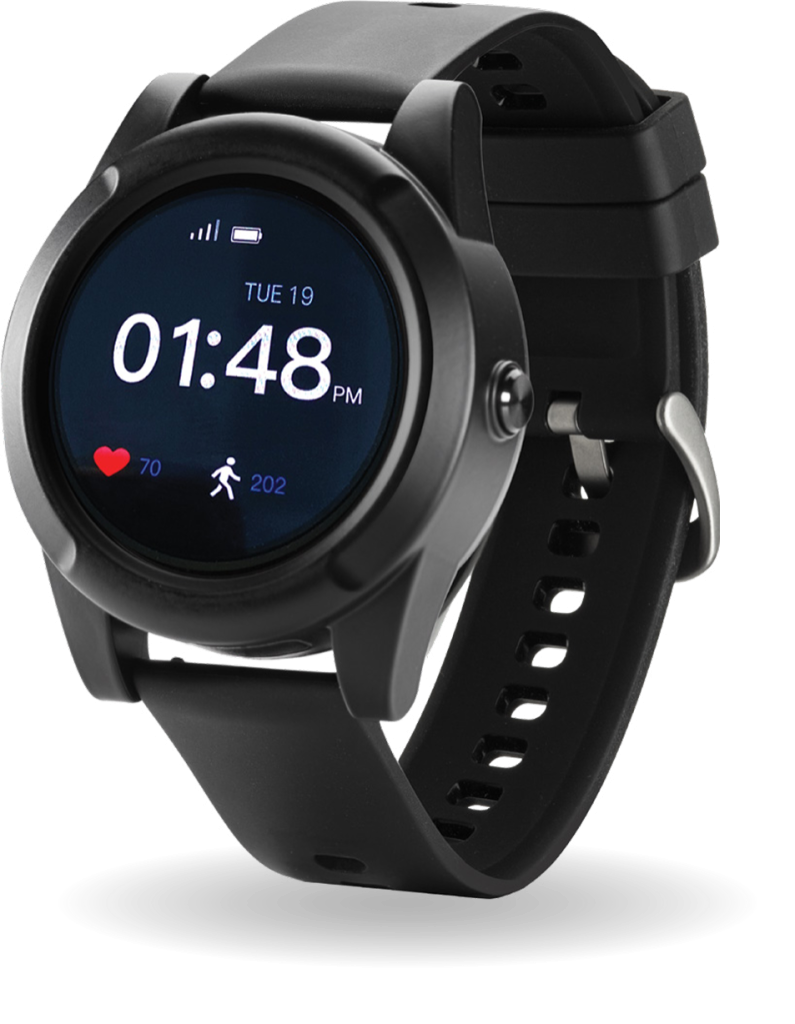
SafeLynk Smartwatch
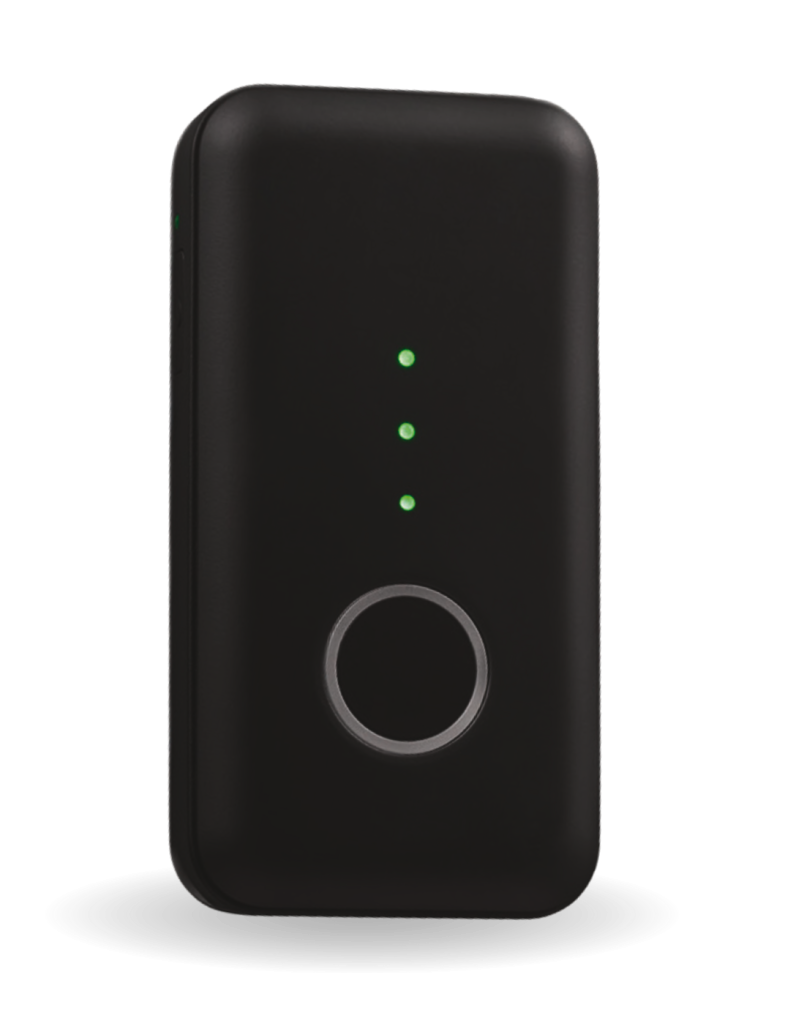
SafeLynk Locket
- SafeLynk Smart Watch: A discreet, modern device that blends right into your active life. It features a simple SOS help button, GPS tracking so help knows where to find you, and a built-in step tracker to keep you motivated!
- SafeLynk Locket: For those who prefer simplicity, this elegant locket is a powerful, lightweight Medical Alert Device with a one-touch call button for 24/7/365 emergency support.
Both devices offer the security of an instant connection to trained professionals, whether you’re out on your morning walk or enjoying a water aerobics class.
Don’t let worry slow your senior fitness down. Live your best, most active life knowing that instant help is always within reach with a SafeLynk Medical Alert Device.
Ready to start your fitness journey with confidence and security. Learn more about SafeLynk Smart Watch and Locket, and discover the perfect Medical Alert Device to protect your independence