
Whole-Home vs On-the-Go Medical Alert Systems: How to Choose
Choosing a medical alert system for seniors used to be simple: you plugged a base station into a wall and stayed within range. But in 2026, technology has evolved.
Today, the choice isn’t just about “getting help”; it’s about matching a device to your specific lifestyle, mobility, and daily habits. According to the CDC, more than one out of four older adults falls each year, and falling once doubles your chances of falling again.
Should you stick with a traditional “Whole-Home” system, or is it time to upgrade to “On-the-Go” protection? Let’s dive into the technical differences to help you decide.
1. Whole-Home Systems: The Traditional Anchor
Whole-home systems (also known as “In-Home” systems) are designed for seniors who spend the majority of their time indoors. These rely on a central base station that communicates with a wearable button.
How They Work:
- Connectivity: These units connect via a traditional landline or a built-in cellular chip that stays in one spot.
- The Range Factor: You are protected as long as you are within range of the base station (usually 600 to 1,000 feet). If you walk to the mailbox or the end of the driveway, you might lose the connection.
- Best For: Seniors with limited mobility, those who don’t often leave the house alone, or those living in areas with poor GPS/cellular reception.
2. On-the-Go Systems: Protection Without Borders
On-the-Go systems are mobile, standalone devices. They don’t need a base station because the “brains” of the system are inside the wearable itself.
How They Work:
- GPS & Cellular Technology: These devices use 4G LTE networks (like AT&T) to provide nationwide coverage. Whether you are at the grocery store, a park, or visiting family three states away, help is one press away.
- Precise Location Tracking: Unlike home systems that only tell dispatchers you are “at home,” mobile systems use GPS and WiFi triangulation to pinpoint your exact coordinates.
- Advanced Safety Features: Many modern mobile units, like our SafeLynk devices, include automatic fall detection, which uses sensors to call for help even if you are unconscious.
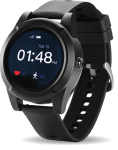
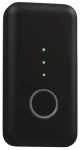
Featured: SafeLynk Smartwatch & Locket
For those who want safety to look like a modern accessory rather than a medical device system, we recommend:
- SafeLynk Smartwatch: A sleek, all-in-one wearable featuring 24/7 SOS, heart rate monitoring, and a step counter. It’s perfect for the active senior who wants to stay fit and safe.
- SafeLynk Locket: Discreet and lightweight, this device can be worn as a pendant. It offers the same powerful GPS and fall detection in a simple, “set-it-and-forget-it” design.
Comparison at a Glance
| Features | Whole-Home System | On-the-Go (Mobile) |
| Primary Connection | Landline or Home Cellular | 4G LTE / GPS |
| Range | Limited to the home/yard | Nationwide (wherever a signal exists) |
| Fall Detection | Available as an add-on | Often built-in (SafeLynk) |
| Battery Life | Plugged into the wall (Pendant lasts for years) | Rechargeable (lasts 3–5 days) |
| GPS Tracking | Not Supported | Yes (Real-time tracking) |
Insight: The “Safety Gap”
A common misconception is that falls only happen in the bathroom or kitchen. However, research shows that at least 50% of falls among seniors occur outdoors.
If you or your loved one still enjoys gardening, walking the dog, or driving to appointments, a Whole-Home system creates a “safety gap” the moment you step out the front door.
This is why mobile PERS (Personal Emergency Response Systems) are currently the fastest-growing segment of the industry.
“Find Your Fit” Quiz: Which One Do You Need?
Seniors, answer “Yes” or “No” to the following questions to see which medical alert system matches your daily routine.
- Do you spend more than 2 hours a day outside the home (gardening, grocery shopping, or visiting friends)?
- Do you often drive or take public transit by yourself?
- Would you find it helpful to track your daily steps or monitor your heart rate on the same device you use for emergencies?
- Would your family feel more at ease if they could see your GPS location on a smartphone app in real-time?
- Do you enjoy traveling, even if it’s just short day trips to neighboring towns?
Your Personalized Recommendation:
- 0 – 1 “Yes” Answers: Homebound Hero.
If you primarily stay indoors and have a reliable landline, a Whole-Home System is a solid, budget-friendly choice. It provides a massive “safety net” for your living space and bathroom without the need for regular charging. - 2 – 3 “Yes” Answers: Neighborhood Navigator.
You have an active life, but stay close to home. The SafeLynk Locket is your best match. It’s lightweight, discreet, and provides GPS protection the moment you step off your porch, ensuring help is available at the park or the pharmacy. - 4+ “Yes” Answers: Modern Trailblazer.
You aren’t slowing down, and your safety tech shouldn’t either. The SafeLynk Smartwatch is designed for you. With built-in fall detection, vitals monitoring, and nationwide 4G LTE coverage, it offers elite protection that looks just like a high-end timepiece.
Why 2026 Seniors are Choosing SafeLynk Devices?
Our SafeLynk devices combine advanced fall detection algorithms with California-based 24/7 monitoring centers, ensuring that if you can’t speak, we still know exactly where you are and how to help.
According to recent 2025-2026 industry reports, seniors using mobile GPS-enabled devices are 40% more likely to receive medical assistance within the “Golden Hour” (the first 60 minutes after a fall) compared to those relying on in-home landline systems alone.
Ready to Secure Your Independence
Don’t wait for a “close call” to decide which system is right for you. Whether you prefer the sleek functionality of a watch or the hidden security of a locket, SafeLynk has you covered everywhere life takes you.
Explore our SafeLynk devices and find out why it’s the perfect medical alert system for seniors independent lifestyle.
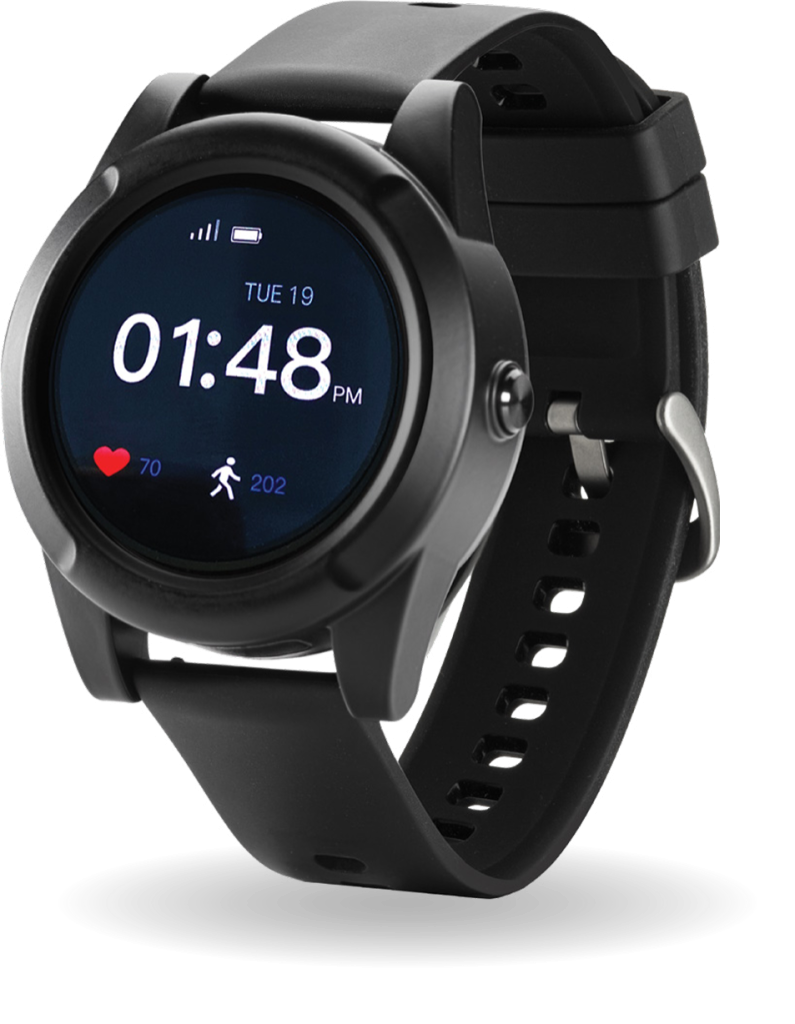
SafeLynk Smartwatch
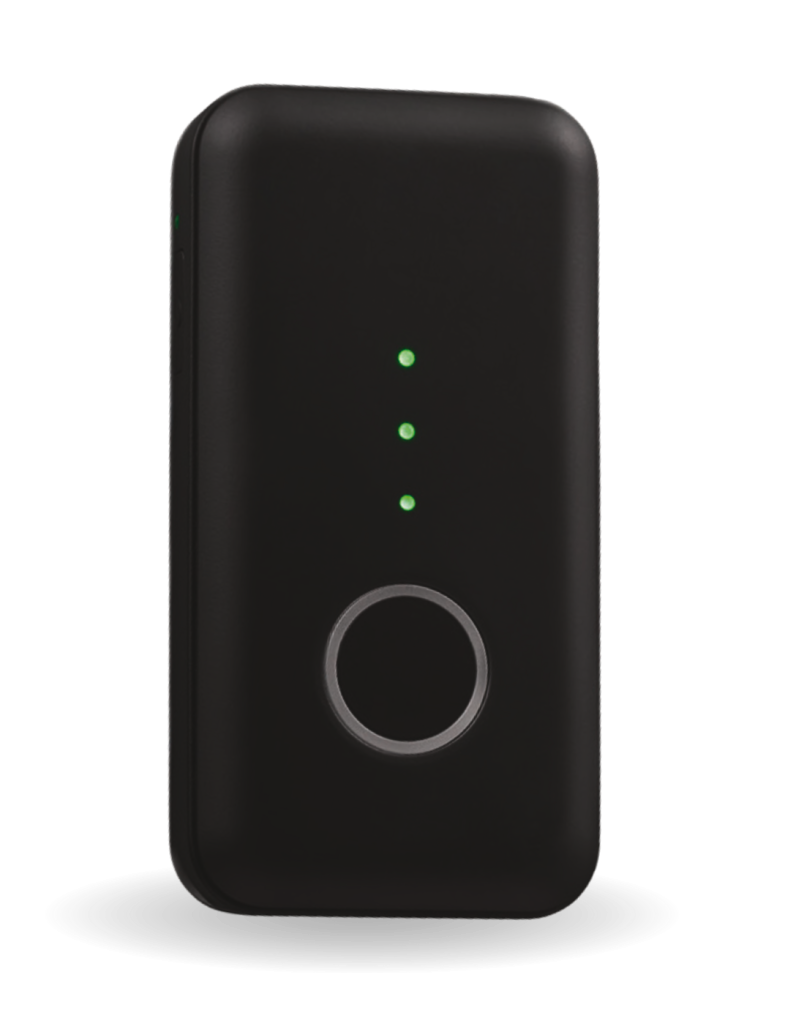
SafeLynk Locket