How Technology Can Help Identify Potential Health Risks in Older Adults Earlier
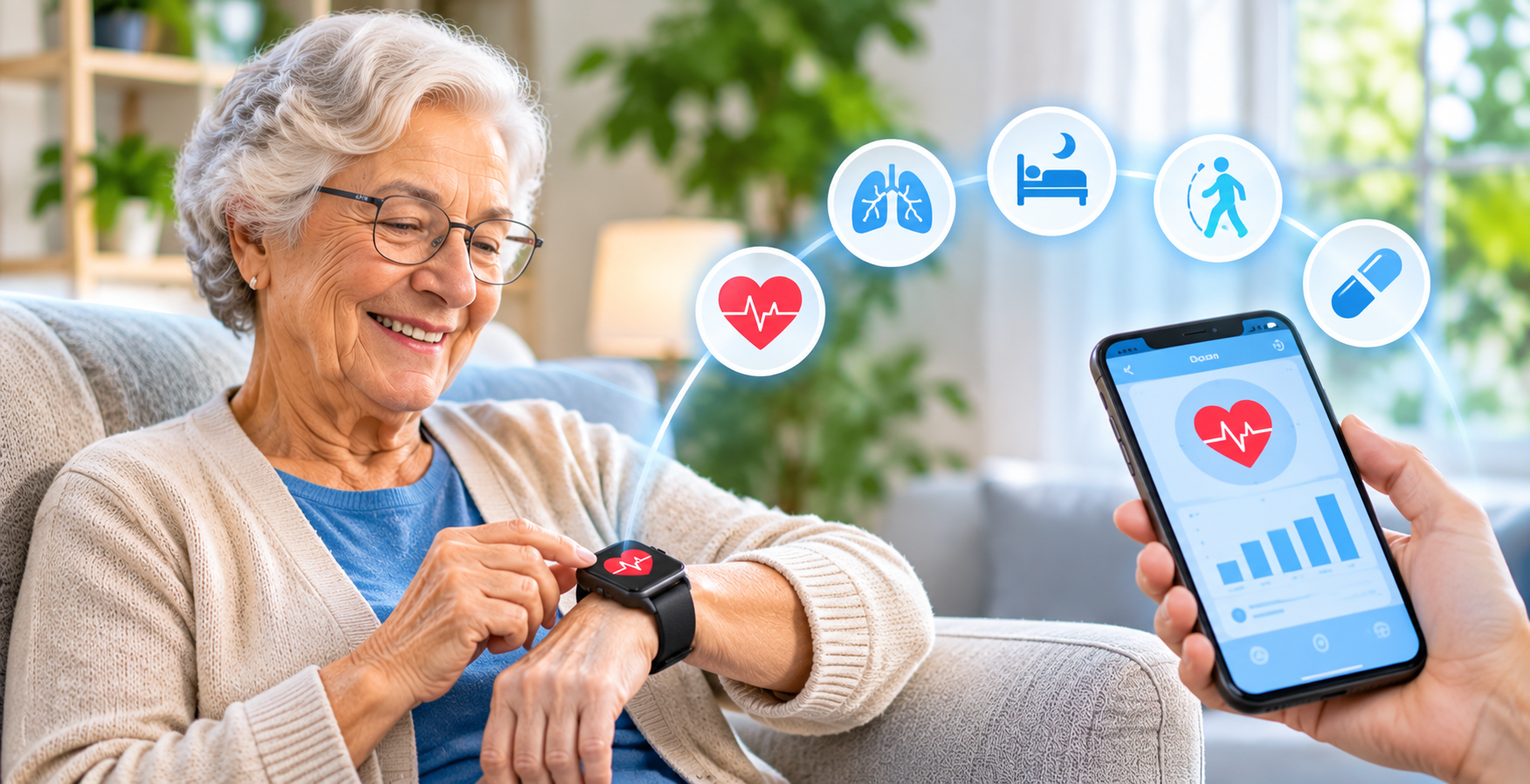
As parents grow older, small changes in their daily routines can sometimes signal a developing health concern. They may become less active, experience disrupted sleep, forget medications, or struggle with activities they previously managed comfortably.
For families, these changes are not always easy to notice, especially when aging parents live independently.
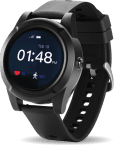
This is where senior health monitoring technology can make a difference. Smartwatches, health monitoring apps, wearable devices, and connected wellness platforms help older adults and caregivers track everyday patterns and recognize changes that may deserve attention.
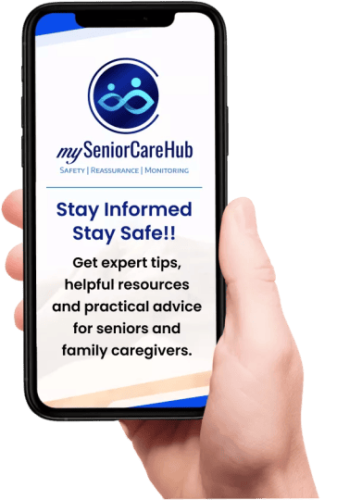
Solutions such as the mySeniorCareHub Family Safety and Wellness App bring together health awareness, daily safety, and family connectivity tools to support more informed caregiving.
Stay Informed About Your Aging Parent’s Everyday Health
Small changes in daily wellness can sometimes go unnoticed. With mySeniorCareHub, families can access vital monitoring, activity tracking, medication reminders, and connected wellness features to stay better informed.
What Is Senior Health Monitoring and How Does It Work?
Senior health monitoring involves using digital tools to track relevant health measurements, physical activity, sleep habits, and daily wellness routines.
Depending on the technology, monitoring may include wearable sensors, mobile applications, connected medical devices, or home monitoring systems.
These tools collect information over time, helping older adults and caregivers recognize changes from established routines.
For example, a noticeable reduction in daily movement or a persistent change in sleep patterns may encourage a conversation with a healthcare professional.
However, monitoring technology cannot independently determine whether a change indicates illness. Its primary value is providing additional information that may support earlier evaluation.
Why Is Early Identification of Health Risks Important for Seniors?
Some health concerns develop gradually rather than appearing as sudden emergencies.
Changes in mobility, sleep, medication routines, or vital measurements may occur before families recognize that additional support is needed.
According to the CDC, more than one in four adults aged 65 and older experiences a fall each year. Falls can also affect confidence, mobility, and independent living.
Early awareness allows families to discuss potential concerns, arrange appropriate medical assessments, and review home safety needs.
Senior health monitoring supports this process by making everyday information more accessible.
6 Ways Technology Can Help Identify Potential Health Risks Earlier
1. Vital Signs Monitoring Helps Track Health Changes
Vital signs monitoring is one of the most useful applications of digital health technology for older adults.
Depending on the device, monitoring may include heart rate, blood pressure, blood oxygen levels, or other measurements.
A vital monitoring app can help users review available wellness information and identify readings that may warrant professional attention.
For example, consistently unusual measurements may encourage an older adult to contact their healthcare provider.
The accuracy and medical suitability of these measurements depend on the device. Consumer wellness readings should not replace clinical testing or diagnosis.
2. Activity Tracking Can Highlight Changes in Mobility
Physical activity plays an important role in maintaining strength, balance, and independence.
Wearable health monitoring devices can record movement patterns, step counts, and other activity information.
If an older adult becomes significantly less active than usual, it may be worth exploring possible explanations.
Changes could reflect temporary fatigue, lifestyle adjustments, mobility difficulties, or other factors.
Research supported by the National Institute on Aging has explored how wearable and home-based sensors can measure changes in physical function and mobility.
Activity tracking provides useful context, but it cannot identify the medical cause of reduced movement.
3. Sleep Monitoring Can Reveal Changes in Daily Wellness
Sleep quality and duration can influence how older adults feel throughout the day.
Senior wellness monitoring technology may help users review sleep duration, consistency, and other available sleep-related information.
For example, repeated disruptions in an established sleep routine may prompt questions about discomfort, medication effects, or lifestyle changes.
These patterns can provide useful information for conversations with healthcare professionals.
However, consumer sleep tracking cannot diagnose sleep disorders or determine the cause of sleep disturbances.
4. Medication Reminder Apps Support Consistent Routines
Medication management becomes increasingly important when older adults take multiple prescriptions.
Missed doses, incorrect timing, or confusion about medication schedules can create avoidable challenges.
A medication reminder app for seniors helps organize schedules and provides notifications at designated times.
These reminders support everyday medication management and may help families identify when additional routine support is needed.
However, a reminder notification does not confirm that medication was taken. Medication concerns should always be discussed with a pharmacist or healthcare professional.
5. Daily Safety Check-Ins Help Families Notice Missed Routines
When older adults live alone, families may not immediately know when their usual routines change.
A daily safety check-in app offers a structured way for older adults to confirm their everyday well-being.
If an expected check-in is missed, families can follow their agreed communication plan to determine whether assistance is needed.
A missed check-in does not necessarily indicate a medical emergency. It may result from a forgotten notification, connectivity problem, or a change in schedule.
Nevertheless, regular check-ins can support timely communication and help families respond to uncertainty.
6. Fall Detection and Emergency Alerts Support Faster Assistance
Falls are a significant concern for older adults, particularly those experiencing mobility or balance difficulties.
Compatible fall detection wearables may recognize certain fall-like movements and initiate an alert process.
Emergency SOS functionality also allows users to request help when they recognize an urgent situation.
mySeniorCareHub’s broader SafeLynk device ecosystem includes fall detection technology, while its Family Safety App offers Emergency Help and eligible 24/7 Dispatch support.
Fall detection is primarily an emergency response feature, not a tool that predicts or prevents every fall.
Families should combine appropriate technology with medical fall-risk assessments and home safety improvements.
Which Health Changes Can Senior Monitoring Technology Help Families Notice?
Different monitoring tools provide information about different aspects of everyday health.
| Potential Concern | Relevant Technology | What Families May Notice |
|---|---|---|
| Unusual vital measurements | Connected health monitoring devices | Readings outside an established pattern |
| Reduced physical activity | Wearable activity trackers | Changes in movement routines |
| Disrupted sleep | Sleep monitoring tools | Changes in sleep duration or consistency |
| Medication management difficulties | Medication reminder apps | Scheduling or routine concerns |
| Missed daily communication | Safety check-in apps | Uncompleted expected check-ins |
| Falls or urgent situations | Fall detection devices and SOS systems | Certain detected events or requests for help |
These observations are signals for further attention, not medical diagnoses.
How AI and Remote Health Monitoring Are Changing Senior Care
Artificial intelligence and remote monitoring technologies are creating new opportunities to study changes in older adults’ health and daily functioning.
AI-assisted systems may analyze information collected over time and identify patterns that are difficult to recognize from individual readings.
Researchers are also investigating whether changes in activity, sleep, and mobility can help identify emerging health concerns.
However, the effectiveness of these approaches varies by technology, clinical validation, and intended use.
It is also important to distinguish consumer senior wellness monitoring from clinical remote patient monitoring.
Clinical remote patient monitoring involves healthcare professionals reviewing appropriate patient data as part of a medical care process.
Consumer wellness applications generally support personal awareness and family communication rather than clinical diagnosis.
How mySeniorCareHub Supports Connected Senior Health Monitoring
mySeniorCareHub combines everyday wellness capabilities with practical family safety features.
Its broader wellness platform includes vital monitoring, medication reminders, sleep and activity tracking, family sharing, health data sharing, and Kiara AI Health and Care Companion.
These capabilities can help older adults organize routines and make available wellness information easier to access.
The core Family Safety App provides four additional safety-focused capabilities: Daily Check-In, Location Tracking, Emergency Help, and 24/7 Dispatch through eligible membership plans.
Together, these tools support family communication, daily wellness awareness, and emergency preparedness.
They do not independently diagnose health conditions, predict medical emergencies, or replace professional healthcare.
How to Choose the Right Senior Health Monitoring System
When comparing senior monitoring devices and applications, families should consider the older adult’s individual needs.
For someone primarily interested in wellness tracking, medication reminders and compatible vital monitoring tools may be useful.
For an older adult living independently, daily check-ins, emergency SOS, and location sharing may provide additional support.
Families should also evaluate device compatibility, ease of use, privacy controls, data accuracy, and subscription requirements.
Most importantly, older adults should participate in decisions about which information is collected and shared.
Conclusion
Identifying potential health risks earlier begins with recognizing meaningful changes in everyday routines and health measurements.
Senior health monitoring technology can support this process through vital monitoring, activity tracking, sleep awareness, medication reminders, daily check-ins, and emergency assistance.
These tools are most useful when combined with family communication, appropriate medical care, and respect for older adults’ independence.
Explore the mySeniorCareHub mobile app to discover connected wellness and family safety features that can support more informed everyday caregiving.
One App for Senior Health, Safety, and Family Peace of Mind
Support your aging parent’s independence with mySeniorCareHub. Bring together daily safety check-ins, health and wellness tracking, family connectivity, and emergency assistance in one connected experience.
Frequently Asked Questions (FAQs)
-
Senior health monitoring uses digital tools, wearable devices, and connected applications to track available health measurements, activity patterns, and wellness routines. It can support awareness of changes that may require professional evaluation.
-
Some technologies can identify unusual measurements or changes in routine that may deserve attention. However, consumer monitoring devices cannot reliably detect every developing illness or replace medical screening.
-
The most appropriate devices depend on individual needs. Options include smartwatches, connected blood pressure monitors, activity trackers, medical alert systems, and compatible health monitoring applications.
-
Yes. With appropriate consent, compatible applications may allow authorized relatives to access selected wellness information, location updates, or daily safety check-ins.
-
Monitoring can provide information about activity and mobility changes, while fall detection devices may support emergency response. Fall prevention also requires appropriate clinical assessment, exercise, medication review, and home safety measures.