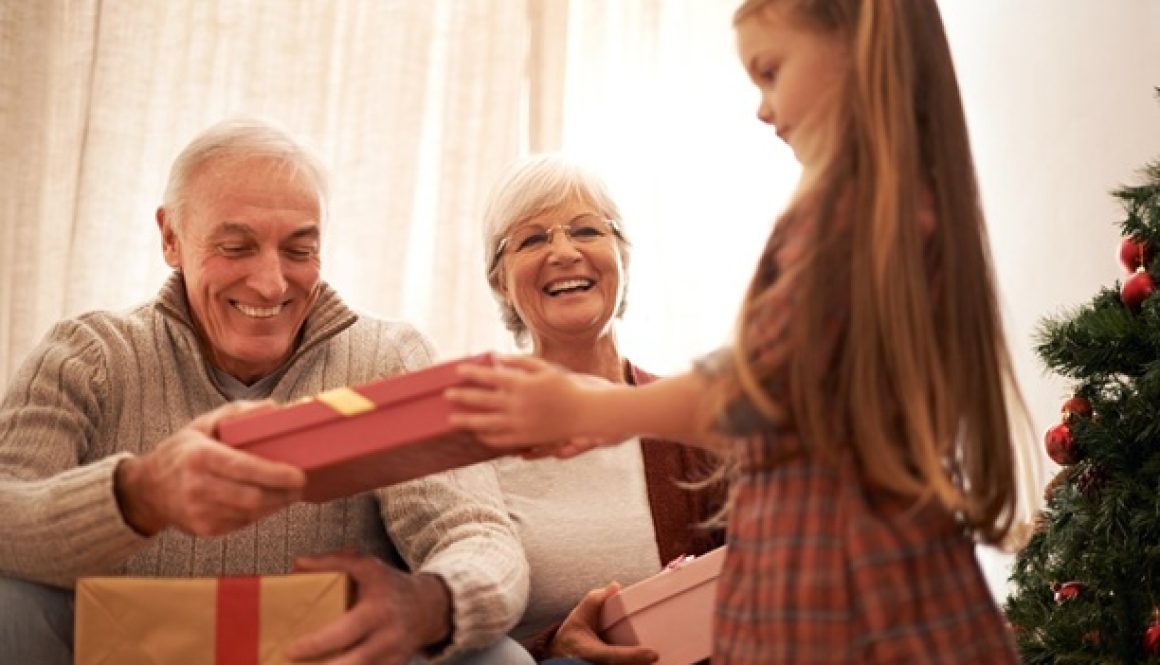
Best Gift for Seniors This Christmas: SafeLynk Smart Device
The Christmas season is about warmth, connection, and giving. When shopping for the seniors in your life, parents, grandparents, or dear friends, the most meaningful gift isn’t another sweater or trinket. It is the priceless gift of Peace of Mind
Peace of mind means knowing they are safe, connected, and supported, allowing them to fully enjoy their independence. This year, shift your focus from material goods to thoughtful gifts that truly enhance their security, health, and happiness.
1. The Gift of Security: Smart Safety Technology
The most impactful gift you can give is one that provides 24/7 security, whether they are home alone or out and about. Modern safety devices are sleek, easy to use, and offer a powerful link between your senior loved one and their care network.
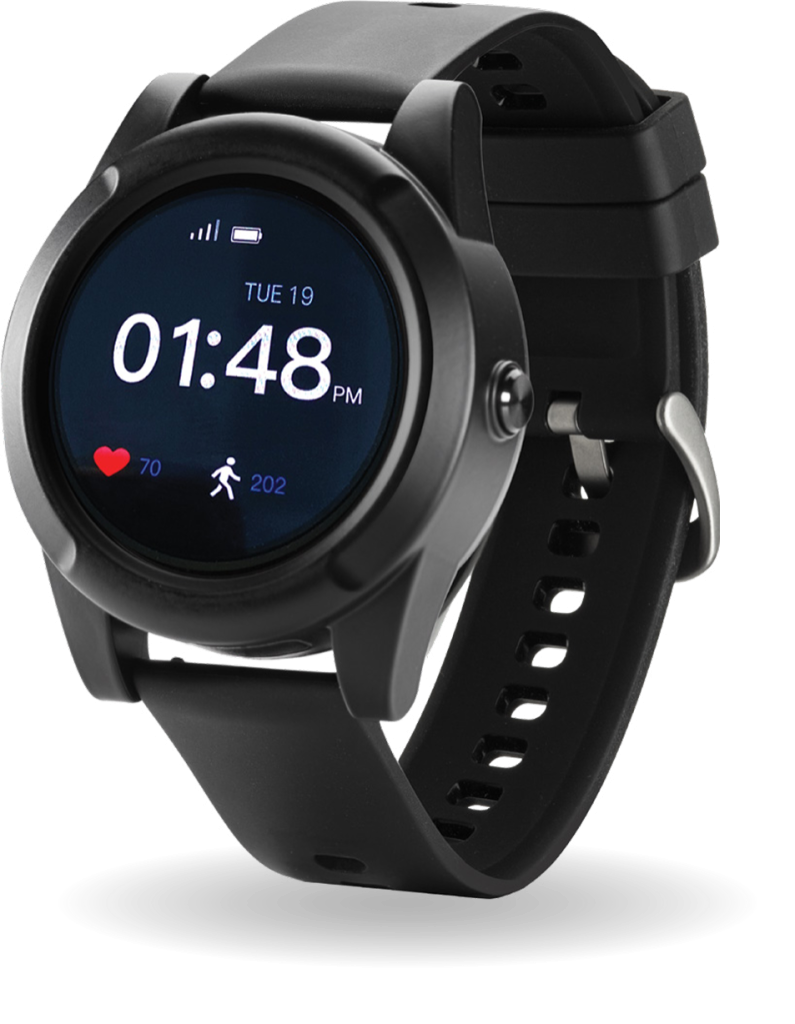
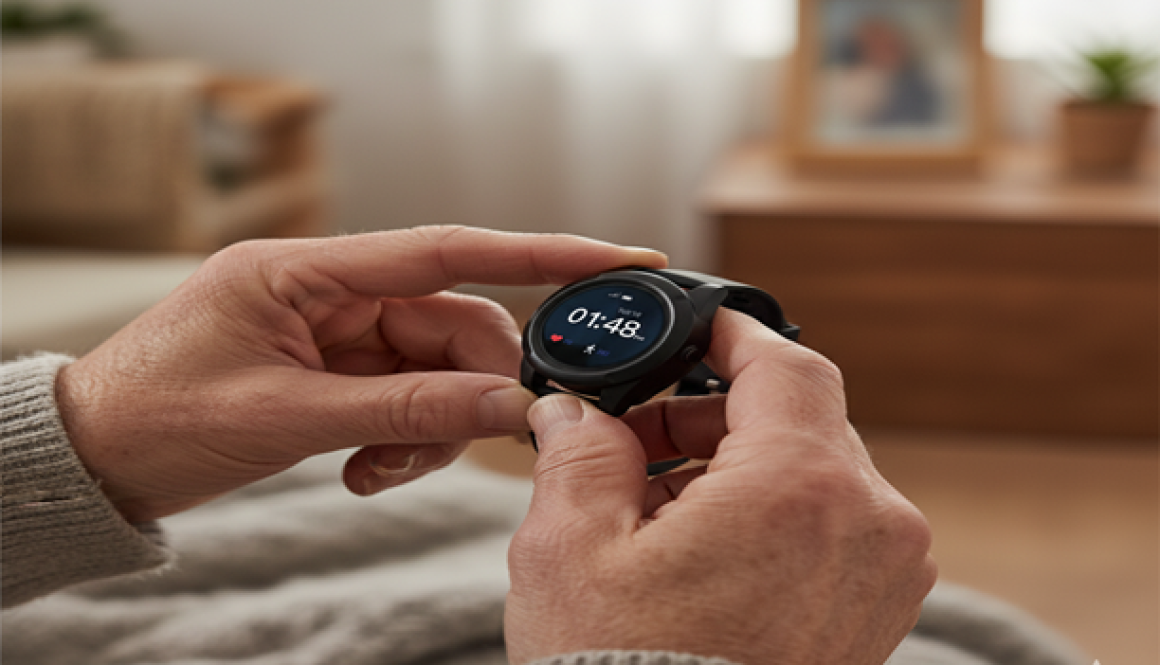
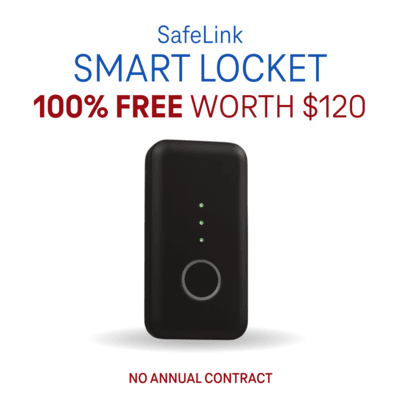
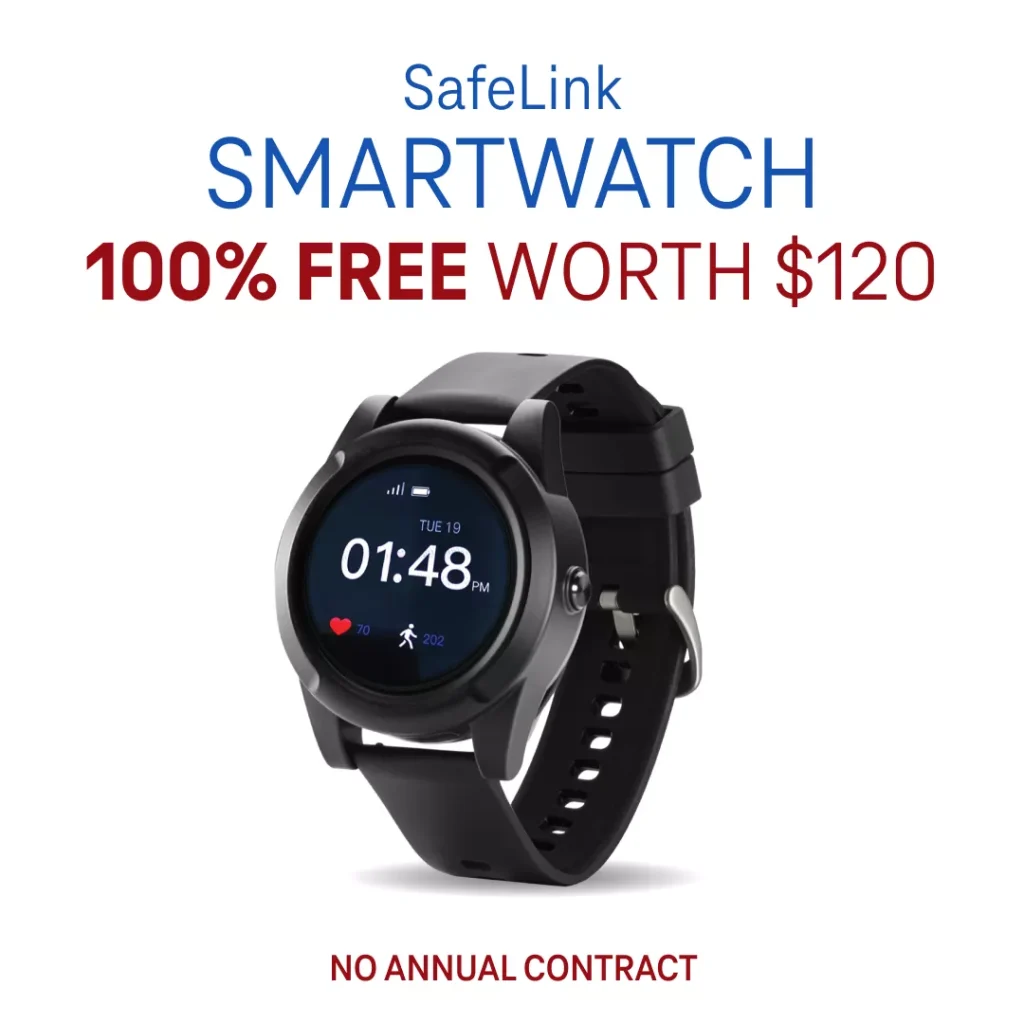
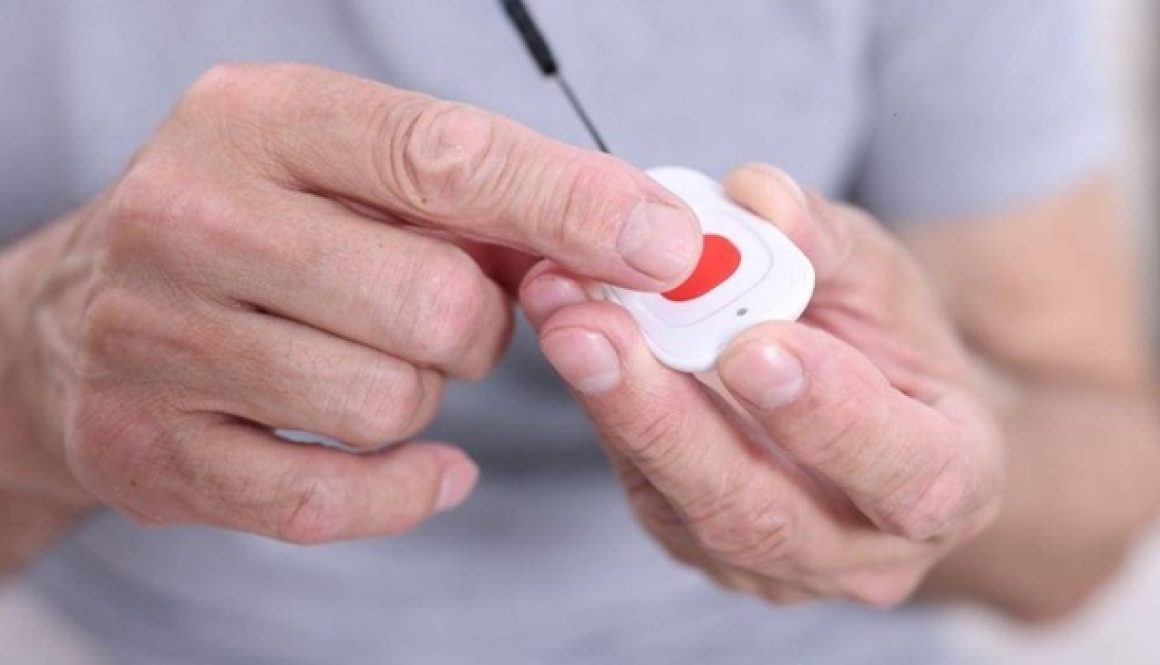
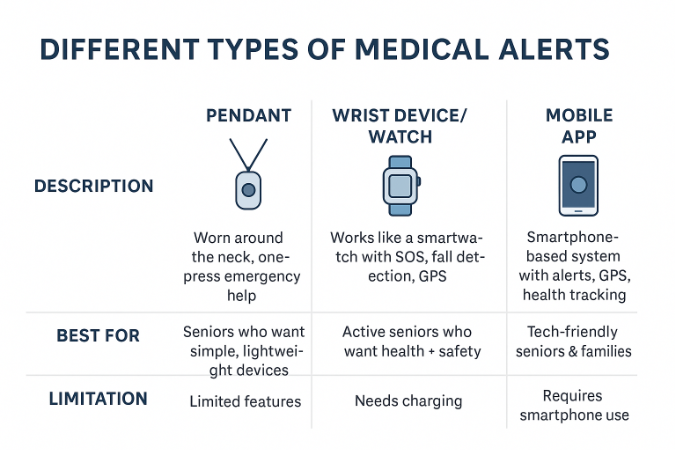
- Medical Alert Systems (Smart Wearables): These are no longer just basic pendants. Smart watches, like the SafeLynk Smart Watch, combine style with critical safety features:
- Automatic Fall Detection: Crucial for those who may be unable to call for help after a slip.
- GPS Tracking: Ensures help can find them quickly, wherever they are.
- Two-Way Voice Communication: Immediate connection to emergency responders or family with the push of a button.
- Video Doorbells and Smart Locks: A video doorbell (like Ring or Google Nest) allows them to see and speak to visitors without having to rush to the door, significantly enhancing home security and reducing anxiety. Smart plugs and voice-activated lighting can also prevent falls by ensuring lights are always accessible.
- Key Finders: Small trackers (like Tile or AirTags) attached to keys, wallets, or even the remote control can alleviate the daily frustration and stress of misplacing important items.
2. The Gift of Health Management
Managing complex health routines can be a major source of holiday stress. Gifts that simplify wellness promote adherence and provide reassurance for the entire family.
- Smart Medication Dispensers: These devices automatically dispense pills at scheduled times and can be programmed to alert caregivers if a dose is missed. This simple tool dramatically reduces the risk of missed doses or accidental double-dosing.
- Health and Vital Monitoring: Consider blood pressure monitors or glucose meters that automatically sync data to an app. If they already have a safety wearable, ensure they are utilizing its full suite of features. Such as the ability to Track Medication Logs or use an Intuitive Voice Agent for symptom checking.
- Weighted Blankets and Aromatherapy: For non-tech gifts, a weighted blanket can help reduce anxiety and promote better sleep. An essential oil diffuser can create a calming, peaceful environment in their home.
3. The Gift of Connection: Bridging the Distance
Loneliness and isolation are two of the biggest threats to senior well-being. The best gifts facilitate effortless communication and shared memories.
- Digital Photo Frames: These Wi-Fi-enabled frames are incredibly popular. Family members can send new photos instantly from their own phones, keeping the senior constantly updated with new pictures of grandchildren, holidays, and family events without needing to upload or manage files.
- Simple Smart Displays (e.g., Echo Show or Google Nest Hub): These allow for hands-free video calling, letting them connect with loved ones using just their voice. They are also excellent for setting voice reminders, listening to music, and checking the weather.
- The Gift of Time (The Priceless Gift): The most cherished gift is always your presence. Schedule regular video calls, plan a weekly dinner, or, best of all, offer a “Coupon Book” for tasks like yard work, grocery runs, or technology help. Show up, listen, and share time together.
Peace of Mind Starts with a Plan
Ultimately, peace of mind is built on the assurance that help is available instantly.
This holiday, you have the opportunity to move beyond fleeting material gifts and invest in something that lasts all year: their safety and confidence.
Secure Their Safety Today with SafeLynk.
Don’t wait for a crisis to give your loved one the ultimate gift of security.
The SafeLynk Smart Watch is the all-in-one wearable that connects up to four premium family accounts, offering Fall Detection, GPS Location Tracking, and 24/7 Emergency Dispatch.
Give the gift of freedom and worry-free living this Christmas Season.