
A Tap That Brings Peaceto Family– Daily Check-in App for Seniors Living Alone
While caring for elderly parents is an act of love, living in different cities or even different states introduces a persistent undercurrent of anxiety. We’ve all been there: one missed call or an unanswered text, and your mind immediately races to the worst-case scenario.
What if you could replace that uncertainty with a single tap? The mySeniorCareHub daily wellness check isn’t just a feature; it’s a digital safety net that respects a senior’s independence while ensuring help is never more than a missed alert away.
What is a Daily Check-in App?
The daily check-in is more than just a notification; it’s a structured engagement system that balances elderly autonomy and caregiver assurance.
App Features
What It Offers
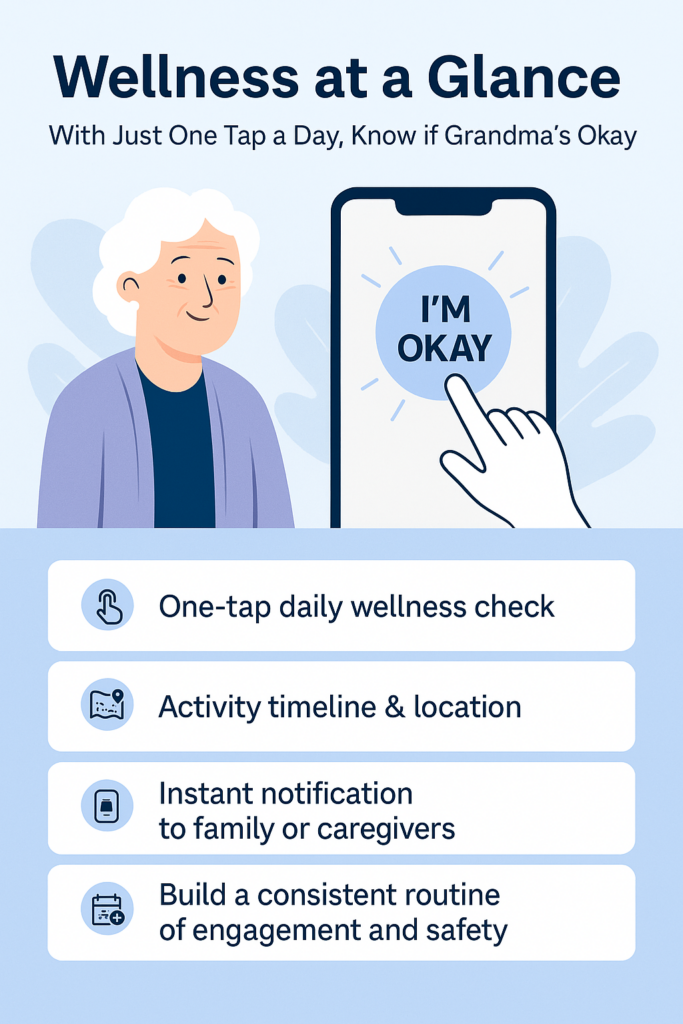
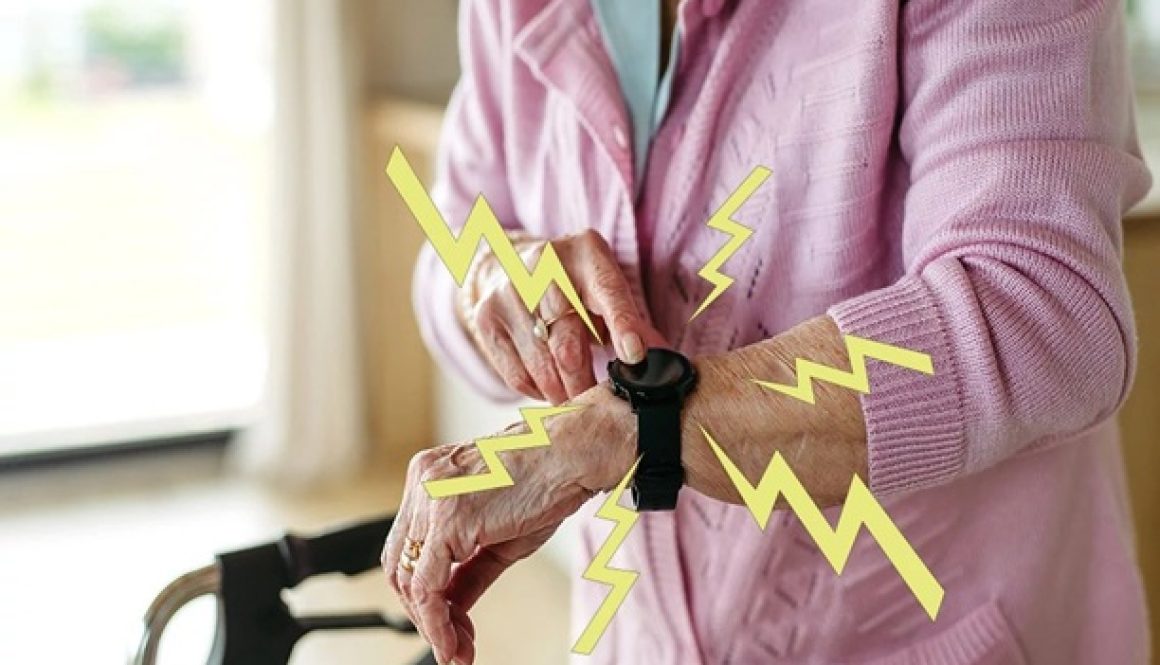
One-tap Daily Wellness Check
A simple “I’m okay” button; no typing, no hassle, zero awkwardness.
Safety Without Surveillance
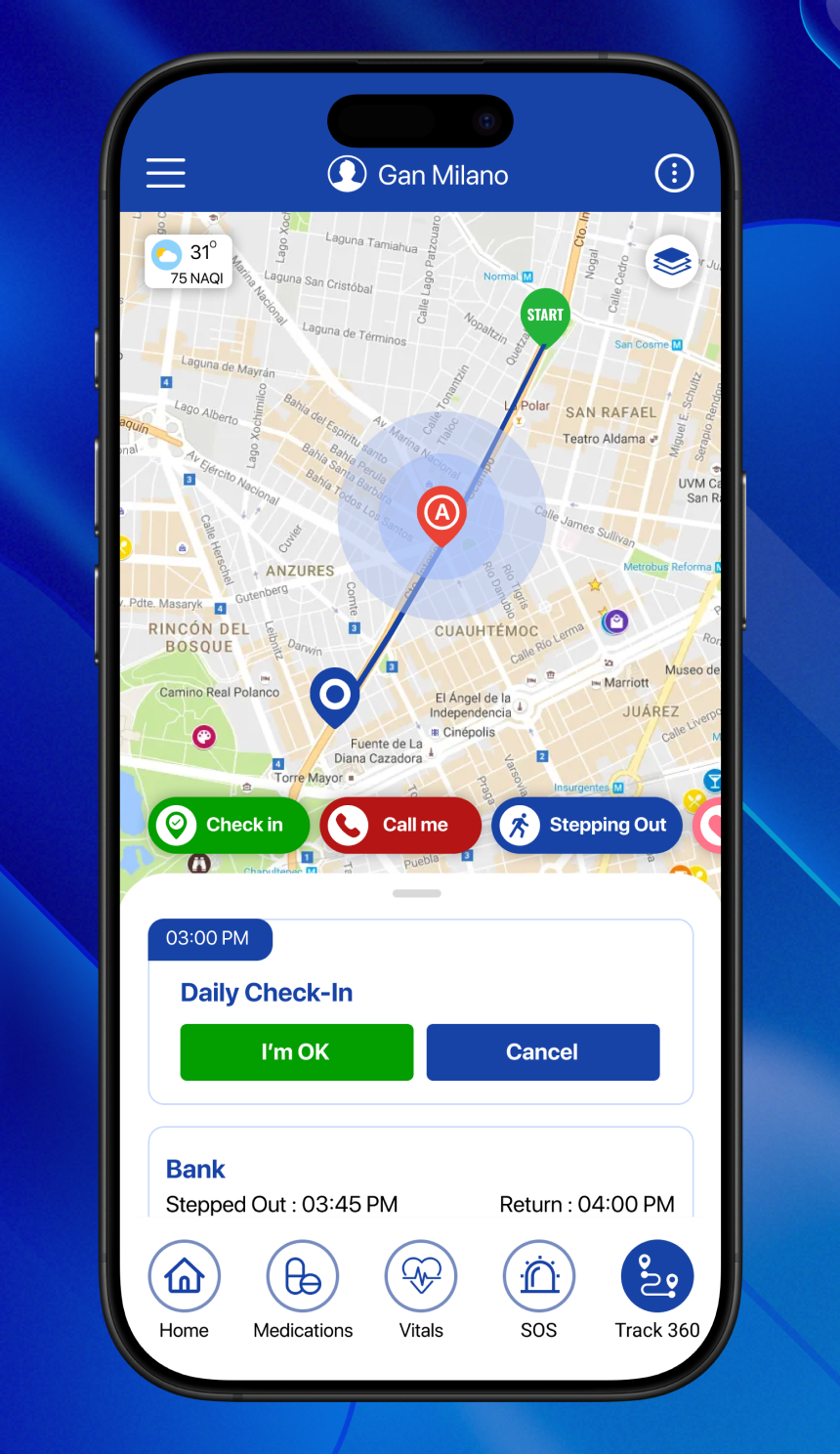
No 24/7 “live tracking.” Location is only shared during an alert or missed check-in.
Automatic Notifications
If a check-in is missed, the app automatically alerts up to 3 family members.
24/7 Emergency Dispatch
Direct connection to medical dispatchers for rapid intervention. (Exclusive to Gold Plan)
It’s a non-intrusive digital gesture that encourages mindfulness and monitoring.
Why It Matters: Detecting Health Issues Early
Traditional “panic buttons” can be expensive ($130+ upfront) and often feel intrusive. mySeniorCareHub moves safety to the smartphone, providing a non-intrusive way to detect issues early:
Falls and Fractures: If a senior is immobile, the “Missed Check-in” alert flags the inactivity, preventing “long-lie” complications.
Peace of Mind for Long-Distance Care: For families living apart, this tool becomes an emotional bridge, providing documented proof of safety every single day.
Independence with a Safety Net
Many seniors resist constant monitoring because they fear losing their dignity. Our app is designed to empower them:
Active Participation: Seniors aren’t just “being watched” – they are active participants in their own wellness.
Reduced Caregiver Guilt: Families can stay informed without feeling overbearing or “checking up” constantly.
Zero Intrusiveness: No cameras, no bulky pendants, and no 24/7 tracking. It’s the ultimate “I’m here” gesture without having to say a word.
It’s like saying “I’m here” without having to say anything at all.
The Emotional Connection
This feature’s impact isn’t limited to clinical outcomes. It touches on something far more human: connection.
For Seniors:
Builds a sense of purpose and participation.
Encourages daily reflection on health.
Provides comfort in knowing someone is quietly watching out for them.
For Caregivers:
Offers peace of mind through timely alerts. Reduces stress and anxiety about sudden medical emergencies.
Enhances remote caregiving, especially for NRIs or families living in different cities.
In long-distance families, where multiple generations often live apart for work or education, this tool becomes a vital emotional bridge.
What Makes It The Best Daily Check-in App for Seniors Living Alone?
Unlike generic apps, we’ve tailored this experience specifically for the elderly:
Low-Tech Barrier: Big buttons, intuitive interface, and voice command integration.
Cost-Effective: Professional oversight without the high cost of 24/7 in-person staffing.
Privacy-First: Encrypted data that meets high standards for patient privacy.
Sometimes, the simplest solutions are the most profound.
When a parent taps “I’m okay,” they aren’t just sending a signal – they are reinforcing their independence and giving you the gift of a worry-free day.
Sometimes the simplest solutions work best in a world full of complicated health tools and overburdened systems. Although a one-tap check-in may not seem like much, it has a deep and multi-layered impact.
When Grandma taps “okay,” she’s not just sending a signal. She’s reinforcing her independence, trusting her care circle, and making her health part of a shared story. Sometimes we only need to hear that one tap to know she is safe, visible, and resilient.
With 24/7 Emergency Dispatch + Daily Safety Confirmation
You find yourself at the doctor’s office with your elderly parent, and the familiar question arises — “Can you tell me their current medications?” You hesitate, trying to remember the names, dosages, and schedules. Was it 5 mg or 10 mg? Morning or evening? Does this sound familiar?
This moment of confusion is more common than we admit. Many caregivers are balancing duties, appointments, and routines. It becomes challenging to keep track of everything when medications are added, stopped, or changed daily. The problem isn’t just about forgetfulness. A missing detail can cause incorrect prescriptions, repeated medications, or even harmful drug interactions.
These minor mistakes can have serious repercussions for elderly patients who are managing several medical conditions, such as diabetes, hypertension, or arthritis. Having an easy-to-use, dependable, and immediately available digital record can help.
That is exactly whatmySeniorCareHubprovides: a more intelligent method of storing and communicating medication information to physicians, lowering caregiver stress, and assisting seniors in receiving safer, higher-quality care. Digital Medication Log App
Relying on memory or handwritten notes to track medications may seem manageable, but it is often unreliable, particularly for seniors with multiple prescriptions. Paper lists can get misplaced, and verbal updates are subject to errors.
Additionally, caregivers may not always be present during consultations. Digital records effectively address all these issues simultaneously. They provide an accurate, up-to-date description of each drug, including dosage, timing, and purpose.
This facilitates informed decision-making by doctors without delays or confusion. More importantly, they help mitigate serious medical risks. For instance, when a doctor knows exactly what medications a patient is taking, they can avoid prescribing something that might interact adversely. This helps reduce the likelihood of drug-drug interactions (DDIs), overdosing, or duplicate medications—common concerns among elderly patients with complex treatment plans.
Maintaining a well-organized digital medication record promotes medication adherence. You can set reminders, track missed doses, and ensure treatment stays on track, especially when multiple caregivers are involved.
When most needed, mySeniorCareHub allows for safe, well-organised, and immediate access to medication history.
Benefit of mySeniorCareHub – App for Prescription List & Medication Activity Log
What if managing prescriptions didn’t require last-minute phone calls home, sticky notes, or WhatsApp messages? Everything is organized in one place with mySeniorCareHub. Keeping your loved one’s medication log up to date and easily shareable is straightforward and secure with this app, which was designed with real caregiving challenges in mind.
It only takes a few taps to:
Add/update meds with timing & dosage
Set & receive reminders
Email/WhatsApp logs to doctors
Track history & stop duplicates
This feature is smart healthcare in addition to being convenient. mySeniorCareHub facilitates the sharing and accessibility of medication logs, which helps physicians make safer and faster decisions, particularly in an emergency or follow-up.
You can use the same log to coordinate care with other family members or nurses, even if you live far away. It keeps everyone in agreement, lessens misunderstanding, and enhances medication adherence.
From Clinic to Comfort: How It Simplifies Caregiving – Share Medical Records with Doctor in One Click
Being a caregiver isn’t easy. The constant need to remember medical information, particularly prescriptions that change with every consultation, is often a source of additional stress.
mySeniorCareHub takes this load off your shoulders by giving you a central place to manage everything medication-related.
Whether you’re at the clinic, at work, or out of town, you can instantly:
Pull up the latest prescription list
Share it with the doctor during appointments.
Coordinate with other caregivers or nursing staff.
Keep a consistent record of medications over time.
When every healthcare provider has access to accurate, updated information, it leads to better diagnoses, safer prescriptions, and faster decisions. With mySeniorCareHub, caregiving becomes less about remembering everything and more about confidently managing your loved one’s health.
Even minor adjustments can significantly impact senior care. A missed dose, an unclear prescription, or a forgotten update can all quickly harm one’s health. Therefore, having the appropriate tools is not only beneficial but essential.
With its easy-to-use medication record management and sharing feature, mySeniorCareHub revolutionises how doctors and caregivers interact. By keeping everyone informed, it enhances doctor-patient communication, medication safety, and trust.
Providing your loved one with a clear, up-to-date medication log with a tap not only simplifies the doctor’s job but also increases the likelihood that they will receive safe, well-managed care.
Shift your focus from remembering pills to truly caring. Use mySeniorCareHub now to make every checkup less stressful.
Keeping track of regular medicine refills can be challenging for many older adults and their families. However, missing even one refill, especially for chronic conditions like high blood pressure or diabetes, can lead to serious health risks. Imagine an elderly patient with high blood pressure. He skips a dose because his medicine has run out. The following day? A hospital visit. All because he neglected to schedule a refill.
Between daily routines, medical check-ups, and managing multiple prescriptions, it’s easy to overlook refill dates. Often, people realise they’ve run out of medicine only when it’s too late. This disrupts treatment and causes unnecessary stress for the patient and their caregiver.
That’s why mySeniorCareHub’s refill reminder feature was created. It helps seniors and carers stay ahead of the game by sending out simple alerts in advance, ensuring that necessary medications are never missed. It’s a step toward safer, stress-free health management.
Sticking to a medication schedule is one of the most important parts of managing chronic health conditions. Whether controlling blood pressure, managing diabetes, or preventing seizures, each pill is essential in keeping the body stable. But for many seniors, remembering when to refill these prescriptions isn’t always easy.
Often, people run out of their medicines simply because they forgot. Some think they have enough stock left; others may not track multiple prescriptions properly.
A skipped dose can cause a relapse of symptoms or emergency medical situations that would have otherwise been dodged if medication had been taken, such as a stroke in the case of a hypertensive patient. This is especially true for medicines that need to be taken regularly, like heart medications, insulin, or antiepileptic drugs.
Here’s where refill reminder app can make a big difference. Refill reminders provide timely alerts before the medication runs out, reducing the likelihood of missing doses. They act as a safety net, especially for older adults who may be managing multiple prescriptions or those who live alone.
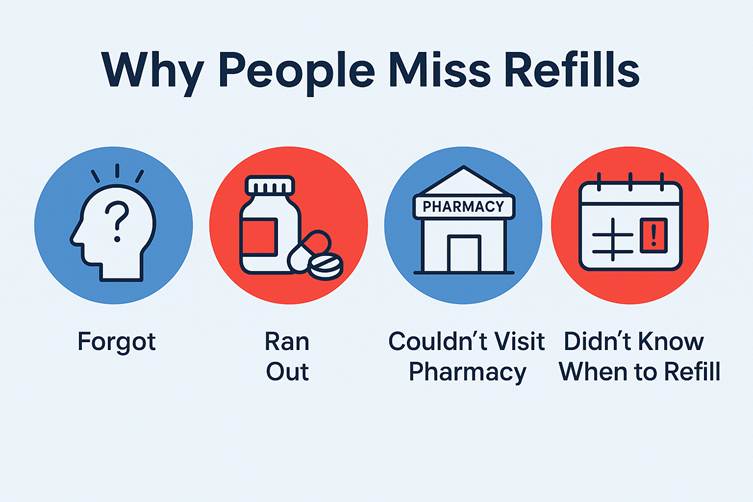
Why Do People Miss Refills?
Seniors face real challenges. Many are managing multiple health conditions, taking five, sometimes ten, pills a day. Tracking what’s running low becomes confusing. Some rely on their children or helpers to get the medicines, and delays happen. Others live alone, and a simple trip to the pharmacy feels exhausting.
Here are just a few everyday reasons:
Too many medicines, not enough reminders.
Busy caregivers who genuinely forget.
Mobility issues that delay pharmacy visits.
Lack of a system to track refill dates.
These are not rare situations. They’re common. And they’re exactly why mySeniorCareHubstepped in, with a feature designed to take that mental load off your plate.
mySeniorCareHub’s foundation is an understanding of what seniors and carers truly need peace of mind. The refill reminder feature serves as a silent, dependable assistant to make sure that prescriptions are never forgotten.
This is how it operates:
Smart Tracking: After adding a medication to the app, it records the dosage, frequency of use, and remaining pills.
Timely Alerts: Based on the intake pattern, the system sends reminders well in advance of when the medication will run out.
Caregiver Notifications: If a family member or caregiver is linked to the account, they also get notified. This shared responsibility reduces the chances of a missed refill.
mySeniorCareHub does the thinking for you, so you can focus on healing instead of worrying.
The app makes sure that your vitamin supplements and blood pressure medication are refilled on schedule, silently, automatically, and consistently.
Some medications are crucial for maintaining health and preventing serious complications. For elderly patients, missing even a single dose can lead to dangerous outcomes due to age-related vulnerabilities and multiple health conditions.
Here are some examples:
Blood pressure medications (such as Amlodipine or Telmisartan): Missing a dose may cause blood pressure to rise suddenly, increasing the risk of stroke, heart attack, or organ damage.
Diabetes medications (such as Metformin or Insulin): Skipped doses can lead to dangerously high or low blood sugar levels, both of which may require emergency medical care.
Blood thinners (such as Warfarin or Clopidogrel): Help prevent blood clots. If missed, the risk of stroke or clot-related complications can rise significantly, especially in those with heart conditions.
Anti-seizure medications (such as Levetiracetam): For people with epilepsy, even one missed dose may trigger a seizure.
Thyroid medications (such as Levothyroxine): Missing doses can disrupt hormone balance and lead to symptoms like fatigue, mood changes, and weight gain.
Heart failure medications (such as Digoxin or Diuretics): These helps manage symptoms like fluid retention and irregular heartbeat. Missed doses may cause breathing difficulty, swelling, or a worsening of heart function.
Medication adherence means taking the right medicine at the right time, in the right dose, without missing a single day. However, this isn’t always simple in the real world, particularly for elderly people who are managing several prescriptions, memory problems, and hectic caretakers.
Refill reminders play a critical role in improving adherence. They create a reliable routine, gently prompting patients or caregivers to act before it’s too late. When medications are taken consistently, the benefits are clear:
Blood pressure stays under control.
Blood sugar levels become more stable.
There is less chance of a heart attack or stroke.
Emergency hospital visits become less frequent.
Overall quality of life improves.
Several studies have shown that automated reminders can significantly increase medication adherence, particularly in older adults and those managing chronic diseases. Digital interventions, such as those found in mySeniorCareHub, aid in bridging the gap between daily behaviour and recommended care.
It’s about taking charge of your health, not just about taking medication. This journey is supported by mySeniorCareHub, which uses technology that feels personal rather than clinical.
In healthcare, the smallest gaps often lead to the biggest consequences. A missed refill can mean a missed dose, and for many seniors, that is the difference between stability and a setback. Medication adherence is not just a personal responsibility; it is a healthcare priority. Refill reminders are one of the simplest and most effective tools available to support it.
Take the case of Linda, a 68-year-old from Ohio living with atrial fibrillation. After forgetting to refill her blood thinner medication, she suffered a mild stroke that could have been prevented. Since then, Linda has been using a digital reminder system. With consistent refills and doses, her condition is now under control, and she has not missed a single medication in over a year.
Stories like Linda’s are not rare, but they can be rewritten. Our goal with mySeniorCareHub’s intelligent refill reminders is to protect what is important, prevent what can be prevented, and provide peace of mind to every family.
Since healthy habits are the foundation of good health, it’s never too late to get back on track.
This was the third time in a week that 78-year-old Nancy had asked the same question.
Nancy lives in Ohio, and like many older adults, she values her independence. Her daughter, Emma, visits every weekend. One Saturday, Nancy mentioned feeling dizzy and had trouble keeping her balance. Emma checked the medicine cabinet and noticed two pills of the same kind had been taken for the day instead of one. That same evening, they ended up in the ER. Diagnosis? Accidental overdose.
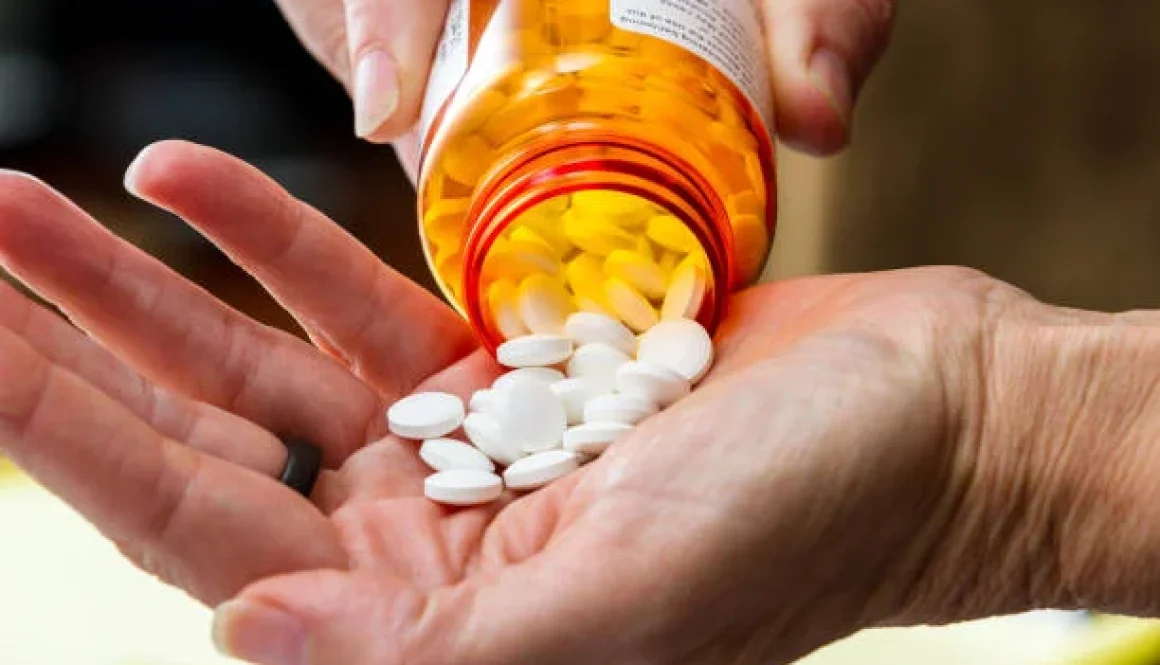
This kind of situation is way more common than you might think. And it doesn’t just happen to people living alone. Overdose in seniors is a quiet but dangerous problem. One that stems from forgetfulness, multiple medications, and a lack of timely support.
Let’s talk about why it happens, how to catch the signs early, and how using tools like mySeniorCareHub can keep our loved ones safe.
As people get older, their bodies and brains change. That’s natural. But that also means managing medications becomes harder. Here are a few reasons why overdoses happen:
● Memory slips (especially in dementia) – It’s easy to forget if you took your meds already. Conditions like Alzheimer’s or mild cognitive impairment make it worse.
● Too many prescriptions (called “polypharmacy”) – Most seniors take 5 or more pills a day. That’s a lot to keep track of! One missed dose or extra pill can throw things off.
● Vision problems – Tiny print on bottles. Similar-looking pills. It’s a recipe for mix-ups, especially in low light.
● Shaky hands, arthritis, or poor grip – For someone with mobility issues, it can be difficult to cut tablets in half and open bottles.Changes in the body with age – The liver and kidneys slow down with age. That means the body clears drugs more slowly, and even small overdoses can become toxic.
This app was created with care and with seniors in mind. It is not about introducing more technology into their lives. It is about making everyday tasks easier and safer.
If Grandma skips a dose or takes two, her daughter gets a ping.
It is also possible to connect with a nurse or senior care companion.
Medication history at a glance
Helpful for doctor visits.
Tracks patterns: “Are they skipping night meds?”
Tracks cognitive health
Picks up on increasing forgetfulness.
It can even indicate whether memory issues are worsening.
Emergency alerts
If a senior has a sudden drop in blood pressure or other unusual vital signs, an alert is sent.
GPS helps emergency teams locate them fast.
Other Simple Fixes That Work
Technology is amazing, but even small daily changes can help avoid overdose:
✔ Use weekly pill organizers
Simple, labelled containers can reduce mistakes. Some even beep!
✔ Get regular “med checks.”
Ask your doctor or pharmacist to review all meds. You’d be surprised how many can be reduced or stopped.
✔ Use voice reminders
Especially in their voice or a loved one’s voice. Makes it feel more personal.
✔ Talk openly
Create a routine: “After breakfast, let’s take meds together.”
✔ Colour-code bottles
The sticker system can help red = morning, blue = evening.
Let’s Be Real for a Second…
No one wants to feel like they’re being watched. Seniors want their dignity, not babysitting. The beauty of mySeniorCareHub is that it helps quietly in the background.
It supports independence. It provides safety without intruding.
And most importantly, it brings peace of mind to families who can’t always be there in person.
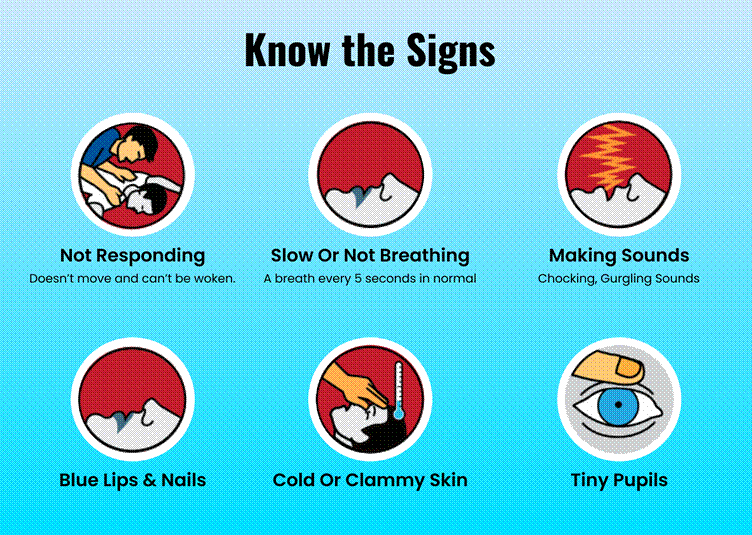
When to Call 911
If your loved one:
Is passed out or extremely drowsy
Has trouble breathing
Is confused or hallucinating
Has seizures or chest pain
Call for help immediately. Bring any pill bottles or a list of medications with you.
Final Words from the Heart
We all want our parents and grandparents to live with dignity, comfort, and safety. But accidental overdoses can take that away in an instant.
When One Missed Pill Turns Risky – App For Missed Medication
It often starts with a small moment—your father says he took his morning pill, but later you find it still sitting on the table. Or your grandmother insists she had her medicine, yet her blood pressure says otherwise. These little slip-ups feel harmless at first, but even one missed dose can cause serious trouble in seniors. A forgotten heart pill might lead to dizziness; a skipped diabetes tablet could mean a spike in sugar levels. As a caregiver, you want to be there all the time, but life doesn’t always allow that. This is where mySeniorCareHub – App for missed medication steps in. It sends gentle reminders to your loved one and instantly alerts you if a dose is missed. You don’t have to guess or worry—you’ll know when they need you, even if you’re miles away. It’s not just about technology; it’s about caring smarter.
Seniors don’t miss doses out of carelessness—real challenges exist. Some common reasons include
Memory issues—with age, forgetfulness increases. Seniors with dementia or Alzheimer’s often lose track of time or routine.
Too many medications—managing 5–10 medicines for each day can get confusing without support.
Vision problems—reading tiny labels or identifying pills becomes hard for those with poor eyesight.
Physical difficulties—joint pain or trembling hands can make opening pill bottles or inhalers difficult.
Emotional health—seniors dealing with loneliness or depression may neglect self-care, including medications.
Lack of reminders—no one to nudge them at the right time, especially if they live alone.
This is where mySeniorCareHub can be life changing. It sends timely reminders to seniors, tracks medicine intake, and alerts family members if a dose is missed. It bridges the gap between distance and daily care, giving peace of mind to everyone involved.
What happens if a senior misses a dose or medication?
A missed dose may seem small, but it can trigger serious issues. Blood pressure can rise, sugar levels can spike, or heart symptoms can return. For those taking mental health medications, confusion or anxiety may worsen.
Why are seniors more sensitive to missed doses?
As we age, our metabolism slows down. This means the body processes drugs differently. Missing a pill can throw off the balance quickly, leading to either underdosing or harmful buildup.
Are chronic diseases more affected?
Conditions like hypertension, diabetes, dementia, and heart disease need strict routines. Skipping medication can undo months of progress or even cause sudden complications.
How common is this problem?
Very. According to the World Health Organization, nearly 50% of older adults don’t take their medicines as prescribed. This often results in hospitalization or worse.
Can missed medication be prevented?
Absolutely. With tools like mySeniorCareHub, families get real-time updates. If a dose is missed, they’ll know right away, transforming a potentially disastrous situation into a manageable one.
Lisa lives in New York, but her 75-year-old mom lives alone in Ohio. Her mom has hypertension and early-stage dementia, and she needs to take multiple medications every day. One afternoon, while Lisa was at work, she received a notification from mySeniorCareHub—her mom had missed her afternoon dose. Lisa called right away. Her mom was feeling light-headed and hadn’t realized she skipped it. Thanks to the quick alert, Lisa could guide her to take the medicine and stay safe until the visiting nurse arrived later that day.
This is what mySeniorCareHubis designed for. It sends timely medicine reminders directly to the senior’s device and notifies caregivers if a dose is skipped. It also records medication history, tracks vital signs, and helps families stay updated on their loved one’s daily health, despite the distance. For Lisa’s family, it provides not only convenience but also genuine peace of mind.
Consistency is Key: Why Medication Adherence is Crucial for Seniors
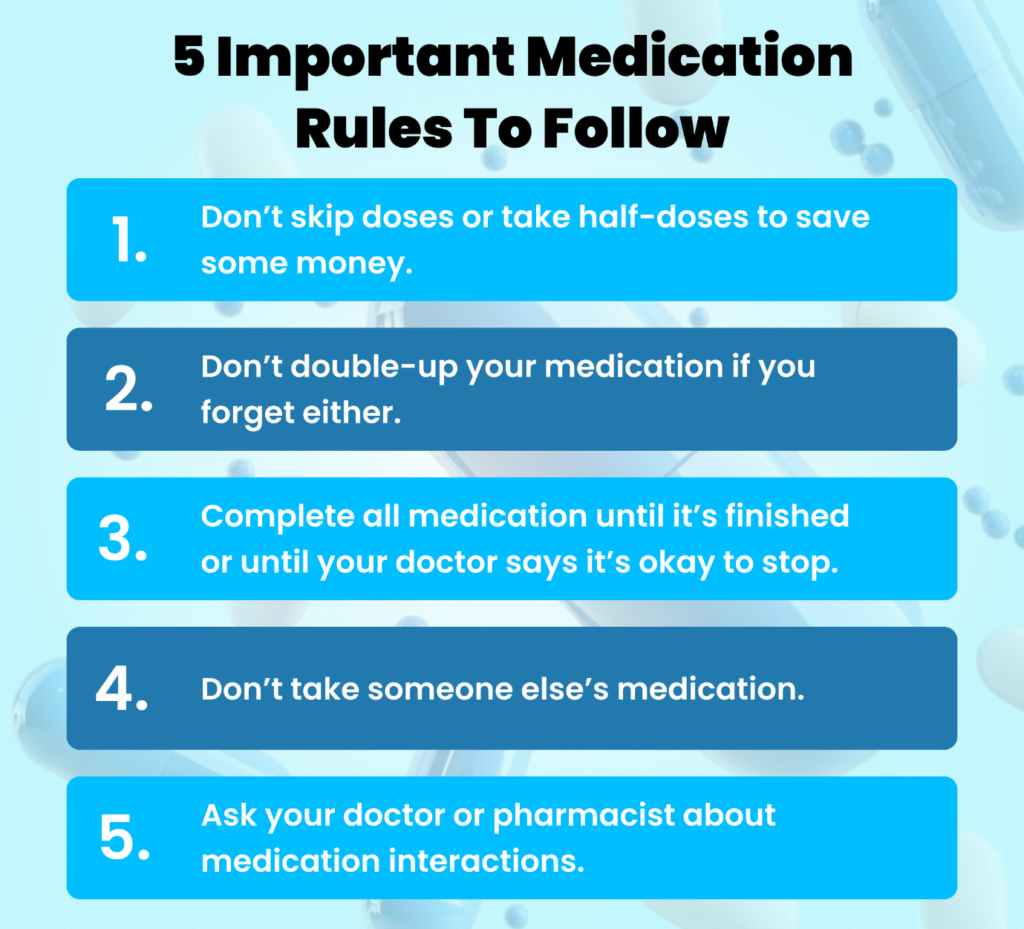
Seniors who take their medications consistently experience better health outcomes. Here’s how staying on track makes a difference:
Preventing Flare-Ups of Chronic Conditions: Medications work best when taken regularly. For seniors with chronic illnesses like hypertension or diabetes, missing a dose can result in a sudden flare-up of symptoms. This can lead to more serious health issues that could have been avoided with timely medication.
Ensuring Maximum Effectiveness: Medications are designed to be taken at specific intervals for a reason—this ensures the drugs maintain their effectiveness in managing conditions. Skipping doses can disrupt the intended benefits and reduce the medication’s ability to control the condition.
Improving Long-Term Health: Seniors who stick to their medication schedule have a lower risk of long-term complications like heart attacks, strokes, and diabetic neuropathy. Regular adherence helps avoid hospitalizations and keeps seniors healthier in the long run.
Fostering Independence and Stability: Seniors who manage their medications consistently are more likely to feel in control of their health. It fosters a sense of stability and independence, allowing them to live a more comfortable and confident life.
mySeniorCareHub empowers both seniors and their families by providing consistent reminders and real-time alerts, ensuring that no dose is missed. The app acts as an extra layer of support, giving families peace of mind that their loved ones are taking their medications on time. Whether it’s preventing hospital visits, managing chronic conditions, or simply helping seniors feel more independent, mySeniorCareHub is a vital tool in improving medication adherence and overall quality of life.
For many families, the hardest part isn’t just knowing that their elderly loved one has health issues; it’s the helplessness that comes with not being there all the time. When a parent forgets to take their medicine, it triggers anxiety, guilt, and fear of what might happen next. Unfortunately, calling them every few hours or relying on memory alone isn’t a reliable solution.
This is where mySeniorCareHubsteps in as a trusted companion. The app sends discreet but effective reminders to seniors, making sure they stay on schedule. And if a dose is missed, an instant alert is sent to caregivers or family members so they can follow up in real time. No more uncertainty, no more guesswork—just a smart, simple way to care from afar. It restores confidence in caregiving and strengthens the support system around the senior, ensuring they’re never alone in their health journey.
Did you know that almost 50% of elderly individuals fail to take their medications on time, resulting in avoidable health complications? For seniors living with conditions like high blood pressure and diabetes, missing even one dose can cause sudden spikes or drops in vital health parameters, increasing the risk of emergencies such as strokes, heart attacks, or diabetic comas.
Managing health becomes more challenging with age, especially when memory lapses, multiple medications, and intricate schedules are involved. Yet, despite these difficulties, timely medication continues to be one of the most crucial pillars of health care for the elderly.
In this article, we’ll dive deep into:
Why is timely medication critical for controlling blood pressure and blood sugar
How missing doses can put elderly individuals at life-threatening risk
Common challenges seniors face in managing their medications
How medication reminder apps, such as those provided by mySeniorCareHub, can revolutionize health outcomes
Understanding Blood Pressure and Blood Sugar Managementthrough mySeniorCareHub App
Two of the most crucial markers of our general health are blood pressure and blood sugar, which need to be carefully managed, particularly in older adults. Let’s first understand what they mean.
Blood pressure is the force that circulating blood exerts on the walls of the arteries. Normal blood pressure is usually around 120/80 mmHg. Hypertension is when the blood pressure remains elevated over time (usually above 140/90 mmHg).
Why is high blood pressure dangerous?
It forces the heart to work harder, which can weaken it over time.
It can damage arteries, making them stiff and narrow.
This increases the risk of serious health issues like heart attacks, strokes, kidney disease, and vision loss.
Blood sugar (or blood glucose) refers to the amount of sugar present in the blood. Glucose is our body’s energy source. However, the body must closely monitor it.
After we eat, our blood sugar rises. In healthy people, insulin helps to transport sugar into cells for energy production. However, in people with diabetes, the body either does not produce enough insulin (Type 1) or is unable to use it properly (Type 2).
Normal blood sugar levels are usually as follows:
Before Meals: 70–99 mg/dL
After Meals: Less than 140 mg/dL
When blood sugar levels are persistently elevated:
It can harm the kidneys, heart, nerves, and eyes.
It raises the risk of stroke and heart disease.
It can result in harmful conditions such as hyperosmolar hyperglycaemic state (HHS) in type 2 diabetes or diabetic ketoacidosis (DKA) in type 1 diabetes.
Similarly, very low blood sugar (hypoglycaemia) can also be life-threatening if not treated quickly.
Both high blood pressure (hypertension) and high blood sugar (diabetes) are often called “silent killers” because they can quietly cause damage for years without noticeable symptoms. This is why early detection, appropriate treatment, and, most importantly, strict medication adherence are essential.
Taking medications on time helps to maintain consistent control over blood pressure and blood sugar levels. Here’s why it’s so critical:
Prevents Fluctuations: Medicines like antihypertensives and antidiabetics work within a set time window. Delaying or missing doses can cause dangerous highs or lows.
Protects Vital Organs: Consistent medication helps protect the heart, kidneys, eyes, and nerves from long-term damage.
Reduces Emergency Risks: Timely medication dramatically lowers the chances of acute medical emergencies like strokes, heart attacks, diabetic ketoacidosis, or hypoglycaemic episodes.
What Happens When Medicines Are Missed?
Problem: When Medicines Are Missed
Impact on Health
Fluctuations in Blood Pressure or Blood Sugar Levels
Sudden rise or fall in BP/BSRisk of dizziness, fainting, or medical emergency
Reduced Effectiveness of Treatment
Medicines lose their full effectMay need stronger doses or additional treatments
Increased Risk of Serious Complications
Heart attack, stroke, kidney failure (in BP patients)Nerve damage, eye issues, infections (in diabetes)
Loss of Routine and Confidence in the Elderly
Disrupted daily lifeIncreased anxiety, fear, or dependency on caregivers
When it comes to managing chronic conditions like high blood pressure or diabetes in the elderly, caregivers often become the first line of support. But keeping track of multiple medications, each with its schedule, can be exhausting even for the most attentive family member.
This is where most issues begin. A delayed morning dose or a forgotten evening pill may seem small, but they can lead to serious consequences. It has nothing to do with negligence, but rather with the weighty burden that many caregivers bear in silence.
For this reason, utilizing a tool such as mySeniorCareHub medication reminder becomes genuinely beneficial. It acts like a digital helping hand, sending alerts for every scheduled medicine dose. So even if the caregiver is not physically present, they still receive updates and can ensure their loved one does not miss a pill.
With such smart tools, the focus shifts from stress to peace of mind, because now help is just a simple reminder away.
How the Medication Reminder Feature Works
With its straightforward and effective design, mySeniorCareHub medication reminder tool makes it simple for senior citizens and caregivers to maintain their health. Here’s how it works:
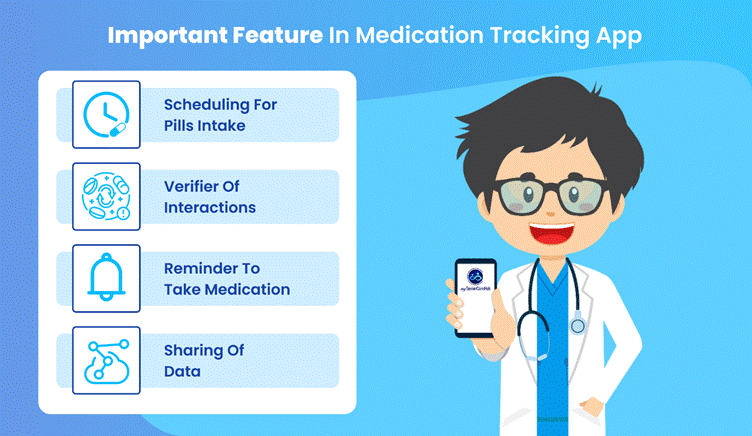
Set Reminders for Each Dose: You can set up custom reminders for each medicine, specifying the exact time of day for every dose. You can customize the alerts to fit your schedule, whether for insulin, blood pressure medication, or any other important drug.
Real-Time Alerts: As the time for each dose approaches, the app sends a real-time alert to the caregiver and the elderly person. This ensures that no dose is missed, even if they are in different rooms or have a busy schedule.
Multiple Reminder Types: The tool doesn’t just rely on simple notifications. For those who may have hearing impairments or trouble reading, the reminders can include voice notifications or vibration alerts to ensure they are noticed.
Track and Record Medications: The app also keeps a detailed record of medication adherence. In this manner, caregivers and medical experts can keep an eye on whether the patient is regularly taking their prescription drugs as directed.
Automatic Medication Logging: The app automatically records each dose taken, making progress monitoring simple. If a dose is missed, it immediately notifies both the caregiver and patient, encouraging timely follow-up.
Simple Interface: With an easy-to-use interface, even those who are not tech-savvy can easily navigate through the tool. Large icons, clear instructions, and an intuitive layout make it accessible for elderly users.
In addition to preventing health issues, this tool helps older patients feel more in control and independent by making sure their medications are taken on time.
A Simple Solution for Healthier Living
In the journey of managing chronic conditions like blood pressure and blood sugar, timely medication is a vital factor in preventing health complications. For elderly individuals, missing doses can lead to serious consequences, making medication adherence essential. mySeniorCareHub medication reminderapp offers a straightforward yet powerful solution to ensure medications are taken as prescribed, giving both caregivers and patients the peace of mind they need.
By staying consistent with medication schedules, elderly individuals can enjoy a better quality of life, while caregivers can feel supported in their role. With technology like this at our fingertips, we can simplify healthcare, reduce risks, and empower elderly patients to live healthier, more independent lives.
For many older adults and caregivers, managing medications can feel like a full-time job. From keeping track of multiple prescriptions to remembering dosages and timings, it’s a daily task that requires precision and attention. However, one of the biggest challenges often overlooked is the risk of Medication InteractionChecker – a silent but dangerous threat to senior health.
To address this growing concern, mySeniorCareHub has developed two powerful tools the Smart Medication Checker and the Drug Interaction Checker. Both are designed to provide peace of mind by simplifying medication management and ensuring that users can quickly identify harmful drug combinations before problems occur.
But we haven’t stopped there. We’ve recently launched a cutting-edge AI-powered Symptom Checker to further support seniors and caregivers in making informed health decisions with confidence.
Let’s take a closer look at why these tools are a game-changer in senior care.
The Growing Risk of Drug Interactions Among Seniors
According to research, nearly 40% of older adults take five or more medications daily. While this is often necessary to manage chronic health conditions such as hypertension, diabetes, arthritis, or heart disease, the downside is an increased risk of drug-to-drug interactions.
What are drug interactions?
Drug interactions occur when one medication affects how another works—either by increasing its effect (toxicity), decreasing its effectiveness, or producing unexpected side effects. These can involve:
Prescription medications
Over-the-counter drugs
Herbal supplements
Vitamins and minerals
Common examples of dangerous interactions:
Blood thinners like Warfarin and NSAIDs (e.g., Ibuprofen) – Risk of internal bleeding.
ACE inhibitors and Potassium supplements – May lead to dangerously high potassium levels.
Diuretics and diabetes medication – Can result in abnormal blood sugar swings.
In a busy household or healthcare setting, these interactions can easily be missed—especially when prescriptions change frequently.
Why Medication Management Needs a Smarter Approach
Traditional methods like handwritten logs, spreadsheets, or even phone reminders aren’t enough to address the complexity of modern medication regimens. That’s where mySeniorCareHub’s digital tools come in.
Meet the Smart Medication Checker
The Smart Medication Checker is more than just a digital pill organizer—it’s a powerful companion that helps users take control of their medication intake safely and efficiently.
Key Features:
Simple User Interface: Designed specifically for seniors and caregivers, the tool makes it easy to add and manage medications.
Automatic Alerts: Get warnings about potentially unsafe drug combinations.
Dosage Information: Check appropriate doses and frequency, customized to the user’s profile.
Senior-Focused Design: Large fonts, minimal clicks, and intuitive design help older adults use the tool independently.
This smart tool eliminates guesswork and reduces the likelihood of mistakes, making medication management both convenient and safe.
Avoid Harmful Mix-ups with the Drug Interaction Checker
Even when medications are taken as prescribed, they can sometimes interact in unexpected ways. That’s why the Drug Interaction Checker is a must-have for anyone dealing with multiple medications.
What does it do?
Cross-checks medications in seconds to identify dangerous or ineffective combinations.
Highlights severity levels of interactions so users can prioritize which ones need urgent attention.
Links to symptom insights, guiding users on what to watch out for (drowsiness, dizziness, nausea, etc.).
This is especially useful when:
A new medication is added to an existing routine
A doctor or pharmacist changes a dosage
Supplements or OTC drugs are introduced
It helps bridge the gap between prescriptions, patient behavior, and safety.
A New Era in Health Support: AI-Powered Symptom Checker
In addition to medication tools, mySeniorCareHub has recently launched the AI Symptom Checker—an innovative digital tool that empowers users to assess symptoms and understand their potential causes in real time.

Why it’s revolutionary:
AI technology processes symptoms and cross-references with common health conditions.
Provides instant guidance on what might be wrong and whether medical help is needed.
Connects with medication and interaction tools to offer a 360-degree view of personal health.
Whether you’re feeling unwell or caring for an elderly parent who can’t explain their symptoms clearly, this AI tool makes it easier to decide the next step—whether it’s scheduling a doctor visit, adjusting medication, or seeking emergency care.
Try the Symptom Checker here and experience the power of proactive health management.
Designed for Caregivers, Loved Ones & Seniors
These tools aren’t just for seniors—they’re also for:
Adult children worried about their parents living alone
Home care professionals coordinating complex medication plans
Assisted living staff managing multiple resident regimens
Doctors and pharmacists who want to ensure patient safety outside the clinic
By combining technology and health insights, mySeniorCareHub ensures that everyone involved in a senior’s care can stay informed, stay connected, and stay safe.
Want to double-check for drug conflicts? Go directly to the Drug Interaction Checker and input multiple medications for a comprehensive safety report.
Experiencing symptoms? Try the AI Symptom Checker for immediate insights.
Empowering Better Health Through Smart Tools
As health technology advances, tools like these aren’t just helpful—they’re essential. Medication errors and interactions can have devastating consequences, especially for seniors with multiple conditions.
That’s why mySeniorCareHub is committed to making senior care smarter, safer, and more accessible with digital solutions designed specifically for aging adults and their caregivers.
Whether you’re trying to manage complex medications, prevent interactions, or understand health symptoms, these tools are here to guide and support every step of the way.
Final Thoughts
Seniors deserve more than reminders—they deserve smart, proactive tools that prevent problems before they start.
For many older adults, taking medicines is a part of everyday life. Whether it’s a tablet for blood pressure, a capsule for diabetes, or drops for glaucoma, these small doses keep chronic conditions under control. But managing multiple medications can be tricky.
A missed morning dose, a mix-up between two similar-looking pills, or taking medicine on an empty stomach instead of after eating—these may appear to be minor mistakes, but for older adults, they can result in significant health complications. Issues like sudden falls, dizziness, confusion, or dangerous drug interactions are often traced back to simple medication errors.
The World Health Organization states that unsafe medication practices and errors are among the main causes of harm and preventable injury in healthcare systems worldwide. Seniors, especially those managing more than one illness, are among the most affected. The good news? With the correct information, prompt assistance, and intelligent systems in place to direct daily activities, most of these errors can be avoided.
In addition to wisdom, aging also brings about changes, particularly in the way our bodies react to medications. The liver and kidneys, which aid in the body’s drug removal, may not function as well as they once did. This means medicines can stay longer in the system, increasing the risk of side effects or toxicity if not taken correctly.
Add to that the reality that most seniors take five or more medications daily—a condition known as polypharmacy. Managing so many pills, often at different times of day and with specific instructions (before food, after food, with water, avoid sunlight), can be confusing even for someone with a good memory. For seniors dealing with early-stage dementia, mild cognitive impairment, or simple forgetfulness, the risk of mistakes multiplies.
Common challenges include in Senior Problems:
Reduced Vision: difficult to read small labels or distinguish similar packaging
Hearing Loss: missing verbal instructions from doctors or pharmacists
Swallowing difficulties: frequent with large tablets or certain capsule types
Living alone: no one around to cross-check doses or notice changes in behaviour
A study published in the Indian Journal of Pharmacology found that over 30% of older adults had made at least one medication error in the past six months, with forgetfulness being the leading cause.
These are not merely figures; they represent actual difficulties that millions of elderly people deal with daily. But the good news is, with awareness and support, these problems can be addressed effectively.
Even with the best intentions, it’s easy to slip up when managing multiple medications. Here are the top five medication mistakes seniors tend to make and why they matter:
1. Missing a Dose or Taking It Late
Whether it’s due to forgetfulness, confusion about timing, or simply being busy with other things, missing a dose is one of the most common errors. For chronic conditions like diabetes, hypertension, or thyroid disorders, skipping even one dose can disrupt the body’s balance and lead to complications.
2. Taking the Wrong Medicine or the Wrong Dose
It is simple to mix up medications due to similar-sounding names and packaging, especially when there are several pills involved. Taking double the dose by mistake or taking a tablet meant for the evening in the morning can lead to side effects like dizziness, nausea, or dangerously low blood pressure.
3. Not Following Food Instructions
Some medicines are meant to be taken with food, others, on an empty stomach. Not knowing the difference can reduce how well the medicine works—or make it harsher on the stomach. For example, painkillers or steroids without food can irritate the stomach lining, while thyroid medications may not work effectively if taken after eating.
4. Stopping Medicines Without Telling the Doctor
Many seniors stop taking medicines once they “feel better” or because of side effects like tiredness or swelling. For instance, stopping blood thinners can increase the risk of stroke, and stopping psychiatric medications suddenly can cause mood swings or withdrawal.
5. Using Expired or Leftover Medicines
It’s common to hold onto old medicines “just in case,” but using expired drugs can be ineffective or even harmful. The potency decreases over time, and in some cases (like liquid antibiotics), they can become unsafe. Also, sharing medicines with a friend or using leftover prescriptions without checking with a doctor can be dangerous.
Tip: If any pill looks different than usual (colour, shape, markings), it’s worth double-checking with a pharmacist before taking it.
Did you know?Medication-related problems are one of the top reasons seniors lose their ability to live independently.
Preventing medication errors doesn’t have to be overwhelming. In fact, with the right support system, it’s completely manageable. Whether they are family members or qualified professionals, caregivers are essential in helping seniors with complicated medication schedules, providing reminders, reading out directions, or even setting up weekly pillboxes. But human memory isn’t perfect, especially when life gets busy.
That’s where digital health tools like mySeniorCareHub step in. This all-in-one app is designed specifically for the needs of older adults and their caregivers. It sends timely medication reminders, tracks whether doses were taken and even alerts caregivers if a pill is missed. Additionally, it offers personalized health tracking, including blood pressure and blood sugar levels, which facilitates improved doctor-patient communication and reduces emergencies. By combining personal care with technology that thinks ahead, we can make medication safety not just a goal, but a daily habit—without the stress or fear of “What if I forget?”
Medication should heal—not harm. While the risks of errors are real, they are not insurmountable. With awareness, compassion, and the right tools, seniors can take control of their health journeys. Caregivers, too, can breathe easier knowing they have support systems like mySeniorCareHub—not just as a reminder tool, but as a partner in wellness.
Because every dose matters. And every life deserves to be lived with dignity, safety, and peace of mind.
After breakfast, Maria suddenly felt dizzy. Her daughter wondered whether it was her blood pressure medicine acting up or if she hadn’t eaten enough. But then she remembered Maria had recently started a new medicine too. Was it a side effect? Or a sign of a new health problem?
For many seniors and caregivers, such confusion is common. As we age, our bodies respond differently to medications. Additionally, symptoms often overlap — fatigue may result from anything ranging from low blood sugar to a drug interaction. Accessing prompt and precise health advice can be crucial in these situations.
That’s where smart digital tools come in. Instead of making blind guesses, these tools allow you to understand what your body is saying and what your medicines are doing. Let’s look at three features that help seniors and caregivers stay ahead of potential health issues.
Seniors often describe feeling “off” without being able to articulate what’s wrong. A low-grade fever, loss of appetite, or unexplained fatigue can be brushed off as “just age.” But these could be early signs of a serious condition.
The Symptom Checker helps users input symptoms like “burning while urinating” or “joint stiffness” and instantly provides a list of possible health conditions. Although it does not diagnose, it helps you make educated decisions by giving you a sense of what might be happening.
Example: Robert’s uncle started feeling confused and unusually tired. With this insight, they saw the doctor early and avoided hospitalization.
Why It Matters:
Conditions like UTI, anemia, low sodium, or thyroid issues show up as vague symptoms.
Early clarity can prevent complications and give peace of mind.
Caregivers can prepare better for doctor visits.
Medical Insight: Many age-related illnesses begin with subtle symptoms. For instance, hypothyroidism in the elderly might appear as depression or slowed thinking. Electrolyte imbalances often mimic neurological disorders. The Symptom Checker brings hidden possibilities to the surface, helping bridge the gap between home care and clinical diagnosis.
Older adults are often prescribed multiple medications for chronic conditions like diabetes, hypertension, and arthritis. This is called polypharmacy. While necessary, it increases the risk of drug-drug interactions that can worsen existing issues or create new ones.
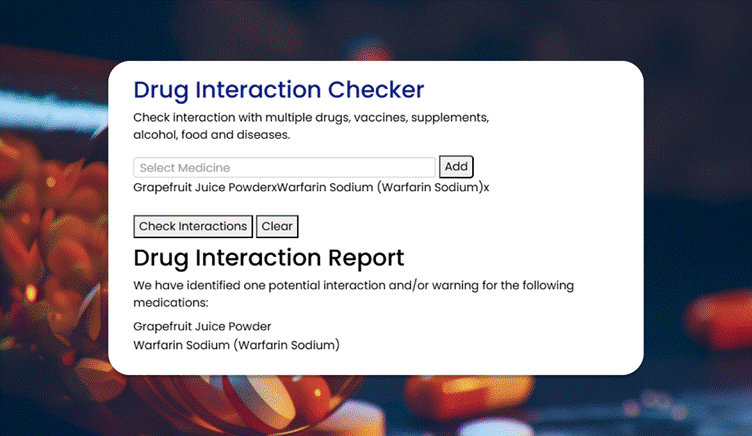
The Drug Interaction Checker allows you to enter two or more medications and instantly find out if there’s a potential interaction. It highlights the severity (minor, moderate, or major) and gives a short explanation of the possible consequences.
Example: Sofia was taking Clopidogrel (a blood thinner) along with Ibuprofen (a common painkiller). She started experiencing stomach discomfort and bruising. Her son used the Drug Interaction Checker and discovered that the combination increases the risk of internal bleeding. They consulted their doctor, who quickly made a safer adjustment.
Why It Matters:
Prevents harmful side effects before they escalate
Saves time and panic between doctor visits
Builds awareness of what each medication is doing in the body
Medical Insight: Common risky interactions include:
ACE inhibitors with potassium supplements can lead to dangerous hyperkalemia.
Warfarin with antibiotics like ciprofloxacin increases bleeding risk.
Metformin with contrast dye may cause kidney damage if not paused before imaging.
The Drug Interaction Checker acts as an early warning system, especially valuable when new drugs are added or when visiting multiple specialists.
Understanding the medicines you’re taking is the first step toward safe health management. But with so many brand names and tablets that look similar, it gets confusing. This is especially tough for seniors managing medications on their own.
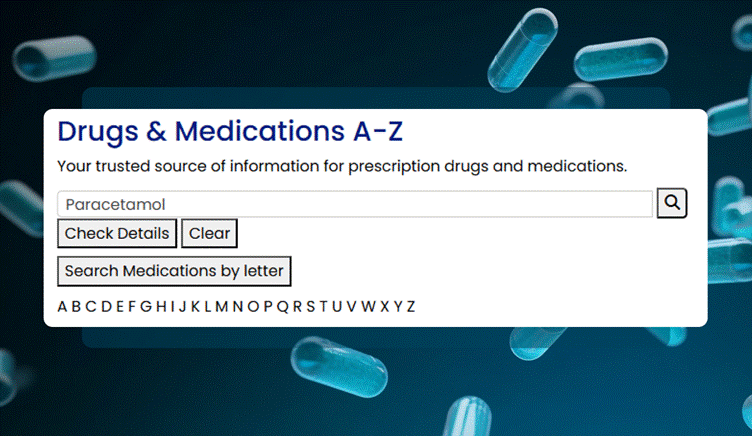
The new Drug Information Checker offers a one-line summary for each medication. For any searched medicine, you now get:
Generic Name
Drug Class
Indication
Dosage Form
Example: Geeta had three white tablets but couldn’t recall what they were for. She searched for them on the app and quickly found
She was finally able to organize her pillbox and follow her routine without waiting for her daughter to come home.
Why It Matters:
Helps seniors regain control over their medication
Avoids confusion and dose skipping
Makes caregiver handovers smoother
MedicalInsight: Many seniors unknowingly take duplicate medications under different brand names, or they may skip essential drugs due to misunderstanding their purpose. For example, missing thyroxine can lead to severe fatigue and mental fog. Alternatively, taking a diuretic on an empty stomach might cause dizziness. The Drug Information Checker simplifies this puzzle.
Take the story of 70-year-old Bryan, who lives alone in NJ. One morning, he felt weak and dizzy. He feared a heart problem. But using the symptom checker, he found that it might be dehydration or low sodium. He increased his fluids and booked a check-up. Later, doctors confirmed a mild electrolyte imbalance. The early self-check prevented a hospital visit.
Or Seles, a caregiver juggling her job and her father’s medication. She uses the Drug Interaction Checker whenever a new medicine is added. It has helped her feel more confident and involved in her father’s care.
In another case, Katy had been feeling bloated and irregular after meals. She suspected it was just aging digestion. But the Symptom Checker pointed toward gastritis, and the Drug Information Checker revealed that one of her meds, an NSAID, could irritate the stomach lining. A switch in medicine resolved the issue within a week.
Conclusion: Clarity Over Confusion
In today’s world, healthcare isn’t just about doctors and hospitals. It’s about information and timely action. With smart tools like the Symptom Checker, Drug Interaction Checker, and Drug Information Checker, elderly people and their families can avoid panic, understand risks, and get care faster.
These tools don’t replace doctors but empower you in between visits. When health feels uncertain, clarity is care. Stop guessing. Start knowing. Take control of senior health, one tap at a time.
Mixing Meds? Think Twice ! – Top 15 Dangerous Medication Combinations Everyone Should Know
Have you ever taken a common painkiller along with your daily blood pressure medication, assuming it’s safe? Many seniors unknowingly take medicines for multiple health conditions, leading to dangerous side effects like excessive bleeding, sudden drops in blood pressure, or even organ damage. Since seniors often take multiple prescriptions for chronic conditions, the risk of harmful drug interactions is much higher.
It is crucial to comprehend these interactions when taking multiple medications to prevent any potentially fatal complications. That’s why we’re breaking down the top 15 drug combinations seniors should never take together. Plus, we’ll introduce a simple tool—mySeniorCareHub’s Drug Interaction Checker—to help you or your caregiver instantly check for unsafe medication pairings.
Let’s dive in and ensure your medications work for you, not against you.
The liver and kidneys are the primary organs that help break down and eliminate drugs. This function slows down with age. This means medications can stay in the body longer, increasing the risk of side effects and interactions.
On top of that, seniors often take multiple medications for chronic conditions like high blood pressure, diabetes, or arthritis. While each drug may be safe on its own, certain combinations can lead to dangerous reactions, ranging from dizziness and falls to life-threatening complications like internal bleeding or heart problems.
Ready to find out which drug combos should never be mixed? Let’s get started!
1. Blood Thinners + NSAIDs: A Hidden Bleeding Risk
78-year-old Mr. Sharma had been taking warfarin for his heart condition. One evening, after a long walk, his knees started aching, so he took ibuprofen for relief. A week later, he noticed large bruises on his arms and gums bleeding while brushing his teeth. When he visited the doctor, he was shocked to learn that ibuprofen can dangerously increase the risk of internal bleeding when combined with blood thinners.
Lesson: Always check with your doctor before taking painkillers if you’re on a blood thinner. Acetaminophen (paracetamol) may be a safer option.
2. Statins + Grapefruit Juice: A Risky Sip
Mrs. Verma, 72, believed in starting her day with a fresh glass of grapefruit juice, thinking it was good for her health. She was also on atorvastatin to lower cholesterol. After a few weeks, she started feeling unusual muscle pain and weakness. A routine check-up revealed high statin levels in her blood, which could lead to serious muscle damage. Her doctor explained that grapefruit juice blocks the liver from breaking down statins, making the drug accumulate in the body.
Lesson: Avoid grapefruit juice while on statins. Opt for orange juice or water instead.
3. Opioid Painkillers + Sleeping Pills: A Dangerous Night
Mr. Nair, 80, had been struggling with chronic back pain and was prescribed oxycodone. At the same time, he had trouble sleeping, so he took a sleeping pill without informing his doctor. His son discovered him incredibly sleepy and unable to respond the following morning. A visit to the ER confirmed that combining opioids with sleeping pills can dangerously slow down breathing, potentially leading to overdose.
Lesson: Never mix opioid painkillers with sleeping pills or anti-anxiety medications without medical supervision.
Great! Here’s the continuation of the Top 15 Dangerous Drug Combinations in the real-life case scenario format:
4. Diabetes Medication (Metformin) + Contrast Dyes: A Kidney Scare
Mr. Mehta, 75, had been managing his diabetes with metformin for years. When he needed a CT scan with contrast dye, his doctor warned him to temporarily stop taking metformin. Curious, he asked why. The doctor explained that contrast dye could strain the kidneys, and when combined with metformin, it might lead to a rare but serious condition called lactic acidosis, which could cause severe kidney damage.
Lesson: If you’re taking metformin, always inform your doctor before undergoing any imaging tests that use contrast dye.
5. Antidepressants (SSRIs) + Painkillers (NSAIDs): A Hidden Bleeding Threat
Mrs. Reddy, 68, was prescribed an SSRI (sertraline) for depression. One day, she had a severe headache and took ibuprofen. A few days later, she noticed blood in her stools and felt dizzy. Her doctor explained that SSRIs already thin the blood slightly, and when combined with NSAIDs, the risk of stomach bleeding increases significantly.
Lesson: If you take antidepressants, be cautious with NSAIDs. Use acetaminophen (paracetamol) as a safer alternative.
Mr. Das, 70, was prescribed propranolol for high blood pressure. He also had mild asthma and used an albuterol inhaler occasionally. One evening, after taking his beta blocker, he had trouble breathing and wheezing that wouldn’t stop. His doctor later explained that beta blockers can reduce the effectiveness of asthma inhalers, making breathing issues worse.
Lesson: If you have both heart issues and asthma, consult your doctor for alternative medications that won’t interfere with breathing.
Mrs. Khanna, 74, was on lisinopril for high blood pressure. Worried about muscle cramps, she started taking potassium supplements. A few weeks later, she felt extreme fatigue, nausea, and an irregular heartbeat. A blood test revealed dangerously high potassium levels, which could lead to cardiac arrest.
Lesson: If you take ACE inhibitors or ARBs, avoid potassium supplements unless prescribed by your doctor.
8. Warfarin + Green Leafy Vegetables: An Unexpected Complication
Mr. Roy, 79, was prescribed warfarin to prevent blood clots. Eager to eat healthily, he increased his intake of spinach, kale, and broccoli. A routine check-up showed that his blood was clotting faster than expected, putting him at risk of a stroke. His doctor explained that green leafy vegetables are rich in vitamin K, which counteracts the effects of warfarin.
Lesson: If you’re on warfarin, avoid sudden high intake of green vegetables.
9. Digoxin + Diuretics: A Heart at Risk
Mrs. Kapoor, 76, was taking digoxin for heart failure and a diuretic for swelling in her legs. One day, she felt dizzy and nauseous, with an irregular heartbeat. At the hospital, doctors found that the diuretic had lowered her potassium levels, making digoxin toxic in her body.
Lesson: If you’re taking digoxin and a diuretic, regular blood tests are crucial to monitor potassium levels.
10. MAOIs + Aged Foods: A Dangerous Blood Pressure Surge
Mr. Ahuja, 71, was prescribed an MAOI (monoamine oxidase inhibitor) for depression. At a family dinner, he enjoyed aged cheese and red wine. Within minutes, he felt his heart pounding, his head throbbing, and his blood pressure spiked dangerously high. His doctor later told him that MAOIs interact with tyramine-rich foods, causing severe hypertension.
Lesson: If you take MAOIs, avoid aged cheese, cured meats, fermented foods, and red wine.
11. Antibiotics (Macrolides) + Heart Medications: A Fatal Combination
Mrs. Sen, 73, was given clarithromycin for a respiratory infection while already taking amiodarone for her heart condition. Within days, she experienced severe palpitations and nearly fainted. The combination of these medications had dangerously prolonged her heart’s electrical activity, increasing the risk of sudden cardiac arrest.
Lesson: Always inform your doctor about heart medications before taking antibiotics.
12. Antihistamines + Sleeping Pills: A Recipe for Falls
Mr. Joshi, 80, had allergies and took diphenhydramine (an antihistamine) regularly. One night, he took a sleeping pill to help with insomnia. He woke up the following morning feeling very sleepy and tripped on his way to the restroom, breaking his hip.
Lesson: Avoid combining sedating antihistamines with sleeping pills, as they can cause excessive drowsiness and increase fall risk.
13. Thyroid Medication + Calcium Supplements: A Medication Blocker
Mrs. Pandey, 69, was on levothyroxine for hypothyroidism. She also took a calcium supplement in the morning. Despite taking her thyroid medication daily, her symptoms weren’t improving. Her doctor explained that calcium interferes with thyroid hormone absorption.
Lesson: If you take thyroid medication, wait at least 4 hours before consuming calcium supplements.
14. Diabetes Medication (Sulfonylureas) + Antibiotics: A Sugar Crash
Mr. Rao, 74, was taking glibenclamide for diabetes when he developed an infection and was prescribed an antibiotic. A few days later, he felt shaky, dizzy, and confused—classic signs of dangerously low blood sugar. His doctor confirmed that certain antibiotics enhance the effect of sulfonylureas, leading to hypoglycaemia.
Lesson: If you’re on diabetes medications, monitor blood sugar closely when starting antibiotics.
15. Herbal Supplements + Prescription Medications: A Risky Mix
Mrs. Desai, 77, believed in natural remedies and took St. John’s Wort for mood enhancement while on her prescribed medications. She was unaware that St. John’s Wort can interfere with various medications, including antidepressants, blood thinners, and heart medications, making them either too strong or too weak.
Lesson: Always check with your doctor before taking herbal supplements, as they can interact with prescription drugs.
Managing multiple medications is a reality for many seniors, but being aware of potential drug interactions can prevent life-threatening complications. Here’s how you can take control:
Always Inform Your Doctor— Share a complete list of all medications, including prescriptions, over-the-counter drugs, and supplements.
Follow Prescription Guidelines Carefully—Take medications exactly as directed and never adjust dosages without consulting a doctor.
Watch for warning signs—symptoms like dizziness, confusion, unusual bruising, or difficulty breathing may indicate a drug interaction. Seek medical help if you experience these.
Schedule Regular Medication Reviews—Have your doctor or pharmacist review your prescriptions periodically to ensure they remain appropriate.
Final Thought: Prioritize Your Health
With the best knowledge and tools, seniors can significantly reduce the risks associated with harmful drug combinations. Stay informed, stay proactive, and use MySeniorCareHub’s Drug Interaction Checker to make safer health decisions. Your well-being is in your hands!