mySeniorCareHub: Best App for Parients Monitoring and Taking Care of Elderly Parents
App for Parents Monitoring and tracking their location for Safety is nessacery for everyone.
As our parents age, our roles reverse.
Suddenly, we’re the ones who check if they’ve taken their meds…
If they reached home safely from the evening walk.
If they remembered to eat lunch.
If they’re okay after that faint headache they mentioned yesterday.
But with jobs, kids, cities, and sometimes continents between us, how do we do it all?
That’s where mySeniorCareHubcomes in. This isn’t just an app. It’s your way of being there, even when life doesn’t allow you to. App for Monitoring and Taking Care of Elderly Parents
Why This App Is a Lifesaver for Modern Families
Unlike generic health trackers, mySeniorCareHub is built specifically for elder care. It thinks like a caregiver. It feels like a family member.
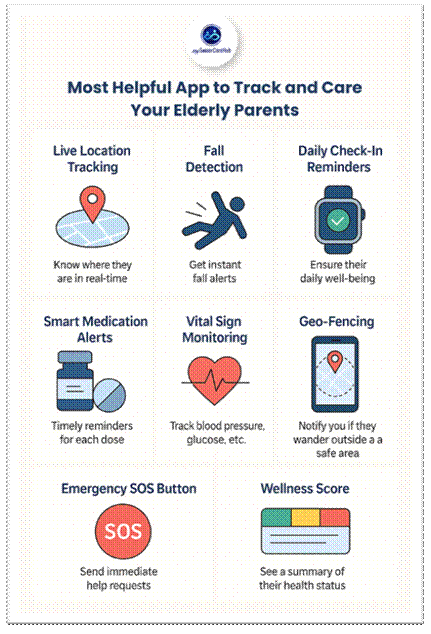
Let’s break down what it offers—and why each feature can make a real difference:
A single tap alerts family and emergency contacts—with exact location. Fast, reliable, and possibly lifesaving.
Wellness Score
A smart visual summary of their current health—colour-coded and easy to understand for everyone.
Story from Real Life: How the App Turned into a Lifeline
Ritika, a marketing manager in Bangalore, installed MySeniorCareHub for her father, who had recently started forgetting his medications. One evening, he had a minor fall while feeding the dog. The fall detection features immediately alerted her, and she coordinated with a neighbour to reach him.
“It wasn’t serious, thank god,” Ritika says. “But I wasn’t even in the same city. Without the app, I wouldn’t have known for hours. That changed everything for me.”
Built for Them. Managed by You.
Worried that your parents won’t be able to use it?
Don’t be. MySeniorCareHub was designed with seniors in mind:
Large, readable fonts
Minimal steps to complete tasks
Voice assistance for ease
Remote control: You can set up everything from your phone
They don’t need to be tech-savvy. You handle the setup. They just tap, click, and live freely.
Not only for emergencies!
Yes, this app shines during emergencies. But the real magic is in the everyday things it helps with:
You’ll know if your dad skipped his morning walk.
You’ll get a summary of your mom’s weekly blood pressure trends.
You’ll be able to sleep at night knowing they pressed the “I’m okay” button before bed.
Elders prone to falls or chronic health conditions
Anyone who wants a safety net for their loved ones
Being Present, Even from a Distance
We can’t pause our lives. But we also can’t ignore the growing needs of our ageing parents.
MySeniorCareHub lets you stay connected, informed, and prepared—without being intrusive or overbearing. Because care doesn’t always need to be loud or visible. Sometimes, it just needs to be consistent.
It’s time to take a step toward smarter elder care. Because love deserves tech that understands it.
Imagine this: your mother, living alone, collapses from a stroke. She can’t reach her phone, and no one is around. The clock starts ticking. In cases like this, every minute without medical alert increases the risk of permanent brain damage or death. It’s a chilling scenario, but sadly not uncommon among elderly individuals. As families juggle work, caregiving, and long-distance living, this question becomes frighteningly real. This article examines howemergency alerts and real-time location tracking via mySeniorCareHuband similar platforms can help close the gap between immediate care and isolation.
Stroke, cardiac arrest, and diabetic complications are leading causes of morbidity in the elderly. What makes them life-threatening is how fast they escalate.
Medical Event
Critical Time Window
Outcome of Delayed Help
Stroke
Within 60 minutes (Golden Hour)
Increased risk of paralysis, cognitive decline
Cardiac Arrest
Within 4-6 minutes
Permanent brain damage, death
Diabetic Hypoglycaemia
Within 15-30 minutes
Seizures, unconsciousness, coma
These emergencies don’t wait. Yet most elderly individuals, especially those living alone, are unprepared to signal for help quickly.
Barriers Faced by Families and Seniors Even attentive families face limitations:
Elderly loved ones may be reluctant to call for help.
Phones may not be reachable during an emergency.
Caregivers can’t always be present.
Many seniors downplay early symptoms, losing precious time.
These challenges call for an intelligent system that doesn’t rely solely on the patient raising an alarm.
With modern digital health tools, we no longer rely entirely on verbal communication during a crisis. Here’s how location-enabled platforms like mySeniorCareHub provide an active safety net:
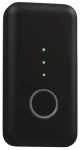
Mrs. Meena, 74, lives in Chandigarh. One afternoon, she experiences slurred speech and collapses. Her mySeniorCareHub device detects a fall and triggers an emergency alert. Her son receives a push notification with a live GPS link. Within 3 minutes, the system contacts the local ambulance service with her coordinates. Medical help arrives in under 12 minutes. Doctors later confirmed she was treated well within the golden hour.
It’s the power of proactive care.
Medical Perspective: Why It Works
Neurological Events (e.g., Stroke): Early thrombolytic therapy within 3 hours drastically improves outcomes. Real-time alerts accelerate this timeline.
Diabetic Emergencies: Immediate response can prevent coma and hospitalisation.
Cardiac Arrest: CPR or defibrillation within the first 6 minutes significantly increases survival rates.
With location tracking, these interventions are no longer delayed due to logistical confusion or unreachable phones.
Emotional and Practical Reassurance for Families The emotional toll of caregiving can be heavy. Constant worry, guilt, and fear of missing an emergency moment can drain families. Real-time tracking provides:
Peace of Mind: You’re always informed, no matter where you are.
Autonomy for Elders: Seniors retain independence while staying safe.
Faster Emergency Response: Coordinated care teams can act without waiting for human-initiated calls.
Conclusion A stroke, a fall, or a diabetic episode doesn’t have to end in tragedy. Technology today gives us tools that didn’t exist a decade ago. With mySeniorCareHub’s real-time tracking and emergency alert system, you’re never truly far from your loved one’s side. It transforms helplessness into readiness.
In moments where every second counts, knowing where your parent is and that help is already on the way is more than peace of mind. It’s lifesaving.
Explore the emergency features and real-time monitoring tools of mySeniorCareHub. Because when your loved one is in danger, you deserve to know and act in real time.
We all want our elderly loved ones to live long and happy lives, but it is normal for them to need assistance to maintain a secure and fulfilling life as they age. As our loved ones grow older, ensuring their safety becomes just as important as supporting their independence. Studies show that two-thirds of elderly adults require help with one or more daily activities.
Even though many seniors want to lead active, independent lives, daily outings can become dangerous due to the possibility of unexpected health problems like memory loss, falls, or fainting. This is where location tracking steps in.
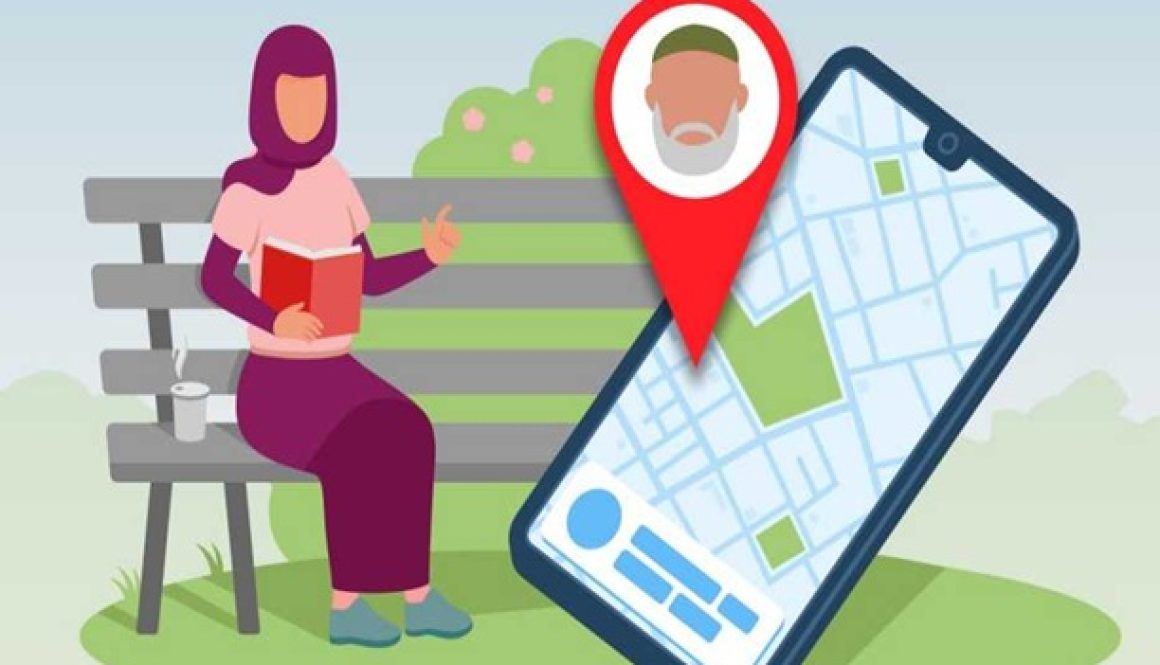
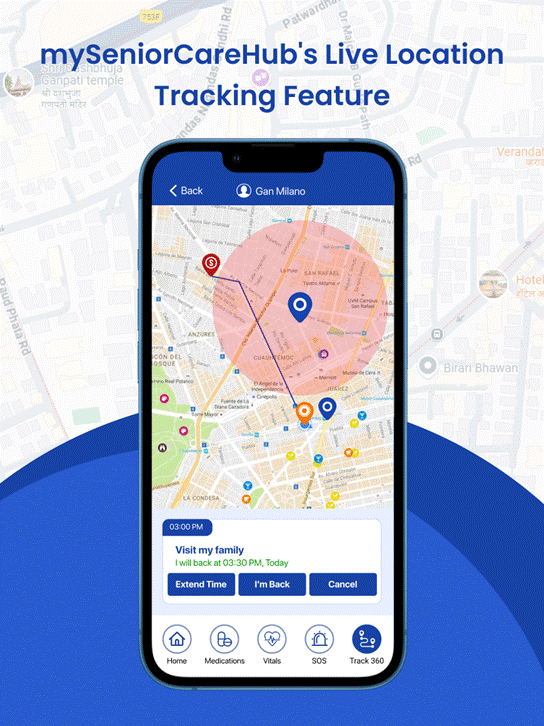
Our mySeniorCareHub app offers a built-in location tracking feature that allows caregivers to monitor a senior’s real-time location, receive alerts if they exit safe zones, and respond quickly during emergencies. It’s not just about knowing where they are; it’s about acting when it matters most. Monitoring a senior’s whereabouts is crucial for timely assistance and comfort in the contemporary healthcare setting.
Situations in Which Location Tracking Is Beneficial
For good reason, seniors cherish their independence, but some medical conditions can subtly make everyday tasks risky.
When certain medical conditions are present, it might not be as safe to take a stroll in the park, go to the market, or even just go outside for some fresh air. This is where location tracking goes from being a convenience to a potentially life-saving tool.
Dementia and Alzheimer’s: When familiar places feel unfamiliar – Location Tracking & Geo Fencing App
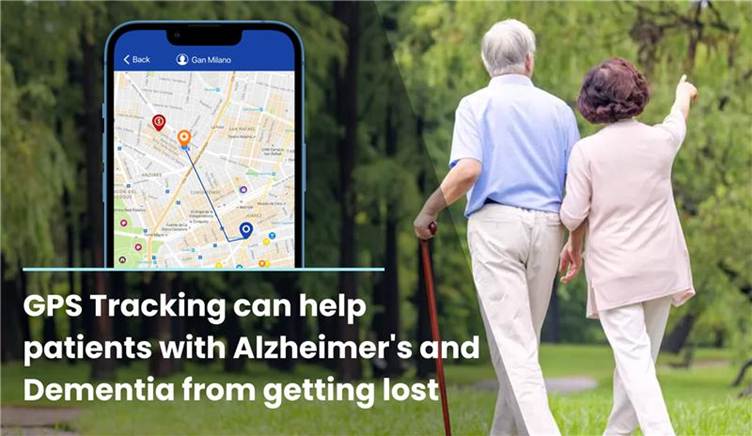
Elderly people suffering from dementia often experience confusion, memory loss, and difficulty recognizing familiar locations, including their own homes. One of the most common and concerning symptoms is wandering. Imagine this: a senior steps out for their usual evening stroll, but this time, they forget which path leads home.
Minutes turn into hours, and panic sets in. Six out of ten individuals with dementia will wander at least once, making this a common occurrence. Unfortunately, some may not find their way back. That’s where mySeniorCareHub comes into play.
With real-time location tracking and safe zone alerts, caregivers are notified immediately when a senior steps outside a defined perimeter. No frantic calls. No guessing. Just swift, calm, and effective action.
Parkinson’s Disease: The freeze no one talks about – App for Location Tracking
Parkinson’s is a progressive disorder that affects movement and balance. Seniors with Parkinson’s may experience sudden muscle rigidity, tremors, or a phenomenon known as “freezing,” where their body temporarily stops responding. A walk can turn into a standstill – the feet feel glued to the floor, mid-crosswalk, mid-step.
Imagine this occurring when the individual is by themselves. Caregivers do not need to wait for a distress call when location tracking is used. If they observe unusual delays or stillness, they can check in right away. A minor incident can be kept from turning into a serious emergency with prompt outreach.
Cardiovascular Conditions: Stroke, Heart Attack, and Arrhythmia
Conditions like coronary artery disease, atrial fibrillation, and previous strokes increase the risk of sudden cardiac events. A senior may faint, lose balance, or become unresponsive without warning. These episodes are particularly dangerous if the person is alone or away from home.
The faster medical help arrives, the better the outcome, especially in strokes, where every minute counts to reduce brain damage. With real-time location tracking, family members or emergency responders can reach the senior without delay, avoiding critical loss of time during emergencies.”
With mySeniorCareHub, even if a senior can’t speak or reach their phone, their last known location is always visible. That’s huge. It’s the difference between delayed discovery and rapid rescue, something that’s especially critical when treating strokes, where “time is brain.”
Diabetes & Hypoglycaemia
Seniors with diabetes are prone to sudden drops in blood sugar, particularly if they’re on insulin or certain oral medications. Hypoglycaemia can cause dizziness, confusion, slurred speech, or even unconsciousness. The problem is that these symptoms can appear at any time, whether you are walking, shopping, or driving.
If a senior with diabetes is discovered fainting or confused in a public setting, it might not be immediately clear to onlookers what is going on. However, mySeniorCareHub eliminates the need for guesswork for caregivers. The app helps them track their loved one’s route, spot delays, and reach them before things escalate. It’s like having a silent safety net always in place.
Epilepsy and Seizure Disorders
Though not as common in seniors, epilepsy and other seizure conditions can occur, especially due to brain injuries or post-stroke complications. A seizure can leave a person disoriented or unconscious in unfamiliar surroundings. Not all seniors with seizures get a warning. Some fall suddenly. Others recover with no memory of what just happened. And post-seizure confusion can be terrifying.
If this happens outdoors, in an unfamiliar area, it could mean long delays in getting help unless someone’s watching. With location tracking, families don’t have to wait for a call that may never come. They already know where to go.
Mental Health Conditions: Depression, Anxiety, and Social Withdrawal
Mental health challenges in older adults often go unnoticed. Seniors dealing with depression or anxiety may isolate themselves, leave the house without informing anyone, or avoid communication entirely. Some may go for long walks to clear their minds and forget to return, especially if they’re also dealing with early cognitive decline. Depression and anxiety don’t always look dramatic.
Sometimes it’s just a senior skipping a meal, avoiding calls, or walking off to be alone, except they forget to come back. In such moments, location tracking offers a gentle layer of oversight. It provides loved ones with a discreet reassurance without interfering; it is a way to ensure a senior’s safety without having to check in all the time. And assistance is only a tap away if something does not feel right.
These aren’t rare scenarios. They happen every day to someone’s parent, someone’s grandparent, or someone’s partner. The good news? With technology like mySeniorCareHub location tracking, we’re no longer powerless in the face of uncertainty. We’re proactive, present, and prepared.
Location Tracking for Everyday Safety: Not Just for Emergencies
You don’t need a medical crisis to realize the value of location tracking.
For many families, it is about finding peace of mind in the seemingly routine moments that can suddenly become unpredictable.
Not all seniors are homebound. Many live active, independent lives.
They go for morning walks, visit the market, attend religious gatherings, or simply enjoy a solo cup of tea at a nearby park.
That autonomy is crucial. However, it also entails unspoken concerns for family members and caregivers.
What if they took a new route today and got lost?
These aren’t dramatic fears. These are common worries, and location tracking helps close the gap between providing autonomy and guaranteeing security. With mySeniorCareHub, families can see where their loved one is in real time.
They can check in if something seems strange, such as a longer stay than usual. It’s not about controlling or monitoring. It’s about staying connected quietly, like a digital safety hand always ready in the background.
The bottom line is that location tracking is about assurance, not illness, even for healthy, self-sufficient seniors. It adds a layer of care that doesn’t intrude but stands ready when needed.
We’re Ranked As The Most Recommeded App For Seniors With Dementia/Alzheimers
Technology has made life easier, especially for seniors. With the right apps, older adults can stay healthy, safe, and independent. Smartphones and tablets provide tools that help seniors manage their daily lives more efficiently. Here are ten essential apps every senior should have on their device to maintain their well-being and independence.
Great Apps for Independent Older Adults Who Live Alone
Seniors often have multiple medications to take daily. A pill reminder app helps by sending alerts for medicine schedules. Forgetting to take medicine on time can lead to health complications, but apps like mySeniorCareHub pill reminder ensure seniors never miss a dose. These apps can track dosage schedules, send notifications, and even alert caregivers if a medication is skipped. Some apps also offer features like tracking medication history and providing reports for doctors.
mySeniorCareHub’s Location Tracking feature ensures seniors are always connected and safe, no matter where they are. Using real-time GPS, the app allows caregivers and family members to monitor a senior’s location, track movement, and get instant updates if they step outside predefined safe zones. Whether it’s a trip to the market, a walk in the park, or an emergency situation, mySeniorCareHub helps loved ones stay informed and act quickly if needed. This feature offers peace of mind by combining freedom for seniors with added safety and visibility for families.
In case of emergencies, an SOS alert app can notify family members or emergency services with a single tap. mySeniorCareHub SOS alert app includes features like location sharing, voice-activated emergency calls, and direct alerts to emergency contacts. These apps provide peace of mind, ensuring that help is just a button away. Some SOS apps also integrate with wearable devices, enabling automatic alerts in case of falls or sudden health emergencies.
A wellness score app helps track health by monitoring vital signs and giving personalized health alerts. mySeniorCareHub wellness score app provides a detailed analysis of a senior’s health metrics, helping them stay on top of their well-being. By using AI-powered analysis, these apps provide recommendations on lifestyle changes, alert users about potential health risks, and even notify caregivers about concerning trends.
5. Blood Pressure and Heart Rate Monitor App
Monitoring blood pressure and heart rate is important for seniors, especially those with heart conditions. Apps like SmartBP and Heart Rate Monitor help track these vital signs and send reports to doctors. mySeniorCareHub blood pressure and heart rate monitoring feature allows seniors to monitor their cardiovascular health with ease. Regular monitoring can prevent serious conditions such as strokes or heart attacks. Many of these apps integrate with wearable devices like smartwatches to provide real-time health updates, ensuring seniors stay informed about their cardiovascular health.
6. Blood Sugar Monitoring App
For seniors with diabetes, tracking blood sugar levels is essential. Apps like MySugr and Glucose Buddy make it easy to log and analyze blood sugar readings. mySeniorCareHub blood sugar monitoring feature provides real-time tracking, alerts, and detailed reports to help seniors manage diabetes more effectively. These apps provide reminders to check glucose levels, suggest dietary recommendations, and allow users to share data with doctors. Some apps also integrate with continuous glucose monitoring (CGM) systems, which automatically track blood sugar levels throughout the day, reducing the need for frequent finger-pricking.
7. Senior-Friendly Communication App
Staying connected with family is important for emotional well-being. Simple messaging apps like WhatsApp, Skype, or GrandPad Messenger allow seniors to chat and video call with loved ones easily. Some senior-friendly communication apps feature larger fonts, simplified interfaces, and voice-to-text capabilities, making them easy to use even for those unfamiliar with technology. These apps help seniors maintain social connections and reduce feelings of isolation.
Seniors living alone can benefit from a daily check-in app. mySeniorCareHub assist watch feature reminds seniors to check in and alerts family members if a check-in is missed. These apps provide peace of mind for both seniors and their caregivers. Some check-in apps also offer features like automated wellness questions, location tracking, and emergency alerts to ensure seniors are always safe.
9. Navigation and Ride-Sharing App
Getting around is easier with ride-sharing apps like Uber or Lyft. These services allow seniors to book rides conveniently, reducing the need for driving or relying on others for transportation. Google Maps is another essential app that helps with navigation, making travel safer and more convenient. Some ride-sharing apps now offer senior-friendly options, including assistance for those with mobility aids and easier booking interfaces.
10. Brain Training and Entertainment App
Keeping the mind active is crucial for seniors. Apps like Lumosity and Sudoku provide brain exercises that improve memory, cognitive function, and problem-solving skills. Audiobook apps like Audible and LibriVox offer entertainment and learning opportunities, keeping seniors engaged. Many of these apps also feature puzzle games, trivia, and logic exercises, which help prevent cognitive decline and keep the brain sharp.
Why Choose mySeniorCareHub?
Instead of installing multiple apps for different needs, mySeniorCareHub provides an all-in-one solution that combines pill reminders, emergency alerts, wellness tracking, blood pressure monitoring, and more in a single app. This makes it easier for seniors to manage their health without switching between different applications. With mySeniorCareHub, seniors can access essential features in one convenient platform, simplifying their daily routine and ensuring better health management.
Additional Helpful Apps for Seniors
Aside from the top ten essential apps, here are a few more apps that can be incredibly beneficial for seniors:
Health and Fitness Apps
Fitbit – Monitors physical activity, sleep, and heart rate.
SilverSneakers GO – Offers guided exercise programs specifically for seniors.
Home Assistance Apps
Amazon Alexa – Voice assistant that helps with reminders, smart home control, and information lookup.
Google Home – Provides hands-free assistance for daily tasks.
Grocery and Shopping Apps
Instacart – Allows seniors to order groceries online and get them delivered.
Walmart Grocery – Provides easy grocery shopping with delivery or pickup options.
Finance and Budgeting Apps
Mint – Helps seniors manage their finances and track expenses.
PayPal – Enables secure online transactions and money transfers.
Conclusion
These apps help seniors manage their health, stay in touch with family, and maintain independence. By using these essential apps, seniors can lead a safer and healthier life. If you or a loved one haven’t tried them yet, now is the time! Investing in technology can make aging easier and more comfortable. Whether it’s tracking medication, communicating with family, or ensuring safety, these apps provide the right support for a better quality of life.
As technology continues to evolve, more apps will become available to assist seniors in new and innovative ways. Embracing these digital tools ensures that seniors can stay connected, healthy, and independent for years to come.