Remote Patient Monitoring for Healthcare Organizations: Benefits, Technology and Use Cases

Healthcare organizations face growing pressure to manage chronic conditions, reduce avoidable hospital visits, and maintain patient engagement between appointments. Traditional care models often provide limited visibility into patients’ health once they leave a clinical setting.
Remote patient monitoring for healthcare organizations offers a way to address this challenge by collecting health measurements outside hospitals and clinics and making them available to care teams.
From chronic disease management to post-discharge follow-ups, RPM technology can support more continuous, data-informed care. However, successful implementation requires more than connected devices. Healthcare leaders must consider clinical workflows, patient engagement, technology integration, and reimbursement.
BRING HEALTHCARE CLOSER TO PATIENTS, EVEN BEYOND CLINICAL SETTINGS
Explore how mySeniorCareHub’s connected senior wellness solutions can support healthcare organizations in improving patient engagement, maintaining wellness visibility, and strengthening care coordination.
What Is Remote Patient Monitoring in Healthcare?
Remote patient monitoring (RPM) is a healthcare delivery approach that uses connected medical devices to collect physiological data from patients outside traditional clinical settings.
These measurements are electronically transmitted to healthcare professionals for review and treatment management.
Common remote patient monitoring devices include:
- Connected blood pressure monitors
- Blood glucose monitoring devices
- Pulse oximeters
- Digital weight scales
- Heart rate monitoring devices
For example, a patient with hypertension may use a connected blood pressure monitor at home. Their healthcare provider can review transmitted readings and determine whether follow-up or treatment adjustments are necessary.
Unlike a standard telehealth appointment, RPM supports data collection between scheduled consultations.
How Does Remote Patient Monitoring Work?
A typical remote patient monitoring system follows five stages.
- Patient Enrollment: Clinicians identify eligible patients and obtain appropriate consent.
- Device Setup: Patients receive compatible monitoring equipment and instructions.
- Data Collection: Connected devices measure relevant physiological information.
- Clinical Review: Authorized care teams assess readings and identify concerning changes.
- Care Intervention: Providers contact patients, adjust care plans, or recommend further evaluation when clinically appropriate.
The effectiveness of this process depends on reliable measurements, patient participation, and clearly defined response procedures.
5 Key Benefits of Remote Patient Monitoring for Healthcare Organizations
1. Earlier Identification of Potential Health Changes
One of the main benefits of remote patient monitoring is improved visibility between appointments.
For patients managing hypertension or heart failure, changing measurements may indicate a need for clinical review.
Access to longitudinal information helps care teams recognize trends that might not appear during occasional office visits.
However, RPM data must be interpreted in the context of each patient’s medical history.
2. Better Chronic Disease Management
Remote patient monitoring for chronic disease management supports ongoing observation of conditions such as diabetes, hypertension, and heart failure.
Instead of relying exclusively on patient-reported symptoms during appointments, clinicians can review measurements collected over time.
This may support treatment adjustments, patient education, and more informed care planning.
3. Improved Patient Engagement
Patients who regularly measure their health indicators may become more involved in managing their conditions.
Connected monitoring can encourage conversations about treatment goals, medication routines, and lifestyle changes.
For healthcare organizations, this creates opportunities for more personalized communication.
4. More Efficient Clinical Follow-Ups
RPM can help care teams prioritize patients who need additional attention.
For example, established clinical protocols may direct staff to review abnormal readings and arrange follow-up.
This can support more targeted care coordination, although poorly configured alerts may increase staff workload.
5. Potential Reduction in Avoidable Healthcare Utilization
Well-designed monitoring programs may help identify problems before they require urgent intervention.
For healthcare organizations, potential benefits include fewer avoidable emergency visits and hospital readmissions.
However, results vary by condition, patient population, program design, and clinical response. These outcomes should be measured rather than assumed.
Remote Patient Monitoring Use Cases Across Healthcare Organizations
Different healthcare settings require different monitoring strategies.
| Healthcare Setting | RPM Use Case | Potential Value |
|---|---|---|
| Hospitals | Post-discharge monitoring | Support recovery follow-ups |
| Primary care practices | Hypertension management | Track blood pressure trends |
| Cardiology departments | Heart failure monitoring | Review weight and cardiovascular measurements |
| Diabetes clinics | Glucose monitoring | Support ongoing treatment decisions |
| Home healthcare agencies | At-home physiological monitoring | Improve care coordination |
| Value-based care organizations | High-risk patient management | Support proactive clinical interventions |
Chronic Care Management
Healthcare providers managing long-term conditions can use connected devices to collect measurements between appointments.
RPM may complement chronic care management (CCM) programs, although these are distinct services with separate requirements.
Post-Discharge Monitoring
Hospitals may use RPM to monitor selected patients after discharge.
Tracking relevant measurements can help care teams evaluate recovery and determine whether additional follow-up is necessary.
Senior and Home-Based Care
For older adults managing chronic conditions, remote health monitoring can reduce the need to travel solely to provide routine measurements.
This can be particularly useful when mobility or transportation creates barriers to care.
What Technology Do Healthcare Organizations Need for RPM?
Selecting the right remote patient monitoring technology requires evaluating both medical devices and supporting software.
Connected Medical Devices
Devices should provide appropriate measurement accuracy, dependable connectivity, and usability for the intended patient population.
RPM Software and Clinical Dashboards
A remote patient monitoring platform should help authorized clinicians access patient measurements, review trends, and manage alerts.
Organizations should assess whether the platform supports clinical documentation and existing workflows.
EHR Integration and Data Security
Integration with electronic health records can reduce fragmented information and repetitive documentation.
Healthcare organizations should also evaluate HIPAA obligations, access controls, encryption, vendor responsibilities, and applicable medical-device requirements.
Patient and Caregiver Engagement
Easy onboarding, clear instructions, and accessible support are important for consistent participation.
Organizations serving older adults should consider device simplicity, cellular connectivity, and whether patients need smartphone access.
How to Implement Remote Patient Monitoring Successfully
A successful RPM program begins with a clearly defined clinical objective.
Healthcare organizations should:
- Identify suitable patients: Select conditions and populations likely to benefit from monitoring.
- Define clinical responsibilities: Establish who reviews readings and responds to alerts.
- Evaluate technology: Assess devices, integration, accessibility, and data security.
- Train patients and staff: Provide practical onboarding and ongoing technical support.
- Measure outcomes: Track engagement, alert response, clinical outcomes, and operational costs.
Useful performance indicators include patient enrollment, device activation, data transmission adherence, clinical response times, and hospital utilization.
Starting with a focused pilot can help organizations identify workflow challenges before expanding.
Medicare Reimbursement and RPM Compliance
Medicare provides reimbursement pathways for eligible remote physiologic monitoring services.
Requirements can involve patient consent, qualifying medical devices, data collection thresholds, documentation, and treatment management.
CMS guidance also distinguishes device setup, monitoring supply, and clinical management activities.
Healthcare organizations should review current CMS rules, payer contracts, and applicable billing requirements before developing financial projections.
RPM reimbursement should never be treated as automatic revenue simply because a patient receives a connected device.
How mySeniorCareHub Fits Into Connected Senior Care
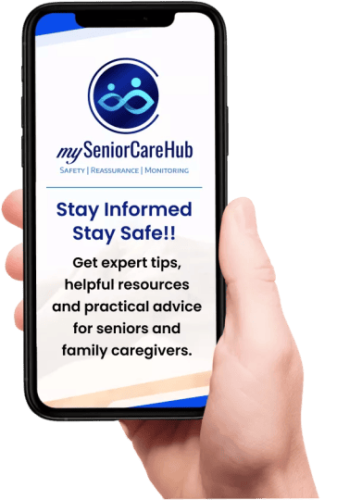
mySeniorCareHub offers senior safety and wellness solutions that may complement broader home-based care and patient engagement strategies.
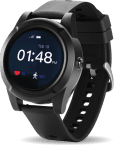
Its ecosystem includes vital monitoring tools, medication reminders, location tracking, daily safety check-ins, and emergency assistance solutions.
These capabilities can be relevant to organizations exploring connected senior wellness and caregiver communication.
However, general wellness tracking and family safety services are not automatically equivalent to a clinically validated, Medicare-billable RPM platform.
Healthcare organizations should verify device capabilities, clinical integration, regulatory requirements, and monitoring workflows before considering any technology for formal RPM programs.
Explore mySeniorCareHub to learn more about its connected senior safety and wellness solutions.
Conclusion
Remote patient monitoring for healthcare organizations creates opportunities to extend care beyond traditional appointments through connected devices, clinical data review, and proactive follow-up.
Its value is especially relevant to chronic disease management, post-discharge care, and selected home-based healthcare programs.
For healthcare leaders, success depends on choosing appropriate technology, establishing reliable clinical workflows, protecting patient information, and measuring meaningful outcomes.
The strongest RPM strategy starts with a clinical need, not simply a device purchase.
SUPPORT SAFER, MORE CONNECTED CARE FOR SENIORS AT HOME
Frequently Asked Questions (FAQs)
-
RPM can improve visibility into patient health between appointments, support chronic disease management, strengthen patient engagement, and enable more targeted clinical follow-ups.
-
Common RPM applications include hypertension, diabetes, heart failure, and selected respiratory conditions. Appropriate devices and monitoring protocols depend on clinical needs.
-
Telehealth is a broad category of remote healthcare services. RPM specifically involves collecting patient health measurements outside clinical settings and making them available for professional review.
-
Medicare covers eligible RPM services when applicable medical necessity, device, documentation, consent, and billing requirements are satisfied.
-
Organizations should evaluate clinical suitability, device accuracy, EHR integration, security, patient accessibility, staffing requirements, vendor support, and total program costs.