Location Tracking App vs GPS Device: Which Is Better for Senior Safety?
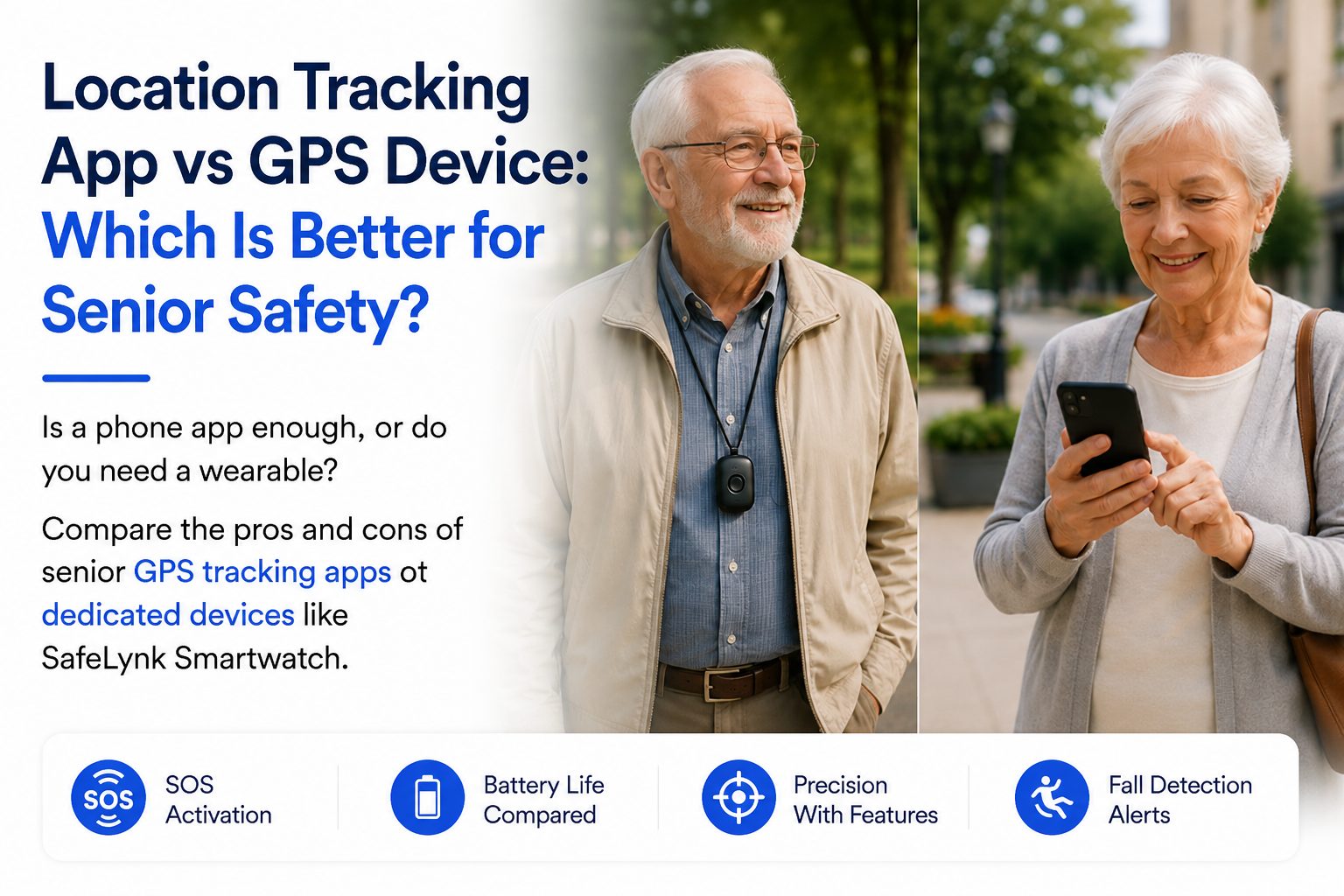
For caregivers in 2026, the priority is clear: maintaining a loved one’s independence while ensuring a rapid response during a crisis. But when you look for a solution, you are often met with two choices: download a location tracking app or purchase a dedicated GPS wearable.
While they share the same goal, the technical execution and reliability vary wildly. This guide leverages 2026 safety data to help you decide which path secures your loved one’s future.
What Is The Difference Between a Senior GPS Tracker and a Tracking App?
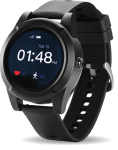
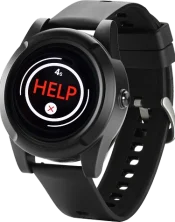
The primary difference is dedicated reliability. A GPS device like the SafeLynk Smartwatch is a wearable that functions independently of a phone, offering physical SOS buttons and 24/7 emergency dispatch.
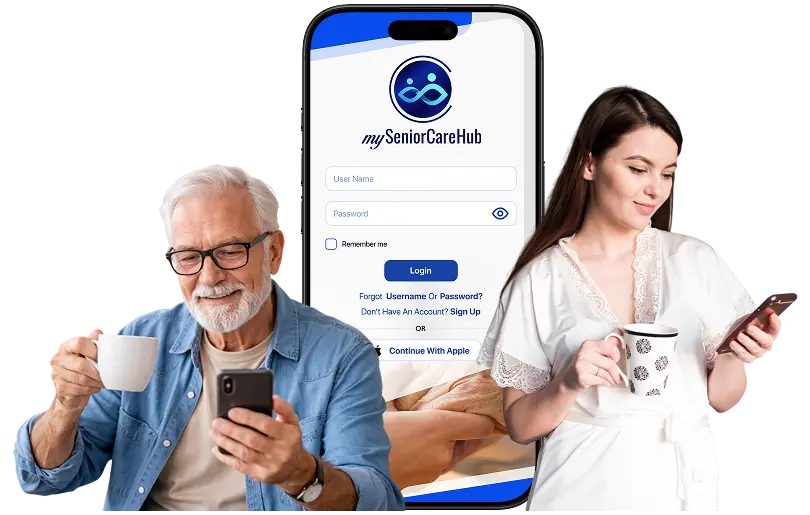
A Location Tracking App is a software solution that depends on the senior’s smartphone battery, signal, and the user’s ability to keep the phone on their person, one such example is our mySeniorCareHub App.
For high-risk seniors, the hardware-software hybrid approach is the 2026 gold standard.
2026 Safety Trends: Reality of Senior Mobility
Recent data highlights why the method of tracking is just as important as the tracking itself.

Mobility Gap: Over 40% of seniors report leaving their smartphone at home when running quick errands, whereas 92% of wearable users keep their device on 24/7 (2026 Senior Tech Trends Report).

Wandering Risk: In 2026, roughly 6.9 million Americans are living with Alzheimer’s; experts note that passive tracking via a wearable reduces search times from hours to minutes (Alzheimer’s Association).

Emergency Latency: Phone-based apps can have a lag of up to 3 minutes in refreshing coordinates; dedicated GPS hardware updates in real-time during an SOS event.
No Long Contracts + Setup In Under 2-3 Minutes
Location Tracking App vs. GPS Tracking Device
To help you choose, we’ve broken down the core differences in 2026 safety standards.
User Compliance
SOS Activation
Battery Life
Precision
Fall Detection
Medical Alert Watch with GPS tracking
Expertise: Why GPS Device Is More Suitable For Seniors
As experts in geriatric safety, we analyze these tools based on failure points. An app-only strategy has three primary failure points that a dedicated device solves.
1. Lock Screen Barrier
In a moment of distress; such as a stroke or severe fall, fine motor skills deteriorate. Unlocking a smartphone, finding an app, and tapping an icon is often impossible.
Our SafeLynk Smartwatch features a dedicated SOS button that can be pressed by feel alone. Also, it has the ability to detect falls automatically if a senior is unable to press the SOS button during an emergency.
2. Environmental Durability
Most seniors do not carry their phones into the bathroom – the most common site for falls. A dedicated GPS watch is water-resistant, meaning it stays on during showers, providing a 24/7 safety net that an app on a nightstand cannot.
3. Integrated Emergency Dispatch
A location tracking app for seniors is a closed notification system; it tells you where they are. But if you are in a dead zone or asleep, that information is useless.
Meanwhile SafeLynk device connects directly to a 24/7 Emergency Dispatch Centre that can send help to the GPS coordinates regardless of your availability.
Final Recommendation:
Use the Location Tracking for seniors App if…
Your loved one is in the early stages of aging in place, is highly tech-literate, and consistently keeps their phone charged and on their person. It is an excellent, cost-effective “peace of mind” tool for active seniors.
Upgrade to the SafeLynk GPS Device if…
There are any signs of cognitive decline (wandering), a history of falls, or if the senior finds smartphones cumbersome. The dedicated hardware removes the human error variable from the safety equation.
Expert Verdict: For the best results in 2026, use both. Install the app on the caregiver’s phone to monitor the senior’s dedicated GPS device. This creates a Safety Loop where the caregiver has data and the senior has professional protection.
Using Both Location Tracking App + GPS Device For Senior Safety
The most robust safety plan doesn’t choose between a device and an app – it utilizes the mySeniorCareHub App as the command center for SafeLynk Smartwatch.
When you pair these two, you create a tiered safety response that covers every possible scenario:
Wearable (Active Protection): The senior wears the SafeLynk Smartwatch, which handles the heavy lifting of automatic fall detection and one-touch SOS. It functions as a standalone life-saving tool that doesn’t need a phone nearby to call for help.

App (Caregiver Oversight): You install the mySeniorCareHub Location Tracking App on your own smartphone. This becomes your window into their world, allowing you to see their real-time GPS location, check their heart rate trends, and receive instant alerts if they leave a designated Safe Zone.
By using both, the senior gets the simplicity of a watch, while the caregiver gets the power of a high-tech monitoring suite. It turns a tracking tool into a collaborative care system.
Conclusion: Investing in Time, Not Just Technology
Choosing the right safety tool is ultimately about buying time. In an emergency, every second saved in locating a senior and dispatching help translates directly to better health outcomes and a faster return to independence.
While a location tracking app is a fantastic starting point for active seniors, the physical reliability and professional backing of a dedicated GPS device like the SafeLynk Smartwatch offer a level of security that software alone cannot provide.
For families committed to safe aging in place in 2026, the combination of a dedicated wearable and a synchronized care app offers the most comprehensive safety net available.
overall best location tracking app for Senior Caregivers