Why a Medical Alert Device is the Best Gift this Good Friday
As we approach Good Friday, a day traditionally centered on reflection, care, and the well-being of our loved ones, many of us are looking for a meaningful way to show we care. While flowers or chocolates are thoughtful, there is no greater Good Friday gift for seniors than their independence and safety.
With the aging population growing and a rising preference for “aging in place,” a medical alert system is more than just a device; it’s a necessity for seniors today.
Why a Medical Alert Device Matters in 2026
According to recent market data, the medical alert systems market is projected to see a growth of 11.4% in adoption (Persistence Market Research).
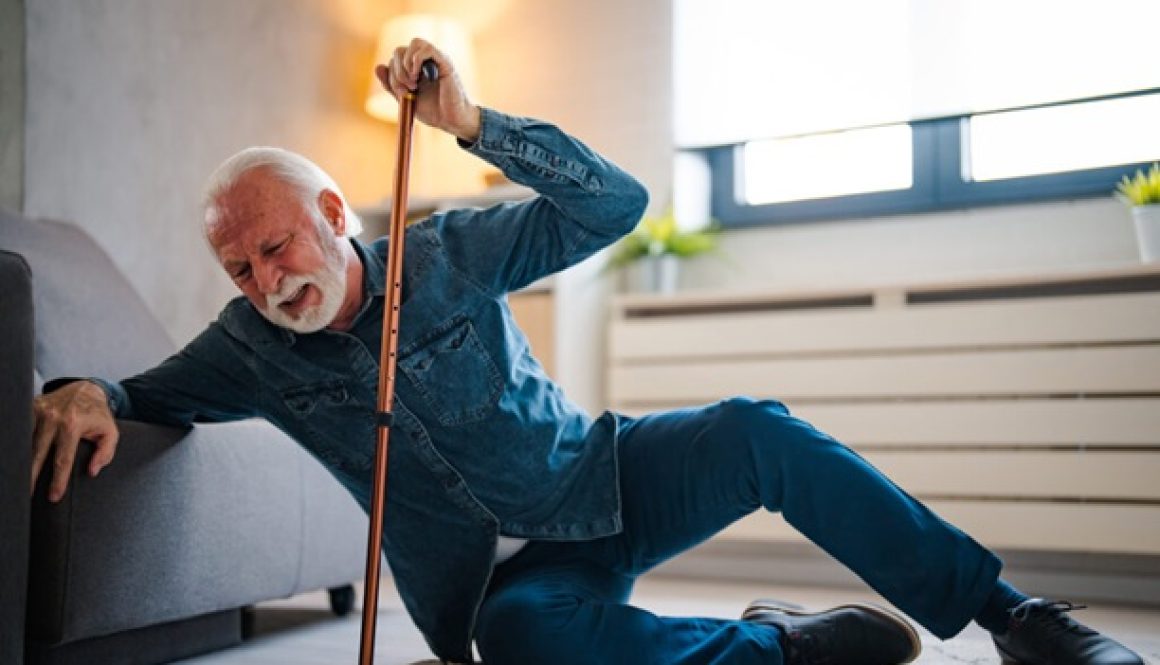
Hard Truth About Falls
- 1 in 4 seniors falls every year, making it the leading cause of injury for those over 65 (CDC).
- Golden Hour: Getting help within the first 60 minutes of a fall or medical emergency significantly improves recovery rates and reduces the risk of long-term hospitalization.
- Peace of Mind: 87% of seniors express a desire to stay in their own homes as they age. A medical alert device makes this a safe reality.
The statistics are clear: the need for proactive home safety has never been higher.
⠀⠀Cancel Anytime • No Long Contracts
What Makes Our Devices Different?
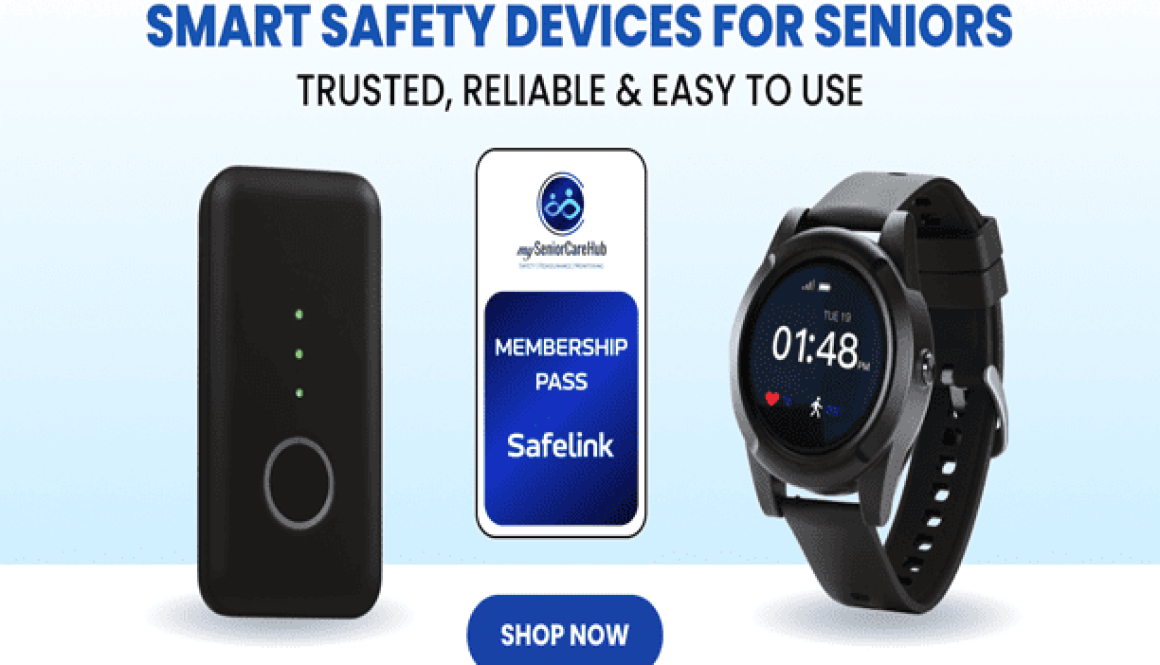
Modern medical alert systems have evolved far beyond the simple “help” button. When you gift a device from mySeniorCareHub, you are providing state-of-the-art technology designed for 2026:
1. AI-Powered Fall Detection
Our devices use advanced accelerometer algorithms to distinguish between a user dropping their keys and an actual hard fall.
If a fall is detected, the device automatically alerts the caregivers (designated contacts). If they fail to respond, then it reaches out to our monitoring center, all this even if the user is unconscious.
2. Precision GPS & Geofencing
For active seniors who love gardening or walking in the park, our mobile units use multi-constellation GPS. This allows emergency responders to find the user’s exact location within meters, anywhere in the country.
3. Hyper-Reliable Connectivity
Equipped with 5G-compatible 4G LTE modules, our devices ensure a crystal-clear two-way voice connection to our 24/7 monitoring centers. There are no “dead zones” when every second counts.
4. IP67 Waterproof Rating
Most falls occur in the bathroom. Our wearable pendants and wristbands are fully waterproof, meaning they can and should be worn in the shower or bath.
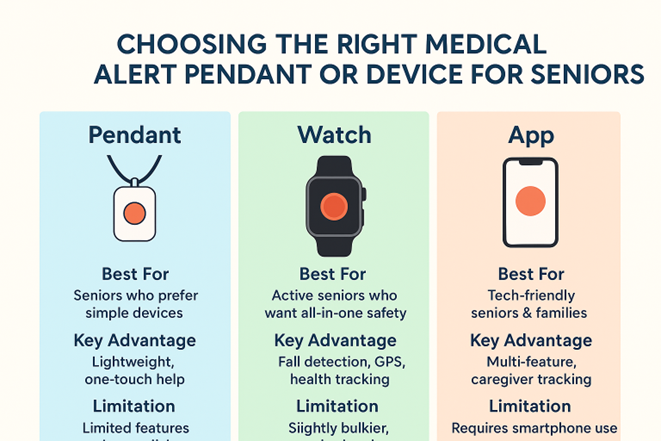
2026 Medical Alert Systems Comparison Guide
To help you choose the right fit, here is a quick breakdown of what could be right for you:
| User Profile | Recommended Systems | Key Technical Edge | Fall Detection | Connectivity |
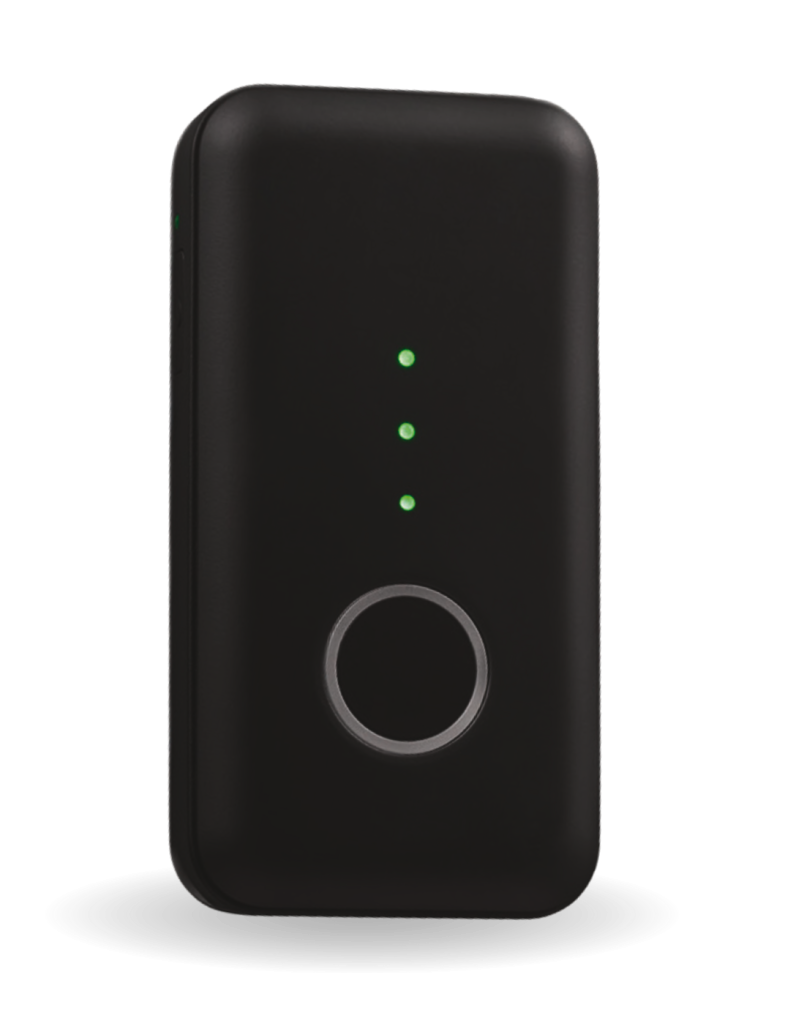
| Homebody (Relies on a walker, stays indoors) | In-Home Base Station | 1,300ft Range: Covers large homes and backyards from the base. | Optional | Landline or 4G/5G Cellular |
| Active Senior (Gardens, shops, or walks the dog) | Mobile On-the-Go (mySeniorCareHub App) | Precision GPS: Uses Wi-Fi + Cellular + GPS for 3-meter location accuracy. | Smartphone-Based | Nationwide 4G LTE |
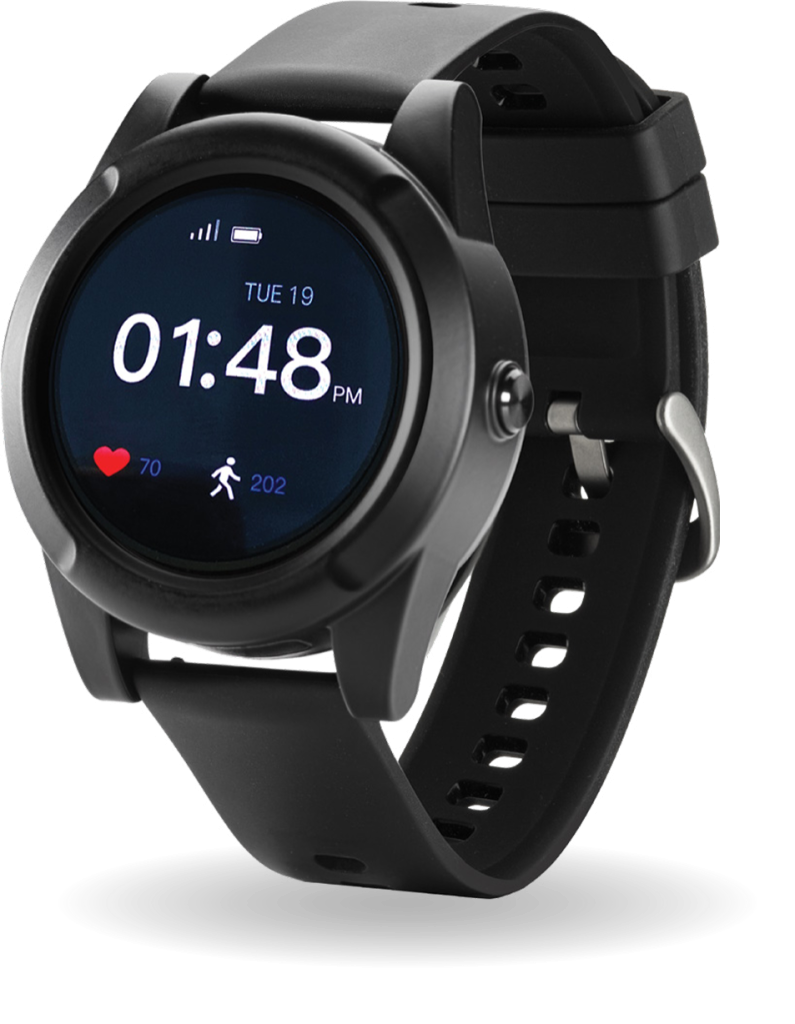
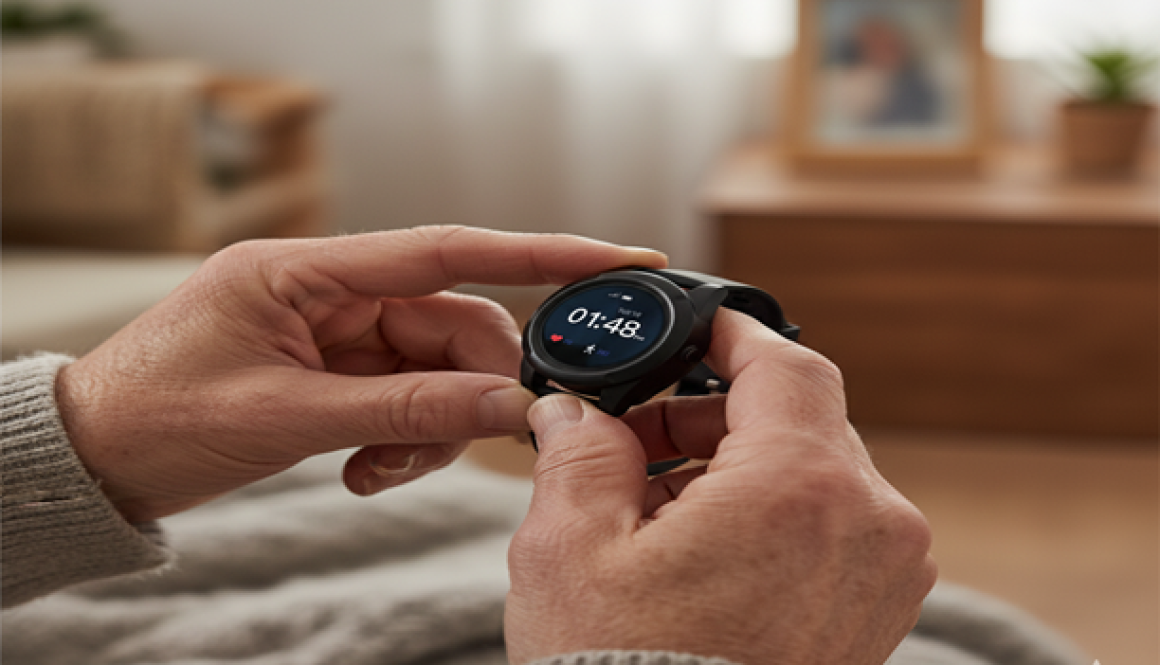
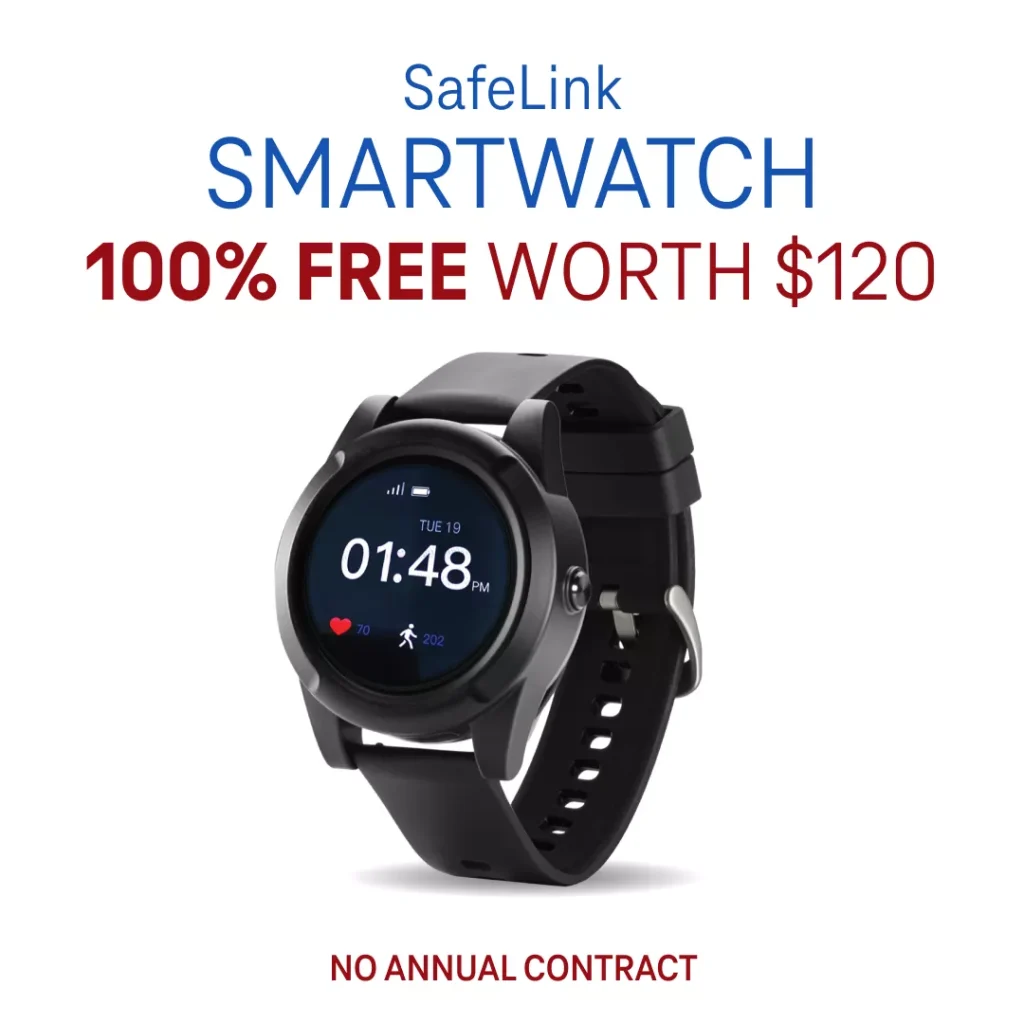
| Tech-Savvy (Wants style and health tracking) | SafeLynk SmartWatch | Safety Sync: Tracks location vitals and steps alongside SOS alert features. | Always On – Integrated | Standalone Cellular |
Don’t Wait Until an Emergency Happens
This Good Friday, give your family the comfort of knowing that help is always just a button-press away.
By choosing a medical alert system, you aren’t just buying a device; you’re investing in your loved one’s ability to live confidently and independently.
Good Friday Deal: Top-Rated Medical Alert Device + Zero Shipping Cost
Our holiday promotion is here for a limited time. Ensure your gift arrives in time for the long weekend without paying a cent for shipping.
Good Friday Special For Seniors: Give The Gift Of 24/7 Safety
Don’t Wait For A Crisis To Happen
No long-term contracts. Set up in minutes. Cancel anytime.