How Accurate Are Medical Alert Devices at Detecting Falls?
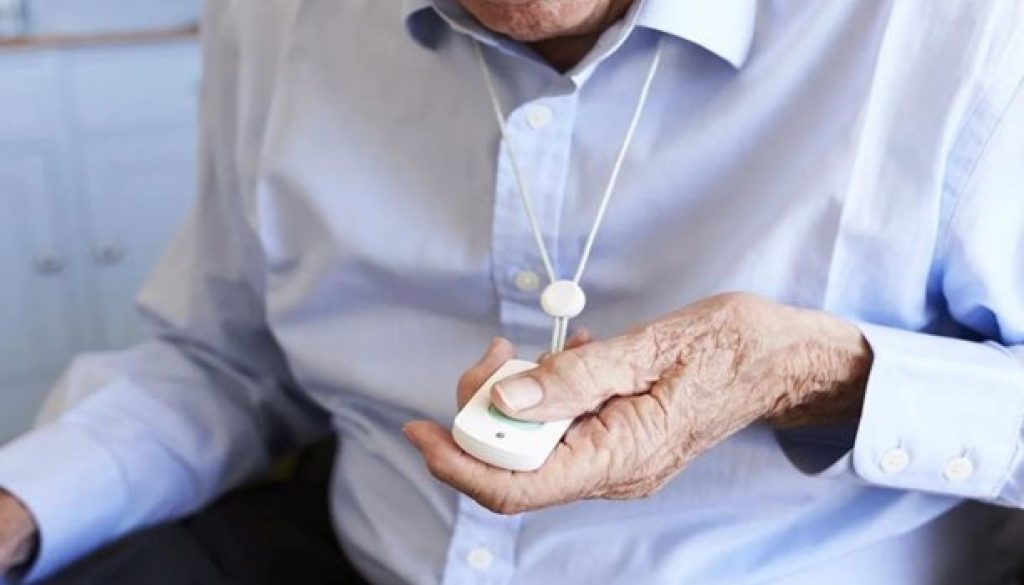
Ever wondered how a small pendant or watch knows the difference between you plopping onto the sofa and a dangerous trip in the hallway? As we look into 2026, medical alert devices that detect falls have become more sophisticated than ever, but their accuracy remains a topic of both fascination and some healthy skepticism.
If you’re considering one for yourself or a loved one, here is the breakdown of how these life-saving gadgets work and just how much you can trust them.
How Medical Alert Devices “See” a Fall
Automatic fall detection doesn’t use a literal “eye” or camera. Instead, it relies on a trio of internal sensors working in harmony:
- Accelerometers: These measure the speed and direction of movement across three axes (x, y, z). They look for the “impact” signature of a fall.
- Gyroscopes: These track orientation. They tell the device if you’ve gone from a vertical (standing) position to a horizontal (lying) one.
- Barometers: Higher-end medical alert devices use barometric sensors to detect tiny changes in air pressure, which can indicate a sudden drop in altitude (i.e., your height).
The “Logic” Behind the Alert
The device runs a constant algorithm. For an alert to trigger, the sensors usually need to check three boxes:
- The Drop: A sudden downward acceleration.
- The Impact: A sharp “jolt” detected by the accelerometer.
- The Wait: A period of immobility following the impact. If the device detects normal movement immediately after a “jolt,” it may realize you just dropped your keys and won’t trigger an alarm.
Just How Accurate Are They?
The short answer: Very, but not perfect.
According to recent studies from the Journal of Medical Internet Research and the National Council on Aging (NCOA), modern medical alert devices boast an accuracy rate between 73% and 98%.
The Accuracy Gap
| Fall Type | Accuracy Level | If We Know Why? |
| Sudden/Hard Falls | High | High-velocity impacts are easy for sensors to distinguish from daily life. |
| Slow/Slumping Falls | Lower | Sliding down a wall or “slumping” out of a chair lacks the “impact” signature. |
| False Alarms | Moderate | Activities like plopping into a chair or vigorous coughing can occasionally trigger a “false positive.” |
Pro Tip: Experts suggest wearing the device at the neck or waist rather than the wrist for higher accuracy. The center of your body provides more stable data for the sensors than a swinging arm.
Why 100% Accuracy Doesn’t Exist (Yet)
No manufacturer will claim 100% accuracy, and for good reason. Human movement is incredibly varied.
- The “Long Lie” Risk: About 80% of seniors who fall and have a manual button don’t actually press it, often due to shock or unconsciousness. This makes the ~90% accuracy of automatic detection a massive safety net, even if it misses the occasional “slow” fall.
- The Battery/Size Tradeoff: Advanced AI algorithms require more processing power. Designers must balance high-level “smart” detection with a battery that lasts long enough to be practical.
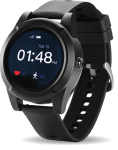
- Specialized Tuning: Many consumer-grade watches use general fitness algorithms. In contrast, SafeLynk Smartwatch is purpose-built for seniors, meaning its sensors are tuned specifically to detect the types of falls most common in a home environment, like trips on rugs or slips from chairs.
Summary: A Safety Net You Can Wear
While no technology can replace human care, the right medical alert devices that detect falls provide a vital layer of protection.
By combining advanced 4G LTE connectivity with GPS tracking and wellness sensors, devices like our SafeLynk Smartwatch ensure that if you can’t reach the button, the help you need is already on the way.
Are You Ready for 24/7 Peace of Mind?
Don’t settle for generalized technology when it comes to safety. Our SafeLynk devices offer a comprehensive solution featuring:
- Automatic Fall Detection: Built-in sensors that connect instantly with U.S.-based care specialists.
- Live Location Tracking: Precision GPS and WiFi to help find you exactly where you are.
- All-in-One Health Monitoring: Track your heart rate, steps, and even receive medication reminders.
Explore our SafeLynk devices and find out why it’s the perfect medical alert solution for your independent lifestyle.
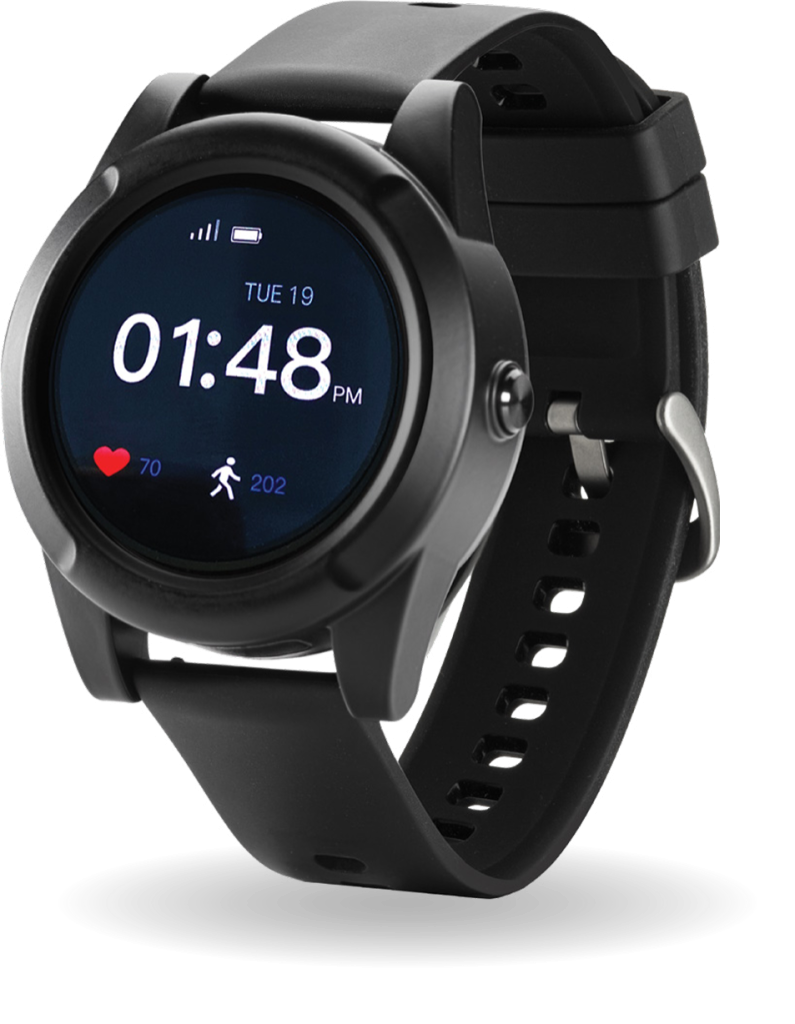
SafeLynk Smartwatch
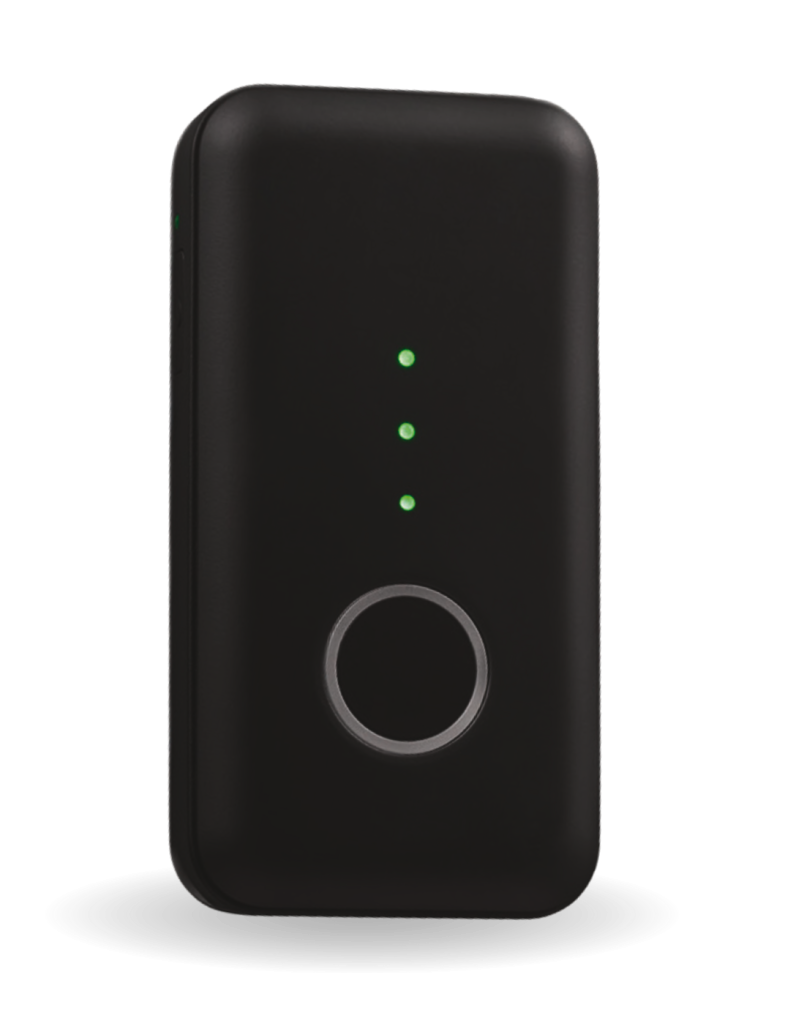
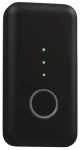
SafeLynk Locket