Caring for a loved one with dementia can feel overwhelming, especially when it comes to ensuring their safety and preventing wandering. One of the biggest concerns caregivers face is the fear of their loved one leaving home and getting lost in an unsafe environment.
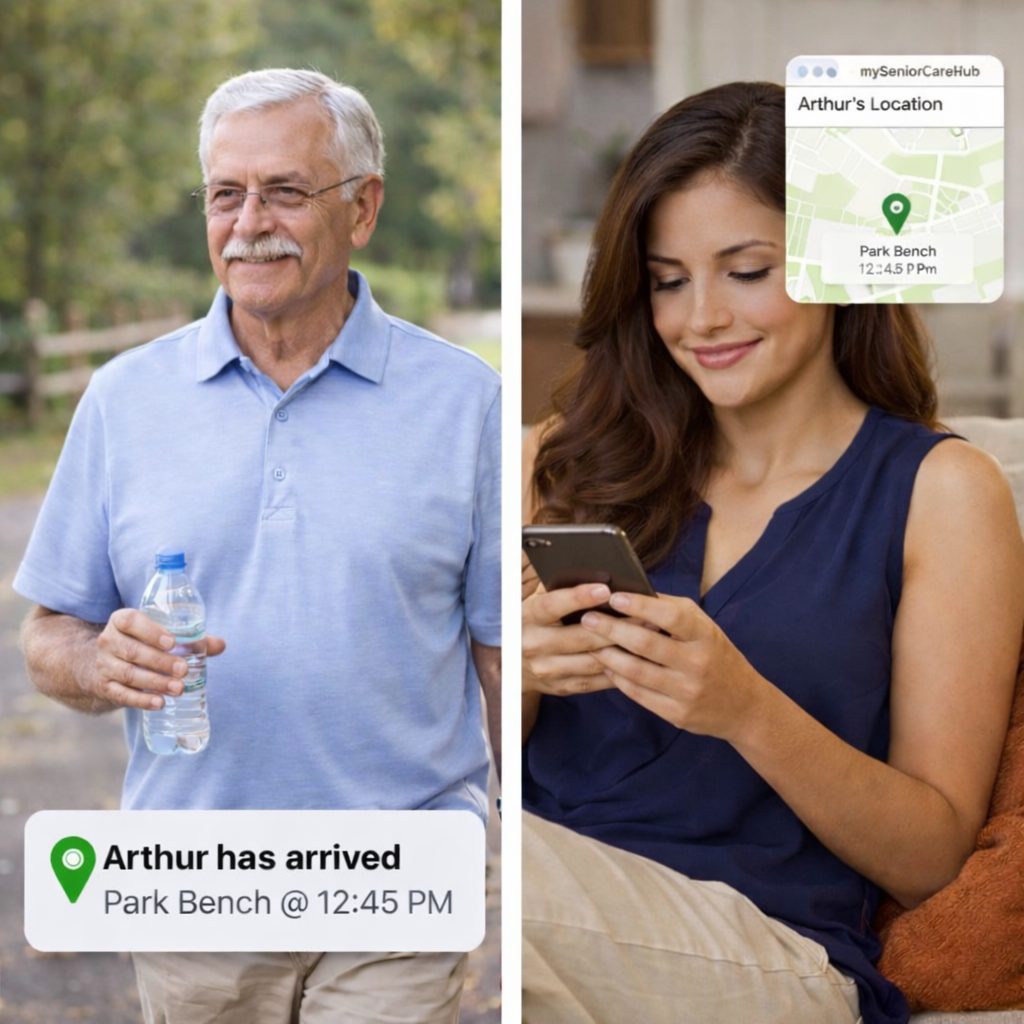
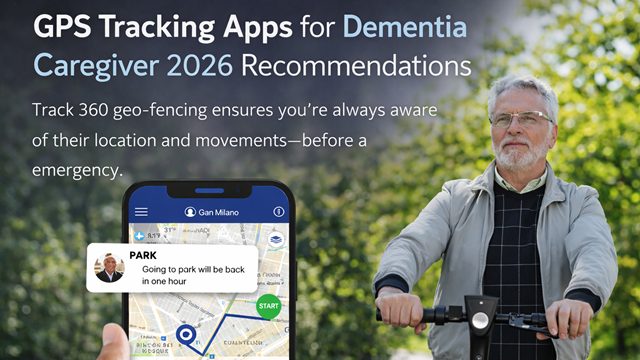
In 2026, mySeniorCareHub stands out as the essential tool for dementia care, transforming a standard smartphone into a sophisticated GPS lifeline that balances constant protection with senior dignity.
Let’s explore why the right GPS tracking is the ultimate safety net for modern caregivers.
Why GPS Tracking Apps Matters in 2026 – Best for Seniors with Dementia
Dementia often causes confusion and disorientation, even in familiar places.
Without a reliable tracking system, a simple trip to the mailbox can lead to risky situations involving traffic, extreme weather, or intense emotional distress for both the senior and the caregiver.
Today’s families need more than a “find my phone” feature. They need an intervention tool that allows them to locate loved ones instantly and reduce the panic of the unknown. That’s exactly what mySeniorCareHub delivers.
Why Generic GPS Apps Often Fail Caregivers?
Battery Drain: Many tracking apps run high-intensity GPS pings that kill a phone’s battery right when you need it most.
ControlConflict: Seniors may feel monitored or “policed,” leading them to leave their devices behind.
Slow Refresh Rates: In a wandering crisis, a location update that takes 15 minutes is 15 minutes too late.
How mySeniorCareHub Compares to Popular Tracking Apps
Feature
myseniorcarehub
Life360
Google Family Link
Glympse
Real-Time Tracking
Fast & Accurate
Good
Slower Refresh
Temporary
Geo-Fencing
Yes
Yes
Limited
No
Ease Of Use
Overall Great
Quite Good
Okay
Generally Okay
Battery Impact
Low
Medium
Medium
Low
Emergency Alerts
SOS Alerts
Yes
None
None
Best For
Families & Dementia Caregiving
Kids & Teens
Families In General
Short-Term Sharing
Don’t Wait for a crisis to happen…
No long-term contracts. 2,000+ families protected. Set up in under 2 minutes
It was an ordinary afternoon until we realised Grandpa wasn’t in the house. We searched every room, checked the backyard, and called his name throughout the neighbourhood.
Hours passed, and panic set in. By the time a stranger found him sitting alone at a bus stop miles away, confused and dehydrated, the emotional toll on our family was immense. This moment, both terrifying and unforgettable, is the reality for many families caring for seniors with Alzheimer’s or Parkinson’s.
But what if there had been a way to know when he stepped out? What if one alert had been sufficient? This article explores how to recognize the early signs of Alzheimer’s, the dangers of wandering, and how geo-fencing and real-time location tracking can be lifesaving tools for families.
Understanding Alzheimer’s Disease and Wandering Behavior
Alzheimer’s is a progressive neurodegenerative disorder that affects memory, cognition, and behaviour. One of the most dangerous symptoms as the disease progresses is wandering, which affects over 60% of individuals with dementia.
Early Signs of Alzheimer’s Disease
Symptom
Description
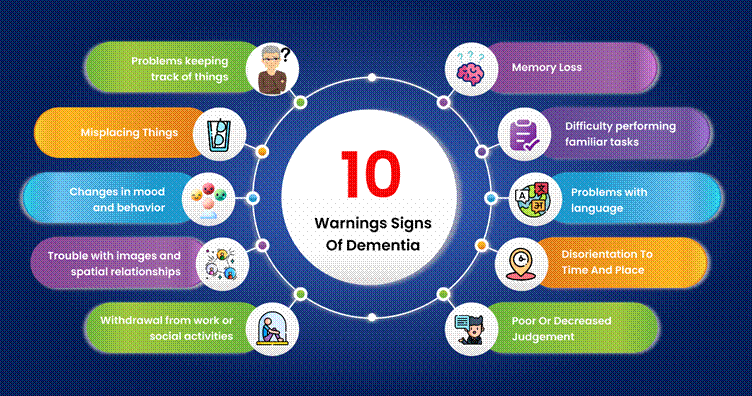
Memory loss
Forgetting recent events, names, or appointments repeatedly
Disorientation
Getting lost in familiar places or confused about time
Poor judgment
Making unsafe decisions, like dressing inappropriately for the weather
Mood changes
Sudden shifts in mood or personality, often appearing confused or anxious
Withdrawal
Avoiding social activities or work they once enjoyed
Recognizing these signs early can help families prepare for the risks, including the high probability of wandering behavior.
Why Do Seniors Wander?
Confusion about time or place
Looking for something or someone from the past
Restlessness or boredom
Stress in unfamiliar settings
Wandering is not just inconvenient—it’s dangerous. Seniors can become lost, dehydrated, or injured. Weather exposure, traffic hazards, and the risk of falling make this a critical issue.
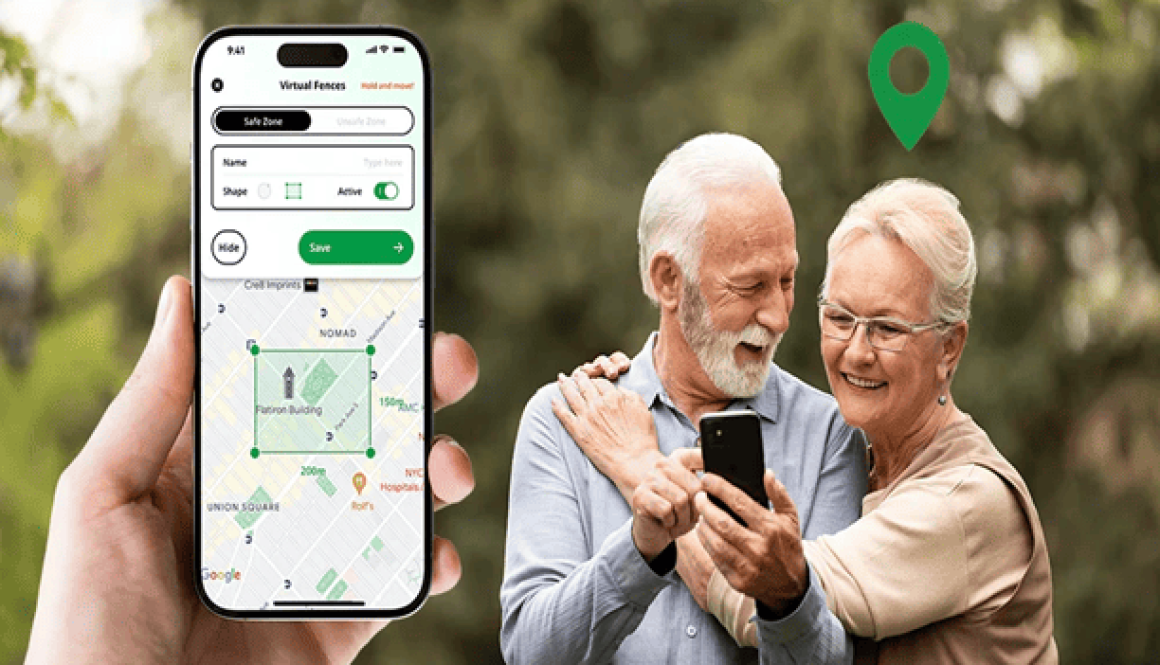
Geo-fencing utilizes GPS or cellular data to establish virtual boundaries (“safe zones”) around a physical location. If the monitored person leaves that boundary, an instantalert is sent to caregivers via a mobile app or text.
How Geo-Fencing Helps
Feature
Benefit
Custom Safe Zones
Set areas like home, backyard, or familiar parks
Real-Time Alerts
Get notified immediately when the senior steps out
Location Tracking
Pinpoint the exact GPS location for faster retrieval
Activity History
See movement patterns that may indicate increased risk
Emergency Button
Some devices allow the senior to send alerts themselves
When integrated with wearable tech like GPS-enabled watches or smartphone apps, geo-fencing offers an invisible layer of safety.
In the U.S., more than 11 million people provide unpaid care for individuals with Alzheimer’s. The emotional and physical toll is overwhelming. Technology like geo-fencing can ease that burden.
Case Example:
Linda, a caregiver for her 78-year-old mother, received a geo-fence alert one morning while at work. Her mother had opened the front gate and started walking. Within minutes, Linda was able to guide a neighbor to her location using live GPS, preventing what could have been a tragic outcome.
With features like geofencing and location tracking, the mySeniorCareHub app offers the most user-friendly interface. The best part of this app is that it’s free for users.
It’s Time to Use Location Tracking
Even if your loved one hasn’t wandered yet, certain signs suggest it’s time to consider geo-fencing:
They get confused in familiar surroundings
They’ve left the house without informing anyone
You find them awake or active at odd hours
They ask about going “home” when they’re already home
They’ve had one or more near-miss incidents
Proactively using location tracking can prevent a tragedy rather than reacting to one.
Addressing Privacy and Dignity
One concern caregivers often express is, ‘Will tracking invade their dignity?’
Here’s how to approach it:
Frame it as protection, not surveillance
Choose discreet devices that feel less intrusive
Explain the reasoning behind it compassionately
Most seniors, especially those in early stages, are willing to agree when they understand it keeps them safe.
The hours we lost Grandma were filled with fear, guilt, and helplessness. Had we known about geofencing and tracking, it could have ended differently.
Technology won’t stop Alzheimer’s. But it can give families the tools to respond faster, safer, and with more peace of mind. If your loved one is showing early signs, or even if they aren’t, don’t wait for the moment they walk out unnoticed.
Set a digital safety net. One alert could make all the difference.
We all want our elderly loved ones to live long and happy lives, but it is normal for them to need assistance to maintain a secure and fulfilling life as they age. As our loved ones grow older, ensuring their safety becomes just as important as supporting their independence. Studies show that two-thirds of elderly adults require help with one or more daily activities. Even though many seniors want to lead active, independent lives, daily outings can become dangerous due to the possibility of unexpected health problems like memory loss, falls, or fainting. This is where location tracking steps in.
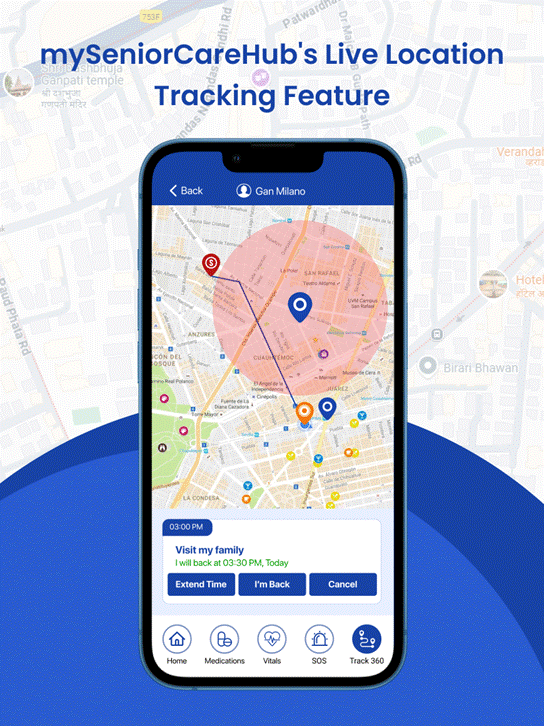
The mySeniorCareHub app offers a built-in location tracking feature that allows caregivers to monitor a senior’s real-time location, receive alerts if they exit safe zones, and respond quickly during emergencies. It’s not just about knowing where they are—it’s about acting when it matters most. Monitoring a senior’s whereabouts is crucial for timely assistance and comfort in the contemporary healthcare setting.
Situations in Which Location Tracking Is Beneficial
For good reason, seniors cherish their independence, but some medical conditions can subtly make everyday tasks risky. When certain medical conditions are present, it might not be as safe to take a stroll in the park, go to the market, or even just go outside for some fresh air. This is where location tracking goes from being a convenience to a potentially life-saving tool.
Elderly people suffering from dementia often experience confusion, memory loss, and difficulty recognizing familiar locations, including their own homes. One of the most common and concerning symptoms is wandering. Imagine this: a senior steps out for their usual evening stroll, but this time, they forget which path leads home. Minutes turn into hours, and panic sets in. Six out of ten individuals with dementia will wander at least once, making this a common occurrence. Unfortunately, some may not find their way back. That’s where mySeniorCareHub comes into play. With real-time location tracking and safe zone alerts, caregivers are notified immediately when a senior steps outside a defined perimeter. No frantic calls. No guessing. Just swift, calm, and effective action.
Parkinson’s is a progressive disorder that affects movement and balance. Seniors with Parkinson’s may experience sudden muscle rigidity, tremors, or a phenomenon known as “freezing,” where their body temporarily stops responding. A walk can turn into a standstill—the feet feel glued to the floor, mid-crosswalk, mid-step. Imagine this occurring when the individual is by themselves. Caregivers do not need to wait for a distress call when location tracking is used. If they observe unusual delays or stillness, they can check in right away. A minor incident can be kept from turning into a serious emergency with prompt outreach.
Cardiovascular Conditions: Stroke, Heart Attack, and Arrhythmia
Conditions like coronary artery disease, atrial fibrillation, and previous strokes increase the risk of sudden cardiac events. A senior may faint, lose balance, or become unresponsive without warning. These episodes are particularly dangerous if the person is alone or away from home.
The faster medical help arrives, the better the outcome, especially in strokes, where every minute counts to reduce brain damage. With real-time location tracking, family members or emergency responders can reach the senior without delay, avoiding critical loss of time during emergencies.”
With mySeniorCareHub, even if a senior can’t speak or reach their phone, their last known location is always visible. That’s huge. It’s the difference between delayed discovery and rapid rescue, something that’s especially critical when treating strokes, where “time is brain.”
Diabetes & Hypoglycaemia
Seniors with diabetes are prone to sudden drops in blood sugar, particularly if they’re on insulin or certain oral medications. Hypoglycaemia can cause dizziness, confusion, slurred speech, or even unconsciousness. The problem is that these symptoms can appear at any time, whether you are walking, shopping, or driving. If a senior with diabetes is discovered fainting or confused in a public setting, it might not be immediately clear to onlookers what is going on. However, mySeniorCareHub eliminates the need for guesswork for caregivers. The app helps them track their loved one’s route, spot delays, and reach them before things escalate. It’s like having a silent safety net always in place.
Epilepsy and Seizure Disorders
Though not as common in seniors, epilepsy and other seizure conditions can occur, especially due to brain injuries or post-stroke complications. A seizure can leave a person disoriented or unconscious in unfamiliar surroundings. Not all seniors with seizures get a warning. Some fall suddenly. Others recover with no memory of what just happened. And post-seizure confusion can be terrifying. If this happens outdoors, in an unfamiliar area, it could mean long delays in getting help—unless someone’s watching. With location tracking, families don’t have to wait for a call that may never come. They already know where to go.
Mental Health Conditions: Depression, Anxiety, and Social Withdrawal
Mental health challenges in older adults often go unnoticed. Seniors dealing with depression or anxiety may isolate themselves, leave the house without informing anyone, or avoid communication entirely. Some may go for long walks to clear their minds and forget to return, especially if they’re also dealing with early cognitive decline.Depression and anxiety don’t always look dramatic. Sometimes it’s just a senior skipping meal, avoiding calls, or walking off to be alone except they forget to come back. In such moments, location tracking offers a gentle layer of oversight. It provides loved ones with a discreet reassurance without interfering; it is a way to ensure a senior’s safety without having to check in all the time. And assistance is only a tap away if something does not feel right.
These aren’t rare scenarios. They happen every day to someone’s parent, someone’s grandparent, or someone’s partner. The good news? With technology like mySeniorCareHub location tracking, we’re no longer powerless in the face of uncertainty. We’re proactive, present, and prepared.
Location Tracking for Everyday Safety: Not Just for Emergencies
You don’t need a medical crisis to realize the value of location tracking. For many families, it is about finding peace of mind in the seemingly routine moments that can suddenly become unpredictable. Not all seniors are homebound. Many live active, independent lives. They go for morning walks, visit the market, attend religious gatherings, or simply enjoy a solo cup of tea at a nearby park. That autonomy is crucial. However, it also entails unspoken concerns for family members and caregivers.
What if they took a new route today and got lost?
How would they call for assistance if they slipped?
These aren’t dramatic fears. These are common worries, and location tracking helps close the gap between providing autonomy and guaranteeing security. With mySeniorCareHub, families can see where their loved one is in real time. They can check in if something seems strange, such as a longer stay than usual. It’s not about controlling or monitoring. It’s about staying connected quietly like a digital safety hand always ready in the background.
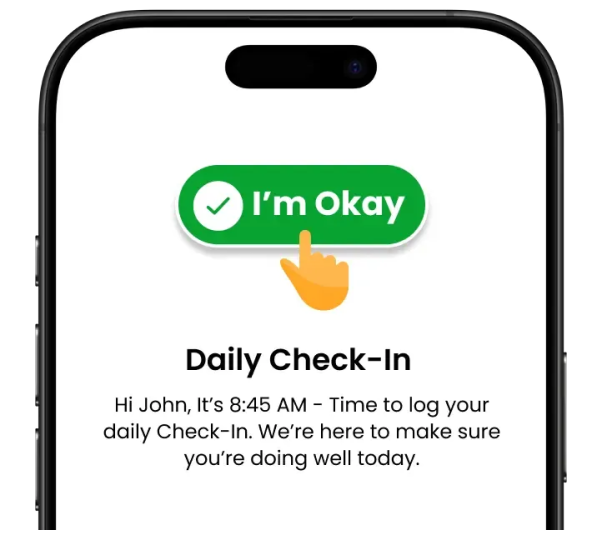
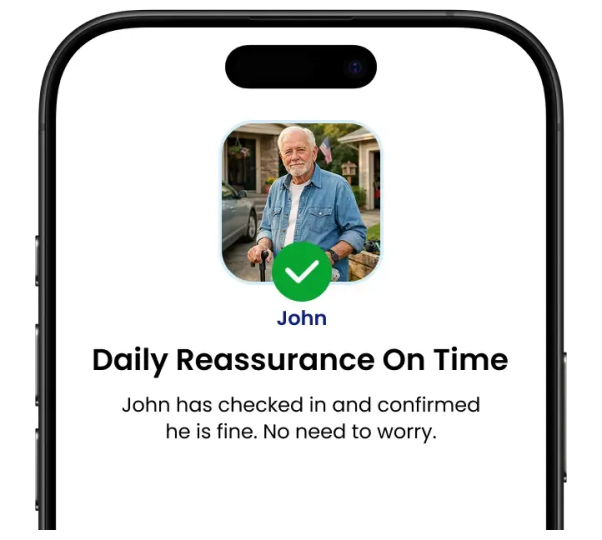
The bottom line is that location tracking is about assurance, not illness, even for healthy, self-sufficient seniors. It adds a layer of care that doesn’t intrude but stands ready when needed.


 Fast & Accurate
 No
No