mySeniorCareHub: Best App for Parients Monitoring and Taking Care of Elderly Parents
App for Parents Monitoring and tracking their location for Safety is nessacery for everyone.
As our parents age, our roles reverse.
Suddenly, we’re the ones who check if they’ve taken their meds…
If they reached home safely from the evening walk.
If they remembered to eat lunch.
If they’re okay after that faint headache they mentioned yesterday.
But with jobs, kids, cities, and sometimes continents between us, how do we do it all?
That’s where mySeniorCareHubcomes in. This isn’t just an app. It’s your way of being there, even when life doesn’t allow you to. App for Monitoring and Taking Care of Elderly Parents
Why This App Is a Lifesaver for Modern Families
Unlike generic health trackers, mySeniorCareHub is built specifically for elder care. It thinks like a caregiver. It feels like a family member.
Let’s break down what it offers—and why each feature can make a real difference:
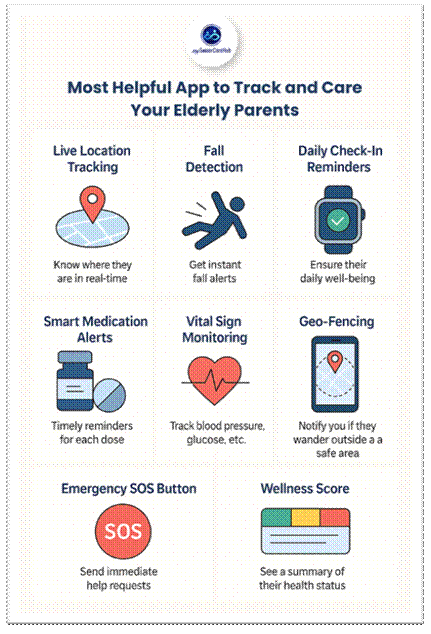
A single tap alerts family and emergency contacts—with exact location. Fast, reliable, and possibly lifesaving.
Wellness Score
A smart visual summary of their current health—colour-coded and easy to understand for everyone.
Story from Real Life: How the App Turned into a Lifeline
Ritika, a marketing manager in Bangalore, installed MySeniorCareHub for her father, who had recently started forgetting his medications. One evening, he had a minor fall while feeding the dog. The fall detection features immediately alerted her, and she coordinated with a neighbour to reach him.
“It wasn’t serious, thank god,” Ritika says. “But I wasn’t even in the same city. Without the app, I wouldn’t have known for hours. That changed everything for me.”
Built for Them. Managed by You.
Worried that your parents won’t be able to use it?
Don’t be. MySeniorCareHub was designed with seniors in mind:
Large, readable fonts
Minimal steps to complete tasks
Voice assistance for ease
Remote control: You can set up everything from your phone
They don’t need to be tech-savvy. You handle the setup. They just tap, click, and live freely.
Not only for emergencies!
Yes, this app shines during emergencies. But the real magic is in the everyday things it helps with:
You’ll know if your dad skipped his morning walk.
You’ll get a summary of your mom’s weekly blood pressure trends.
You’ll be able to sleep at night knowing they pressed the “I’m okay” button before bed.
Elders prone to falls or chronic health conditions
Anyone who wants a safety net for their loved ones
Being Present, Even from a Distance
We can’t pause our lives. But we also can’t ignore the growing needs of our ageing parents.
MySeniorCareHub lets you stay connected, informed, and prepared—without being intrusive or overbearing. Because care doesn’t always need to be loud or visible. Sometimes, it just needs to be consistent.
It’s time to take a step toward smarter elder care. Because love deserves tech that understands it.
“Is she okay?” “Did she take her meds?” If you’re a long-distance caregiver, these questions are a constant source of anxiety. Between work and life, calling every two hours is impossible, and most seniors value their independence too much for that anyway.
I realized a missed text isn’t a crisis; it’s just life. I can’t be everywhere at once, but I can be proactive. That’s why I turned to smart daily check-ins: a digital safety net that catches the whispers before they become screams.
Silent Struggles of Long-Distance Caregivers
Caring for a senior remotely comes with heavy emotional weight: the anxiety when they don’t respond, the guilt when you’re stuck in a meeting, and the helplessness when distance separates you.
When a parent lives alone, the early signs of trouble are often invisible:
Skipping a meal because they feel “a bit off.”
Forgetting medication due to slight disorientation.
Dizziness that gets brushed off as “just being tired.”
Sleeping longer than usual.
Without a system, these warning signs go unnoticed until they become emergencies.
How the Safety Check-In App Makes the Invisible, Visible
With mySeniorCareHub App, I stopped guessing and started knowing. It bridges the gap between independence and safety without making my grandmother feel like she’s under 24/7 surveillance.
App Features
What It Does?
Why It Matters?
One-Tap Check-In
Senior taps a button to confirm they are safe.
Confirms mobility and wellness in seconds.
Missed Check-In Alerts
Notifies you immediately if they miss their window.
Spot early signs of falls, dizziness, or inactivity.
SOS Emergency Alert
An Immediate alert is sent to your phone with GPS location.
Ensures medical help is sent even if you’re unreachable.
Medical Importance of Proactive Monitoring
Medical issues in seniors, like dehydration, low blood pressure (hypotension), or low blood sugar, don’t always start with a bang. They start with a missed routine.
A Missed Check-In: Could be the first sign of a “long-lie” after a fall or sudden fatigue.
Safety Without Surveillance: Unlike intrusive cameras, the app only shares location and status during an alert, respecting their privacy while ensuring their safety.
Catching these moments early gives you time to intervene to call a neighbor, adjust a routine, or send emergency services before a situation escalates.
You Don’t Have to Call 5 Times a Day to Be a “Good” Caregiver
There is so much guilt tied to long-distance care. We worry that using technology means we’re replacing human connection. In reality, it’s the opposite.
mySeniorCareHub app doesn’t replace love; it supports it. It handles the “Are you okay?” part of the day so that when you do call, you can talk about things that matter like family stories or what they had for lunch… rather than running through a medical checklist.
Final Thought
I still talk to my grandmother every evening. But now, our conversations are more about her day and less about my fears. I already know she’s okay because the check-in app told me so hours ago.
If you’re a working caregiver, you aren’t failing. You’re juggling. Let a safety check-in app be your eyes and ears when you can’t be there in person.
With 24/7 Emergency Dispatch + Daily Safety Confirmation
Imagine this: your mother, living alone, collapses from a stroke. She can’t reach her phone, and no one is around. The clock starts ticking. In cases like this, every minute without medical alert increases the risk of permanent brain damage or death. It’s a chilling scenario, but sadly not uncommon among elderly individuals. As families juggle work, caregiving, and long-distance living, this question becomes frighteningly real. This article examines howemergency alerts and real-time location tracking via mySeniorCareHuband similar platforms can help close the gap between immediate care and isolation.
Stroke, cardiac arrest, and diabetic complications are leading causes of morbidity in the elderly. What makes them life-threatening is how fast they escalate.
Medical Event
Critical Time Window
Outcome of Delayed Help
Stroke
Within 60 minutes (Golden Hour)
Increased risk of paralysis, cognitive decline
Cardiac Arrest
Within 4-6 minutes
Permanent brain damage, death
Diabetic Hypoglycaemia
Within 15-30 minutes
Seizures, unconsciousness, coma
These emergencies don’t wait. Yet most elderly individuals, especially those living alone, are unprepared to signal for help quickly.
Barriers Faced by Families and Seniors Even attentive families face limitations:
Elderly loved ones may be reluctant to call for help.
Phones may not be reachable during an emergency.
Caregivers can’t always be present.
Many seniors downplay early symptoms, losing precious time.
These challenges call for an intelligent system that doesn’t rely solely on the patient raising an alarm.
With modern digital health tools, we no longer rely entirely on verbal communication during a crisis. Here’s how location-enabled platforms like mySeniorCareHub provide an active safety net:
Mrs. Meena, 74, lives in Chandigarh. One afternoon, she experiences slurred speech and collapses. Her mySeniorCareHub device detects a fall and triggers an emergency alert. Her son receives a push notification with a live GPS link. Within 3 minutes, the system contacts the local ambulance service with her coordinates. Medical help arrives in under 12 minutes. Doctors later confirmed she was treated well within the golden hour.
It’s the power of proactive care.
Medical Perspective: Why It Works
Neurological Events (e.g., Stroke): Early thrombolytic therapy within 3 hours drastically improves outcomes. Real-time alerts accelerate this timeline.
Diabetic Emergencies: Immediate response can prevent coma and hospitalisation.
Cardiac Arrest: CPR or defibrillation within the first 6 minutes significantly increases survival rates.
With location tracking, these interventions are no longer delayed due to logistical confusion or unreachable phones.
Emotional and Practical Reassurance for Families The emotional toll of caregiving can be heavy. Constant worry, guilt, and fear of missing an emergency moment can drain families. Real-time tracking provides:
Peace of Mind: You’re always informed, no matter where you are.
Autonomy for Elders: Seniors retain independence while staying safe.
Faster Emergency Response: Coordinated care teams can act without waiting for human-initiated calls.
Conclusion A stroke, a fall, or a diabetic episode doesn’t have to end in tragedy. Technology today gives us tools that didn’t exist a decade ago. With mySeniorCareHub’s real-time tracking and emergency alert system, you’re never truly far from your loved one’s side. It transforms helplessness into readiness.
In moments where every second counts, knowing where your parent is—and that help is already on the way—is more than peace of mind. It’s lifesaving.
Explore the emergency features and real-time monitoring tools of mySeniorCareHub. Because when your loved one is in danger, you deserve to know—and act—in real time.
The “Silver Tsunami” is here, with 10,000 Americans turning 65 every day. For millions of families, the challenge is balancing a senior’s independence with their safety.
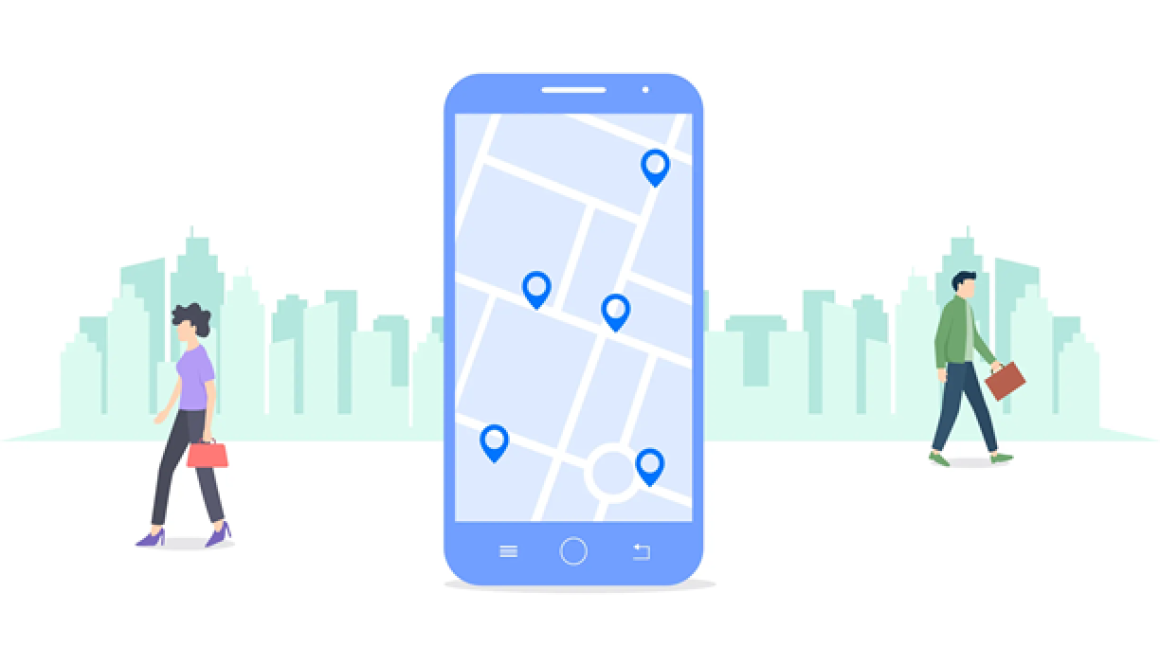
A GPS tracking app is a modern caregiver’s best tool. Rather than a “spy” device, it serves as a digital safety net, allowing aging parents to keep their freedom while giving families much-needed peace of mind.
Growing Need for Location Awareness
The statistics regarding senior safety in the U.S. are sobering. According to the Alzheimer’s Association,6 in 10 people living with dementia will wander at least once.
If not found within 24 hours, up to half of those who wander risk serious injury or death. Even for seniors without cognitive impairment, physical emergencies like falls, the leading cause of injury among older adults, can happen anywhere.
A GPS tracking app ensures that “anywhere” has a specific set of coordinates for emergency responders.
4 Reasons why a GPS Tracking App for Seniors is Essential
1. Rapid Response During Elopement
In the senior care industry, “elopement” refers to a senior wandering away from a safe environment. When a loved one goes missing, every minute counts.
A GPS app provides real-time location data, reducing search times from hours to mere minutes.
2. Geofencing: Virtual Safety Perimeter
Modern apps allow you to set Geofences– virtual boundaries around a home, a neighborhood, or a doctor’s office.
If your loved one crosses these boundaries, your phone receives an instant alert. This allows for “passive monitoring,” where you only intervene when a potential risk is detected.
3. Empowerment through Independence
Many seniors resist care because they fear losing their autonomy. A GPS tracking app is a compromise that works.
It allows a senior to walk to the local park or visit a friend without a chaperone, knowing that help is just a tap away if they become disoriented or fatigued.
4. Critical Support for “Long-Distance” Caregivers
With many adult children living in different states from their parents, physical check-ins aren’t always possible.
A tracking app bridges the geographical gap, allowing a daughter in New York to ensure her father in Florida returns home safely from his grocery shopping.
Key Features to Look For
When selecting a GPS tracking app for seniors, look for these industry-standard features:
Real-Time Updates: Location accuracy within a few yards.
Battery Efficiency: Apps that don’t drain the senior’s phone quickly.
SOS/Emergency Button: A simple interface for the senior to signal for help.
Location History: To identify patterns or frequent stops that might indicate a new routine or a problem.
How Technology Translates to Safety
A GPS tracking app for seniors isn’t just about dots on a map; it’s about replacing “What if?” with “I know.” Here is how the specific features of mySeniorCareHub solve the most common challenges in senior care:
Caregiver Challenge
App Features
Real-World Benefits
Wandering Risk
Smart Geofencing
You get an instant alert the moment they leave their “Safe Zone,” allowing you to intervene before they get lost.
Golden Hour
One-Touch SOS
In a fall or medical emergency, the senior can alert the entire family in seconds; no dialing required.
Coordination Fatigue
Multi-User Sync
No more “Who checked on Mom?” phone calls. The whole family sees the same real-time status updates.
Battery Anxiety
Low-Power Tracking
The app is optimized to stay active without draining the phone, ensuring the safety net is always “ON.”
Memory Gaps
Location History
Identify unusual patterns, like a senior visiting the pharmacy three times in one day, which may signal cognitive decline.
Secure Your Peace of Mind with mySeniorCareHub
If you are looking for a reliable, user-friendly solution designed specifically for the needs of American families, look no further than mySeniorCareHub.
Our GPS Tracking App for Seniors & Aging Parents provides the perfect balance of independence for them and intelligence for you. From customizable safe zones to instant emergency notifications, we ensure that your loved ones are never truly alone, even when they are out exploring.
Don’t wait for a “what if” scenario to become a reality. Protect your loved one’s independence and your own peace of mind today.
Frequently Asked Questions: GPS Tracking App for Seniors
How do I introduce a GPS tracking app without making my parents feel “monitored”?
The key is framing. Instead of “tracking” or “surveillance,” present the mySeniorCareHub app as a “Digital Safety Net.” Focus on the benefit to you; explain that having the app on their phone reduces your anxiety and allows you to support their independence longer.
Many seniors are happy to use the technology once they realize it provides a direct SOS link to their family in case of a fall or disorientation.
Is a smartphone app better than a dedicated GPS wearable device?
For most active seniors, yes. Wearable smartwatches or lockets can carry a social stigma that leads to seniors “forgetting” to wear them. However, most American seniors already carry a smartphone to stay in touch with grandkids or use maps.
By using a GPS tracking app for seniors, you utilize a device they already carry, ensuring higher compliance and providing better location accuracy through a mix of GPS, Wi-Fi, and cellular data.
Can a GPS app actually help if my loved one has “Sundowning” symptoms?
Absolutely. “Sun-downing”- a state of confusion that hits late in the afternoon is a primary cause of wandering in those with early-stage dementia. Unlike static alarms, a GPS app with Geofencing acts as an early warning system.
It alerts you the moment they cross a digital boundary during these high-risk hours, providing the “Real-Time Intelligence” needed to reach them before they become truly lost or reach a high-traffic roadway.
You find yourself at the doctor’s office with your elderly parent, and the familiar question arises — “Can you tell me their current medications?” You hesitate, trying to remember the names, dosages, and schedules. Was it 5 mg or 10 mg? Morning or evening? Does this sound familiar?
This moment of confusion is more common than we admit. Many caregivers are balancing duties, appointments, and routines. It becomes challenging to keep track of everything when medications are added, stopped, or changed daily. The problem isn’t just about forgetfulness. A missing detail can cause incorrect prescriptions, repeated medications, or even harmful drug interactions.
These minor mistakes can have serious repercussions for elderly patients who are managing several medical conditions, such as diabetes, hypertension, or arthritis. Having an easy-to-use, dependable, and immediately available digital record can help.
That is exactly whatmySeniorCareHubprovides: a more intelligent method of storing and communicating medication information to physicians, lowering caregiver stress, and assisting seniors in receiving safer, higher-quality care. Digital Medication Log App
Relying on memory or handwritten notes to track medications may seem manageable, but it is often unreliable, particularly for seniors with multiple prescriptions. Paper lists can get misplaced, and verbal updates are subject to errors.
Additionally, caregivers may not always be present during consultations. Digital records effectively address all these issues simultaneously. They provide an accurate, up-to-date description of each drug, including dosage, timing, and purpose.
This facilitates informed decision-making by doctors without delays or confusion. More importantly, they help mitigate serious medical risks. For instance, when a doctor knows exactly what medications a patient is taking, they can avoid prescribing something that might interact adversely. This helps reduce the likelihood of drug-drug interactions (DDIs), overdosing, or duplicate medications—common concerns among elderly patients with complex treatment plans.
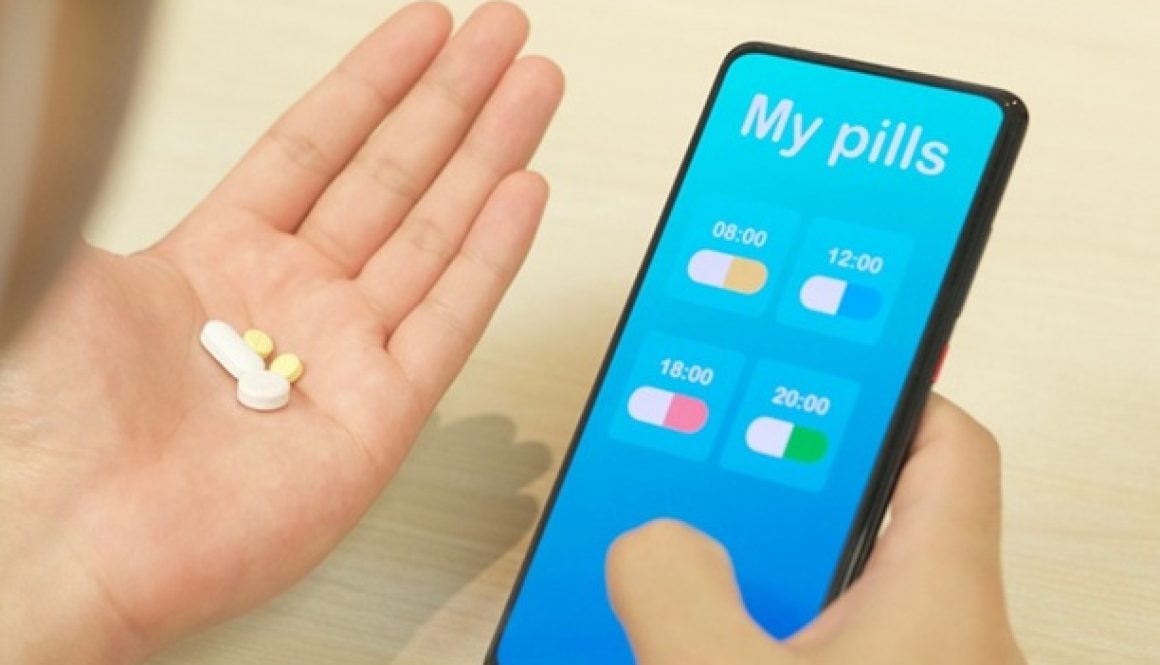
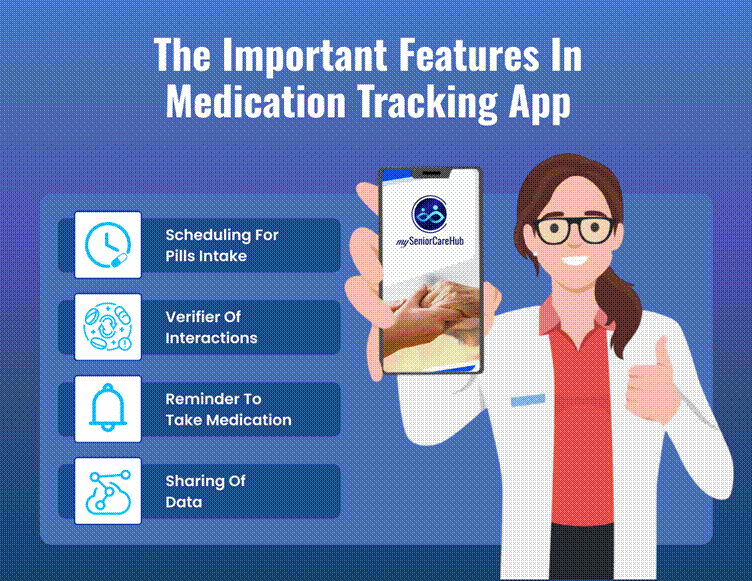
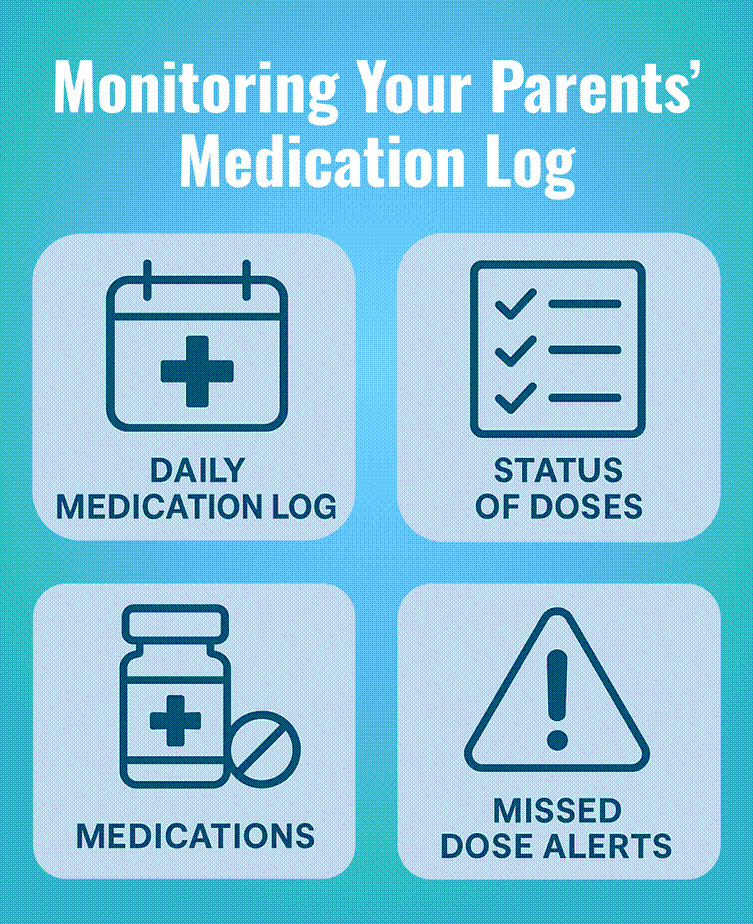
Maintaining a well-organized digital medication record promotes medication adherence. You can set reminders, track missed doses, and ensure treatment stays on track, especially when multiple caregivers are involved.
When most needed, mySeniorCareHub allows for safe, well-organised, and immediate access to medication history.
Benefit of mySeniorCareHub – App for Prescription List & Medication Activity Log
What if managing prescriptions didn’t require last-minute phone calls home, sticky notes, or WhatsApp messages? Everything is organized in one place with mySeniorCareHub. Keeping your loved one’s medication log up to date and easily shareable is straightforward and secure with this app, which was designed with real caregiving challenges in mind.
It only takes a few taps to:
Add/update meds with timing & dosage
Set & receive reminders
Email/WhatsApp logs to doctors
Track history & stop duplicates
This feature is smart healthcare in addition to being convenient. mySeniorCareHub facilitates the sharing and accessibility of medication logs, which helps physicians make safer and faster decisions, particularly in an emergency or follow-up.
You can use the same log to coordinate care with other family members or nurses, even if you live far away. It keeps everyone in agreement, lessens misunderstanding, and enhances medication adherence.
From Clinic to Comfort: How It Simplifies Caregiving – Share Medical Records with Doctor in One Click
Being a caregiver isn’t easy. The constant need to remember medical information, particularly prescriptions that change with every consultation, is often a source of additional stress.
mySeniorCareHub takes this load off your shoulders by giving you a central place to manage everything medication-related.
Whether you’re at the clinic, at work, or out of town, you can instantly:
Pull up the latest prescription list
Share it with the doctor during appointments.
Coordinate with other caregivers or nursing staff.
Keep a consistent record of medications over time.
When every healthcare provider has access to accurate, updated information, it leads to better diagnoses, safer prescriptions, and faster decisions. With mySeniorCareHub, caregiving becomes less about remembering everything and more about confidently managing your loved one’s health.
Even minor adjustments can significantly impact senior care. A missed dose, an unclear prescription, or a forgotten update can all quickly harm one’s health. Therefore, having the appropriate tools is not only beneficial but essential.
With its easy-to-use medication record management and sharing feature, mySeniorCareHub revolutionises how doctors and caregivers interact. By keeping everyone informed, it enhances doctor-patient communication, medication safety, and trust.
Providing your loved one with a clear, up-to-date medication log with a tap not only simplifies the doctor’s job but also increases the likelihood that they will receive safe, well-managed care.
Shift your focus from remembering pills to truly caring. Use mySeniorCareHub now to make every checkup less stressful.
This was the third time in a week that 78-year-old Nancy had asked the same question.
Nancy lives in Ohio, and like many older adults, she values her independence. Her daughter, Emma, visits every weekend. One Saturday, Nancy mentioned feeling dizzy and had trouble keeping her balance. Emma checked the medicine cabinet and noticed two pills of the same kind had been taken for the day instead of one. That same evening, they ended up in the ER. Diagnosis? Accidental overdose.
This kind of situation is way more common than you might think. And it doesn’t just happen to people living alone. Overdose in seniors is a quiet but dangerous problem. One that stems from forgetfulness, multiple medications, and a lack of timely support.
Let’s talk about why it happens, how to catch the signs early, and how using tools like mySeniorCareHub can keep our loved ones safe.
As people get older, their bodies and brains change. That’s natural. But that also means managing medications becomes harder. Here are a few reasons why overdoses happen:
● Memory slips (especially in dementia) – It’s easy to forget if you took your meds already. Conditions like Alzheimer’s or mild cognitive impairment make it worse.
● Too many prescriptions (called “polypharmacy”) – Most seniors take 5 or more pills a day. That’s a lot to keep track of! One missed dose or extra pill can throw things off.
● Vision problems – Tiny print on bottles. Similar-looking pills. It’s a recipe for mix-ups, especially in low light.
● Shaky hands, arthritis, or poor grip – For someone with mobility issues, it can be difficult to cut tablets in half and open bottles.Changes in the body with age – The liver and kidneys slow down with age. That means the body clears drugs more slowly, and even small overdoses can become toxic.
This app was created with care and with seniors in mind. It is not about introducing more technology into their lives. It is about making everyday tasks easier and safer.
If Grandma skips a dose or takes two, her daughter gets a ping.
It is also possible to connect with a nurse or senior care companion.
Medication history at a glance
Helpful for doctor visits.
Tracks patterns: “Are they skipping night meds?”
Tracks cognitive health
Picks up on increasing forgetfulness.
It can even indicate whether memory issues are worsening.
Emergency alerts
If a senior has a sudden drop in blood pressure or other unusual vital signs, an alert is sent.
GPS helps emergency teams locate them fast.
Other Simple Fixes That Work
Technology is amazing, but even small daily changes can help avoid overdose:
✔ Use weekly pill organizers
Simple, labelled containers can reduce mistakes. Some even beep!
✔ Get regular “med checks.”
Ask your doctor or pharmacist to review all meds. You’d be surprised how many can be reduced or stopped.
✔ Use voice reminders
Especially in their voice or a loved one’s voice. Makes it feel more personal.
✔ Talk openly
Create a routine: “After breakfast, let’s take meds together.”
✔ Colour-code bottles
The sticker system can help red = morning, blue = evening.
Let’s Be Real for a Second…
No one wants to feel like they’re being watched. Seniors want their dignity, not babysitting. The beauty of mySeniorCareHub is that it helps quietly in the background.
It supports independence. It provides safety without intruding.
And most importantly, it brings peace of mind to families who can’t always be there in person.
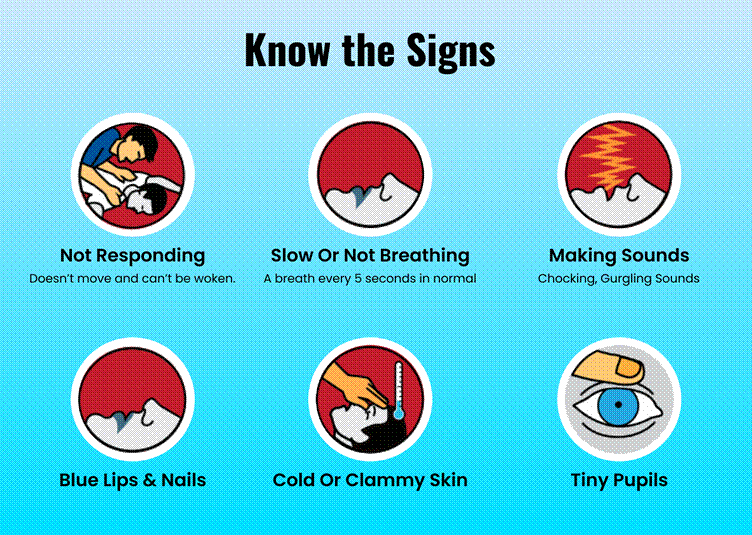
When to Call 911
If your loved one:
Is passed out or extremely drowsy
Has trouble breathing
Is confused or hallucinating
Has seizures or chest pain
Call for help immediately. Bring any pill bottles or a list of medications with you.
Final Words from the Heart
We all want our parents and grandparents to live with dignity, comfort, and safety. But accidental overdoses can take that away in an instant.
“Did Dad take his cholesterol pill today?” You’re not alone if you’ve ever thought that while stuck in traffic or at a meeting. Countless adult children who live far from their elderly parents experience a silent, everyday worry: Will they be able to take their medications without my help?
In today’s busy world, we’re often separated by cities, states, or even countries from the people we love the most. But thankfully, technology is finally catching up with our emotions. A simple health app can now connect you to your parents’ care in real time, eliminating the need for phone calls and guesswork.
Let’s explore how a smart medication tracking app can give you and your parents peace of mind. All it takes is one download and a whole lot of love.
Take Emily, a 34-year-old software engineer living in Austin, Texas. Her parents, both in their late 70s, reside alone in Des Moines, Iowa. Her father manages diabetes and high blood pressure with four different medications. Meanwhile, her mother, recently diagnosed with arthritis, takes pain medication along with calcium supplements.
They kept telling me not to worry, but I knew they were struggling to keep track of all the pills. Once, Dad accidentally took a double dose. It scared me. That’s when I started looking for ways to stay more involved without hovering over them.
Whether it’s managing chronic illnesses, coordinating with caregivers, or simply making sure your loved one doesn’t miss their morning meds, it’s tough to do from a distance.
Imagine this: You’re in New York. Your mom is in Florida. It’s 8 a.m., and you receive a quiet notification: “Metformin – taken at 7:58 AM.” You sigh in relief; she’s on track. There’s no need to call or worry.
That’s the magic of real-time medication tracking. These apps allow your parents to mark when they’ve taken each medication. As a family member, you are notified immediately, so you are always up to date, no matter where you are.
Notes and symptoms your parent can log (like “felt dizzy” or “skipped breakfast”)
It provides a comprehensive picture of their daily medication health, not just data.
Why This Matters More Than You Think
Did you know that 1 in 5 older adults in the U.S. are hospitalized due to medication errors? It’s not just about forgetting a pill here or there. Missing, doubling, or mixing up medications can lead to serious consequences like:
Blood sugar crashes
High blood pressure spikes
Dizziness-related falls
Dangerous drug interactions
When you use a medication tracker, you’re actively preventing those risks.
The most common query we receive is, “But my dad hardly ever uses his smartphone. “ Will he even open the app?”
In a nutshell: Yes. These applications are intended for senior citizens and include:
Big buttons
Voice reminders
Simple tap-to-confirm features
Optional auto-logging using smart pillboxes
Minimal navigation needed
It’s like setting up a digital assistant that reminds them to take their medications on time and keeps them updated.
Another Real-World Story: John & His Mom in Michigan – Medication Adherence
John lives in San Francisco. His 72-year-old mom, a retired teacher, lives in Grand Rapids. She has early-stage memory loss and takes six pills a day.
I didn’t want to call her every few hours just to ask, ‘Did you take your pills?’ It felt intrusive. But once we set up the app, it gave both of us freedom. She loves feeling independent. I love not worrying every evening.
The app does more than just manage medication for families like John’s; it improves relationships by easing the burden of having health-related conversations.
Additional Features That Seem Like a Bonus
Most good medication tracking apps also offer extra tools that help both caregivers and seniors:
Feature
Benefit
Add multiple caregivers
Siblings or home nurses can join the care circle
Weekly reports
Share with doctors for better treatment decisions
Vitals tracker
Log blood sugar, BP, and heart rate in one place
Emergency alerts
Sends location and alerts in case of a skipped med or abnormal vital signs
Sync with smart devices
Connect with smart pillboxes or watches
So, it’s not just a pill tracker. It becomes a healthcare hub for your parent.
Medication Adherence is Self-Empowerment
The goal isn’t to control your parent but to empowerthemtoremainoncourse. Many seniors wish to take their medications but may forget because of typical age-related changes. By providing them with a gentle tech reminder, you assist them in maintaining their health withoutfosteringdependence.
Caregiving in the modern era is quiet, considerate, and incredibly human.
Final Takeaway: Give Yourself the Gift of Peace
Caregiving isn’t about sacrifice. It’s about smart choices that reduce stress for both sides. While it won’t fix every issue, a medication tracking app might ease your most significant daily concern.
No more calls to confirm doses
No more guesswork
No more guilt
Just the comfort of knowing they’re okay.
Download a medication tracking app today for your parents. Set it up together over a video call or weekend visit. It’s one of the simplest ways to show love—and it might save a life.
As we grow older, our bodies naturally slow down, and so does our immune system. This decline, known as immunosenescence, makes seniors more vulnerable to infections, slower wound healing, and chronic diseases. According to the National Institute on Aging, immune cells in older adults respond less efficiently to new threats, which is why even common colds or flu can feel harder to recover from. But here’s the good news: science says you can strengthen your immune system at any age. You can help your body fight back stronger and feel better every day by adopting a few easy, everyday habits, such as eating healthily, exercising, and getting enough sleep. We will look at some strategies to help boost your immune system as you age. We will also look at tools like mySeniorCareHub, which can be a useful partner.
Why Does Immunity Decline with Age?
The immune system, our body’s defence mechanism, deteriorates as we age. It consists of unique cells that aid in healing and fighting infections, such as white blood cells and T-cells. However, as we age, the body produces fewer of these cells, and their functionality decreases. Consequently, infections are more likely to occur, making recovery more challenging.
What Changes with Age
What It Means
Fewer T-cells are made (due to a shrinking thymus)
The body responds more slowly to new infections.
Bone marrow slows down (fewer white blood cells)
The immune system takes longer to fight off illness.
Higher inflammation (known as “inflammaging”)
Chronic inflammation further weakens immunity.
Weaker vaccine response
Older adults may need regular boosters for better protection.
Research published in Nature Reviews Immunology shows that both innate and adaptive immunity are affected by age. Fortunately, following the right daily routine can support and strengthen your immune system even as you age.
Tips to Boost Your Immune Health
Tip 1: Eat a Rainbow of Fruits and Vegetables
A colourful plate means a variety of nutrients, and that’s exactly what your immune system needs. Brightly coloured fruits and vegetables are packed with antioxidants, vitamins (like A, C, and E), and minerals (like zinc and selenium), all of which help protect your body and fight infections. Studies show that older adults who eat more fruits and vegetables tend to have stronger immune responses and fewer infections. Try to eat at least four or five different coloured fruits or vegetables every day, such as beets, oranges, tomatoes, spinach, and carrots.
Tip 2: Stay Active with Regular Exercise
Exercise is a powerful tool for keeping your immune system strong and healthy. Even light activities can boost your immune system and help you stay protected against illness.
Improves blood circulation: Regular exercise helps blood flow more easily, allowing immune cells to travel throughout the body and fight infections more effectively.
Reduces inflammation: Physical activity lowers inflammation, which is often linked to a weakened immune system.
Boosts white blood cell production: Regular exercise can help increase the production of white blood cells, the body’s natural defence against pathogens.
Lowers the risk of chronic diseases: Conditions like diabetes or heart disease can weaken immunity, but staying active can help manage and prevent these.
Tip 3: Prioritize Quality Sleep
Getting enough sleep is essential for a strong immune system. While you rest, your body works to repair and strengthen its defences. When you don’t sleep enough, your immune system’s ability to fight off infections is weakened, leaving you more prone to illness.
Try to get between 7 and 9 hours every night. Establishing a relaxing bedtime routine, which includes reading a book, avoiding screens, and keeping your bedroom quiet and cool, can help you sleep better.
Tip 4: Manage Stress Effectively
Chronic stress can weaken your immune system, making it harder for your body to defend itself against infections. When you’re under stress, your body releases stress hormones like cortisol, which can suppress the function of whiteblood cells—the body’s primary defence against illness. Long-term stress can also lead to increased inflammation, a factor that can worsen conditions like psoriasis, an autoimmune disease in which the immune system mistakenly attacks healthy skin cells, resulting in red, scaly patches. Stress has been shown to trigger flare-ups in psoriasis, making it even more important to manage stress effectively to avoid aggravating such conditions. You can enhance your immune system, reduce inflammation, and lessen stress by engaging in deep breathing, mindfulness, and scheduling hobbies or physical exercise.
Tip 5: Optimize Vitamin D Levels for Immune Activation
Vitamin D plays a crucial role in activating the immune system. AdeficiencyinvitaminDislinkedtoaheightenedriskofinfectionsandautoimmuneconditionssuchasrheumatoid arthritis and multiple sclerosis.
Vitamin D supplementation may reduce the risk of respiratory infections, such as the flu and pneumonia, particularly in individuals with low baseline levels of the vitamin, according to a study published in The Lancet. Due to decreased skin synthesis and reduced sun exposure, seniors often have lower vitamin D levels.
Ensure you are obtaining sufficient vitamin D by spending time in the sun and consuming foods rich in vitamin D, like salmon, fortified dairy products, and egg yolks. Supplementation may also be advised, with 800–1000 IU of vitamin D recommended daily, especially for those with low levels.
Tip 6: Support Your Gut Microbiome for Immune Defence
Did you know that most of your immune system lives in your gut? Your stomach and intestines not only digest food but also aid in the body’s defence against infections. This is because your gut’s beneficial bacteria communicate with and support your immune cells.
When the gut is healthy and full of these helpful bacteria, your body can fight infections, reduce swelling (inflammation), and even respond better to vaccines. But when there’s an imbalance—too many bad bacteria or not enough good ones—it can lead to problems like more infections, allergies, or even diseases like diabetes and digestive issues.
Here’s how to keep your gut strong:
Eat fermented foods like curd, buttermilk, and pickles—they give your body good bacteria.
Probiotics and Prebiotics: These marketed formulations helps to strengthen the immunity.
Add fibre-rich foods like fruits, oats, dal, and salad to feed the good bacteria.
Avoid too much junk food and unnecessary antibiotics, which can harm your gut health.
Tip7: Keep Inflammation in Check with Omega-3s
As we age, our body tends to stay in a state of low-grade chronic inflammation, which weakens the immune system over time. Numerous age-related illnesses, including cancer, heart disease, arthritis, and Alzheimer’s, have been connected to this kind of inflammation.
One way to reduce this harmful inflammation is by eating foods rich in omega-3 fatty acids. Omega-3s help balance the immune system, reduce swelling in the body, and improve the function of white blood cells, especially B cells and T cells that help fight infections.
Some great sources of omega-3s include
Flaxseeds, chia seeds, and walnuts (great vegetarian options)
Soybeans and canola oil
If you’re non-vegetarian: fatty fish like salmon or mackerel (at least twice a week)
Omega-3 supplements, after consulting your doctor
Wrapping Up: Small Steps, Stronger Immunity
Our immune systems may alter as we age, but that does not mean we cannot remain safe and healthy. Seniors can greatly strengthen their immune systems by adopting wise, scientifically supported lifestyle choices like eating a balanced diet, getting enough sleep, exercising, and managing stress.
You do not have to do it alone, either. mySeniorCareHub, your daily health companion, can gently remind you to take your supplements, go for a walk, or even just make sure you are drinking enough water. The secret to long-term immune support is consistency, and these little prods can have a significant impact.
Start slowly, maintain your composure, and remember that no matter your age, your body can still repair, defend, and thrive.
Your health is your strength. Nurture it daily, and it will take care of you.
For many older adults, taking medicines is a part of everyday life. Whether it’s a tablet for blood pressure, a capsule for diabetes, or drops for glaucoma, these small doses keep chronic conditions under control. But managing multiple medications can be tricky.
A missed morning dose, a mix-up between two similar-looking pills, or taking medicine on an empty stomach instead of after eating—these may appear to be minor mistakes, but for older adults, they can result in significant health complications. Issues like sudden falls, dizziness, confusion, or dangerous drug interactions are often traced back to simple medication errors.
The World Health Organization states that unsafe medication practices and errors are among the main causes of harm and preventable injury in healthcare systems worldwide. Seniors, especially those managing more than one illness, are among the most affected. The good news? With the correct information, prompt assistance, and intelligent systems in place to direct daily activities, most of these errors can be avoided.
In addition to wisdom, aging also brings about changes, particularly in the way our bodies react to medications. The liver and kidneys, which aid in the body’s drug removal, may not function as well as they once did. This means medicines can stay longer in the system, increasing the risk of side effects or toxicity if not taken correctly.
Add to that the reality that most seniors take five or more medications daily—a condition known as polypharmacy. Managing so many pills, often at different times of day and with specific instructions (before food, after food, with water, avoid sunlight), can be confusing even for someone with a good memory. For seniors dealing with early-stage dementia, mild cognitive impairment, or simple forgetfulness, the risk of mistakes multiplies.
Common challenges include in Senior Problems:
Reduced Vision: difficult to read small labels or distinguish similar packaging
Hearing Loss: missing verbal instructions from doctors or pharmacists
Swallowing difficulties: frequent with large tablets or certain capsule types
Living alone: no one around to cross-check doses or notice changes in behaviour
A study published in the Indian Journal of Pharmacology found that over 30% of older adults had made at least one medication error in the past six months, with forgetfulness being the leading cause.
These are not merely figures; they represent actual difficulties that millions of elderly people deal with daily. But the good news is, with awareness and support, these problems can be addressed effectively.
Even with the best intentions, it’s easy to slip up when managing multiple medications. Here are the top five medication mistakes seniors tend to make and why they matter:
1. Missing a Dose or Taking It Late
Whether it’s due to forgetfulness, confusion about timing, or simply being busy with other things, missing a dose is one of the most common errors. For chronic conditions like diabetes, hypertension, or thyroid disorders, skipping even one dose can disrupt the body’s balance and lead to complications.
2. Taking the Wrong Medicine or the Wrong Dose
It is simple to mix up medications due to similar-sounding names and packaging, especially when there are several pills involved. Taking double the dose by mistake or taking a tablet meant for the evening in the morning can lead to side effects like dizziness, nausea, or dangerously low blood pressure.
3. Not Following Food Instructions
Some medicines are meant to be taken with food, others, on an empty stomach. Not knowing the difference can reduce how well the medicine works—or make it harsher on the stomach. For example, painkillers or steroids without food can irritate the stomach lining, while thyroid medications may not work effectively if taken after eating.
4. Stopping Medicines Without Telling the Doctor
Many seniors stop taking medicines once they “feel better” or because of side effects like tiredness or swelling. For instance, stopping blood thinners can increase the risk of stroke, and stopping psychiatric medications suddenly can cause mood swings or withdrawal.
5. Using Expired or Leftover Medicines
It’s common to hold onto old medicines “just in case,” but using expired drugs can be ineffective or even harmful. The potency decreases over time, and in some cases (like liquid antibiotics), they can become unsafe. Also, sharing medicines with a friend or using leftover prescriptions without checking with a doctor can be dangerous.
Tip: If any pill looks different than usual (colour, shape, markings), it’s worth double-checking with a pharmacist before taking it.
Did you know?Medication-related problems are one of the top reasons seniors lose their ability to live independently.
Preventing medication errors doesn’t have to be overwhelming. In fact, with the right support system, it’s completely manageable. Whether they are family members or qualified professionals, caregivers are essential in helping seniors with complicated medication schedules, providing reminders, reading out directions, or even setting up weekly pillboxes. But human memory isn’t perfect, especially when life gets busy.
That’s where digital health tools like mySeniorCareHub step in. This all-in-one app is designed specifically for the needs of older adults and their caregivers. It sends timely medication reminders, tracks whether doses were taken and even alerts caregivers if a pill is missed. Additionally, it offers personalized health tracking, including blood pressure and blood sugar levels, which facilitates improved doctor-patient communication and reduces emergencies. By combining personal care with technology that thinks ahead, we can make medication safety not just a goal, but a daily habit—without the stress or fear of “What if I forget?”
Medication should heal—not harm. While the risks of errors are real, they are not insurmountable. With awareness, compassion, and the right tools, seniors can take control of their health journeys. Caregivers, too, can breathe easier knowing they have support systems like mySeniorCareHub—not just as a reminder tool, but as a partner in wellness.
Because every dose matters. And every life deserves to be lived with dignity, safety, and peace of mind.
The phone buzzed on Sarah’s nightstand in California, a jarring sound at 3 AM. Her heart leaped into her throat. It was the number of the assisted living facility where her 82-year-old mother, Eleanor, lived in Ohio. Eleanor had been increasingly forgetful lately. And Sarah’s anxiety about being so far away was a constant undercurrent in her life. This time, thankfully, it wasn’t an emergency. It was a frazzled but ultimately unharmed Eleanor, who had wandered out in the early hours, confused about her surroundings. The facility staff found her quickly, but the wave of helplessness that washed over Sarah was profound. “If only I could be there,” she’d whispered into the phone, tears welling in her eyes.
That incident became a turning point. Sarah, along with her siblings scattered across the US. They needed a better way to stay connected and informed about Eleanor’s well-being. And yearned for more than just hurried phone calls and occasional cross-country flights. They needed a window into Eleanor’s daily life, her health, and her safety, even from thousands of miles away. Their search led them to mySeniorCareHub. A remote senior care app that would soon transform how they cared for their mother and connected as a family.
For families spread across cities, states, or even continents, the desire to stay connected and informed about their loved ones. Thankfully, technology has emerged as a vital bridge, shrinking geographical distances. Fostering a sense of closeness that was once difficult to achieve. mySeniorCareHub offer a suite of features designed to keep distant families informed, involved, and reassured.
Gone are the days of relying solely on infrequent phone calls and occasional visits. Remote Senior Care App empowers families to stay in constant touch and monitor the well-being of their loved ones remotely. mySeniorCareHub harnesses this power, integrating features that specifically address the unique needs of families caring for seniors from afar.
One of the most significant ways technology aids distant families is through enhanced communication. Video calling platforms have revolutionized how we interact, allowing for face-to-face conversations that go beyond just words. mySeniorCareHub facilitate families to schedule regular check-ins and feel more present in each other’s lives.
Stay Connected, Even From Afar – With Health Data Sharing
Distance shouldn’t keep you in the dark about a loved one’s health. With mySeniorCareHub’s secure Health Data Sharing, families can view key health information in one place. This includes medication schedules, doctor appointments, and even location updates.
You can easily spot trends in vitals like blood pressure or stay informed about upcoming checkups. Everyone stays in sync, which encourages better care and reduces stress.
For Sarah and her siblings, this feature was a lifeline. From three different states, they could track Eleanor’s medication reminders and doctor summaries. They also viewed her vital trends regularly. It helped them feel like a united care team despite the miles between them.
Knowing a loved one’s location can bring tremendous peace of mind especially when safety and independence are top concerns. Track360, a powerful feature of mySeniorCareHub Remote Senior Care App, offers a respectful way to stay informed about a senior’s movements.
This is particularly helpful for seniors with cognitive impairments or those who enjoy staying active. With real-time updates, families can check in without being intrusive—reducing anxiety and enabling quicker response during emergencies. For example, if someone hasn’t returned home as expected, a quick location check can offer reassurance or prompt immediate action.
Real Story: After Eleanor’s wandering incident, Track360 became a lifeline for Sarah and her siblings. They set geofences around her assisted living facility and received alerts if she stepped outside those boundaries. This feature didn’t replace the facility’s care but it added a critical layer of security. The family could now breathe easier, knowing they’d be promptly notified if Eleanor needed help.
This caregiver platform also ensured smooth communication between family members and professional caregivers, keeping everyone in the loop.
Beyond these core features, technology offers numerous other ways to bridge the distance:
Shared Calendars and Reminders: Coordinating doctor visits, Medication Reminder times, and social activities is easier with shared digital calendars. With mySeniorCareHub, families can add, view, and manage schedules together—keeping everyone informed and easing the load on one caregiver.
Photo and Video Sharing: Emotional connection goes beyond health updates. With mySeniorCareHub, families can easily share photos and videos making it simple to celebrate milestones. Share daily moments, and stay involved from afar.
Emergency Alerts and Notifications: In emergencies, every second counts. mySeniorCareHub allows families to set up emergency contacts and real-time notifications, ensuring loved ones are never alone during critical moments.
mySeniorCareHub: Your Dedicated Partner in Fostering Meaningful Family Connection – Remote Senior Care App
Technology has revolutionized how families stay connected with their senior loved ones no matter the distance. Platforms like mySeniorCareHub make this possible with features like secure Health Data Sharing and Track360. Enabling families to actively participate in caregiving while staying informed and involved.
By using these tools, families can ensure their aging relatives feel safe, supported, and deeply loved. mySeniorCareHub is committed to strengthening these essential connections and empowering both families and healthcare professionals alike.
Discover how mySeniorCareHub can help your family stay connected, informed, and at peace every step of the way.
For Sarah and her siblings, mySeniorCareHubwas more than just a platform it became their lifeline. They felt closer to Eleanor, better informed about her health and safety, and more united in their caregiving roles. The anxiety Sarah once carried gave way to reassurance and a sense of control. The physical distance remained, but emotionally, they had never felt closer thanks to the thoughtful, empowering features of mySeniorCareHub.