10 Best Android Medication Reminder Apps (2026)
In today’s fast-paced world, managing your health can be a daunting task, especially when it comes to taking medication on time. But fear not! With the rise of technology, medication apps are here to simplify your daily routine. Imagine having a personal assistant right at your fingertips, ensuring you never miss a dose again. From customizable reminders to medication tracking and refill alerts, these apps are designed to keep you organized and in control of your health journey.
In this article, we’ll explore the top 10 best medication apps for Android that embody user-friendly features and robust functionalities. Whether you’re managing a chronic condition or just need a little extra help with your prescriptions, these apps are indispensable tools for anyone looking to enhance their medication management. Dive in and discover the perfect app to help you stay on top of your health!
Importance of Medication Adherence
In the realm of healthcare, medication adherence is crucial for achieving desired health outcomes. Adhering to prescribed medication regimens ensures the efficacy of treatment plans, helping to manage chronic conditions and prevent complications. However, many individuals struggle with maintaining consistent medication schedules, leading to suboptimal health results. This adherence issue can stem from various factors, including forgetfulness, complex medication schedules, or a lack of understanding about the importance of the medication.
Non-adherence can have significant repercussions, both for individual health and the broader healthcare system. For patients, missing doses can result in worsening conditions, increased hospitalizations, and a diminished quality of life. On a larger scale, it contributes to higher healthcare costs due to increased emergency visits and the need for more intensive treatments. Therefore, finding effective ways to improve medication adherence is a top priority for healthcare providers and patients alike.
Fortunately, the advent of technology has introduced innovative solutions to combat this problem. Medication apps have emerged as powerful tools to aid individuals in managing their medication schedules efficiently. These apps provide reminders, track doses, and offer valuable information about medications, making it easier for users to stay on track with their treatment plans. By leveraging these digital aids, patients can enhance their adherence rates, leading to better health outcomes and a more streamlined healthcare experience.
Key Features to Look for in Best Medication Reminder Apps for Android & iOS
When selecting a medication reminder app, it’s essential to consider several key features that can significantly impact its usability and effectiveness. First and foremost, customizable reminders are a critical component. Users should be able to set specific times for reminders based on their unique schedules and preferences. This flexibility ensures that reminders fit seamlessly into daily routines, reducing the likelihood of missed doses.
Another important feature is comprehensive medication tracking. A good app should allow users to log each dose they take, providing a clear history of their medication adherence. This tracking capability helps users and their healthcare providers monitor progress and make necessary adjustments to treatment plans. Additionally, having the option to track side effects and other medication-related notes can be immensely beneficial for managing overall health.
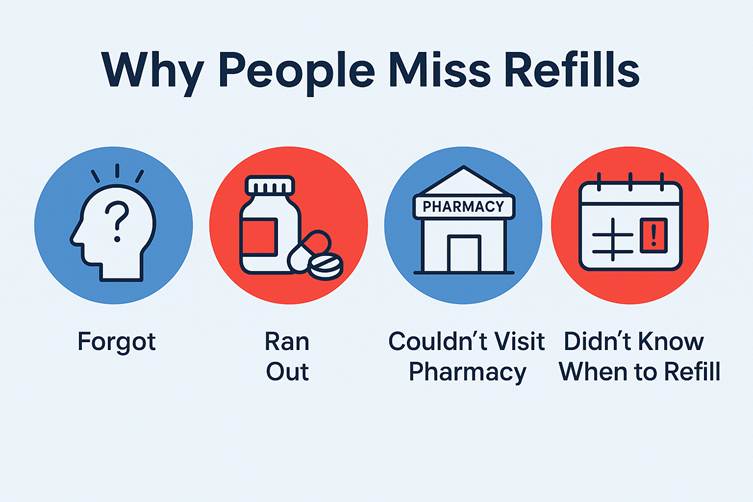
Beyond reminders and tracking, medication apps should offer refill alerts to prevent users from running out of essential medications. Timely notifications about upcoming refills ensure that users can arrange renewals without any gaps in their treatment. Moreover, integration with pharmacies for easy prescription refills can further streamline this process. Finally, user-friendly interfaces and secure data handling are crucial features. The app should be easy to navigate, even for those who are not tech-savvy, and it must protect users’ personal health information with robust security measures.
Overview of the Top Medication Apps for Android & iOS
A plethora of medication apps are available on the Android platform, each with unique features designed to assist with medication management. Here, we provide an overview of the top 10 medication apps that stand out for their functionality and user experience.
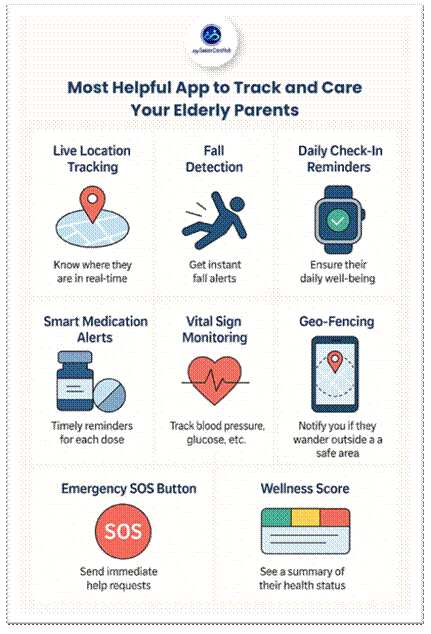
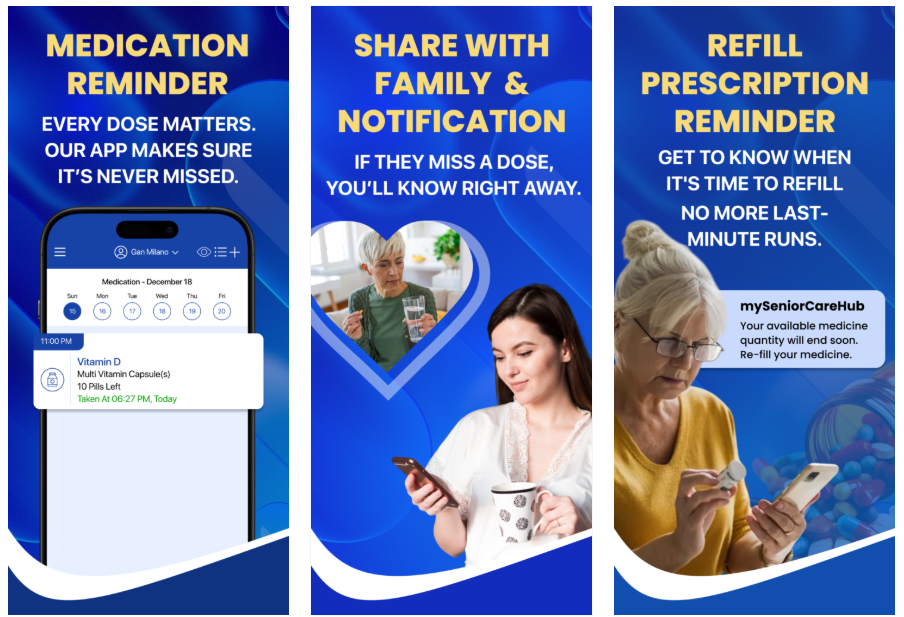
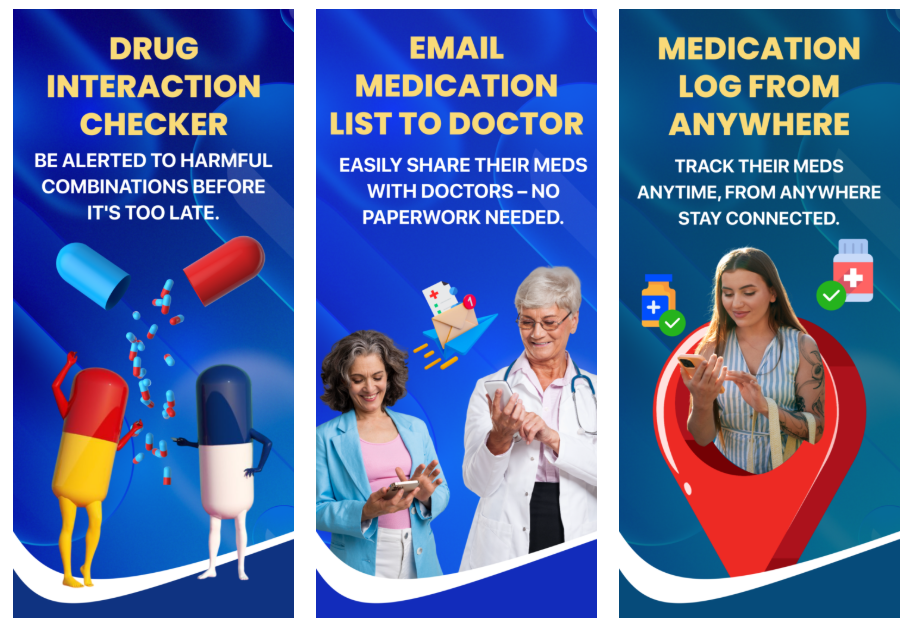
- mySeniorCareHub-Pill & Medication Reminder App: This app simplifies medication management with smart pill reminders, dose tracking, and refill alerts. It also offers a wellness score and health insights, allowing users to monitor their overall health. With support for family and caregiver access, it ensures timely medications and better communication with loved ones and healthcare professionals.
- MyTherapy: This app combines medication reminders with a health journal, allowing users to track their overall health alongside their medication adherence. It also supports collaboration with healthcare providers.
- Medisafe: Known for its intuitive interface, Medisafe provides personalized medication reminders, drug interaction warnings, and detailed medication information. It also offers family support features to help manage loved ones’ medications.
- Pill Reminder and Medication Tracker by Medica: This app offers customizable reminders, refill alerts, and a comprehensive medication log. It supports various types of medications, including pills, injections, and patches.
- CareZone: In addition to medication management, CareZone includes features for tracking health metrics, organizing health information, and sharing updates with caregivers and family members.
- Dosecast: With Dosecast, users can set flexible medication schedules, receive reminders, and log doses. It also provides adherence reports and supports multiple user profiles.
- MyMeds: MyMeds offers personalized medication reminders, refill alerts, and educational content about medications. It also supports integration with pharmacies and healthcare providers.
- MedHelper: This app provides reminders, dose logging, and adherence reports. It also includes features for tracking symptoms and side effects, making it a comprehensive health management tool.
- Pill Monitor: Pill Monitor focuses on simplicity, offering easy-to-use reminders and dose logging. It also includes a calendar view to visualize medication schedules.
- Round Health: This app offers flexible scheduling options and simple reminders. Its clean interface makes it easy to manage multiple medications.
In-Depth Review of Each App
mySeniorCareHub Pill & Medication Reminder App:
mySeniorCareHub Pill & Medicine Reminder App is a thoughtfully designed tool that simplifies medication management for seniors while offering support for caregivers and families. It allows users to easily schedule medications with smart reminders, including flexible timing, persistent alerts, and refill notifications to ensure no dose is missed. Whether you take medicine once a day or multiple times at specific intervals, the app handles even complex medication routines with ease. The user-friendly interface with large fonts, voice command access, and intuitive navigation makes it especially suitable for seniors.
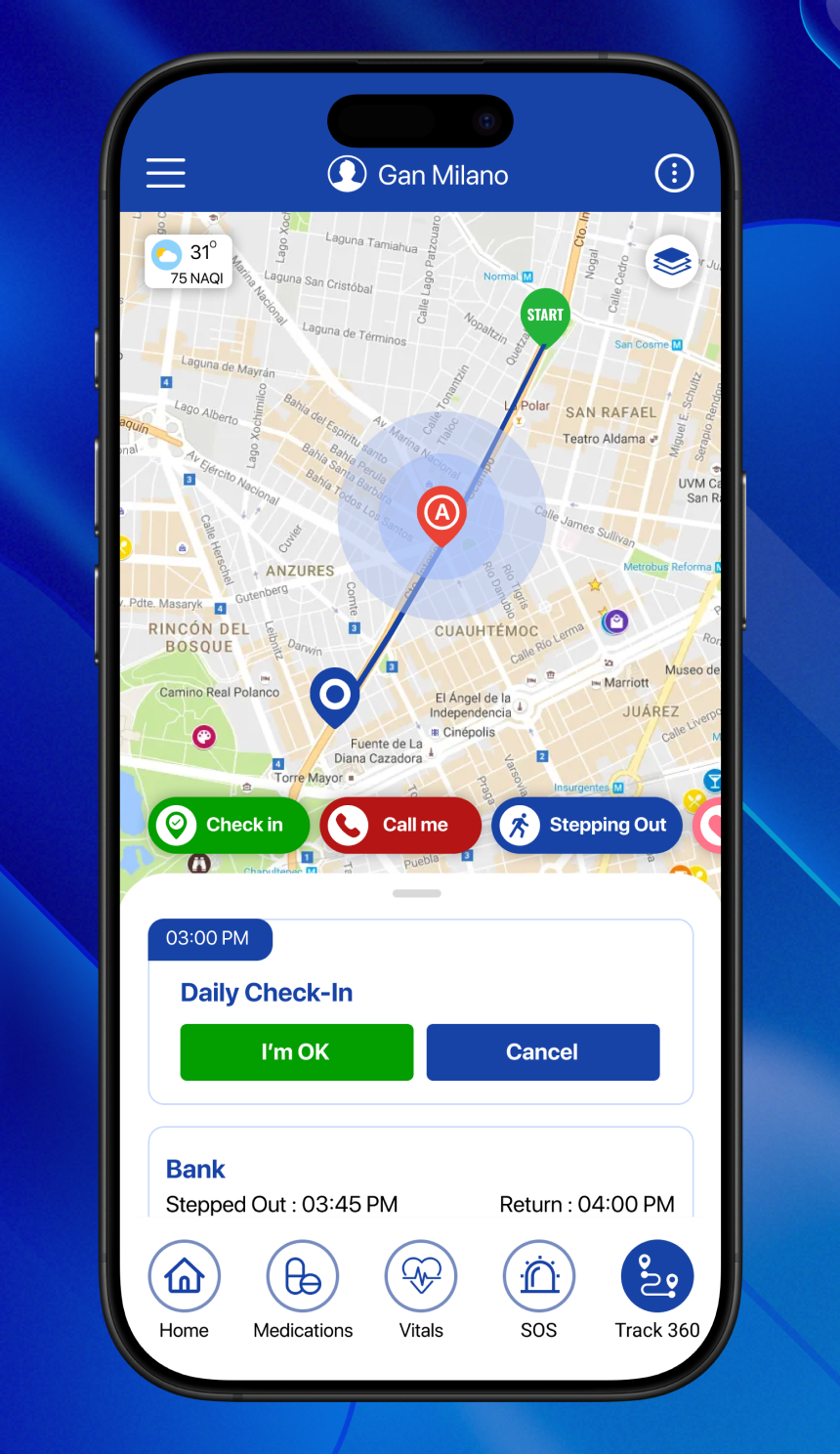
mySeniorCareHub app also provides Location Tracking with Track 360, allowing families to monitor their loved ones in real time. You can set safe zones and receive instant alerts if a senior moves outside these areas, making it easier to ensure their safety while respecting their independence.
MyTherapy
MyTherapy stands out for its holistic approach to health management. Beyond medication reminders, it allows users to track various health parameters, such as blood pressure, weight, and mood. This comprehensive tracking can provide valuable insights into how medications affect overall health. The app also supports collaboration with healthcare providers, enabling users to share their health data during appointments.
The interface is user-friendly, with a clear layout and intuitive navigation. Users can easily add medications, set reminders, and log doses. MyTherapy also offers motivational features, such as progress charts and reminders to stay active, which can encourage users to maintain healthy habits. Additionally, the app is available in multiple languages, making it accessible to a global audience.
One of the standout features of MyTherapy is its ability to handle complex medication regimens. Users can set reminders for medications that need to be taken multiple times a day or at specific intervals. The app also provides refill alerts to ensure users never run out of their medications. Overall, MyTherapy is a versatile and comprehensive tool for managing health and medication adherence.
Medisafe
Medisafe is a popular medication management app known for its sleek design and robust features. The app provides personalized medication reminders, which can be customized based on the user’s schedule. It also offers drug interaction warnings, ensuring that users are aware of any potential risks associated with their medications.
The interface is clean and easy to navigate, making it suitable for users of all ages. Medisafe also includes a “Medfriend” feature, which allows family members or caregivers to receive notifications if the user misses a dose. This feature can be particularly useful for those managing medications for loved ones.
Medisafe offers detailed medication information, including dosage instructions and potential side effects. Users can also log their doses and track their adherence over time. The app provides adherence reports that can be shared with healthcare providers, facilitating better communication and care. Medisafe is available for free, with additional premium features available through a subscription.
Pill Reminder and Medication Tracker by Medica
This app by Medica offers a range of features designed to simplify medication management. Users can set customizable reminders for different types of medications, including pills, injections, and patches. The app also provides refill alerts, ensuring users never run out of their medications.
The interface is straightforward and easy to use, with clear instructions for adding medications and setting reminders. Users can log their doses and track their adherence history, making it easy to monitor progress and identify any missed doses. The app also supports multiple user profiles, making it suitable for families or caregivers managing medications for others.
One of the unique features of this app is its support for various types of medications. Users can set reminders for medications that need to be taken at specific intervals, such as every few hours or on certain days of the week. The app also provides a comprehensive medication log, allowing users to track their adherence and share this information with healthcare providers.
CareZone
CareZone goes beyond medication management, offering a range of features to support overall health and well-being. In addition to medication reminders, the app includes tools for tracking health metrics, organizing health information, and sharing updates with caregivers and family members.
The interface is user-friendly, with a clear layout and intuitive navigation. Users can easily add medications, set reminders, and log doses. CareZone also includes a feature for scanning medication labels, making it easy to add new medications to the app. Users can also track health metrics such as blood pressure, weight, and blood sugar levels.
One of the standout features of CareZone is its ability to organize health information. Users can store important documents, such as prescriptions, insurance information, and medical records, all in one place. This feature can be particularly useful for individuals managing multiple health conditions or caring for loved ones. CareZone is available for free, with additional premium features available through a subscription.
Dosecast
Dosecast is a versatile medication management app that offers flexible scheduling options and comprehensive tracking features. Users can set reminders for different types of medications, including pills, injections, and patches. The app also provides adherence reports, making it easy to monitor progress and share information with healthcare providers.
The interface is clean and easy to navigate, with clear instructions for adding medications and setting reminders. Users can log their doses and track their adherence history, making it easy to identify any missed doses. The app also supports multiple user profiles, making it suitable for families or caregivers managing medications for others.
One of the unique features of Dosecast is its ability to handle complex medication regimens. Users can set reminders for medications that need to be taken multiple times a day or at specific intervals. The app also provides refill alerts to ensure users never run out of their medications. Overall, Dosecast is a comprehensive tool for managing medication adherence.
MyMeds
MyMeds offers a range of features designed to simplify medication management. Users can set personalized medication reminders, receive refill alerts, and access educational content about their medications. The app also supports integration with pharmacies and healthcare providers, making it easy to manage prescriptions and stay on top of refills.
The interface is user-friendly, with a clear layout and intuitive navigation. Users can easily add medications, set reminders, and log doses. MyMeds also includes a feature for tracking side effects and other medication-related notes, providing valuable insights into how medications affect overall health.
One of the standout features of MyMeds is its ability to provide personalized medication information. Users can access detailed information about their medications, including dosage instructions and potential side effects. The app also offers educational content to help users better understand their treatment plans. MyMeds is available for free, with additional premium features available through a subscription.
MedHelper
MedHelper is a comprehensive medication management app that offers reminders, dose logging, and adherence reports. Users can set customizable reminders for different types of medications, including pills, injections, and patches. The app also includes features for tracking symptoms and side effects, making it a valuable tool for managing overall health.
The interface is straightforward and easy to use, with clear instructions for adding medications and setting reminders. Users can log their doses and track their adherence history, making it easy to monitor progress and identify any missed doses. The app also supports multiple user profiles, making it suitable for families or caregivers managing medications for others.
One of the unique features of MedHelper is its ability to track symptoms and side effects. Users can log any adverse reactions to medications and share this information with healthcare providers. The app also provides adherence reports, making it easy to monitor progress and make necessary adjustments to treatment plans. MedHelper is available for free, with additional premium features available through a subscription.
Pill Monitor
Pill Monitor focuses on simplicity, offering easy-to-use reminders and dose logging. Users can set customizable reminders for different types of medications, including pills, injections, and patches. The app also includes a calendar view to visualize medication schedules, making it easy to stay on track.
The interface is clean and easy to navigate, with clear instructions for adding medications and setting reminders. Users can log their doses and track their adherence history, making it easy to monitor progress and identify any missed doses. The app also provides refill alerts to ensure users never run out of their medications.
One of the standout features of Pill Monitor is its focus on simplicity. The app is designed to be easy to use, even for those who are not tech-savvy. The calendar view provides a clear visual representation of medication schedules, making it easy to stay organized. Pill Monitor is available for free, with additional premium features available through a subscription.
Round Health
Round Health offers flexible scheduling options and simple reminders, making it easy to manage multiple medications. Users can set customizable reminders for different types of medications, including pills, injections, and patches. The app also includes a feature for tracking doses, providing a clear history of medication adherence.
The interface is clean and easy to navigate, with clear instructions for adding medications and setting reminders. Users can log their doses and track their adherence history, making it easy to monitor progress and identify any missed doses. The app also provides refill alerts to ensure users never run out of their medications.
One of the unique features of Round Health is its flexible scheduling options. Users can set reminders for medications that need to be taken at specific intervals, such as every few hours or on certain days of the week. The app also provides a clear visual representation of medication schedules, making it easy to stay organized. Round Health is available for free, with additional premium features available through a subscription.
User Experience and Interface Comparisons
When it comes to medication apps, user experience and interface design are crucial factors that can significantly impact their effectiveness. Each of the top 10 medication apps for Android offers a unique user experience, catering to different preferences and needs. Here, we compare the user experience and interface design of these apps to help you choose the one that best suits your requirements.
mySeniorCareHub Pill & Medication Reminder App vs. MyTherapy
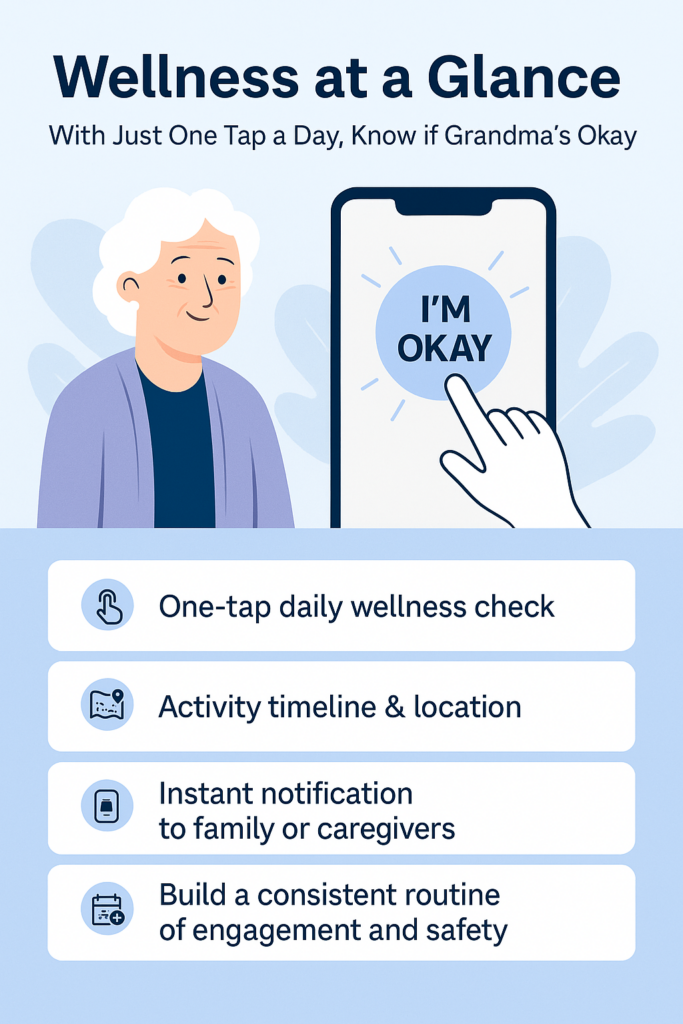
mySeniorCareHub is designed especially for seniors. It has large text, easy buttons, and voice commands, making it simple to use. The app sends smart reminders, refill alerts. Family members or caregivers can connect to the app to get alerts if you miss a dose or have a health concern. It also includes location tracking and Track 360 features that offer daily wellness check-ins and alert caregivers if a check-in is missed.
MyTherapy is a free app that helps users set medication reminders and track basic health metrics like blood pressure and mood. It’s easy to use and works well for those managing their health on their own. However, it lacks key features like SOS alerts, location tracking, caregiver notifications, and wellness scoring—making it less suitable for seniors compared to the more complete and senior-focused mySeniorCareHub.
mySeniorCareHub is a great choice for seniors and their families who want an easy, safe, and connected way to manage health and medicine. MyTherapy is better for users who want to track everything by themselves.
mySeniorCareHub Pill & Medication Reminder App vs. Medisafe
mySeniorCareHub is designed especially for seniors. It features large text, simple buttons, and voice commands, making it easy to use for older adults. The app sends smart medication reminders and refill alerts, ensuring you never miss a dose. It also includes location tracking and the Track 360 feature, which sends daily wellness check-in requests and notifies family or caregivers if a check-in is missed. You can manage more than one person from the same app, making it ideal for families or caregivers looking after multiple seniors. Loved ones can stay connected and get alerts if there’s a missed dose or health concern.
Medisafe is known for its clean, modern design and is suitable for users of all ages. It offers personalized medication reminders, alerts for potential drug interactions, and a feature called “Medfriend” that notifies a trusted person if you miss your medicine. Medisafe also provides detailed information about your medications, which can be helpful for those who manage their health independently.
MyTherapy vs. Medisafe vs. MySeniorCareHub – Best Medication Reminder Apps
MyTherapy and Medisafe are both highly regarded for their user-friendly interfaces and comprehensive features. With a clean layout and intuitive navigation, MyTherapy delivers a holistic approach to health management. Users can easily add medications, set reminders, and track their health metrics thanks to its straightforward design. Adding to the experience are motivational tools like progress charts, which keep users engaged and on track.
Medisafe, on the other hand, is known for its sleek design and robust features. It offers personalized medication reminders, drug interaction warnings, and detailed medication information. A standout feature, “Medfriend” allows caregivers or family members to receive alerts if a dose is missed, enhancing peace of mind. Its clean and accessible interface ensures that users of all ages can navigate the app with ease.
Pill Reminder and Medication Tracker by Medica vs. CareZone
Pill Reminder and Medication Tracker by Medica offers a straightforward interface with clear instructions for adding medications and setting reminders. The app’s design is simple yet effective, making it easy for users to manage their medication schedules. The inclusion of a comprehensive medication log and refill alerts further enhances the user experience.
CareZone takes a more holistic approach, offering a range of features to support overall health and well-being. The app’s interface is user-friendly, with a clear layout and intuitive navigation. Users can easily add medications, set reminders, and track health metrics such as blood pressure, weight, and blood sugar levels. The ability to organize health information and share updates with caregivers adds an extra layer of convenience.
Dosecast vs. MyMeds
Dosecast is known for its flexible scheduling options and comprehensive tracking features. The app’s interface is clean and easy to navigate, with clear instructions for adding medications and setting reminders. The ability to handle complex medication regimens and provide adherence reports makes Dosecast a versatile tool for managing medication adherence.
MyMeds offers a range of features designed to simplify medication management. The app’s interface is user-friendly, with a clear layout and intuitive navigation. Users can access detailed medication information, set personalized reminders, and receive refill alerts. The integration with pharmacies and healthcare providers further enhances the overall user experience.
MedHelper vs. Pill Monitor
MedHelper provides a comprehensive approach to medication management, with reminders, dose logging, and adherence reports. The app’s interface is straightforward and easy to use, making it suitable for users of all ages. The ability to track symptoms and side effects adds an extra layer of convenience, making MedHelper a valuable tool for managing overall health.
Pill Monitor focuses on simplicity, offering easy-to-use reminders and dose logging. The app’s interface is clean and easy to navigate, with clear instructions for adding medications and setting reminders. The inclusion of a calendar view to visualize medication schedules enhances the overall user experience, making it easy for users to stay organized.
Pricing and Subscription Models
The pricing and subscription models of medication apps can vary significantly, with some offering free versions and others requiring a subscription for access to premium features. Here, we provide an overview of the pricing and subscription models for the top 10 medication apps for Android.
Pricing & Subscription Models of Top Medication Apps for Android
| App Name | Free Version Available | Subscription Required for Full Features | Key Notes |
|---|---|---|---|
| mySeniorCareHub – Pill & Medication Reminder | ✅ Yes | ❌ No | 100% free with all features including voice commands, caregiver alerts, and daily logs. |
| MyTherapy | ✅ Limited | ✅ Yes | 100% free with all features, including voice commands, caregiver alerts, and daily logs. |
| Medisafe | ✅ Limited | ✅ Yes (Monthly/Annual) | Basic version is free; premium adds reports, Medfriend support, and priority support. |
| Pill Reminder and Medication Tracker by Medica | ✅ Limited | ✅ Yes | Free version includes reminders; premium unlocks advanced customization and backup features. |
| CareZone | ✅ Limited | ✅ Yes | Basic reminders free; advanced features like detailed logs and export require a subscription. |