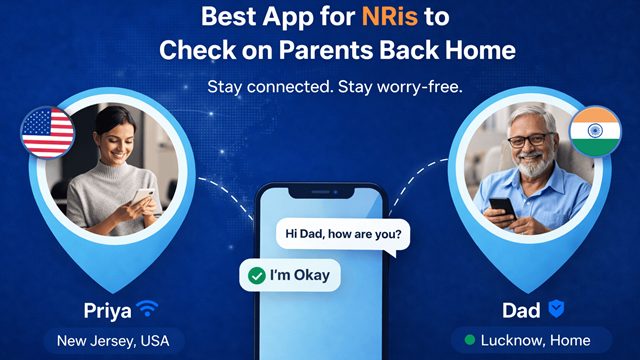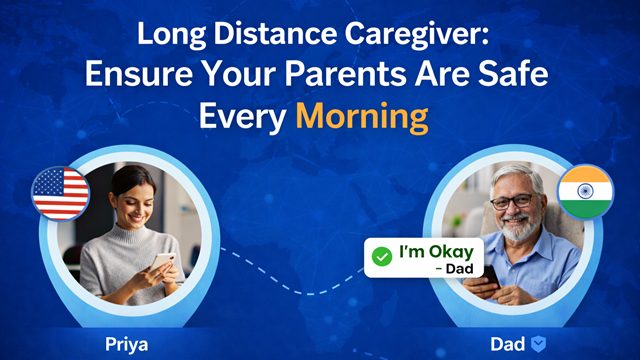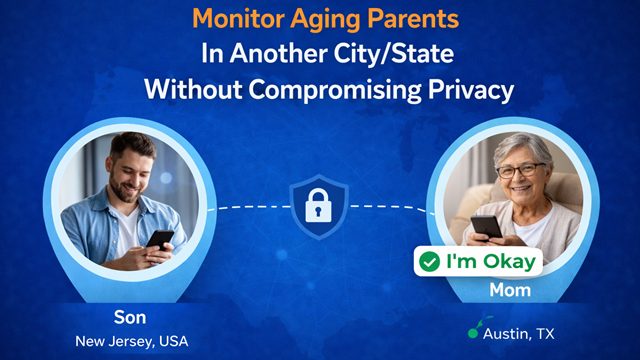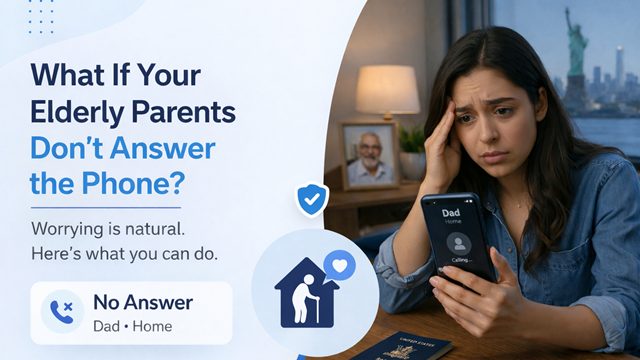
“Is she okay?” “Did she take her meds?” If you’re a long-distance caregiver, these questions are a constant source of anxiety. Between work and life, calling every two hours is impossible, and most seniors value their independence too much for that anyway.
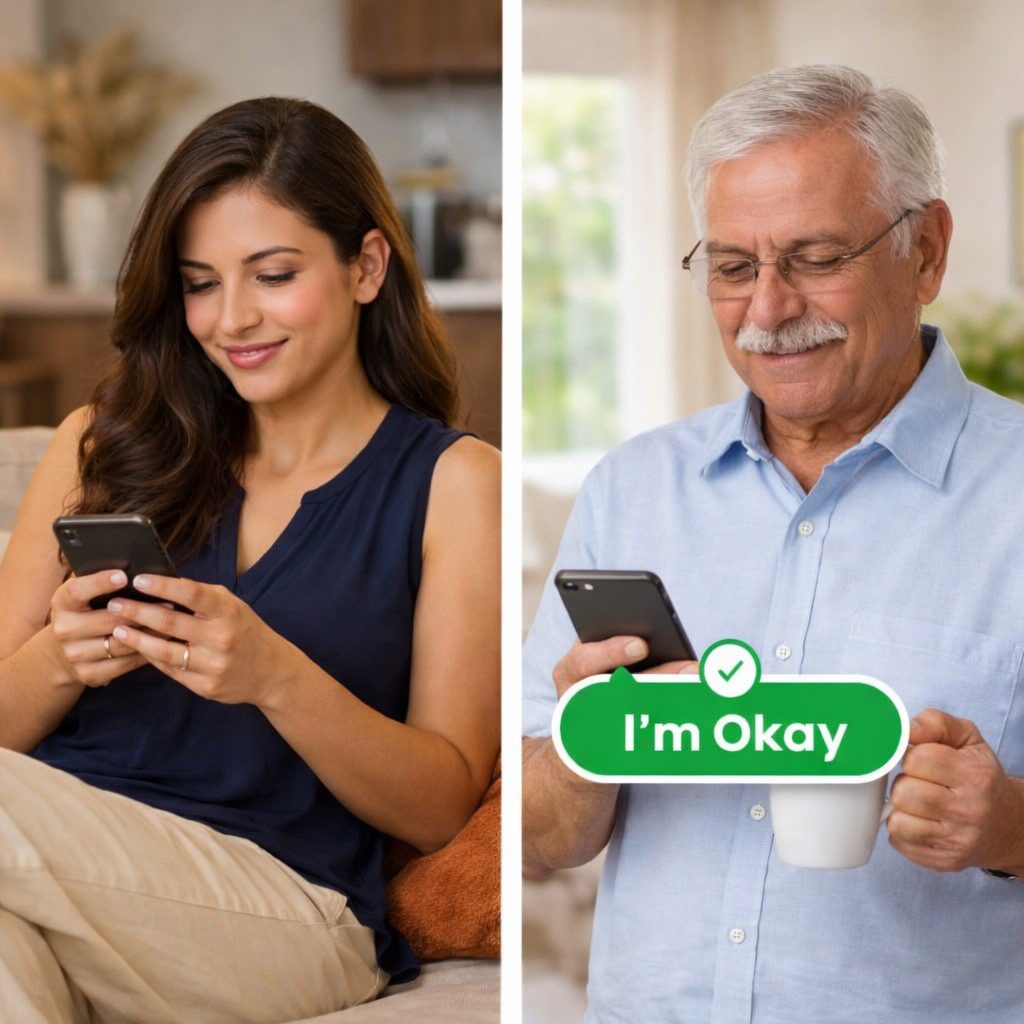
I realized a missed text isn’t a crisis; it’s just life. I can’t be everywhere at once, but I can be proactive. That’s why I turned to smart daily check-ins: a digital safety net that catches the whispers before they become screams.
Silent Struggles of Long-Distance Caregivers
Caring for a senior remotely comes with heavy emotional weight: the anxiety when they don’t respond, the guilt when you’re stuck in a meeting, and the helplessness when distance separates you.
When a parent lives alone, the early signs of trouble are often invisible:
Skipping a meal because they feel “a bit off.”
Forgetting medication due to slight disorientation.
Dizziness that gets brushed off as “just being tired.”
Sleeping longer than usual.
Without a system, these warning signs go unnoticed until they become emergencies.
How the Safety Check-In App Makes the Invisible, Visible
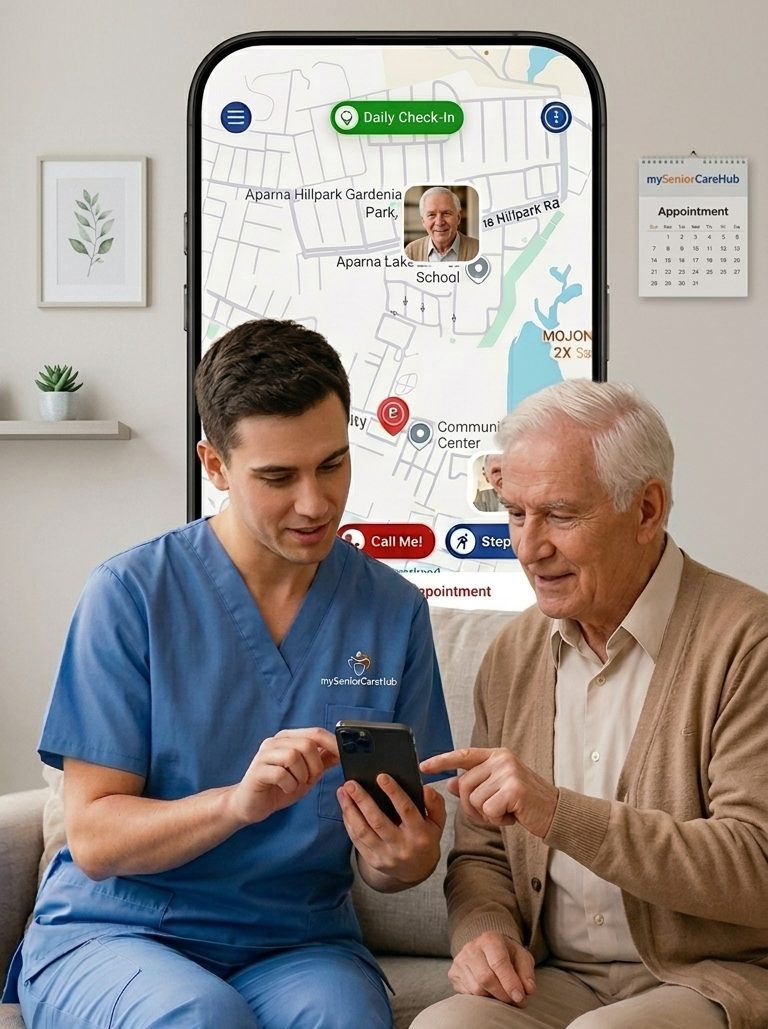
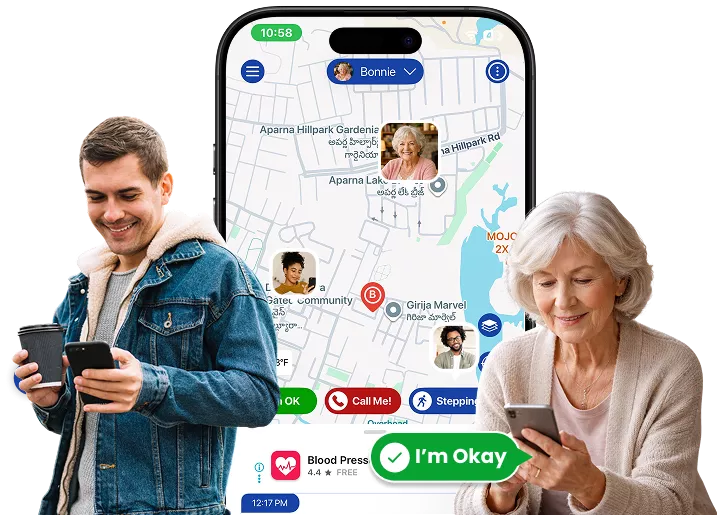
With mySeniorCareHub App, I stopped guessing and started knowing. It bridges the gap between independence and safety without making my grandmother feel like she’s under 24/7 surveillance.
App Features
What It Does?
Why It Matters?
One-Tap Check-In
Senior taps a button to confirm they are safe.
Confirms mobility and wellness in seconds.
Missed Check-In Alerts
Notifies you immediately if they miss their window.
Spot early signs of falls, dizziness, or inactivity.
SOS Emergency Alert
An Immediate alert is sent to your phone with GPS location.
Ensures medical help is sent even if you’re unreachable.
Medical Importance of Proactive Monitoring
Medical issues in seniors, like dehydration, low blood pressure (hypotension), or low blood sugar, don’t always start with a bang. They start with a missed routine.
A Missed Check-In: Could be the first sign of a “long-lie” after a fall or sudden fatigue.
Safety Without Surveillance: Unlike intrusive cameras, the app only shares location and status during an alert, respecting their privacy while ensuring their safety.
Catching these moments early gives you time to intervene to call a neighbor, adjust a routine, or send emergency services before a situation escalates.
You Don’t Have to Call 5 Times a Day to Be a “Good” Caregiver
There is so much guilt tied to long-distance care. We worry that using technology means we’re replacing human connection. In reality, it’s the opposite.
mySeniorCareHub app doesn’t replace love; it supports it. It handles the “Are you okay?” part of the day so that when you do call, you can talk about things that matter like family stories or what they had for lunch… rather than running through a medical checklist.
Final Thought
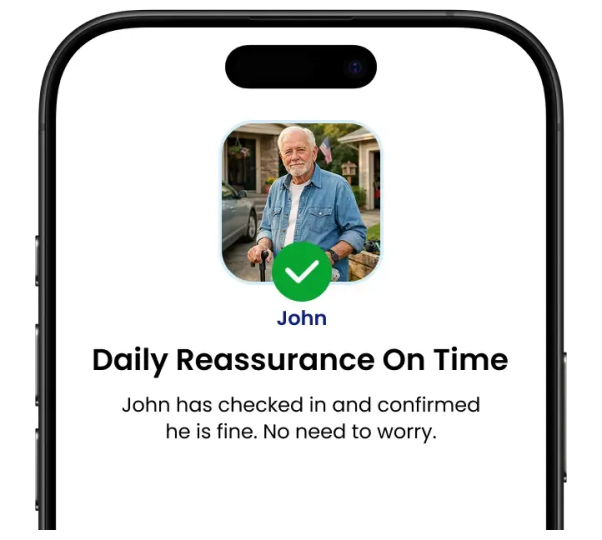
I still talk to my grandmother every evening. But now, our conversations are more about her day and less about my fears. I already know she’s okay because the check-in app told me so hours ago.
If you’re a working caregiver, you aren’t failing. You’re juggling. Let a safety check-in app be your eyes and ears when you can’t be there in person.
With 24/7 Emergency Dispatch + Daily Safety Confirmation
As people age, managing multiple health conditions becomes a daily routine, diabetes, blood pressure, cholesterol, arthritis, the list goes on. It’s easy to lose track of pills, especially when memory starts to slip or when the day is simply too overwhelming.
But here’s the scary part: Missing even a single dose of blood pressure medication can spike BP levels within hours, increasing the risk of stroke, heart attack, and kidney damage.
A study from the Journal of Hypertension indicates that elderly patients who miss their BP medication just twice a week have double the risk of cardiovascular and neural complications. However, most of these cases are preventable, with just a little awareness. BP Medication Reminder App can help.
It’s not neglect; it’s human. But the consequences? Serious.
Case 1: A 72-year-old woman skipped her meds for three days, thinking her blood pressure was under control. She fainted while walking and was hospitalized for 48 hours.
Case 2: A diabetic senior with high BP mixed up his pill schedule and doubled one dose and and missed the next. The imbalance led to dizziness and a fall.
In both cases, early alerts could have avoided the panic.
Why Skipping BP Medication Is So Dangerous
High blood pressure (hypertension) is often called the “silent killer”—and for good reason. Most people won’t feel any different when their blood pressure shoots up, but inside, their organs are under pressure. That’s why sticking to prescribed medication is non-negotiable, especially for the elderly.
According to the World Health Organization (WHO), over 1.28 billion adults globally have hypertension, and less than half are being treated properly. Studies show that missing just two doses of BP medicine in a week can double the risk of heart attacks or strokes—and this risk increases with age.
When an elderly person skips their BP meds,
It can lead to hypertensive emergencies, sudden, severe increases in BP, which may result in:
Stroke
Heart attack
Kidney damage
Vision loss
Dizziness and falls, especially dangerous for seniors
What’s worse is that these effects often appear suddenly, without warning symptoms.
Notifies caregivers or family when a pill is skipped
Enables timely check-ins
Symptom Tracker
Log dizziness, fatigue, headaches
Flag early warning signs of BP issues
Wellness Score
Tracks vital health data and highlights changes
Prevents sudden spikes or drops from going unnoticed
Recording Vitals
Record your daily BP readings to keep track of health changes
Daily Record keeping of BP readings for doctor’s reference
Imagine getting a phone notification saying, “Mom missed her BP pill this morning. Please remind her.” That’s not over-controlling. That’s care in action.
Caring for aging parents while balancing work, family, and life can be challenging. You may not always be able to be there in person, but you can still show up in meaningful ways. With tools like mySeniorCareHub, you’re bridging the gap between love and responsibility.
You’re not just monitoring, you’re preventing, protecting, and prioritizing their health.
What You Can Do Today
Talk to your parents about the importance of medication adherence.
Set up reminders using mySeniorCareHub’s smart health features.
Stay connected with real-time updates on missed doses or symptoms.
Act early; in health, timing is crucial.
Final Thought
One missed pill can be silent, but your response doesn’t have to be. Let smart care step in before emergency care is needed. Start using mySeniorCareHub today. Because forgetting a pill shouldn’t mean risking a life.
The Silent Crisis in Senior Living – Slip & Accidentals Falls
Do you know – Caregivers can get alert when someone gets fall. Best Fall Detection App has the ability to detect emergency.
Imagine this: An elderly woman living alone slips in her bathroom. She can’t move, can’t call out, and no one checks on her for hours. This scenario isn’t rare it happens every day in homes, assisted living facilities, and even hospitals.
Falls are one of the leading causes of injury and death among the elderly, and what’s worse is when help doesn’t arrive on time. Seniors often live alone or with caregivers who cannot be present 24/7. In such instances, automatic fall detection systems can be lifesavers.
The Gravity of the Problem: Falls Among the Elderly
According to the World Health Organization:
Statistic
Details
1 in 3 adults over 65
Experiences at least one fall per year
1 in 5 falls
Causes a serious injury (fracture, head trauma)
40% of nursing home admissions
Are due to fall-related injuries
Bathroom
One of the most common fall zones is due to wet floors and low visibility
Medical Complications Due to Delayed Helpin Accidental Fall
When a senior falls and isn’t discovered quickly, the health risks multiply. Immediate intervention can often prevent long-term damage.
Common injuries and complications due to delayed fall detection:
Injury
Risk if Help Is Delayed
Head Trauma
Increased intracranial pressure, risk of coma or death
Hip/Spine Fracture
Loss of mobility, surgery complications
Hypothermia
It is common and can be lethal to lie on a cold floor for hours.
Internal Bleeding
can be overlooked, particularly in elderly people with delicate vessels.
Pressure Sores
result from spending too much time immobile.
Muscle Breakdown (Rhabdomyolysis)
Can lead to kidney failure
Seniors may withdraw, avoid walking, and lose confidence as a result of their fear of falling again, even if the fall was not severe. This can hasten their physical decline.
Why Traditional Monitoring Isn’t Enough – FallDetection
Even with CCTV cameras, routine caregiver check-ins, or emergency alarms:
Elderly people may lose consciousness after a fall and can’t press an alert button.
Night-time falls may go unnoticed for hours.
Privacy concerns make constant surveillance uncomfortable.
That’s where smart fall detection comes in—offering a non-intrusive, real-time, and automated safety net.
Case Example: Mrs Sharma, a 78-year-old living in Delhi, fell in her bathroom at 3 AM. Her smart watch from mySeniorCareHub detected the fall and alerted her daughter instantly. Within 10 minutes, help arrived. Doctors later said a delay of even an hour could have worsened the internal bleeding.
Encourage your loved ones to wear the device regularly, especially at night or in the bathroom.
Do fall-proofing at home: install grab bars, anti-slip mats, and night lights.
Use data from fall alerts to understand fall patterns and take preventive action.
Don’t make it about surveillance—make it about freedom and safety.
Let’s Not Wait for a Tragedy
Fall detection isn’t about fearing the worst—it’s about preparing for it smartly. In elderly care, minutes matter. Having a system that recognizes a fall, alerts help instantly, and tracks health parameters can truly change outcomes.
At mySeniorCareHub, we’re committed to bringing technology that cares—blending safety with dignity.
It was an ordinary afternoon until we realised Grandpa wasn’t in the house. We searched every room, checked the backyard, and called his name throughout the neighbourhood.
Hours passed, and panic set in. By the time a stranger found him sitting alone at a bus stop miles away, confused and dehydrated, the emotional toll on our family was immense. This moment, both terrifying and unforgettable, is the reality for many families caring for seniors with Alzheimer’s or Parkinson’s.
But what if there had been a way to know when he stepped out? What if one alert had been sufficient? This article explores how to recognize the early signs of Alzheimer’s, the dangers of wandering, and how geo-fencing and real-time location tracking can be lifesaving tools for families.
Understanding Alzheimer’s Disease and Wandering Behavior
Alzheimer’s is a progressive neurodegenerative disorder that affects memory, cognition, and behaviour. One of the most dangerous symptoms as the disease progresses is wandering, which affects over 60% of individuals with dementia.
Early Signs of Alzheimer’s Disease
Symptom
Description
Memory loss
Forgetting recent events, names, or appointments repeatedly
Disorientation
Getting lost in familiar places or confused about time
Poor judgment
Making unsafe decisions, like dressing inappropriately for the weather
Mood changes
Sudden shifts in mood or personality, often appearing confused or anxious
Withdrawal
Avoiding social activities or work they once enjoyed
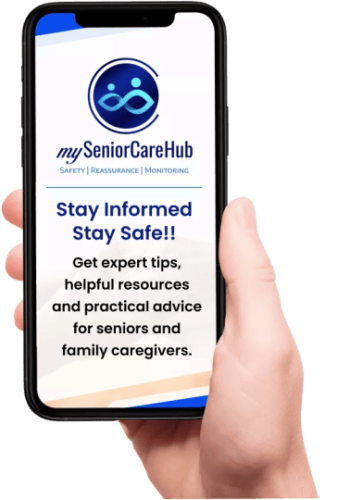
Recognizing these signs early can help families prepare for the risks, including the high probability of wandering behavior.
Why Do Seniors Wander?
Confusion about time or place
Looking for something or someone from the past
Restlessness or boredom
Stress in unfamiliar settings
Wandering is not just inconvenient—it’s dangerous. Seniors can become lost, dehydrated, or injured. Weather exposure, traffic hazards, and the risk of falling make this a critical issue.
Geo-fencing utilizes GPS or cellular data to establish virtual boundaries (“safe zones”) around a physical location. If the monitored person leaves that boundary, an instantalert is sent to caregivers via a mobile app or text.
How Geo-Fencing Helps
Feature
Benefit
Custom Safe Zones
Set areas like home, backyard, or familiar parks
Real-Time Alerts
Get notified immediately when the senior steps out
Location Tracking
Pinpoint the exact GPS location for faster retrieval
Activity History
See movement patterns that may indicate increased risk
Emergency Button
Some devices allow the senior to send alerts themselves
When integrated with wearable tech like GPS-enabled watches or smartphone apps, geo-fencing offers an invisible layer of safety.
In the U.S., more than 11 million people provide unpaid care for individuals with Alzheimer’s. The emotional and physical toll is overwhelming. Technology like geo-fencing can ease that burden.
Case Example:
Linda, a caregiver for her 78-year-old mother, received a geo-fence alert one morning while at work. Her mother had opened the front gate and started walking. Within minutes, Linda was able to guide a neighbor to her location using live GPS, preventing what could have been a tragic outcome.
With features like geofencing and location tracking, the mySeniorCareHub app offers the most user-friendly interface. The best part of this app is that it’s free for users.
It’s Time to Use Location Tracking
Even if your loved one hasn’t wandered yet, certain signs suggest it’s time to consider geo-fencing:
They get confused in familiar surroundings
They’ve left the house without informing anyone
You find them awake or active at odd hours
They ask about going “home” when they’re already home
They’ve had one or more near-miss incidents
Proactively using location tracking can prevent a tragedy rather than reacting to one.
Addressing Privacy and Dignity
One concern caregivers often express is, ‘Will tracking invade their dignity?’
Here’s how to approach it:
Frame it as protection, not surveillance
Choose discreet devices that feel less intrusive
Explain the reasoning behind it compassionately
Most seniors, especially those in early stages, are willing to agree when they understand it keeps them safe.
The hours we lost Grandma were filled with fear, guilt, and helplessness. Had we known about geofencing and tracking, it could have ended differently.
Technology won’t stop Alzheimer’s. But it can give families the tools to respond faster, safer, and with more peace of mind. If your loved one is showing early signs, or even if they aren’t, don’t wait for the moment they walk out unnoticed.
Set a digital safety net. One alert could make all the difference.
Imagine this: your mother, living alone, collapses from a stroke. She can’t reach her phone, and no one is around. The clock starts ticking. In cases like this, every minute without medical alert increases the risk of permanent brain damage or death. It’s a chilling scenario, but sadly not uncommon among elderly individuals. As families juggle work, caregiving, and long-distance living, this question becomes frighteningly real. This article examines howemergency alerts and real-time location tracking via mySeniorCareHuband similar platforms can help close the gap between immediate care and isolation.
Stroke, cardiac arrest, and diabetic complications are leading causes of morbidity in the elderly. What makes them life-threatening is how fast they escalate.
Medical Event
Critical Time Window
Outcome of Delayed Help
Stroke
Within 60 minutes (Golden Hour)
Increased risk of paralysis, cognitive decline
Cardiac Arrest
Within 4-6 minutes
Permanent brain damage, death
Diabetic Hypoglycaemia
Within 15-30 minutes
Seizures, unconsciousness, coma
These emergencies don’t wait. Yet most elderly individuals, especially those living alone, are unprepared to signal for help quickly.
Barriers Faced by Families and Seniors Even attentive families face limitations:
Elderly loved ones may be reluctant to call for help.
Phones may not be reachable during an emergency.
Caregivers can’t always be present.
Many seniors downplay early symptoms, losing precious time.
These challenges call for an intelligent system that doesn’t rely solely on the patient raising an alarm.
With modern digital health tools, we no longer rely entirely on verbal communication during a crisis. Here’s how location-enabled platforms like mySeniorCareHub provide an active safety net:
Mrs. Meena, 74, lives in Chandigarh. One afternoon, she experiences slurred speech and collapses. Her mySeniorCareHub device detects a fall and triggers an emergency alert. Her son receives a push notification with a live GPS link. Within 3 minutes, the system contacts the local ambulance service with her coordinates. Medical help arrives in under 12 minutes. Doctors later confirmed she was treated well within the golden hour.
It’s the power of proactive care.
Medical Perspective: Why It Works
Neurological Events (e.g., Stroke): Early thrombolytic therapy within 3 hours drastically improves outcomes. Real-time alerts accelerate this timeline.
Diabetic Emergencies: Immediate response can prevent coma and hospitalisation.
Cardiac Arrest: CPR or defibrillation within the first 6 minutes significantly increases survival rates.
With location tracking, these interventions are no longer delayed due to logistical confusion or unreachable phones.
Emotional and Practical Reassurance for Families The emotional toll of caregiving can be heavy. Constant worry, guilt, and fear of missing an emergency moment can drain families. Real-time tracking provides:
Peace of Mind: You’re always informed, no matter where you are.
Autonomy for Elders: Seniors retain independence while staying safe.
Faster Emergency Response: Coordinated care teams can act without waiting for human-initiated calls.
Conclusion A stroke, a fall, or a diabetic episode doesn’t have to end in tragedy. Technology today gives us tools that didn’t exist a decade ago. With mySeniorCareHub’s real-time tracking and emergency alert system, you’re never truly far from your loved one’s side. It transforms helplessness into readiness.
In moments where every second counts, knowing where your parent is—and that help is already on the way—is more than peace of mind. It’s lifesaving.
Explore the emergency features and real-time monitoring tools of mySeniorCareHub. Because when your loved one is in danger, you deserve to know—and act—in real time.
The “Silver Tsunami” is here, with 10,000 Americans turning 65 every day. For millions of families, the challenge is balancing a senior’s independence with their safety.
A GPS tracking app is a modern caregiver’s best tool. Rather than a “spy” device, it serves as a digital safety net, allowing aging parents to keep their freedom while giving families much-needed peace of mind.
Growing Need for Location Awareness
The statistics regarding senior safety in the U.S. are sobering. According to the Alzheimer’s Association,6 in 10 people living with dementia will wander at least once.
If not found within 24 hours, up to half of those who wander risk serious injury or death. Even for seniors without cognitive impairment, physical emergencies like falls, the leading cause of injury among older adults, can happen anywhere.
A GPS tracking app ensures that “anywhere” has a specific set of coordinates for emergency responders.
4 Reasons why a GPS Tracking App for Seniors is Essential
1. Rapid Response During Elopement
In the senior care industry, “elopement” refers to a senior wandering away from a safe environment. When a loved one goes missing, every minute counts.
A GPS app provides real-time location data, reducing search times from hours to mere minutes.
2. Geofencing: Virtual Safety Perimeter
Modern apps allow you to set Geofences– virtual boundaries around a home, a neighborhood, or a doctor’s office.
If your loved one crosses these boundaries, your phone receives an instant alert. This allows for “passive monitoring,” where you only intervene when a potential risk is detected.
3. Empowerment through Independence
Many seniors resist care because they fear losing their autonomy. A GPS tracking app is a compromise that works.
It allows a senior to walk to the local park or visit a friend without a chaperone, knowing that help is just a tap away if they become disoriented or fatigued.
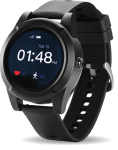
4. Critical Support for “Long-Distance” Caregivers
With many adult children living in different states from their parents, physical check-ins aren’t always possible.
A tracking app bridges the geographical gap, allowing a daughter in New York to ensure her father in Florida returns home safely from his grocery shopping.
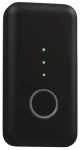
Key Features to Look For
When selecting a GPS tracking app for seniors, look for these industry-standard features:
Real-Time Updates: Location accuracy within a few yards.
Battery Efficiency: Apps that don’t drain the senior’s phone quickly.
SOS/Emergency Button: A simple interface for the senior to signal for help.
Location History: To identify patterns or frequent stops that might indicate a new routine or a problem.
How Technology Translates to Safety
A GPS tracking app for seniors isn’t just about dots on a map; it’s about replacing “What if?” with “I know.” Here is how the specific features of mySeniorCareHub solve the most common challenges in senior care:
Caregiver Challenge
App Features
Real-World Benefits
Wandering Risk
Smart Geofencing
You get an instant alert the moment they leave their “Safe Zone,” allowing you to intervene before they get lost.
Golden Hour
One-Touch SOS
In a fall or medical emergency, the senior can alert the entire family in seconds; no dialing required.
Coordination Fatigue
Multi-User Sync
No more “Who checked on Mom?” phone calls. The whole family sees the same real-time status updates.
Battery Anxiety
Low-Power Tracking
The app is optimized to stay active without draining the phone, ensuring the safety net is always “ON.”
Memory Gaps
Location History
Identify unusual patterns, like a senior visiting the pharmacy three times in one day, which may signal cognitive decline.
Secure Your Peace of Mind with mySeniorCareHub
If you are looking for a reliable, user-friendly solution designed specifically for the needs of American families, look no further than mySeniorCareHub.
Our GPS Tracking App for Seniors & Aging Parents provides the perfect balance of independence for them and intelligence for you. From customizable safe zones to instant emergency notifications, we ensure that your loved ones are never truly alone, even when they are out exploring.
Don’t wait for a “what if” scenario to become a reality. Protect your loved one’s independence and your own peace of mind today.
Frequently Asked Questions: GPS Tracking App for Seniors
How do I introduce a GPS tracking app without making my parents feel “monitored”?
The key is framing. Instead of “tracking” or “surveillance,” present the mySeniorCareHub app as a “Digital Safety Net.” Focus on the benefit to you; explain that having the app on their phone reduces your anxiety and allows you to support their independence longer.
Many seniors are happy to use the technology once they realize it provides a direct SOS link to their family in case of a fall or disorientation.
Is a smartphone app better than a dedicated GPS wearable device?
For most active seniors, yes. Wearable smartwatches or lockets can carry a social stigma that leads to seniors “forgetting” to wear them. However, most American seniors already carry a smartphone to stay in touch with grandkids or use maps.
By using a GPS tracking app for seniors, you utilize a device they already carry, ensuring higher compliance and providing better location accuracy through a mix of GPS, Wi-Fi, and cellular data.
Can a GPS app actually help if my loved one has “Sundowning” symptoms?
Absolutely. “Sun-downing”- a state of confusion that hits late in the afternoon is a primary cause of wandering in those with early-stage dementia. Unlike static alarms, a GPS app with Geofencing acts as an early warning system.
It alerts you the moment they cross a digital boundary during these high-risk hours, providing the “Real-Time Intelligence” needed to reach them before they become truly lost or reach a high-traffic roadway.
A Tap That Brings Peaceto Family– Daily Check-in App for Seniors Living Alone
While caring for elderly parents is an act of love, living in different cities or even different states introduces a persistent undercurrent of anxiety. We’ve all been there: one missed call or an unanswered text, and your mind immediately races to the worst-case scenario.
What if you could replace that uncertainty with a single tap? The mySeniorCareHub daily wellness check isn’t just a feature; it’s a digital safety net that respects a senior’s independence while ensuring help is never more than a missed alert away.
What is a Daily Check-in App?
The daily check-in is more than just a notification; it’s a structured engagement system that balances elderly autonomy and caregiver assurance.
App Features
What It Offers
One-tap Daily Wellness Check
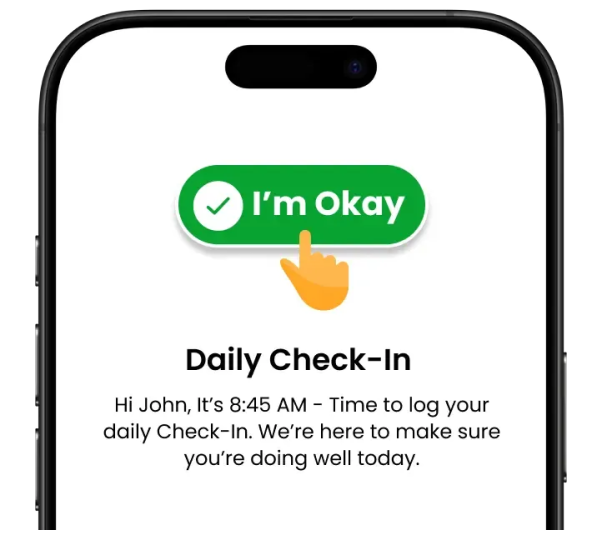
A simple “I’m okay” button; no typing, no hassle, zero awkwardness.
Safety Without Surveillance
No 24/7 “live tracking.” Location is only shared during an alert or missed check-in.
Automatic Notifications
If a check-in is missed, the app automatically alerts up to 3 family members.
24/7 Emergency Dispatch
Direct connection to medical dispatchers for rapid intervention. (Exclusive to Gold Plan)
It’s a non-intrusive digital gesture that encourages mindfulness and monitoring.
Why It Matters: Detecting Health Issues Early
Traditional “panic buttons” can be expensive ($130+ upfront) and often feel intrusive. mySeniorCareHub moves safety to the smartphone, providing a non-intrusive way to detect issues early:
Falls and Fractures: If a senior is immobile, the “Missed Check-in” alert flags the inactivity, preventing “long-lie” complications.
Peace of Mind for Long-Distance Care: For families living apart, this tool becomes an emotional bridge, providing documented proof of safety every single day.
Independence with a Safety Net
Many seniors resist constant monitoring because they fear losing their dignity. Our app is designed to empower them:
Active Participation: Seniors aren’t just “being watched” – they are active participants in their own wellness.
Reduced Caregiver Guilt: Families can stay informed without feeling overbearing or “checking up” constantly.
Zero Intrusiveness: No cameras, no bulky pendants, and no 24/7 tracking. It’s the ultimate “I’m here” gesture without having to say a word.
It’s like saying “I’m here” without having to say anything at all.
The Emotional Connection
This feature’s impact isn’t limited to clinical outcomes. It touches on something far more human: connection.
For Seniors:
Builds a sense of purpose and participation.
Encourages daily reflection on health.
Provides comfort in knowing someone is quietly watching out for them.
For Caregivers:
Offers peace of mind through timely alerts. Reduces stress and anxiety about sudden medical emergencies.
Enhances remote caregiving, especially for NRIs or families living in different cities.
In long-distance families, where multiple generations often live apart for work or education, this tool becomes a vital emotional bridge.
What Makes It The Best Daily Check-in App for Seniors Living Alone?
Unlike generic apps, we’ve tailored this experience specifically for the elderly:
Low-Tech Barrier: Big buttons, intuitive interface, and voice command integration.
Cost-Effective: Professional oversight without the high cost of 24/7 in-person staffing.
Privacy-First: Encrypted data that meets high standards for patient privacy.
Sometimes, the simplest solutions are the most profound.
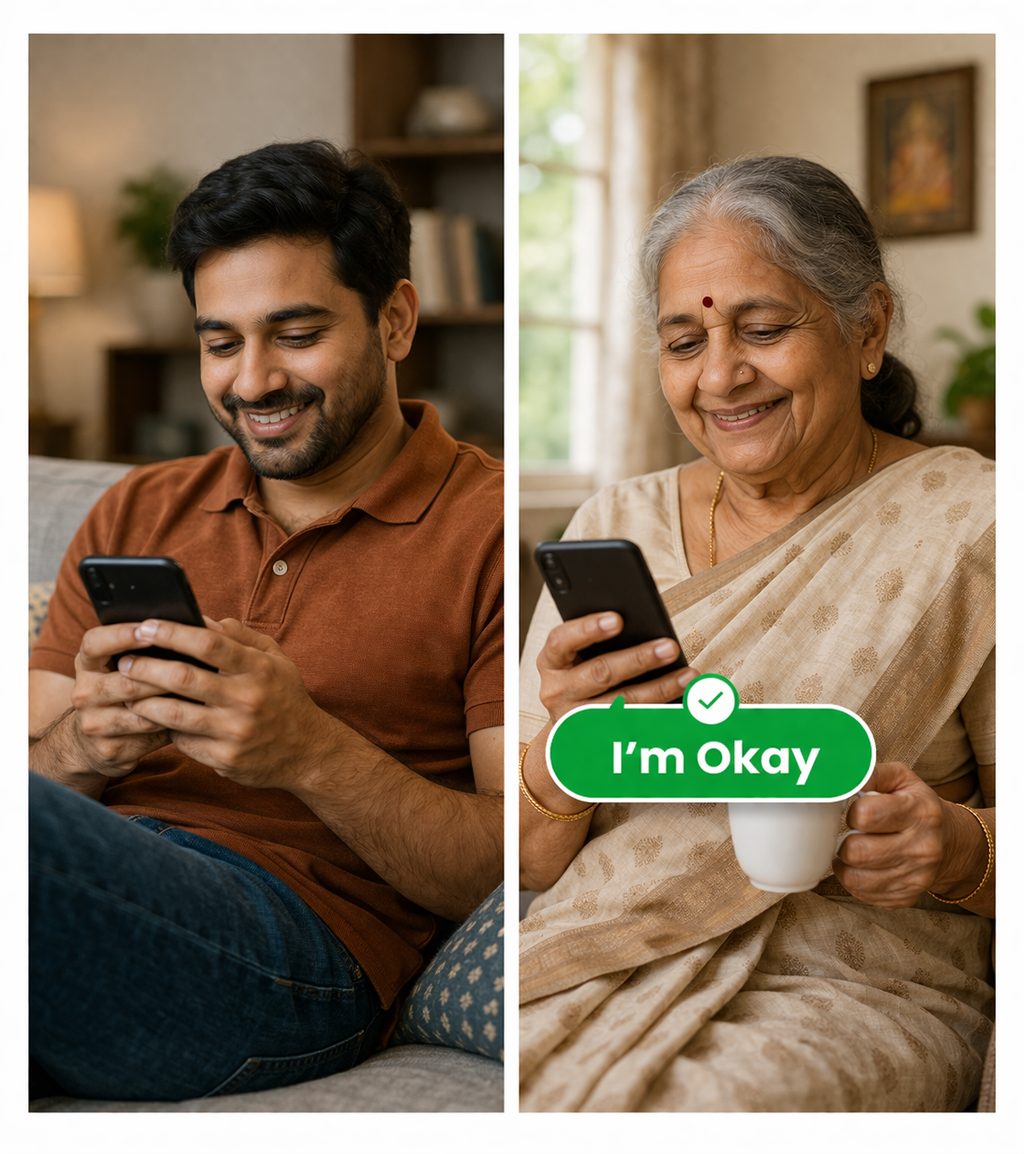
When a parent taps “I’m okay,” they aren’t just sending a signal – they are reinforcing their independence and giving you the gift of a worry-free day.
Sometimes the simplest solutions work best in a world full of complicated health tools and overburdened systems. Although a one-tap check-in may not seem like much, it has a deep and multi-layered impact.
When Grandma taps “okay,” she’s not just sending a signal. She’s reinforcing her independence, trusting her care circle, and making her health part of a shared story. Sometimes we only need to hear that one tap to know she is safe, visible, and resilient.
With 24/7 Emergency Dispatch + Daily Safety Confirmation
You find yourself at the doctor’s office with your elderly parent, and the familiar question arises — “Can you tell me their current medications?” You hesitate, trying to remember the names, dosages, and schedules. Was it 5 mg or 10 mg? Morning or evening? Does this sound familiar?
This moment of confusion is more common than we admit. Many caregivers are balancing duties, appointments, and routines. It becomes challenging to keep track of everything when medications are added, stopped, or changed daily. The problem isn’t just about forgetfulness. A missing detail can cause incorrect prescriptions, repeated medications, or even harmful drug interactions.
These minor mistakes can have serious repercussions for elderly patients who are managing several medical conditions, such as diabetes, hypertension, or arthritis. Having an easy-to-use, dependable, and immediately available digital record can help.
That is exactly whatmySeniorCareHubprovides: a more intelligent method of storing and communicating medication information to physicians, lowering caregiver stress, and assisting seniors in receiving safer, higher-quality care. Digital Medication Log App
Relying on memory or handwritten notes to track medications may seem manageable, but it is often unreliable, particularly for seniors with multiple prescriptions. Paper lists can get misplaced, and verbal updates are subject to errors.
Additionally, caregivers may not always be present during consultations. Digital records effectively address all these issues simultaneously. They provide an accurate, up-to-date description of each drug, including dosage, timing, and purpose.
This facilitates informed decision-making by doctors without delays or confusion. More importantly, they help mitigate serious medical risks. For instance, when a doctor knows exactly what medications a patient is taking, they can avoid prescribing something that might interact adversely. This helps reduce the likelihood of drug-drug interactions (DDIs), overdosing, or duplicate medications—common concerns among elderly patients with complex treatment plans.
Maintaining a well-organized digital medication record promotes medication adherence. You can set reminders, track missed doses, and ensure treatment stays on track, especially when multiple caregivers are involved.
When most needed, mySeniorCareHub allows for safe, well-organised, and immediate access to medication history.
Benefit of mySeniorCareHub – App for Prescription List & Medication Activity Log
What if managing prescriptions didn’t require last-minute phone calls home, sticky notes, or WhatsApp messages? Everything is organized in one place with mySeniorCareHub. Keeping your loved one’s medication log up to date and easily shareable is straightforward and secure with this app, which was designed with real caregiving challenges in mind.
It only takes a few taps to:
Add/update meds with timing & dosage
Set & receive reminders
Email/WhatsApp logs to doctors
Track history & stop duplicates
This feature is smart healthcare in addition to being convenient. mySeniorCareHub facilitates the sharing and accessibility of medication logs, which helps physicians make safer and faster decisions, particularly in an emergency or follow-up.
You can use the same log to coordinate care with other family members or nurses, even if you live far away. It keeps everyone in agreement, lessens misunderstanding, and enhances medication adherence.
From Clinic to Comfort: How It Simplifies Caregiving – Share Medical Records with Doctor in One Click
Being a caregiver isn’t easy. The constant need to remember medical information, particularly prescriptions that change with every consultation, is often a source of additional stress.
mySeniorCareHub takes this load off your shoulders by giving you a central place to manage everything medication-related.
Whether you’re at the clinic, at work, or out of town, you can instantly:
Pull up the latest prescription list
Share it with the doctor during appointments.
Coordinate with other caregivers or nursing staff.
Keep a consistent record of medications over time.
When every healthcare provider has access to accurate, updated information, it leads to better diagnoses, safer prescriptions, and faster decisions. With mySeniorCareHub, caregiving becomes less about remembering everything and more about confidently managing your loved one’s health.
Even minor adjustments can significantly impact senior care. A missed dose, an unclear prescription, or a forgotten update can all quickly harm one’s health. Therefore, having the appropriate tools is not only beneficial but essential.
With its easy-to-use medication record management and sharing feature, mySeniorCareHub revolutionises how doctors and caregivers interact. By keeping everyone informed, it enhances doctor-patient communication, medication safety, and trust.
Providing your loved one with a clear, up-to-date medication log with a tap not only simplifies the doctor’s job but also increases the likelihood that they will receive safe, well-managed care.
Shift your focus from remembering pills to truly caring. Use mySeniorCareHub now to make every checkup less stressful.
One Ignored Refill Could Make All the Difference – Use the Best Medicine Refill Reminder App
Keeping track of regular medicine refills can be challenging for many older adults and their families. However, missing even one refill, especially for chronic conditions like high blood pressure or diabetes, can lead to serious health risks. Imagine an elderly patient with high blood pressure. He skips a dose because his medicine has run out. The following day? A hospital visit. All because he neglected to schedule a refill.
Between daily routines, medical check-ups, and managing multiple prescriptions, it’s easy to overlook refill dates. Often, people realise they’ve run out of medicine only when it’s too late. This disrupts treatment and causes unnecessary stress for the patient and their caregiver.
That’s why mySeniorCareHub’s refill reminder feature was created. It helps seniors and carers stay ahead of the game by sending out simple alerts in advance, ensuring that necessary medications are never missed. It’s a step toward safer, stress-free health management.
Why Refill Reminders Matter More Than We Think
Sticking to a medication schedule is one of the most important parts of managing chronic health conditions. Whether controlling blood pressure, managing diabetes, or preventing seizures, each pill is essential in keeping the body stable. But for many seniors, remembering when to refill these prescriptions isn’t always easy.
Often, people run out of their medicines simply because they forgot. Some think they have enough stock left; others may not track multiple prescriptions properly.
A skipped dose can cause a relapse of symptoms or emergency medical situations that would have otherwise been dodged if medication had been taken, such as a stroke in the case of a hypertensive patient. This is especially true for medicines that need to be taken regularly, like heart medications, insulin, or antiepileptic drugs.
Here’s Where a Refill Reminder App Can Make a Big Difference
Refill reminders provide timely alerts before the medication runs out, reducing the likelihood of missing doses. They act as a safety net, especially for older adults who may be managing multiple prescriptions or those who live alone
Why Do People Miss Refills?
Seniors face real challenges. Many are managing multiple health conditions, taking five, sometimes ten, pills a day. Tracking what’s running low becomes confusing. Some rely on their children or helpers to get the medicines, and delays happen. Others live alone, and a simple trip to the pharmacy feels exhausting.
Here are just a few everyday reasons:
Too many medicines, not enough reminders.
Busy caregivers who genuinely forget.
Mobility issues that delay pharmacy visits.
Lack of a system to track refill dates.
These are not rare situations. They’re common. And they’re exactly why mySeniorCareHubstepped in, with a feature designed to take that mental load off your plate.
How mySeniorCareHub’s Refill Reminder App Works: Simple, Smart, and Seamless
mySeniorCareHub’s foundation is an understanding of what seniors and carers truly need: peace of mind. The refill reminder feature serves as a silent, dependable assistant to make sure that prescriptions are never forgotten.
This is how it operates:
Smart Tracking: After adding a medication to the app, it records the dosage, frequency of use, and remaining pills.
Timely Alerts: Based on the intake pattern, the system sends reminders well in advance of when the medication will run out.
Caregiver Notifications: If a family member or caregiver is linked to the account, they also get notified. This shared responsibility reduces the chances of a missed refill.
mySeniorCareHub does the thinking for you, so you can focus on healing instead of worrying.
The app makes sure that your vitamin supplements and blood pressure medication are refilled on schedule, silently, automatically, and consistently.
Medications You Simply Cannot Afford to Miss: Use Best Medication Reminder App
Some medications are crucial for maintaining health and preventing serious complications. For elderly patients, missing even a single dose can lead to dangerous outcomes due to age-related vulnerabilities and multiple health conditions.
Here are some examples:
Blood pressure medications (such as Amlodipine or Telmisartan): Missing a dose may cause blood pressure to rise suddenly, increasing the risk of stroke, heart attack, or organ damage.
Diabetes medications (such as Metformin or Insulin): Skipped doses can lead to dangerously high or low blood sugar levels, both of which may require emergency medical care.
Blood thinners (such as Warfarin or Clopidogrel): Help prevent blood clots. If missed, the risk of stroke or clot-related complications can rise significantly, especially in those with heart conditions.
Anti-seizure medications (such as Levetiracetam): For people with epilepsy, even one missed dose may trigger a seizure.
Thyroid medications (such as Levothyroxine): Missing doses can disrupt hormone balance and lead to symptoms like fatigue, mood changes, and weight gain.
Heart failure medications (such as Digoxin or Diuretics): These help manage symptoms like fluid retention and irregular heartbeat. Missed doses may cause breathing difficulty, swelling, or a worsening of heart function.
Better Adherence, Better Health Outcomes. Best Medication Refill Reminder App
Medication adherence means taking the right medicine at the right time, in the right dose, without missing a single day. However, this isn’t always simple in the real world, particularly for elderly people who are managing several prescriptions, memory problems, and hectic caretakers.
Refill reminders play a critical role in improving adherence. They create a reliable routine, gently prompting patients or caregivers to act before it’s too late. When medications are taken consistently, the benefits are clear:
Blood pressure stays under control.
Blood sugar levels become more stable.
There is less chance of a heart attack or stroke.
Emergency hospital visits become less frequent.
Overall quality of life improves.
Several studies have shown that automated reminders can significantly increase medication adherence, particularly in older adults and those managing chronic diseases. Digital interventions, such as those found in mySeniorCareHub, aid in bridging the gap between daily behaviour and recommended care.
It’s about taking charge of your health, not just about taking medication. This journey is supported by mySeniorCareHub, which uses technology that feels personal rather than clinical.
Refill Reminder App: A Small Step Toward Safer, Smarter Senior Care. Available for Android & iOS
In healthcare, the smallest gaps often lead to the biggest consequences. A missed refill can mean a missed dose, and for many seniors, that is the difference between stability and a setback. Medication adherence is not just a personal responsibility; it is a healthcare priority. Refill reminders are one of the simplest and most effective tools available to support it.
Take the case of Linda, a 68-year-old from Ohio living with atrial fibrillation. After forgetting to refill her blood thinner medication, she suffered a mild stroke that could have been prevented. Since then, Linda has been using a digital reminder system. With consistent refills and doses, her condition is now under control, and she has not missed a single medication in over a year.
Stories like Linda’s are not rare, but they can be rewritten. Our goal with mySeniorCareHub’s intelligent refill reminders is to protect what is important, prevent what can be prevented, and provide peace of mind to every family.
Since healthy habits are the foundation of good health, it’s never too late to get back on track.
This was the third time in a week that 78-year-old Nancy had asked the same question.
Nancy lives in Ohio, and like many older adults, she values her independence. Her daughter, Emma, visits every weekend. One Saturday, Nancy mentioned feeling dizzy and had trouble keeping her balance. Emma checked the medicine cabinet and noticed two pills of the same kind had been taken for the day instead of one. That same evening, they ended up in the ER. Diagnosis? Accidental overdose.
This kind of situation is way more common than you might think. And it doesn’t just happen to people living alone. Overdose in seniors is a quiet but dangerous problem. One that stems from forgetfulness, multiple medications, and a lack of timely support.
Let’s talk about why it happens, how to catch the signs early, and how using tools like mySeniorCareHub can keep our loved ones safe.
As people get older, their bodies and brains change. That’s natural. But that also means managing medications becomes harder. Here are a few reasons why overdoses happen:
● Memory slips (especially in dementia) – It’s easy to forget if you took your meds already. Conditions like Alzheimer’s or mild cognitive impairment make it worse.
● Too many prescriptions (called “polypharmacy”) – Most seniors take 5 or more pills a day. That’s a lot to keep track of! One missed dose or extra pill can throw things off.
● Vision problems – Tiny print on bottles. Similar-looking pills. It’s a recipe for mix-ups, especially in low light.
● Shaky hands, arthritis, or poor grip – For someone with mobility issues, it can be difficult to cut tablets in half and open bottles.Changes in the body with age – The liver and kidneys slow down with age. That means the body clears drugs more slowly, and even small overdoses can become toxic.
This app was created with care and with seniors in mind. It is not about introducing more technology into their lives. It is about making everyday tasks easier and safer.
If Grandma skips a dose or takes two, her daughter gets a ping.
It is also possible to connect with a nurse or senior care companion.
Medication history at a glance
Helpful for doctor visits.
Tracks patterns: “Are they skipping night meds?”
Tracks cognitive health
Picks up on increasing forgetfulness.
It can even indicate whether memory issues are worsening.
Emergency alerts
If a senior has a sudden drop in blood pressure or other unusual vital signs, an alert is sent.
GPS helps emergency teams locate them fast.
Other Simple Fixes That Work
Technology is amazing, but even small daily changes can help avoid overdose:
✔ Use weekly pill organizers
Simple, labelled containers can reduce mistakes. Some even beep!
✔ Get regular “med checks.”
Ask your doctor or pharmacist to review all meds. You’d be surprised how many can be reduced or stopped.
✔ Use voice reminders
Especially in their voice or a loved one’s voice. Makes it feel more personal.
✔ Talk openly
Create a routine: “After breakfast, let’s take meds together.”
✔ Colour-code bottles
The sticker system can help red = morning, blue = evening.
Let’s Be Real for a Second…
No one wants to feel like they’re being watched. Seniors want their dignity, not babysitting. The beauty of mySeniorCareHub is that it helps quietly in the background.
It supports independence. It provides safety without intruding.
And most importantly, it brings peace of mind to families who can’t always be there in person.
When to Call 911
If your loved one:
Is passed out or extremely drowsy
Has trouble breathing
Is confused or hallucinating
Has seizures or chest pain
Call for help immediately. Bring any pill bottles or a list of medications with you.
Final Words from the Heart
We all want our parents and grandparents to live with dignity, comfort, and safety. But accidental overdoses can take that away in an instant.