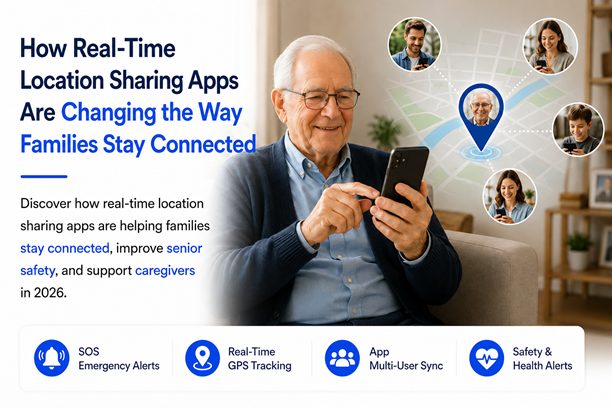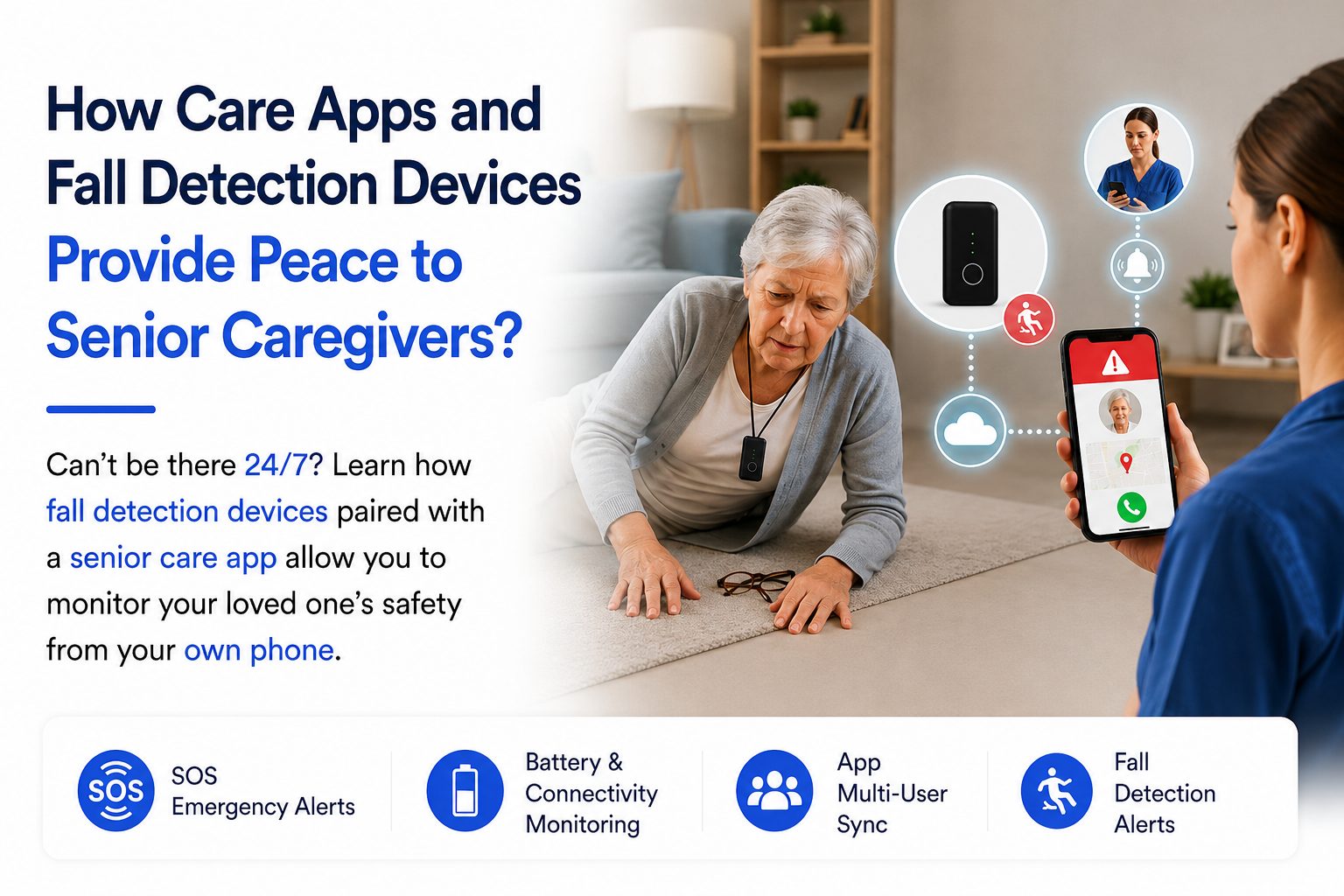
In 2026, we don’t have to choose between intrusive surveillance and “hoping for the best.” This guide explores how a daily check-in app for seniors bridges the gap, respecting an elder’s dignity while guaranteeing your peace of mind.
It’s 11:30 AM on a Tuesday. Your father hasn’t answered his phone, and that familiar “silent anxiety” is setting in. Is it an emergency?
Distance Shouldn’t Mean Daily Worry
When your parents live in another city or country, you wake up with one question
For the 14.7 million American seniors living alone, independence is vital; but for their long-distance children, it’s a source of constant worry. You want to protect them without being overbearing.
Manual Calling: Prone to human error. If you get stuck in a meeting or your parent is in the garden without their phone, the “safety check” fails. This leads to “False Alarm Fatigue,” causing unnecessary panic for you and a sense of guilt for them.
GPS Tracking Apps: Invasion of Privacy. Many seniors feel “tracked” like a teenager, which can strain the parent-child relationship. Crucially, a GPS dot on a map doesn’t tell you if they are well, only that they are home.
Medical Alert Devices: Statistics show that many seniors refuse to wear “the button” because it makes them feel frail. Furthermore, many forget to put it on after a shower – exactly where the highest percentage of falls occur.
Scenario: phoebe (NY) cares for her father, Mr. Geller (Arizona).
Old Way: Phoebe waits for a 10:00 AM WhatsApp message. No news means a morning of anxiety and “knots in her stomach.”
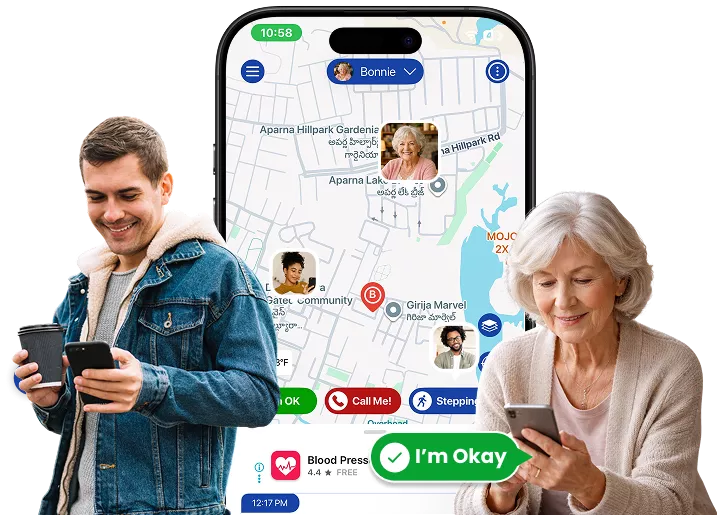
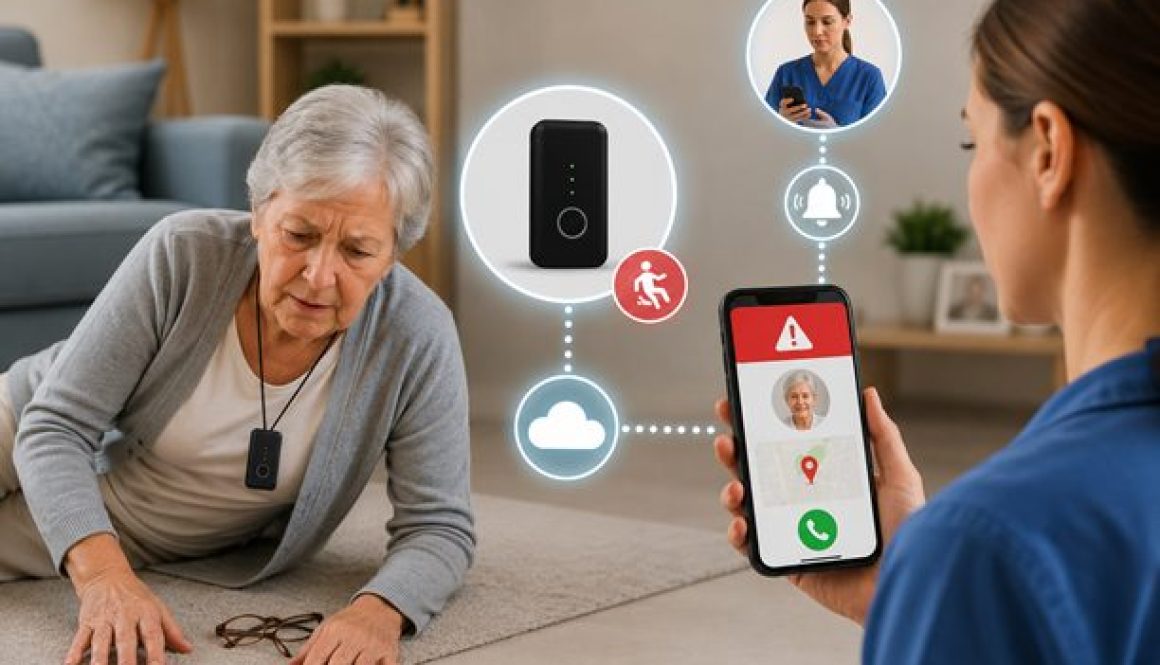
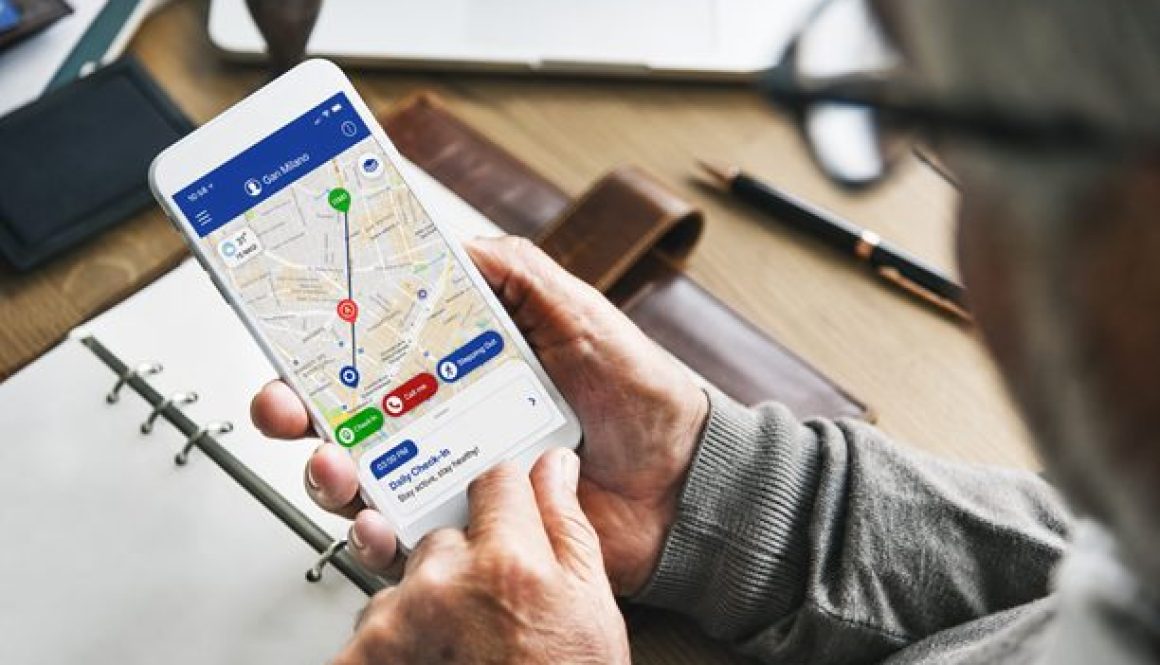
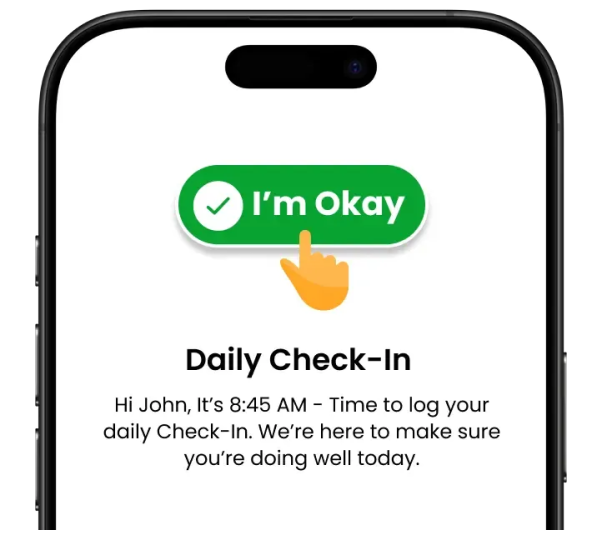
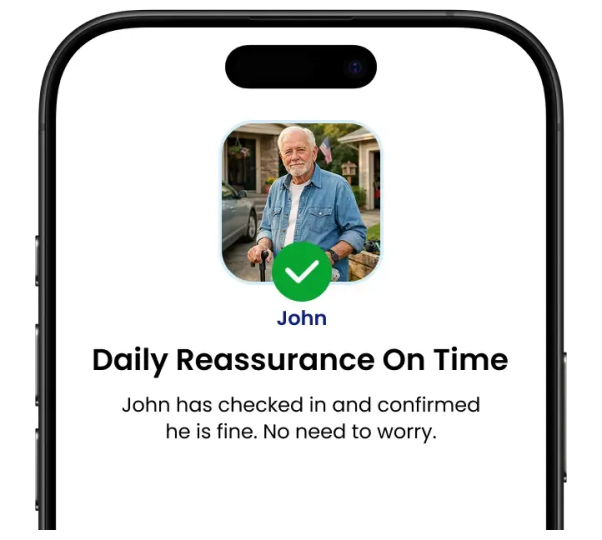
mySeniorCareHub Way: Mr. Geller taps “I’m Okay” with his tea. Phoebe wakes up to a reassurance notification. If a fall occurs, Phoebe and local responders are alerted instantly.
Daily Check-In App for Seniors living alone
Senior
Caregiver
Caregiver
Independence shouldn’t mean being alone. Give your parents the freedom they want and give yourself the reassurance you need.
With our daily check-in app for seniors, you aren’t just buying software; you are investing in a promise that your parent will never be left alone in their time of need.
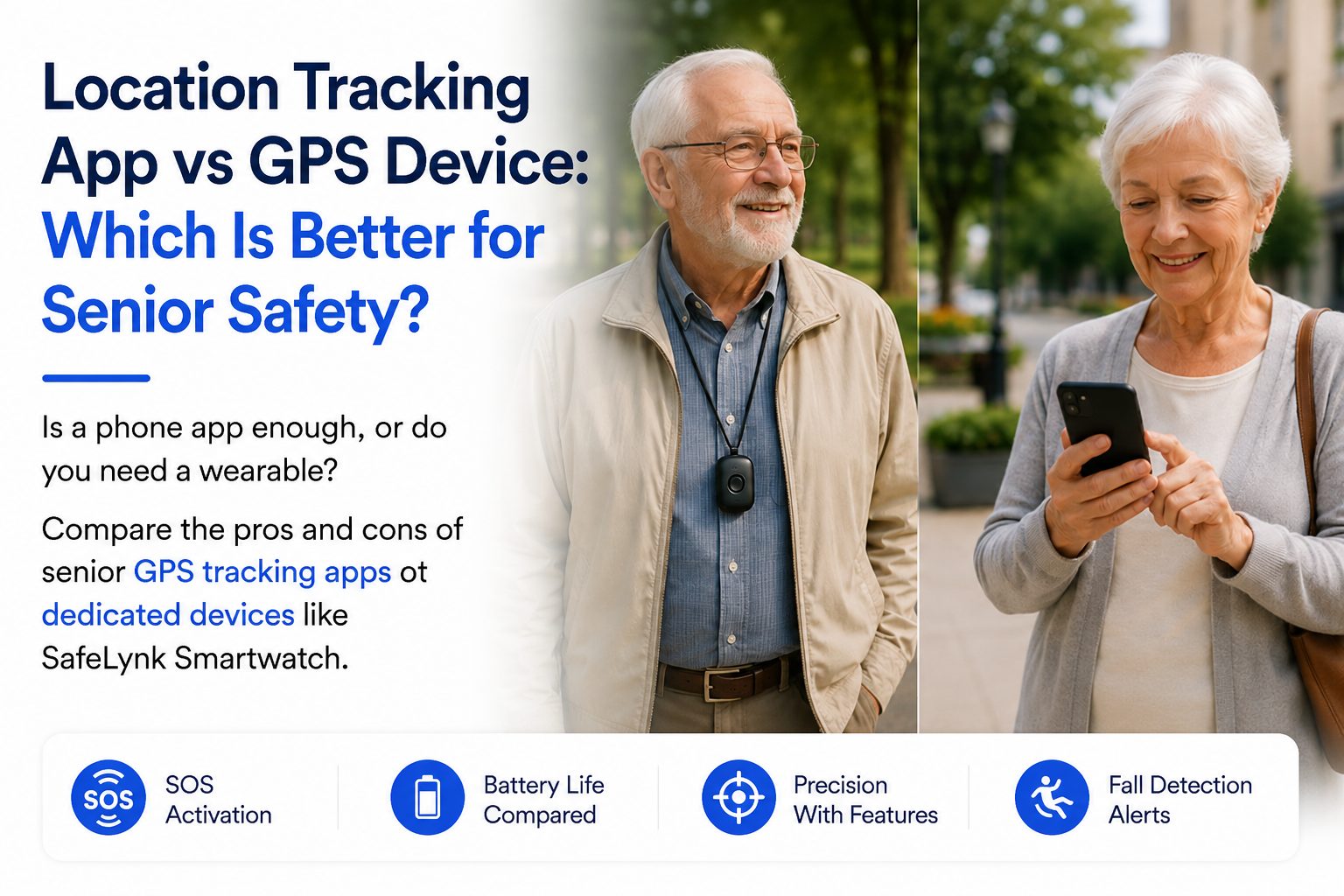
As we age, maintaining independence while staying safe is a top priority. For many seniors and their caregivers, the question isn’t if you need a safety net, but how that net should be delivered. With the rise of smartphone technology, many are choosing between emergency alert apps and medical alert devices for seniors.
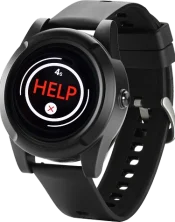
While apps offer modern convenience, dedicated hardware like our SafeLynk Smart Watch is setting a new standard for reliability. In this guide, we break down the stats, the costs, and the technology to help you decide which medical alert app or device for seniors is truly the best fit.
Medical alert apps turn your smartphone into a safety tool. While they are accessible, they come with “hidden” risks that many families overlook.
According to Pew Research, while smartphone adoption among seniors has grown, nearly 40% of seniors report feeling “only somewhat” or “not at all” confident using electronic devices.
In a high-stress emergency, navigating a touchscreen, bypassing a lock screen, or waiting for an app to load can waste precious seconds.
Apps that utilize continuous GPS tracking to keep family members informed are notorious for draining smartphone batteries. If a phone dies by 4:00 PM, the “safety net” disappears entirely.
Why Dedicated Hardware is the Gold Standard for Senior Safety
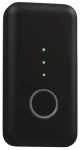
Dedicated medical alert devices for seniors, like our SafeLynk Smartwatch or Locket, are engineered for one purpose: saving lives.
Dedicated Cellular Connectivity
Unlike an app that relies on your phone’s signal and battery,SafeLynk devices operate on their own dedicated 4G LTE network.
This means that even if you leave your phone at home or it runs out of battery, your watch remains a fully functional emergency communicator.
Professional Monitoring vs. “Best Effort” Notifications
Most apps simply send a text to a family member and hope they are looking at their phone. Our SafeLynk device subscription provides:
Integrated Fall Detection: Advanced sensors designed to distinguish between a dropped phone and a human fall.
Two-Way Voice: Speak directly through the watch to emergency responders.
Which One Should You Choose?
Choose a Medical Alert App IF:
You are highly tech-savvy and never leave home without a fully charged phone.
You only need “check-in” features rather than emergency response.
You are on a very tight month-to-month budget.
Choose a Dedicated Device (SafeLynk) IF:
Reliability is Non-Negotiable: You want a device that works even if your phone is in the other room.
Ease of Use: You prefer a simple, physical button for emergencies.
Financial Savvy: You want to avoid “subscription creep” and own your safety device outright.
Active Lifestyle: You need a water-resistant, durable wearable that can keep up with gardening, walking, and daily chores.
Medical Grade Protection for Total Peace of Mind
When it comes to senior safety, the “convenience” of an app often pales in comparison to the “certainty” of a dedicated medical alert device.
A smartphone is a communication tool; SafeLynk devicesare a medical-grade lifesaver. Invest in a device that’s always ready, always watching, and always connected.
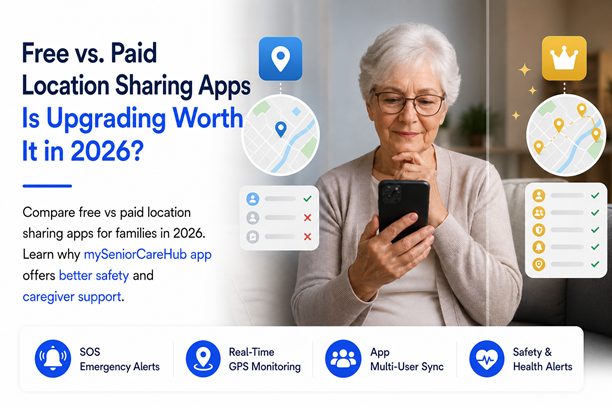
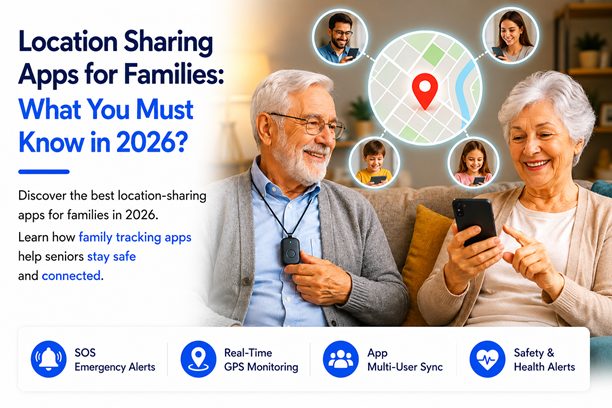
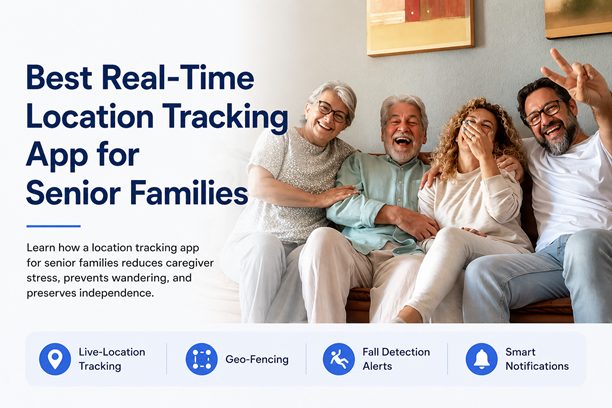
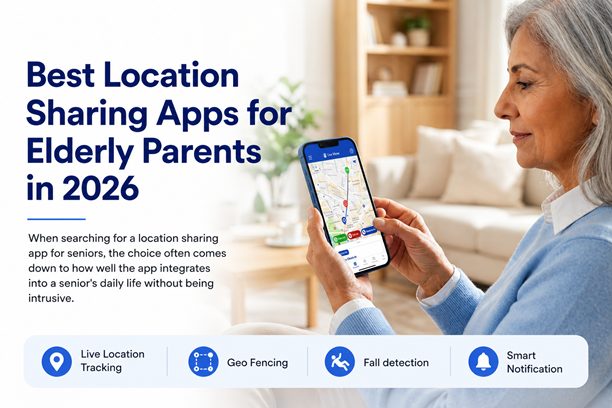
Best Family Location Sharing Apps in 2026 (For Safety & Peace of Mind)
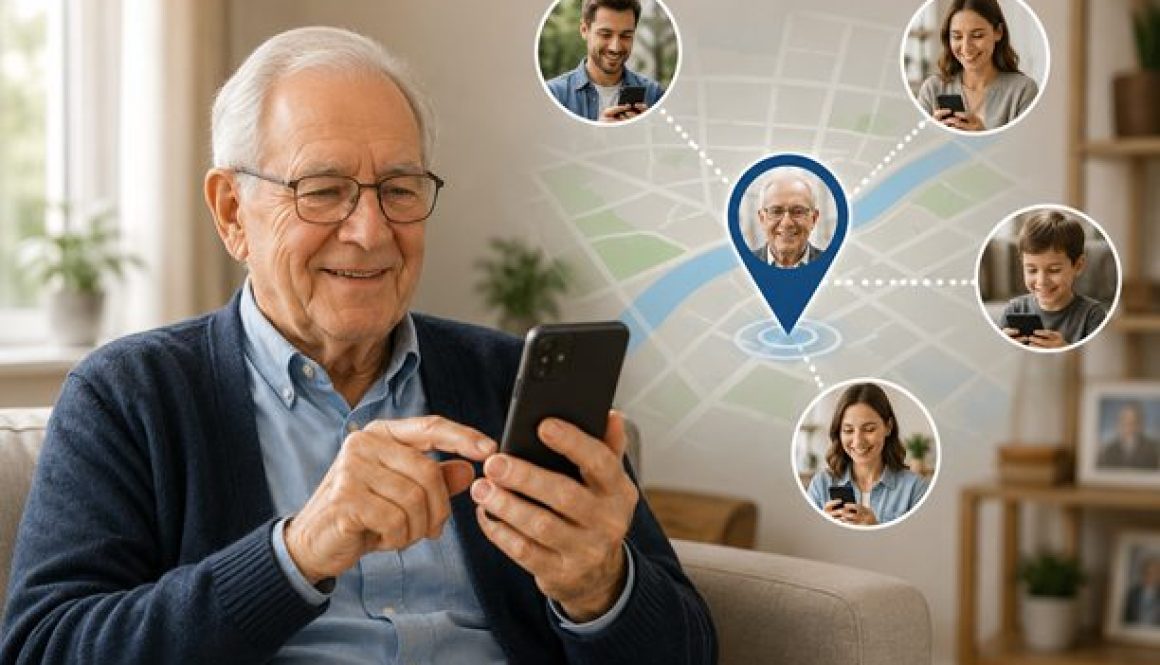
Keeping your family safe – especially parents living alone – has become more important than ever. Whether you live in the same city or abroad, knowing their real-time location and being alerted during emergencies brings unmatched peace of mind.
In this guide, we’ve handpicked the best Family Location Tracking Apps 2026, including options with SOS alerts, fall detection, and caregiver monitoring – so you can stay connected and protect your loved ones effortlessly.
Whether you are monitoring an aging parent’s morning walk or ensuring your teenager arrives at practice, choosing the right location tracking app for family needs can be overwhelming.
In 2026, knowing the real-time location of your loved ones isn’t just a convenience; it’s an essential layer of family safety.
Why Family Location Sharing Apps Are Essential in 2026?
Problem: Caregiver’s Anxiety Gap
Modern families face a growing “anxiety gap.” Relying on manual check-ins is unreliable, especially for seniors with dementia or busy teens.
Data shows that 72% of parents now use tracking to reduce this cognitive load, as caregivers using these tools report a 40% reduction in anxiety regarding wandering incidents and safety.
Solution: Choosing Your Safety Tier
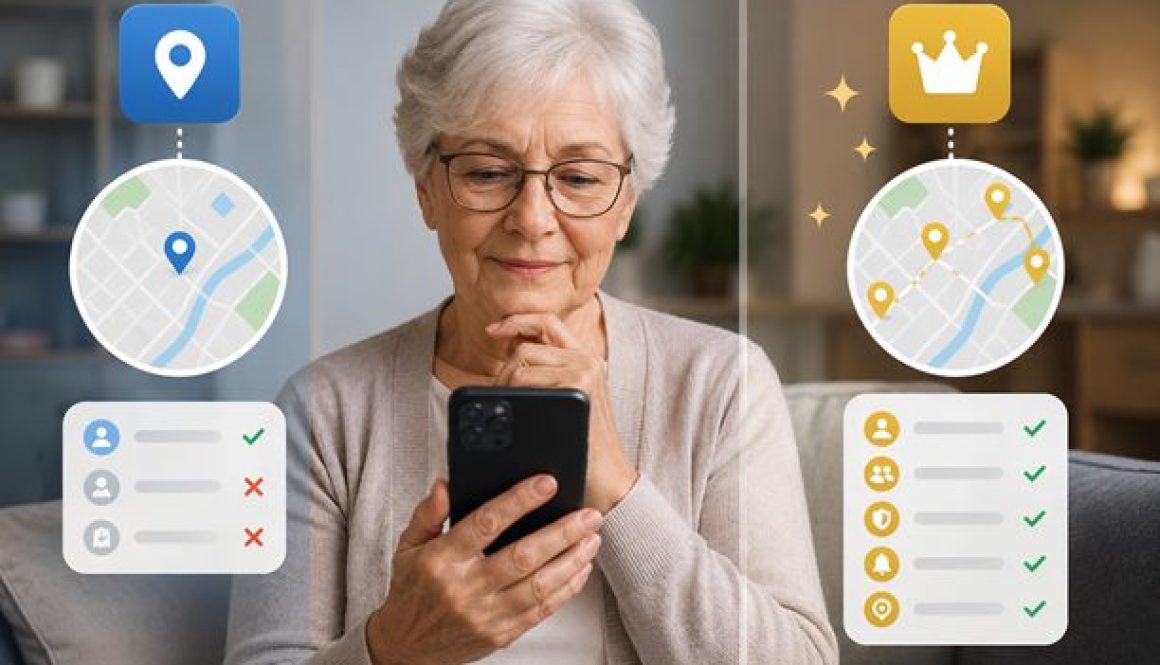
In 2026, family safety solutions generally fall into three categories:
Ecosystem Defaults: Free, “no-frills” tools like Google Maps or Apple Find My for basic location sharing.
Behavioral Trackers: Apps like Life360 or FamiSafe that focus on driving analytics and screen time for teenagers.
Holistic Wellness Platforms: Advanced suites that combine GPS with physical health metrics for 360-degree protection such as mySeniorCareHub.
Protect Your Elderly Loved Ones Today
Join thousands of families using mySeniorCareHub App to ensure their parents stay safe and independent.
the ideal choice for A Family tracking app in 2026
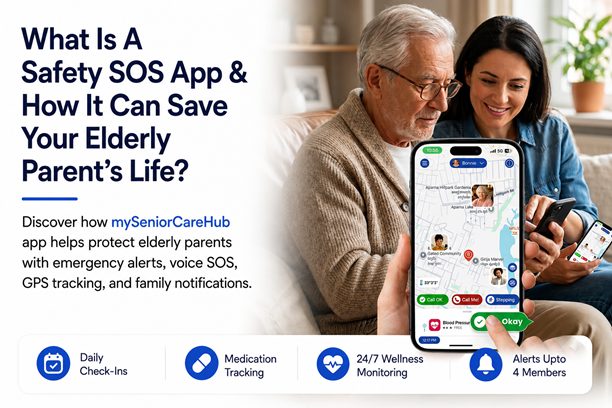
While competitors focus on a single GPS dot, mySeniorCareHub offers a holistic view of safety. We bridge the gap between location and health by integrating real-time vitals monitoring (blood pressure and heart rate) alongside standard geo-fencing.
With automatic fall detection and a “consent-first” interface designed for senior readability, it transforms tracking from “spying” into a supportive tool for independence.
It’s the gold standard for families who need to know their loved ones are not just located, but healthy.
Scenario: 78-year-old Arthur, who enjoys his daily walks.
Consider Arthur, who enjoys walking daily but occasionally gets disoriented.
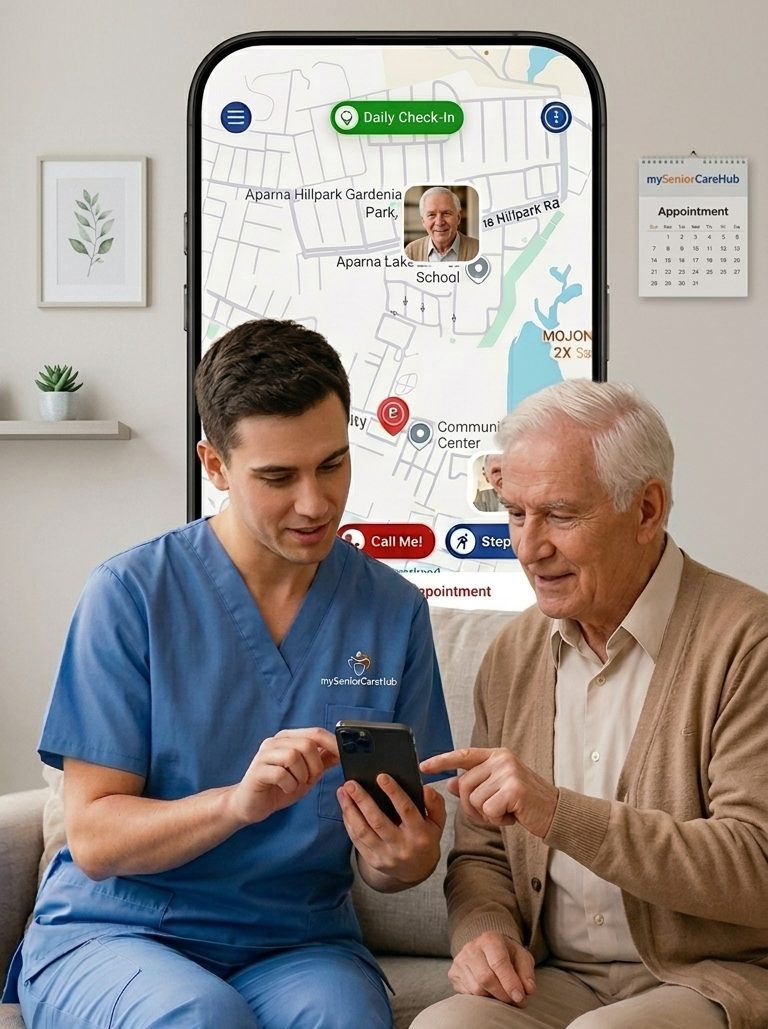
Instead of constant calls that feel like spying, his daughter, Milie, uses mySeniorCareHub to set a Safe Zone around his park.
She gets a quiet alert when he arrives and an immediate SOS if the app detects a sudden fall. Arthur keeps his indepedence; Milie keeps her peace of mind.
Secure Your Family’s Safety While Prioritizing Senior Independence
Hundreds of Reviews from Senior Caregivers & Families
100K Downloads across different App Stores
Frequently Asked Questions (FAQ)
Q. What is the best family location tracking app in 2026?
The best family location tracking app in 2026 is one that offers real-time GPS tracking, SOS alerts, and emergency support. Apps like MySeniorCareHub App stand out by combining location tracking with health monitoring and instant alerts making them ideal for families prioritizing safety.
Q. Which app is best for tracking elderly parents?
A. For elderly parents, the best apps include features like SOS alerts, fall detection, and caregiver notifications. Solutions such as MySeniorCareHub App are specifically designed for senior safety, allowing families to monitor location and receive alerts in emergencies.
Q. Can I track my parents’ location from another country?
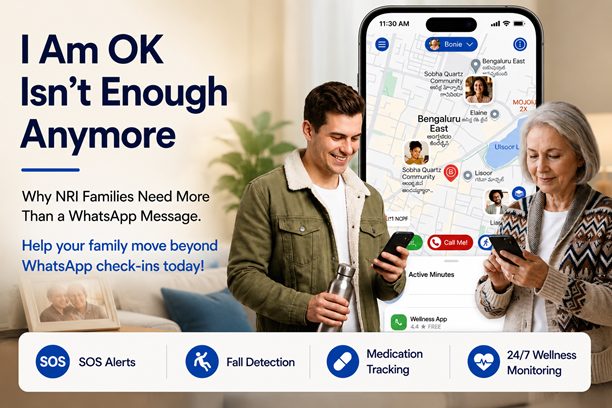
Yes, many modern apps allow global real-time tracking, making them perfect for NRIs or families living abroad. Apps like MySeniorCareHub App enable you to monitor your parents’ location, receive SOS alerts, and stay connected, no matter where you are.
Q. What features should a family tracking app have?
A. A reliable family tracking app should include real-time location tracking, geofencing alerts, SOS emergency features, and caregiver notifications. Advanced apps like MySeniorCareHub App also offer health monitoring and family sharing features for complete peace of mind.
Q. Are these apps safe for my sensitive data?
A. Look for apps that offer end-to-end encryption and clear opt-out policies. Premium apps like mySeniorCareHub and Apple Find My prioritize user data protection over advertising.
mySeniorCareHub, a leader in digital health solutions, is proud to announce it has received the 2026 Best Medical Mobile App with Wearable Devices award from Your Opinion Corner. This accolade cements the platform’s status as the best mobile app for families seeking integrated, high-tech medical safety and health monitoring for their loved ones.
Your Opinion Corner, a respected authority in consumer technology, recognized mySeniorCareHub for its revolutionary approach to senior safety. This award distinguishes the app among global industry leaders for its seamless blend of AI and wearable technology.
“We are incredibly proud to receive this recognition,” said Anish Desai of mySeniorCareHub. “Our goal was to create an app that goes beyond basic tracking to provide a vital, life-saving connection between seniors and their families. This award validates our team’s dedication to solving the complex challenges of remote elder care.”
Award-Winning Features for Proactive Senior Care:
The evaluation focused on functionality, user experience, and real-world impact. mySeniorCareHub stood out through several core innovations:
AI-Powered Health Insights with Kiara: An intuitive AI assistant that allows seniors to check drug interactions and log symptoms hands-free via voice commands.
360° Safety Monitoring: Real-time GPS tracking, advanced fall detection, and customizable geofencing for immediate emergency response.
Integrated Vital Sign Tracking: App monitors blood pressure, oxygen levels, and heart rate, synthesizing data into an AI Wellness Score.
Unified Family Dashboard: A secure interface on both iOS and Android that allows multiple family members to collaborate on care in real-time.
As the demand for Remote Patient Monitoring (RPM) grows, mySeniorCareHub remains at the forefront, empowering seniors to maintain independence while providing families with unparalleled peace of mind.
About mySeniorCareHub:
mySeniorCareHub is a leading provider of mobile health solutions. Their award-winning app offers a comprehensive suite of features for health monitoring and emergency response. For more information, visit our about us page
About Your Opinion Corner:
Your Opinion Corner is a prominent platform providing unbiased reviews. Their niche is in consumer technology and lifestyle services, helping consumers navigate the digital landscape with confidence.
Media Contact:
mySeniorCareHub Public Relations Email: Support@myseniorcarehub.com Website: www.mySeniorCareHub.com
We are moving swiftly past the image of basic, bulky technology for seniors and into an era of sophisticated, integrated AgeTech.
This revolution is centered on a single, powerful goal: enabling older adults to age in place with enhanced safety, continued independence, and proactive health management.
Let’s take a look at key technologies that are transforming senior living and expectations from the next generation of care.
The home is transitioning from a passive dwelling to an active partner in care, constantly monitoring and optimizing the environment for safety and comfort.
Technology
Impact on Senior Living
Voice-Activated Assistants
Controlling lighting, adjusting thermostats, setting medication reminders, and making hands-free calls are crucial for those with limited mobility or dexterity.
Integrated Safety Sensors
Motion sensors, smart doorbells, and non-wearable bed sensors track routine activity patterns. AI analyzes this data to flag unusual inactivity or changes in sleep, alerting caregivers before an emergency occurs.
Automated Lighting
Smart lighting illuminates pathways when motion is detected at night, dramatically reducing the risk of falls, which often happen in the dark.
Goal: To create an invisible safety net that supports independent living without feeling intrusive or restrictive.
2. Senior Wearables Go Proactive with AI and Predictive Analytics
Wearable devices are no longer just fitness trackers; they are becoming powerful diagnostic and predictive tools. The integration of Artificial Intelligence (AI) is the biggest game-changer.
Smarter Fall Detection: Next-generation devices use advanced AI and algorithms to distinguish between a trip, a sudden sit, and a genuine, high-impact fall, drastically reducing false alarms while ensuring immediate response when needed.
Continuous Vital Monitoring: Smart watches monitor more than just heart rate. They continuously track data points like blood pressure, pulse, and oxygen levels. AI analyzes these real-time streams to detect subtle anomalies. That may be a signal of the early onset of conditions like infection, cardiovascular issues, or cognitive decline.
Proactive Health Alerts: Predictive analytics shift care from reactive to preventive. By analyzing historical and real-time data, systems can predict potential health crises. Examples could be an increased fall risk or medication-related issues, days or even weeks in advance, prompting timely medical intervention.
This transformation turns a simple emergency button into a powerful, miniature health data center.
3. The Digital Health Revolution: Remote Patient Monitoring (RPM)
The future of healthcare for seniors involves fewer inconvenient trips to the doctor’s office and more personalized care delivered remotely.
Telehealth Integration: Virtual doctor visits, specialized consultations, and even mental health counseling are becoming routine, providing accessible care for seniors with mobility challenges or those living in rural areas.
Seamless Data Sharing: Wearables and smart health monitors seamlessly transmit real-time health data to approved healthcare providers. This data provides doctors with a comprehensive picture of a senior’s health status, enabling accurate diagnoses and personalized treatment plans.
AI-Powered Medication Adherence: Smart pill dispensers and wearable reminders are now integrated with apps. They can check for drug interactions and track refill alerts, preventing dangerous medication errors and simplifying complex daily routines.
SafeLynk Difference: Connecting Today’s Technology with Tomorrow’s Senior Care
We believe the future of senior care is available now. SafeLynk Smart Watch is engineered to bridge the gap between advanced technology and simple, reliable use.
It embodies the next era of senior-friendly tech by offering:
Real-Time Data Collection: Log daily vitals like Blood Pressure, Heart Rate, and Oxygen right in the companion app.
Intelligent Assistance: The Voice Intelligent Agent, Kiara, helps manage medication and provides health information without complex typing.
Integrated Safety: Features like built-in Fall Detection, GPS Tracking, and 24/7 Emergency Dispatch ensure help is always a voice command or a button press away, no matter where life takes them.
Ready to Embrace the Future of Worry-Free Aging?
Don’t wait for the technology of tomorrow when the best in modern care is available today. Empower your loved one with the confidence to live fully and independently. Secure SafeLynk Smart Watch and Step into the Future of Care.
mySeniorCareHub announces the Launch of Smart Medical Alert Devices with Integrated Health Monitoring for Seniors
Revolutionary device combines 24/7 emergency response, AI health insights, and caregiver connectivity, empowering safer, healthier aging.
Scotch Plains, New Jersey – 30th October, 2025
mySeniorCareHub, a pioneer in senior safety and connected wellness solutions, proudly announces the launch of its Smart Medical Alert Device with Integrated Health Monitoring: a breakthrough technology empowering older adults to live safely and independently.
This next-generation device combines real-time emergency support with proactive health tracking, giving seniors, families, and caregivers the confidence that help and health data are always within reach.
A Smarter Way to Stay Safe and Healthy
Unlike traditional medical alert systems that only respond to emergencies, the new mySeniorCareHub device offers an all-in-one approach to senior well-being:
24/7 SOS Emergency Response: Connects users instantly to trained emergency professionals at the push of a button.
Integrated Health Monitoring: Tracks vital signs such as heart rate, oxygen levels, activity levels, and medication reminders in real time
Mobile App Connectivity: Caregivers and family members receive instant alerts and daily health summaries via the mySeniorCareHub app.
Geo-Fencing & Fall Detection: Provides automatic alerts in case of a fall or unusual movement, with accurate location tracking.
AI-Powered Insights: Offers an AI-powered drug interaction checker and symptom checker for proactive health management.
Empowering Seniors, Supporting Families
“Our goal is to help seniors live confidently and independently while giving families peace of mind,” said Mr. Anish Desai, CEO and Founder of mySeniorCareHub.
These smart medical alert devices and their companion mobile app transform traditional medical alert systems into an intelligent health companion, blending safety, wellness, and technology into one easy-to-use solution
The device integrates seamlessly with the mySeniorCareHub ecosystem, which includes features like daily safety check-ins, medication reminders, vital monitoring, and a personalized wellness score.
Availability and Direct Purchase
The MySeniorCareHub Smart Medical Alert Device with Health Monitoring is now available for purchase directly from the company’s e-commerce website: Buy Now at https://MySeniorCareHub.com/ecommerce
Each purchase includes:
24/7 monitoring and emergency response service
Access to the caregiver mobile app
100 % Free hardware with no annual contract
About MySeniorCareHub
MySeniorCareHub is a health technology company focused on redefining senior care through connected, data-driven solutions.
The platform empowers seniors and caregivers with tools that combine safety, wellness, and independence, enabling confident aging at home
Media Contact:
MySeniorCareHub Public Relations Email: Support@myseniorcarehub.com Website: www.MySeniorCareHub.com
Learn how medical alert watches with fall detection for seniors protect your loved ones. Explore features, benefits, and why mySeniorCareHub believes they’re essential for elderly safety and independence.
Rise of Wearable Medical Alert Watches with Fall Detection for Seniors
In today’s fast-paced world, technology has become a vital partner in healthcare. Among the most impactful innovations are medical alert watches; smart, wearable devices designed to provide instant help during emergencies.
For seniors, especially those living independently, choosing the best medical alert watches with fall detection for seniors has proven to be a lifesaving decision.
What is a Medical Alert Watch?
A Medical Alert Watch is a wearable device that combines the functions of a wristwatch with safety features like:
Emergency call button to connect directly with caregivers or emergency services.
GPS tracking is vital for locating seniors quickly in real-time.
Automatic Fall detection sensors that automatically alert contacts when a fall occurs.
Health monitoring features like heart rate, blood pressure, or medication reminders.
These medical alert watches for the elderly are discreet, user-friendly, and more comfortable for seniors compared to traditional alert pendants.
Fall Risks in Seniors – Why Fall Detection is Critical
Falls are one of the leading causes of injury in older adults. According to the World Health Organization:
1 in 3 seniors over age 65 experiences at least one fall each year.
Falls account for 20–30% of mild to severe injuries in older adults.
Immediate medical attention after a fall reduces complications significantly.
For seniors living alone, delayed response time can be dangerous. This is why mySeniorCareHub advocates for medical alert watches with fall detection for seniors to bridge the gap between an accident and emergency care.
Benefits of Medical Alert Watches for Seniors
Here’s why families and caregivers choose these devices:
24/7 Emergency Support – Automatic alerts ensure help is always within reach.
Peace of Mind – Families can remotely monitor their loved ones’ safety.
Faster Response Time – Alerts reach caregivers or emergency services immediately.
Encourages Independence – Seniors can live confidently without fear of being unattended during emergencies.
All-in-One Health Tool – Many watches also monitor steps, heart rate, and sleep patterns.
Comparing Watches vs. App-Based Alerts
Many seniors already use smartphones, but watch-based alerts are often more practical.
When comparing medical alert watches with fall detection for seniors against smartphone apps, the watch is the clear winner for reliability:
Features
Medical Alert Watch
App-Based Alerts
Fall Detection
Automatic, built-in sensors
Limited (depends on phone)
Ease of Use
Simple – just wear it
Requires phone handling
Accessibility
Always on the wrist
The phone may not be nearby
Battery Life
Long-lasting
Depends on phone usage
Discreet Design
Looks like a regular watch
Requires a visible phone
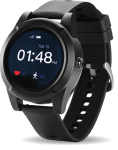
For example, mySeniorCareHub Safelynk Smartwatch combines fall detection, GPS tracking, and caregiver connectivity – all in a sleek, wearable design.
Unlike phone-based apps, the watch is always within reach, even if the senior forgets their phone.
How Fall Detection Technology Works?
Medical alert watches use advanced motion sensors and accelerometers to track movement. Here’s how:
Detection – The watch identifies sudden movements, such as a downward acceleration consistent with a fall.
Analysis – It checks for inactivity after impact (e.g., if the wearer doesn’t move).
Alert – If no response is detected, it sends an automatic alert to emergency contacts or monitoring services.
Verification (Optional) – Some devices give the wearer 20–30 seconds to cancel the alert if it was a false alarm.
This combination of AI-driven technology and real-time monitoring makes fall detection highly reliable.
Final Thoughts: Keeping Seniors Safe with Smart Wearables
Medical alert watches with fall detection for seniors are more than just gadgets; they are lifesaving tools.
Protect your loved ones with our SafeLynk Smartwatch. At mySeniorCareHub, we believe safety should be affordable, which is why we’re offering a limited-time discount on our flagship fall-detection device.
Thousands of families trust mySeniorCareHub for 24/7 protection – now it’s your turn
No Long-Term Contracts. No Hidden Fees. Setup In Minutes.
Frequently Asked Questions
Do medical alert watches with fall detection for seniors really work?
Yes. Using highly sensitive accelerometers and gyroscopes, these watches detect the specific impact and speed of a fall.
If a senior is unable to press the button, the mySeniorCareHub SafeLynk Smartwatch automatically initiates an emergency alert to ensure help is dispatched immediately.
Can the watch tell the difference between a fall and a sudden movement?
Modern technology is very precise. The software analyzes “velocity” versus “impact.”
If you drop your arm quickly or clap, the watch recognizes it as a normal movement. However, if a false alarm occurs, most devices offer a 30-second window to cancel the alert before it notifies emergency contacts.
Is there a monthly fee for medical alert watches?
Most high-quality medical alert watches with fall detection for seniors require a small monthly subscription.

This covers the cellular connection (no smartphone required) and the 24/7 professional monitoring service that stays on the line with the senior until help arrives.
Are these watches waterproof for use in the shower?
Yes. Since the bathroom is a high-risk area for slips, the SafeLynk Smartwatch is designed to be water-resistant.
Seniors can wear it in the shower or rain, ensuring they are protected where falls are most likely to occur.
How do I get the current mySeniorCareHub promotion?
Aging is a natural part of life, but for many families, it brings new responsibilities. Parents who once cared for us now need our support — and while caregiving can feel overwhelming, it doesn’t have to be.
With the right approach, families can make healthy aging not only possible but joyful. Here’s how to make caregiving easier while ensuring dignity, independence, and comfort for your loved ones.
Step 1: Communicate with Care
Healthy aging starts with honest conversations. Parents may hesitate to express what they need, fearing they’ll be a burden. Families should:
Listen actively – Let parents share their concerns without interruption.
Ask open-ended questions – “What would make your day easier?” instead of “Are you okay?”
Respect their choices – Even if you disagree, allow parents to have a say in their care.
Step 2: Encourage Healthy Habits
Small lifestyle changes go a long way in keeping parents active and independent. Support them by:
Nutrition – Cook balanced meals or arrange meal-delivery options.
Physical activity – Encourage walking, yoga, or light stretching.
Sleep routines – Help them set a calm evening schedule for better rest.
Pro tip: Make it a family activity – join them for evening walks or cook healthy recipes together.
Step 3: Use Technology as a Helping Hand
Technology doesn’t replace love, but it can reduce stress for everyone. Consider:
Medication reminders (like camera-based apps) to avoid missed doses.
Telehealth services for quick doctor consultations.
Wearable trackers that monitor heart rate, steps, or sleep.
Video calls to keep parents connected with relatives and friends.
Step 4: Create a Safe and Comfortable Home
Home safety is essential for aging parents. Simple adjustments can prevent accidents:
Install grab bars in bathrooms.
Ensure good lighting in hallways and stairs.
Remove loose rugs or clutter to avoid falls.
Place frequently used items within easy reach.
Step 5: Share the Care
Caregiving is not a solo job – it works best as a team effort. Families can:
Rotate responsibilities – Share grocery runs, appointments, and daily check-ins.
Use shared calendars – Keep track of visits, medications, and appointments.
Involve grandchildren – Kids can read, play games, or simply keep grandparents company.
This teamwork eases stress and strengthens family bonds.
Step 6: Support Emotional Well-being
Healthy aging is not just physical; it’s also emotional. Loneliness is common among seniors. Families can:
Encourage social activities like clubs or religious gatherings.
Set up regular calls or visits.
Remind them of their value by appreciating their wisdom and experience.
Quick Comparison: Stressful vs. Supportive Caregiving
Stressful Approach
Supportive Approach
One person carries all responsibility
Family shares tasks
Parents feel dependent
Parents feel included
Reactive (fixing problems)
Proactive (preventing problems)
Tech avoided
Tech embraced wisely
Focus on illness
Focus on wellness
Real-Life Example
Ritu, 45, used to feel burned out managing her mother’s diabetes alone. Once she involved her siblings — one handled doctor visits, another managed medication apps, and Ritu focused on meal caregiving caregiving became lighter. Most importantly, her mother felt cared for, not controlled.
Final Takeaway
Caregiving doesn’t have to drain families. It can enrich relationships. By combining open communication, healthy routines, smart use of technology, and shared responsibilities, families can support parents in living healthier, happier, and more independent lives. Healthy aging isn’t just about adding years to life; it’s about adding life to years.
September is celebrated as Healthy Aging Month, a reminder that growing older doesn’t have to mean losing independence or quality of life. With the right lifestyle choices, preventive care, and a safe environment, seniors can continue to live active, fulfilling, and self-reliant lives.
This article explores smart ways to stay independent and safe, backed with facts, tips, and practical strategies.
Why Healthy Aging Matters
By 2050, nearly 1 in 6 people worldwide will be over the age of 65 (WHO).
Independence is strongly linked to better mental health, lower risk of depression, and higher life satisfaction among seniors.
Falls, chronic conditions, and isolation are the top barriers to independent living.
Smart Ways to Stay Independent & Support Healthy Aging
1. Prioritize Physical Health
Maintaining strength, flexibility, and balance helps reduce the risk of falls – the leading cause of injury among older adults.
Tips:
Engage in at least 150 minutes of moderate physical activity weekly (walking, swimming, yoga).
Add strength training twice a week to prevent muscle loss.
Stretch daily to improve flexibility.
Benefits of Common Exercises for Seniors
Exercise Types
Example Activities
Key Benefits
Aerobic
Walking, cycling
Heart health, weight control
Strength Training
Stretching, Pilates
Strong bones & muscles
Balance Training
Tai chi, yoga
Fall prevention
Flexibility
Stretching, pilates
Mobility, posture
2. Eat for Energy & Longevity
Nutrition plays a vital role in maintaining independence. Seniors often need fewer calories but more nutrients.
Healthy aging diet essentials:
Lean proteins (fish, eggs, legumes) to preserve muscle mass.
Fiber-rich foods (whole grains, fruits, vegetables) for digestion.
Adequate calcium and vitamin D for bone strength.
Stay hydrated; older adults are more prone to dehydration.
3. Keep the Mind Active
A sharp mind is key to independent living. Cognitive decline is not inevitable; engaging the brain daily helps.
Ways to boost brain health:
Learn a new skill (language, instrument).
Do puzzles, crosswords, or memory games.
Stay socially connected – loneliness is as harmful as smoking 15 cigarettes a day (Harvard study).
4. Manage Chronic Conditions Wisely
Almost 80% of seniors have at least one chronic condition (CDC). Managing them well prevents hospitalizations and dependency.
Smart practices:
Take medications on schedule – use pill organizers or reminders.
Regular check-ups and screenings.
Monitor blood pressure, glucose, and weight at home.
5. Create a Safe Living Space For Healthy Aging
Home modifications can significantly reduce accidents and make daily activities easier.
Checklist for a safe home:
Install grab bars in bathrooms.
Use non-slip mats and adequate lighting.
Remove loose rugs or clutter.
Keep frequently used items within easy reach.
6. Stay Connected & Engaged
Social interaction not only prevents isolation but also boosts emotional well-being.
Ideas:
Join community groups, hobby clubs, or volunteering programs.
Use technology – video calls, online classes, or senior-friendly apps.
Celebrate small milestones and birthdays with family/friends.
7. Embrace Preventive Care
Prevention is always better than cure.
Essential preventive steps for seniors:
Annual flu shots and vaccines (shingles, pneumonia).
Vision, hearing, and dental check-ups.
Regular screenings (cancer, bone density).
Healthy Aging: Key Health Screenings by Age 60+
Screening/Test
Recommended Frequency
Blood pressure
Every visit/annually
Cholesterol check
Every 4–6 years
Bone density test
Every 2 years (esp. women)
Colonoscopy
Every 10 years
Vision & hearing
Every 1–2 years
Quick Facts to Note
1 in 4 older adults falls each year, but most falls are preventable (CDC).
Staying socially connected can increase life expectancy by up to 50%.
Brain plasticity continues even in later years; learning never stops.
Final Thoughts
Healthy Aging Month is a great time to take stock of habits and lifestyle choices. Staying independent isn’t just about physical health – it’s about a balanced mix of body, mind, safety, and social connection.
Small daily steps like exercising, eating well, and ensuring a safe home can go a long way in preserving independence. Healthy aging is not about adding years to life but about adding life to years.
Aging today looks very different from how it did just a decade ago. Technology is quietly reshaping how seniors live, making independence and safety easier to maintain. From mobile apps to smart wearables, older adults now have powerful tools at their fingertips to stay active, connected, and confident.
One platform leading this change is mySeniorCareHub, which brings together an easy-to-use app, a smart wristwatch, and a discreet pendant. Together, these tools make everyday life simpler while giving peace of mind to families.
Why Technology Matters in Aging – Healthy Aging Tools
Healthy aging is not just about living longer — it’s about living better. Apps and wearables help seniors:
Manage medications and health records.
Track steps, sleep, and heart rate.
Detect falls and call for help automatically.
Stay connected with family or caregivers.
Studies show that activity trackers encourage older adults to walk more and that personal emergency response systems reduce the time it takes to get help after a fall.
These little nudges add up, supporting physical health, emotional well-being, and independence.
Tools Making a Difference – Healthy Aging Tools
Tools
What It Does
Why It Helps
Practical Tips
Smartwatch
Tracks steps, heart rate, sleep, and can detect falls
Encourages movement, gives early health warnings
Charge nightly, set small step goals
Locket
Press-for-help button, some models detect falls automatically
Provides safety and confidence, especially for those living alone
Wear at all times, even at home
Mobile App
Shows activity, health trends, reminders, and connects caregivers
Central hub for daily monitoring and family updates
Take Mrs. Rao, 72, who lives alone after recovering from hip surgery. She started using the mySeniorCareHub smartwatch, which gently reminded her to walk every hour. Within weeks, she was walking more confidently and sleeping better at night
Her daughter, living in another city, could check the app to see her daily activity and receive alerts if anything seemed unusual.
One evening, the pendant detected a fall in the bathroom and automatically notified both her daughter and a local responder. Help arrived quickly, and Mrs. Rao avoided a serious complication. She often says, “I feel like I’m living on my own, but not alone.”
How to Use mySeniorCareHub in Daily Life – Healthy Aging Tools
Set up your profile – Add emergency contacts, medical notes, and preferences.
Pair the devices – Connect the pendant and watch to the app so they sync automatically.
Customize alerts – Set up fall detection, heart rate alerts, and choose who receives notifications.
Follow a routine – Charge the watch at night, wear the pendant daily, and check the dashboard in the morning.
Run monthly checks – Test the help button and update contact details.
Limitations to Keep in Mind
Technology is a support system, not a replacement for human care. Seniors may stop using devices if they’re uncomfortable, confused, or forget to charge them. Training and caregiver involvement are essential for long-term success.
The most effective systems are those that are simple, reliable, and well-supported by family or health professionals.
Aging With Confidence
Technology is often seen as complicated, but in reality, it can be a lifeline. With the right tools, seniors can enjoy more independence, and families gain peace of mind knowing help is always close.
mySeniorCareHub brings these elements together in one place: a watch to encourage daily health, a pendant for safety, and an app to keep everyone connected. The result is not just healthy aging, but confident aging – living life with energy, security, and dignity.
Gift of 24/7 Protection for your Aging Parent’s is Now Available with a 30-Day Trial Offer!