Valentine’s Day is often associated with activities such as grand gestures and long-stemmed roses. But for families caring for a senior loved one with dementia or Alzheimer’s, the holiday takes on a deeper, more poignant meaning.
It becomes a day to celebrate connection over content, and moments over memories. At mySeniorCareHub, we believe that while a loved one may forget a name or a date, they rarely forget how a specific moment made them feel.
Here is how you can create a meaningful, stress-free Valentine’s Day for seniors with memory impairment.
1. Sensory Activities to Spark Connection
Dementia often affects verbal communication, but the senses, touch, smell, and sound remain powerful gateways to the heart.
The Power of Music: Create a playlist of love songs from their youth (the “era of firsts” usually works best, like music from their 20s). Music can often trigger “reminiscence peaks,” bringing a smile to their face even when words fail.
A “Love” Scent Station: Use aromatherapy like lavender for relaxation or rose petals for a classic Valentine’s feel. Scent is the sense most closely linked to memory.
Texture Play: Spend time together making a “Fidget Blanket” with different fabrics like lace, velvet, and silk. It’s calming and provides tactile stimulation.
2. Creative Arts & Crafts
Engaging in simple crafts provides a sense of accomplishment and purpose.
Classic Paper Valentines: Use safety scissors and glue sticks to make cards for family members. Focus on the process of sticking heart shapes rather than the final “perfection” of the card.
Floral Arranging: Buy a few bouquets of inexpensive flowers and spend the afternoon arranging them in vases. It’s a gentle, fragrant, and visually stimulating activity.
Finger Painting: Sometimes, a brush is too much to manage. Use non-toxic paints to create abstract “heart art” together.
3. Sweet (and Safe) Treats
Baking is a wonderful way to involve a senior in the kitchen, provided tasks are kept simple and safe.
Cookie Decorating: Bake heart-shaped sugar cookies in advance and let your loved one apply frosting or sprinkles.
Fruit Kabobs: Use a heart-shaped cutter on slices of melon or strawberries. It’s a healthy, festive snack that is easy to grip.
Hot Cocoa Chat: Sometimes, the best activity is just sitting together with a warm mug of cocoa and looking through old photo albums.
Movie Magic: Watch a classic romantic comedy or a musical from the 1940s or 50s. The familiar tropes and happy endings are comforting.
The “Wedding Album” Walkthrough: Instead of asking for dates, comment on the beauty of the dress or the flowers in the photos.
Ultimate Act of Love: Peace of Mind
This Valentine’s Day, the greatest gift you can give is the gift of safety. Caring for someone with dementia often comes with the worry of wandering or health emergencies.
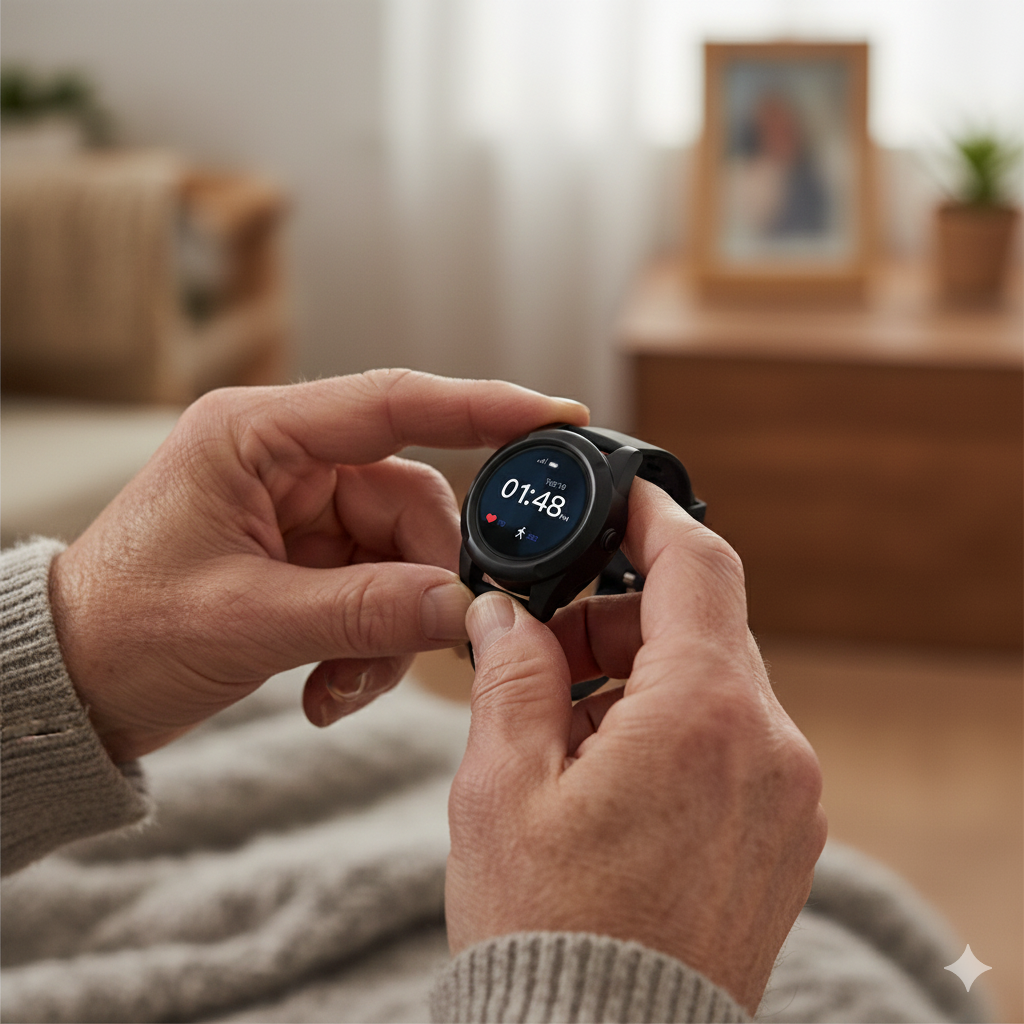
Our SafeLynk Smartwatch is more than just a piece of tech; it’s a tether of love.
It allows your loved one to maintain their independence while giving you the security of: real-time GPS tracking (to prevent wandering), instant Fall detection alerts, and health monitoring with a One-Touch SOS Button.
❤️ Valentine’s Special Offer: Show your love by prioritizing their safety. From February 1st to February 15th, enjoy FREE Shipping on our most SafeLynk Devices!
Give your loved one the freedom to move and give yourself the comfort of knowing they are safe.
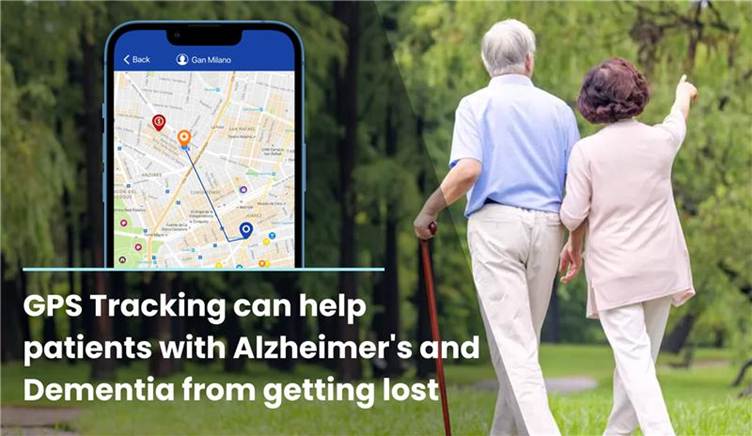
Caring for a loved one with dementia can feel overwhelming, especially when it comes to ensuring their safety and preventing wandering. One of the biggest concerns caregivers face is the fear of their loved one leaving home and getting lost in an unsafe environment.
In 2026, mySeniorCareHub stands out as the essential tool for dementia care, transforming a standard smartphone into a sophisticated GPS lifeline that balances constant protection with senior dignity.
Let’s explore why the right GPS tracking is the ultimate safety net for modern caregivers.
Why GPS Tracking Apps Matters in 2026 – Best for Seniors with Dementia
Dementia often causes confusion and disorientation, even in familiar places.
Without a reliable tracking system, a simple trip to the mailbox can lead to risky situations involving traffic, extreme weather, or intense emotional distress for both the senior and the caregiver.
Today’s families need more than a “find my phone” feature. They need an intervention tool that allows them to locate loved ones instantly and reduce the panic of the unknown. That’s exactly what mySeniorCareHub delivers.
Why Generic GPS Apps Often Fail Caregivers?
Battery Drain: Many tracking apps run high-intensity GPS pings that kill a phone’s battery right when you need it most.
ControlConflict: Seniors may feel monitored or “policed,” leading them to leave their devices behind.
Slow Refresh Rates: In a wandering crisis, a location update that takes 15 minutes is 15 minutes too late.
How mySeniorCareHub Compares to Popular Tracking Apps
Feature
myseniorcarehub
Life360
Google Family Link
Glympse
Real-Time Tracking
Fast & Accurate
Good
Slower Refresh
Temporary
Geo-Fencing
Yes
Yes
Limited
No
Ease Of Use
Overall Great
Quite Good
Okay
Generally Okay
Battery Impact
Low
Medium
Medium
Low
Emergency Alerts
SOS Alerts
Yes
None
None
Best For
Families & Dementia Caregiving
Kids & Teens
Families In General
Short-Term Sharing
Don’t Wait for a crisis to happen…
No long-term contracts. 2,000+ families protected. Set up in under 2 minutes
Caring for someone with Alzheimer’s brings both deep love and an ever-present sense of worry. For families, the primary concern is often how to protect a loved one without making them feel restricted or “watched.”
Modern tracking apps have emerged as gentle, non-intrusive solutions. Among them, the mySeniorCareHub app stands out by blending smart technology with a real understanding of the unique challenges caregivers face every day.
Why Location Tracking is Vital
Wandering is one of the most stressful behaviors associated with dementia. According to the Alzheimer’s Association,6 in 10 people living with dementia will wander at least once. This risk can turn simple daily routines into a constant source of anxiety.
A thoughtfully designed GPS Tracking App for Alzheimer’s, like mySeniorCareHub helps in three critical ways:
Reduces Caregiver Burden: Check a location anytime without the need for constant, repetitive phone calls.
Supports Dignity: Allows loved ones to maintain a level of freedom and independence for as long as possible.
Enables Rapid Response: When every minute counts, real-time alerts ensure you can act immediately if your loved one leaves a safe area.
Quick Guide: Geofencing for Alzheimer’s
Geofencing is often the most effective tool for preventing “elopement” (unintentional wandering). Here is how it works and how to set it up:
Step
Action
Benefit for Families
1. Define Safe Zones
Select areas like “Home,” “Park,” or “Church” in the app.
Creates a “virtual safety net” around familiar places.
2. Set Alert Type
Choose to receive push notifications or SMS alerts.
Ensures you are notified the instant a boundary is crossed.
3. Customize Timing
Set specific hours (e.g., alert if they leave home after 9 PM).
Perfect for managing “Sundowning” or nighttime wandering.
4. Test & Refine
Do a “walk-through” to ensure the GPS triggers correctly.
Provides technical peace of mind before relying on the system.
Feature Spotlight: How mySeniorCareHub Keeps Loved Ones Safe
Our mySeniorCareHub app is built specifically for the needs of seniors. It isn’t just a GPS tracking app for alzheimer’s; it’s a comprehensive safety ecosystem.
Location History: Review daily paths to spot new habits or risky routes they may be starting to take.
2. Immediate SOS Alerts
In moments of confusion, a senior may not remember how to dial a phone number.
With a simplified SOS Alert button, they can send an emergency signal to all designated caregivers simultaneously, including their precise GPS coordinates.
3. Intelligent Geofencing
As detailed in our guide above, geofencing acts as an invisible guardian.
Unlike traditional door alarms that only work at home, mySeniorCareHub follows your loved one wherever they go, alerting you if they wander too far from any designated safe spot.
4. Daily Check-Ins & Connection
Safety is about more than just monitoring; it’s about connection. Our Daily Check-In feature allows for:
Simple “I’m OK” taps: A low-stress way for seniors to confirm they are safe.
Voice Notes: A gentle way for caregivers to send reminders or words of comfort, helping to reduce the anxiety that often triggers wandering.
Peace of Mind is Just a Download Away
While no technology can replace the warmth of human care, the right tools can make the journey significantly safer.
By combining GPS tracking, SOS alerts, and respectful monitoring, mySeniorCareHub helps you give your loved one the freedom they deserve and the safety they need.
Monitor Your Elderly Loved Ones Safety From Anywhere & Everywhere
No long-term contracts. Set up in minutes. Cancel anytime.
Frequently Asked Questions:
How does the app help if my loved one wanders or gets lost?
Our app uses Live GPS Tracking and Geofencing to create “safe zones” around the home or neighborhood. If your loved one crosses these invisible boundaries, you receive an instant alert.
For added safety, our Gold Plan allows up to three family members to be notified simultaneously, ensuring a rapid response.
What happens if they press the SOS button during an emergency?
When the SOS button is pressed, our 24/7 U.S.-based monitoring center immediately receives the GPS location and medical history.
While 9-1-1 only dispatches EMS, we notify you (the caregiver) first to coordinate help – whether it’s a neighbor for minor confusion or emergency services for a life-threatening event.
Can I monitor their health and “Sundowning” patterns?
Yes. Beyond location, the app tracks Vitals and Activity (heart rate, oxygen, and sleep) to provide an AI wellness score.
You can also set Medication Reminders and review Location History to spot changes in behavior or risky new routines often associated with different stages of Alzheimer’s.
Caring for someone with dementia is more than remembering pills or checking locations. It’s about keeping them safe, supported, and feeling loved. That’s where the right app makes all the difference.
In 2026, mySeniorCareHub stands out as the best dementia app for seniors and caregivers alike, combining medication reminders, live location tracking, emergency SOS, and routine check-ins into one simple, friendly platform.
Let’s see why this all-in-one tool is changing the way families handle dementia care.
Why Dementia Apps Matter in 2026 – Best Dementia App for Seniors
Dementia care is often unpredictable. One day, everything feels fine; the next, your loved one might wander outside or forget critical medication.
A good dementia app helps caregivers stay a step ahead, offering tools that bring structure and safety without feeling intrusive.
Today’s families want more than reminders. They want peace of mind, connection, and real support. That’s exactly what mySeniorCareHub delivers.
Why Traditional Care Methods Fall Short in 2026?
Medication Gap: Mismanaged doses lead to health spikes and emergency room visits.
Wandering Risk: Traditional GPS trackers are often bulky, expensive, or easily forgotten at home.
Caregiver Burnout: Managing a calendar, location, and health logs across multiple apps creates “digital fatigue.
mySeniorCareHub: All-in-One Dementia Care Companion
App Features
How It Helps Seniors & Caregivers
Medication Reminders
Sends clear, easy-to-read alerts to seniors and caregivers so no dose is missed.
Real-Time Location Tracking
Let caregivers see where their loved one is anytime, preventing wandering risks.
Emergency SOS Button
Seniors can send instant alerts to caregivers in case of confusion, falls, or other emergencies.
Routine Check-Ins
Schedule friendly prompts for hydration, meals, short walks, or mental exercises
Shared Calendar & Notes
Helps families coordinate appointments, visits, and activities seamlessly.
Your All-In-One Dementia Care Companion App
Don’t Wait For A Crisis To Happen, Secure Your Loved Ones Now
Frequently Asked Questions: Dementia app for seniors
Q. How can an app actually help someone with advancing dementia?
A. While technology can’t replace human care, it provides a safety net. For seniors, it offers simplified prompts that encourage independence.
For caregivers, it reduces “hyper-vigilance” by providing automated alerts for medications and location, allowing you to focus on quality time rather than constant monitoring.
Q. Is the app easy enough for a senior with memory loss to use?
A. Yes. Unlike standard health apps, mySeniorCareHub features an “interface-first” design. This means extra-large buttons, high-contrast colors for better visibility, and a simplified layout that eliminates confusing menus.
The goal is to make the SOS and reminder features accessible even during moments of mild confusion.
Q. What happens if my loved one forgets their phone or it loses battery?
A. Our mySeniorCareHub app includes a Low Battery Alert sent directly to the caregiver’s device.
We always recommend that the app be part of a broader safety plan, such as keeping the phone in a dedicated “exit-door” pouch or using a wearable lanyard, to ensure it stays with the senior when they leave the house.
Q. Can multiple family members track one senior at the same time?
A. Absolutely. Caregiving is a team effort. You can sync mySeniorCareHub app across 4 premium family accounts (devices) under one roof, so that siblings, spouses, or professional aides all receive the same real-time updates, medication logs, and SOS alerts.
Q. How does the “Safe Zone” (Geofencing) feature work?
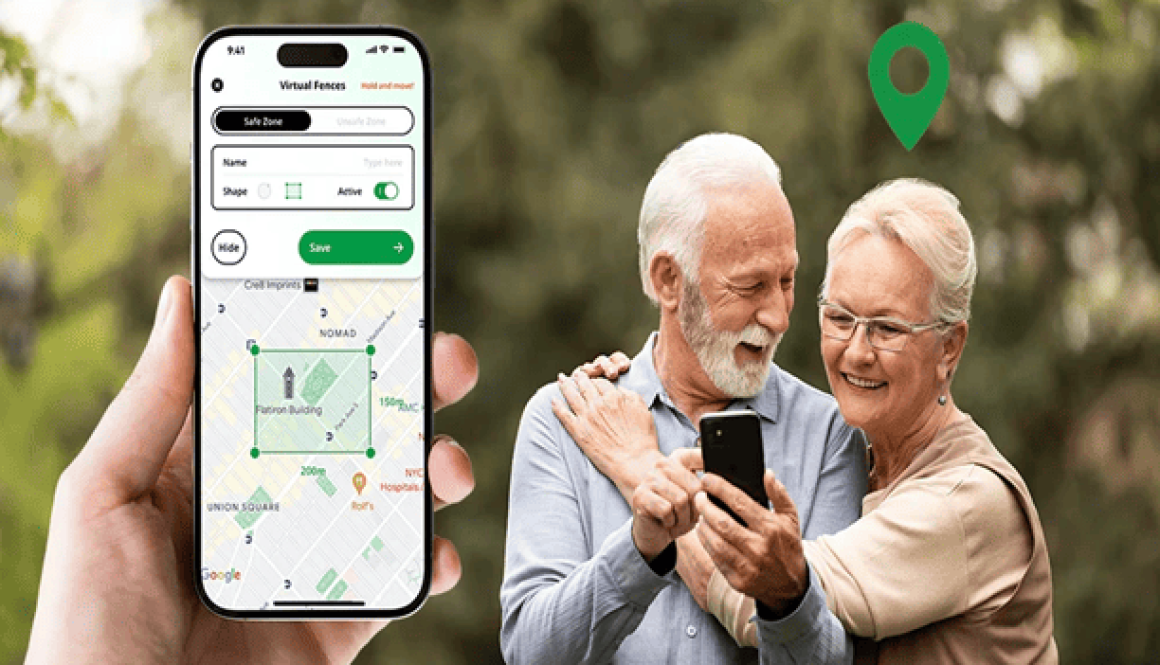
A. You can draw a virtual perimeter on a map like a two-block radius around their home. If the senior’s device crosses that boundary, mySeniorCareHub app sends an instant notification to the caregiver.
This is a critical tool for managing “wandering” behaviors common in middle-stage dementia.
Caring for someone with dementia or Alzheimer’s is more than just memory support. These conditions often affect orientation, decision-making, and even the ability to recognize familiar surroundings. One of the most pressing concerns for families is wandering a common and dangerous behavior associated with cognitive decline.
Did you know? 60% of people with dementia will wander at least once, and many do so repeatedly. These aren’t casual walks—they can lead to accidents, confusion, dehydration, or getting lost in unfamiliar or even busy areas.
mySeniorCareHub is built specifically for elderly safety, dementia care, and peace of mind for caregivers. With senior-friendly features and a caregiver dashboard, it’s one of the most reliable apps for tracking, protecting, and staying connected with loved ones who are living with memory disorders.
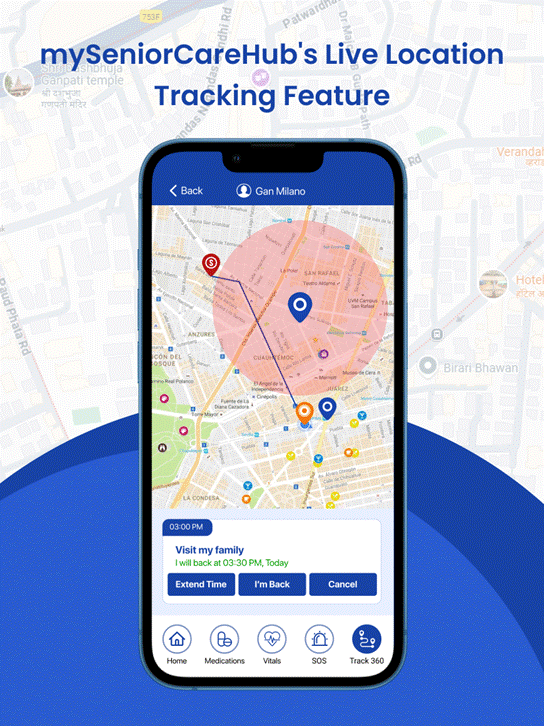
Create safe zones such as home, nearby parks, or a neighbor’s house. Get instant alerts if your parent wanders outside these areas—so you can act fast.
💡 Tip: Set up multiple zones that reflect your parent’s daily routine to avoid false alarms and reduce stress.
If your loved one gets confused or lost, a single tap sends an emergency alert with their live location to you and other caregivers.
🧍♂️ Fall Detection with GPS
Falls are dangerous, especially when they occur during a wandering episode. mySeniorCareHub detects sudden falls and shares the precise location for faster intervention.
📊 Caregiver Dashboard for Family Monitoring
Whether you’re in the same house or abroad, you can monitor their location, vitals, and medication reminders all in one dashboard.
Wandering doesn’t mean they’ve lost control it means they need support. And support should never feel like surveillance. mySeniorCareHub respects the autonomy of seniors while empowering caregivers with vital information and alerts.
Its clean design, voice-enabled features, and simple interface make it suitable even for seniors unfamiliar with technology.
More Than Just a Locator. It’s a Complete Care Solution
In addition to GPS location tracking, the app includes:
“Is she okay?” “Did she take her meds?” If you’re a long-distance caregiver, these questions are a constant source of anxiety. Between work and life, calling every two hours is impossible, and most seniors value their independence too much for that anyway.
I realized a missed text isn’t a crisis; it’s just life. I can’t be everywhere at once, but I can be proactive. That’s why I turned to smart daily check-ins: a digital safety net that catches the whispers before they become screams.
Silent Struggles of Long-Distance Caregivers
Caring for a senior remotely comes with heavy emotional weight: the anxiety when they don’t respond, the guilt when you’re stuck in a meeting, and the helplessness when distance separates you.
When a parent lives alone, the early signs of trouble are often invisible:
Skipping a meal because they feel “a bit off.”
Forgetting medication due to slight disorientation.
Dizziness that gets brushed off as “just being tired.”
Sleeping longer than usual.
Without a system, these warning signs go unnoticed until they become emergencies.
How the Safety Check-In App Makes the Invisible, Visible
With mySeniorCareHub App, I stopped guessing and started knowing. It bridges the gap between independence and safety without making my grandmother feel like she’s under 24/7 surveillance.
App Features
What It Does?
Why It Matters?
One-Tap Check-In
Senior taps a button to confirm they are safe.
Confirms mobility and wellness in seconds.
Missed Check-In Alerts
Notifies you immediately if they miss their window.
Spot early signs of falls, dizziness, or inactivity.
SOS Emergency Alert
An Immediate alert is sent to your phone with GPS location.
Ensures medical help is sent even if you’re unreachable.
Medical Importance of Proactive Monitoring
Medical issues in seniors, like dehydration, low blood pressure (hypotension), or low blood sugar, don’t always start with a bang. They start with a missed routine.
A Missed Check-In: Could be the first sign of a “long-lie” after a fall or sudden fatigue.
Safety Without Surveillance: Unlike intrusive cameras, the app only shares location and status during an alert, respecting their privacy while ensuring their safety.
Catching these moments early gives you time to intervene to call a neighbor, adjust a routine, or send emergency services before a situation escalates.
You Don’t Have to Call 5 Times a Day to Be a “Good” Caregiver
There is so much guilt tied to long-distance care. We worry that using technology means we’re replacing human connection. In reality, it’s the opposite.
mySeniorCareHub app doesn’t replace love; it supports it. It handles the “Are you okay?” part of the day so that when you do call, you can talk about things that matter like family stories or what they had for lunch… rather than running through a medical checklist.
Final Thought
I still talk to my grandmother every evening. But now, our conversations are more about her day and less about my fears. I already know she’s okay because the check-in app told me so hours ago.
If you’re a working caregiver, you aren’t failing. You’re juggling. Let a safety check-in app be your eyes and ears when you can’t be there in person.
With 24/7 Emergency Dispatch + Daily Safety Confirmation
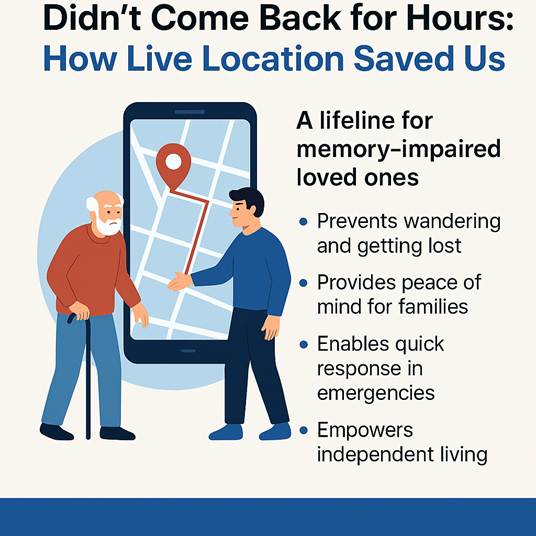
It was an ordinary afternoon until we realised Grandpa wasn’t in the house. We searched every room, checked the backyard, and called his name throughout the neighbourhood.
Hours passed, and panic set in. By the time a stranger found him sitting alone at a bus stop miles away, confused and dehydrated, the emotional toll on our family was immense. This moment, both terrifying and unforgettable, is the reality for many families caring for seniors with Alzheimer’s or Parkinson’s.
But what if there had been a way to know when he stepped out? What if one alert had been sufficient? This article explores how to recognize the early signs of Alzheimer’s, the dangers of wandering, and how geo-fencing and real-time location tracking can be lifesaving tools for families.
Understanding Alzheimer’s Disease and Wandering Behavior
Alzheimer’s is a progressive neurodegenerative disorder that affects memory, cognition, and behaviour. One of the most dangerous symptoms as the disease progresses is wandering, which affects over 60% of individuals with dementia.
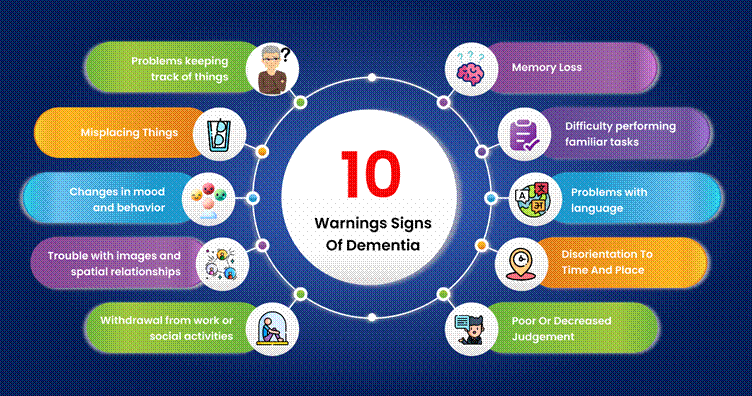
Early Signs of Alzheimer’s Disease
Symptom
Description
Memory loss
Forgetting recent events, names, or appointments repeatedly
Disorientation
Getting lost in familiar places or confused about time
Poor judgment
Making unsafe decisions, like dressing inappropriately for the weather
Mood changes
Sudden shifts in mood or personality, often appearing confused or anxious
Withdrawal
Avoiding social activities or work they once enjoyed
Recognizing these signs early can help families prepare for the risks, including the high probability of wandering behavior.
Why Do Seniors Wander?
Confusion about time or place
Looking for something or someone from the past
Restlessness or boredom
Stress in unfamiliar settings
Wandering is not just inconvenient—it’s dangerous. Seniors can become lost, dehydrated, or injured. Weather exposure, traffic hazards, and the risk of falling make this a critical issue.
Geo-fencing utilizes GPS or cellular data to establish virtual boundaries (“safe zones”) around a physical location. If the monitored person leaves that boundary, an instantalert is sent to caregivers via a mobile app or text.
How Geo-Fencing Helps
Feature
Benefit
Custom Safe Zones
Set areas like home, backyard, or familiar parks
Real-Time Alerts
Get notified immediately when the senior steps out
Location Tracking
Pinpoint the exact GPS location for faster retrieval
Activity History
See movement patterns that may indicate increased risk
Emergency Button
Some devices allow the senior to send alerts themselves
When integrated with wearable tech like GPS-enabled watches or smartphone apps, geo-fencing offers an invisible layer of safety.
In the U.S., more than 11 million people provide unpaid care for individuals with Alzheimer’s. The emotional and physical toll is overwhelming. Technology like geo-fencing can ease that burden.
Case Example:
Linda, a caregiver for her 78-year-old mother, received a geo-fence alert one morning while at work. Her mother had opened the front gate and started walking. Within minutes, Linda was able to guide a neighbor to her location using live GPS, preventing what could have been a tragic outcome.
With features like geofencing and location tracking, the mySeniorCareHub app offers the most user-friendly interface. The best part of this app is that it’s free for users.
It’s Time to Use Location Tracking
Even if your loved one hasn’t wandered yet, certain signs suggest it’s time to consider geo-fencing:
They get confused in familiar surroundings
They’ve left the house without informing anyone
You find them awake or active at odd hours
They ask about going “home” when they’re already home
They’ve had one or more near-miss incidents
Proactively using location tracking can prevent a tragedy rather than reacting to one.
Addressing Privacy and Dignity
One concern caregivers often express is, ‘Will tracking invade their dignity?’
Here’s how to approach it:
Frame it as protection, not surveillance
Choose discreet devices that feel less intrusive
Explain the reasoning behind it compassionately
Most seniors, especially those in early stages, are willing to agree when they understand it keeps them safe.
The hours we lost Grandma were filled with fear, guilt, and helplessness. Had we known about geofencing and tracking, it could have ended differently.
Technology won’t stop Alzheimer’s. But it can give families the tools to respond faster, safer, and with more peace of mind. If your loved one is showing early signs, or even if they aren’t, don’t wait for the moment they walk out unnoticed.
Set a digital safety net. One alert could make all the difference.
When memory starts to fade, technology can light the way home.– Location Tracking App
The Day Everything Changed
It was a typical Thursday morning. My 72-year-old father, who had recently been diagnosed with mild dementia, laced up his walking shoes and stepped outside for his daily morning walk. He had done this hundreds of times. The route and the park were the same. Nothing seemed out of the ordinary.
Except this time, he didn’t come back.
We waited. Ten minutes turned into thirty. Thirty turned into an hour. We called his phone—it rang but went unanswered. Panic began to set in. Had he fallen? Was he confused about the way home? Was he safe?
I had always feared this moment because I juggle work, home, and caring for others. However, I had no idea how quickly things could spiral out of control.
The Harsh Reality of Wandering
Wandering is one of the mostterrifyingrisksforpeoplelivingwithdementia, and unfortunately, it’s common. According to the Alzheimer’s Association, 6outof10peoplewithdementiawillwanderatsomepoint. They may walk away from familiar places, forget their addresses, or become disoriented even on routes they’ve taken for years.
The fact that they might not even realize they’re lost or ask for assistance makes it even more frightening. The longer they are missing, the more dangerous the outcome becomes, exposing them to harsh weather, dehydration, traffic accidents, or falls.
For caregivers like me, it’s not just about finding them; it’s the uncertainty,helplessness,and the ticking clock that breaks you from the inside.
Luckily, my dad’s story didn’t end in a hospital visit or a police search.
Earlier that week, I had set up a safety app on his phone – mySeniorCareHub, which includes a Live Location Tracker designed specifically for elderly care. That morning, as I opened the app in panic, I could see a moving dot. My father was three blocks away, walking near an old market area he used to visit in his youth.
He wasn’t hurt or lost in the physical sense, but he was mentally somewhere else. He thought he was walking to his childhood home.
In ten minutes, I got to him. Brought him home calmly. Gave him water. And took a deep breath.
That dot on the screen was more than GPS. It was reassurance. Relief. A second chance.
Why This Happens: Understanding the Medical Side
Wandering isn’t just random behavior. In many dementia cases, especially Alzheimer’s and vascular dementia, wandering is triggered by:
Confusion with time or place: The person may think they need to go to work or visit a relative.
Stress or fear: Loud noises, unfamiliar surroundings, or even arguments can cause them to walk away.
Restlessness or boredom: Some wander simply because they want to go out, but then can’t find their way back.
Dementia can affect short-term memory and spatial reasoning even in its early stages, which can put people in danger.
How Technology Can Help Without Intruding – Location Tracking App
Let’s face it, none of us wants to treat our parents like children. And they don’t want to feel like they’re being “watched”. That’s the emotional tension every caregiver deals with: safety vs. independence.
That’s where mySeniorCareHub struck the right balance.
In the background, its Live Location Tracker operates silently. No continuous check-ins or calls. However, it instantly alerts the caregiver if something seems strange, such as when the elderly person leaves a specified safe area.
You can:
View real-time location on your phone
Set up Geo-Fences (like a 500-meter radius around home)
Get alerts if they step outside the boundary.
Share location with emergency contacts during crises.
It feels non-intrusive. It seems considerate. More significantly, it provides comfort without sacrificing individuality.
The Medical Risk of Delays – Location Tracking App
If someone gets lost, most people assume they’ll find their way back eventually. However, that isn’t always the case, particularly in older people.
According to studies, seniors who go missing have a 50% chance of suffering severe injuries or dying if they are not located within 24 hours.
Medical emergencies like:
Hypoglycemia or low blood sugar (especially in diabetic seniors)
Stroke or TIA episodes that affect coordination
Falls leading to internal bleeding
Dehydration or exposure to heat/cold
These don’t wait. Every minute counts. That’s why knowing where your loved one is, right now, isn’t just convenient, it can be the difference between a safe return and a tragedy.
Before this incident, I used to call my dad every 30–40 minutes whenever I was out or at work. Not because he needed me, but because I needed to know he was okay.
But even that wasn’t foolproof.
I’ve spoken to friends and relatives who’ve gone through worse—fathers found by strangers in disoriented states, mothers who fell on the road and lay there for hours before someone noticed.
We’re trying our best. But we’re not superhumans. Technology like this helps us fill the gaps.
It’s More Than Monitoring; It’s Thoughtful Attention
What I love about mySeniorCareHub is that it doesn’t stop at location sharing. It connects the dots:
Smart notifications if they miss medication or step out unexpectedly
It’s not about controlling their lives. It’s about supporting their freedom, with just enough guardrails to keep them safe.
Final Thoughts: We Found Him in Time; You Can Too
That day changed how I think about eldercare. We can’t prevent every problem, but we can prepare, act faster, and sleep better knowing we’ve taken steps to protect the ones who once protected us.
If you have an elderly parent, especially one with memory challenges, we urge you: don’t wait for the first emergency. Set up that location tracker today. Not because you don’t trust them, but because you love them enough to be ready.
Because getting lost is scary. But not knowing where they are? That’s unbearable.
Start protecting your loved ones today. Download the mySeniorCareHub app and explore features like Live Location, Fall Detection, and Geo-Fencing. Peace of mind is just one tap away.
We all want our elderly loved ones to live long and happy lives, but it is normal for them to need assistance to maintain a secure and fulfilling life as they age. As our loved ones grow older, ensuring their safety becomes just as important as supporting their independence. Studies show that two-thirds of elderly adults require help with one or more daily activities. Even though many seniors want to lead active, independent lives, daily outings can become dangerous due to the possibility of unexpected health problems like memory loss, falls, or fainting. This is where location tracking steps in.
The mySeniorCareHub app offers a built-in location tracking feature that allows caregivers to monitor a senior’s real-time location, receive alerts if they exit safe zones, and respond quickly during emergencies. It’s not just about knowing where they are—it’s about acting when it matters most. Monitoring a senior’s whereabouts is crucial for timely assistance and comfort in the contemporary healthcare setting.
Situations in Which Location Tracking Is Beneficial
For good reason, seniors cherish their independence, but some medical conditions can subtly make everyday tasks risky. When certain medical conditions are present, it might not be as safe to take a stroll in the park, go to the market, or even just go outside for some fresh air. This is where location tracking goes from being a convenience to a potentially life-saving tool.
Elderly people suffering from dementia often experience confusion, memory loss, and difficulty recognizing familiar locations, including their own homes. One of the most common and concerning symptoms is wandering. Imagine this: a senior steps out for their usual evening stroll, but this time, they forget which path leads home. Minutes turn into hours, and panic sets in. Six out of ten individuals with dementia will wander at least once, making this a common occurrence. Unfortunately, some may not find their way back. That’s where mySeniorCareHub comes into play. With real-time location tracking and safe zone alerts, caregivers are notified immediately when a senior steps outside a defined perimeter. No frantic calls. No guessing. Just swift, calm, and effective action.
Parkinson’s is a progressive disorder that affects movement and balance. Seniors with Parkinson’s may experience sudden muscle rigidity, tremors, or a phenomenon known as “freezing,” where their body temporarily stops responding. A walk can turn into a standstill—the feet feel glued to the floor, mid-crosswalk, mid-step. Imagine this occurring when the individual is by themselves. Caregivers do not need to wait for a distress call when location tracking is used. If they observe unusual delays or stillness, they can check in right away. A minor incident can be kept from turning into a serious emergency with prompt outreach.
Cardiovascular Conditions: Stroke, Heart Attack, and Arrhythmia
Conditions like coronary artery disease, atrial fibrillation, and previous strokes increase the risk of sudden cardiac events. A senior may faint, lose balance, or become unresponsive without warning. These episodes are particularly dangerous if the person is alone or away from home.
The faster medical help arrives, the better the outcome, especially in strokes, where every minute counts to reduce brain damage. With real-time location tracking, family members or emergency responders can reach the senior without delay, avoiding critical loss of time during emergencies.”
With mySeniorCareHub, even if a senior can’t speak or reach their phone, their last known location is always visible. That’s huge. It’s the difference between delayed discovery and rapid rescue, something that’s especially critical when treating strokes, where “time is brain.”
Diabetes & Hypoglycaemia
Seniors with diabetes are prone to sudden drops in blood sugar, particularly if they’re on insulin or certain oral medications. Hypoglycaemia can cause dizziness, confusion, slurred speech, or even unconsciousness. The problem is that these symptoms can appear at any time, whether you are walking, shopping, or driving. If a senior with diabetes is discovered fainting or confused in a public setting, it might not be immediately clear to onlookers what is going on. However, mySeniorCareHub eliminates the need for guesswork for caregivers. The app helps them track their loved one’s route, spot delays, and reach them before things escalate. It’s like having a silent safety net always in place.
Epilepsy and Seizure Disorders
Though not as common in seniors, epilepsy and other seizure conditions can occur, especially due to brain injuries or post-stroke complications. A seizure can leave a person disoriented or unconscious in unfamiliar surroundings. Not all seniors with seizures get a warning. Some fall suddenly. Others recover with no memory of what just happened. And post-seizure confusion can be terrifying. If this happens outdoors, in an unfamiliar area, it could mean long delays in getting help—unless someone’s watching. With location tracking, families don’t have to wait for a call that may never come. They already know where to go.
Mental Health Conditions: Depression, Anxiety, and Social Withdrawal
Mental health challenges in older adults often go unnoticed. Seniors dealing with depression or anxiety may isolate themselves, leave the house without informing anyone, or avoid communication entirely. Some may go for long walks to clear their minds and forget to return, especially if they’re also dealing with early cognitive decline.Depression and anxiety don’t always look dramatic. Sometimes it’s just a senior skipping meal, avoiding calls, or walking off to be alone except they forget to come back. In such moments, location tracking offers a gentle layer of oversight. It provides loved ones with a discreet reassurance without interfering; it is a way to ensure a senior’s safety without having to check in all the time. And assistance is only a tap away if something does not feel right.
These aren’t rare scenarios. They happen every day to someone’s parent, someone’s grandparent, or someone’s partner. The good news? With technology like mySeniorCareHub location tracking, we’re no longer powerless in the face of uncertainty. We’re proactive, present, and prepared.
Location Tracking for Everyday Safety: Not Just for Emergencies
You don’t need a medical crisis to realize the value of location tracking. For many families, it is about finding peace of mind in the seemingly routine moments that can suddenly become unpredictable. Not all seniors are homebound. Many live active, independent lives. They go for morning walks, visit the market, attend religious gatherings, or simply enjoy a solo cup of tea at a nearby park. That autonomy is crucial. However, it also entails unspoken concerns for family members and caregivers.
What if they took a new route today and got lost?
How would they call for assistance if they slipped?
These aren’t dramatic fears. These are common worries, and location tracking helps close the gap between providing autonomy and guaranteeing security. With mySeniorCareHub, families can see where their loved one is in real time. They can check in if something seems strange, such as a longer stay than usual. It’s not about controlling or monitoring. It’s about staying connected quietly like a digital safety hand always ready in the background.
The bottom line is that location tracking is about assurance, not illness, even for healthy, self-sufficient seniors. It adds a layer of care that doesn’t intrude but stands ready when needed.
Why Brain Health Deserves Daily Attention as We Age – Care for Seniors
Forgetfulness, sluggish thinking, and trouble focusing aren’t merely signs of aging; they indicate the brain, much like the rest of our body, requires consistent care and stimulation. Research indicates that around age 30, the brain begins to lose some volume. By our 60s, we might experience a loss of up to 0.5 percent of brain volume annually. Thankfully, there’s encouraging news. Harvard and the National Institute on Aging have found that engaging in regular cognitive exercises can enhance memory, slow cognitive decline, and even lower the risk of dementia by as much as 30 percent.
The brain is incredibly adaptable. This ability, known as neuroplasticity, allows it to form new neural connections at any age. Just like physical workouts strengthen the body, mental workouts help the brain stay flexible, sharp, and resilient. With the right habits, helpful tools, and a little consistency, seniors can preserve and even enhance their cognitive abilities well into later life.
As we grow older, it is normal for our memory to slow down a little. We may forget names, misplace things, or find it harder to focus. But that does not mean we cannot keep our minds active and strong. In fact, doing simple brain exercises every day can help keep the mind sharp, just like walking keeps the body fit.
Studies show that people who regularly challenge their brains have better memory and thinking skills. Some even lower their risk of conditions like dementia. These activities do not have to be hard. Reading, solving puzzles, trying a new hobby, or even chatting with friends can all help the brain stay healthy.
Additionally, mental activity boosts confidence and mood. We feel more in charge and self-sufficient in day-to-day living when we maintain our mental toughness. Adding a few brain-boosting techniques to your daily routine can make a big difference over time.
Keeping your brain active can be enjoyable and straightforward.
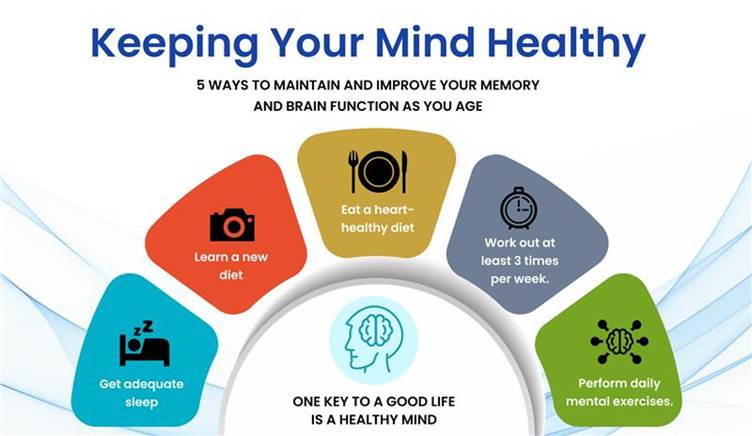
According to experts, maintaining mental health as you age and improving memory and focus can be achieved through regular brain activity. Here are twelve useful exercises divided into three simple sections. Depending on your daily energy levels and interests, you can mix and match these.
1. Read Something Every Day – Reading helps you learn new things and keeps your attention sharp. You can read newspapers, short stories, magazines, or even an interesting article online. Reading aloud also improves speech and understanding. mySeniorCareHub website publishes senior health-related articles daily, which not only provides knowledge but also helps you stay consistent in your reading journey.
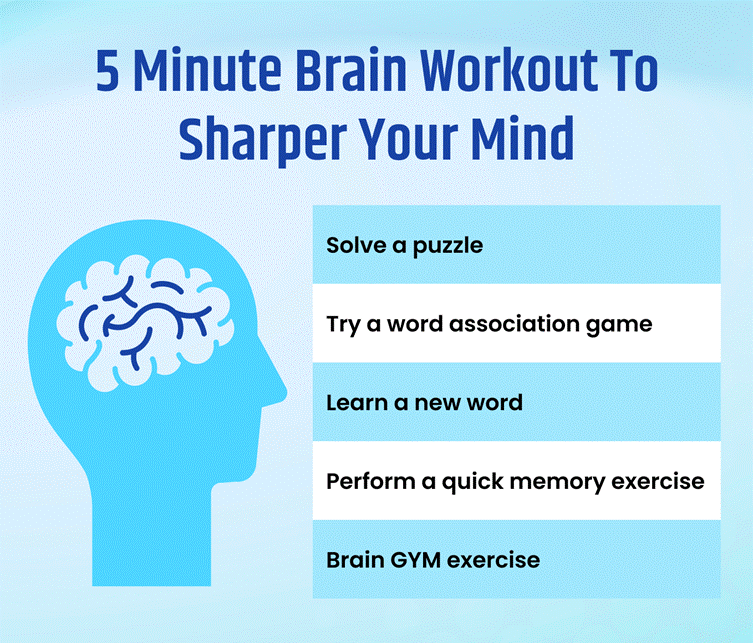
2. Solve Brain Games and Puzzles – Games like crosswords, number puzzles, word searches, and memory cards make your brain think and solve problems. Doing just one small puzzle every day keeps the mind awake and alert.
3. Try Brain Exercise Apps – Some easy mobile apps are specially made to improve memory and thinking. These short games test how fast you think. Apps like mySeniorCareHub can also remind you to play them daily and track your progress.
4. Practice Mental Math – Try adding up your shopping list in your head or working out how much money you need without a calculator. Doing basic math tasks regularly keeps your brain active.
5. Play the Name Game – Pick a topic like types of fruits or names of cities, and list as many as you can in one minute. This activity helps with memory and thinking speed.
6. Learn a New Skill or Hobby – Learning something new, like drawing, knitting, speaking a new language, or photography, keeps your brain flexible. It gives your mind fresh things to understand and enjoy.
7. Write Every Day – You can write a short journal, a fun memory, or even a letter to someone you love. Writing helps you express your thoughts and improves memory.
8. Try Cooking a New Dish – Following a recipe build thinking and timing skills. You also use your senses like taste, smell, and sight, which helps in keeping the brain engaged.
9. Add Music to Your Day – If you can, play a simple instrument, sing along, or listen to your favourite music. Music supports memory, mood, and rhythm. It can bring a sense of joy and calm.
10. Make Art with Your Hands – Your hand control and focus are enhanced when you draw, fold paper, paint, or do crafts. These activities are also relaxing and fun.
11. Go for a Walk and Have a Talk – Walking in fresh air improves blood flow to the brain. Walking with a friend or neighbour also helps to keep your spirits up and your mind engaged with social activities.
12. Gentle Exercise and Calm Breathing – Doing easy exercises like stretching or seated yoga can improve focus and balance. After your routine, try five minutes of deep breathing to relax your body and clear your mind.
The secret to a healthy brain lies in consistency. Even ten to fifteen minutes a day can make a big difference. Start small and choose one or two exercises that feel easy and enjoyable. Slowly add more as you feel comfortable.
For example, you can read the newspaper in the morning, do a word puzzle after lunch, and go for a short walk in the evening. Regularly completing these small steps creates a solid basis for mental fitness.
To make things easier, tools likemySeniorCareHub can help you stay on track. You can also set reminders and track your progress. With this support, staying mentally active becomes part of your lifestyle, not a task.
Frequently Asked Questions About Brain Exercises– Care for Seniors
1. How much time should I spend on brain exercises every day? Even ten to fifteen minutes a day is helpful. The key is to do it regularly. You can break it into smaller parts throughout the day.
2. Do I need to solve puzzles only? Not at all. Brain exercises can include reading, writing, learning something new, playing music, walking with friends, or even trying a new recipe. Anything that makes your brain think counts.
3. Can watching television improve brain health? Watching educational shows or nature documentaries can be good in moderation, especially if you discuss what you watched later. However, passive watching alone does not help as much as active brain use.
4. I forget things often. Does that mean these exercises will not help me? Not at all. In fact, regular brain activities can slow memory loss and improve focus. Forgetfulness is common with age, and these exercises are meant to support your mind gently.
5. Is it ever too late to start brain exercises? Never. The brain is capable of learning at any age. Starting today is always better than waiting.
6. Can I do these exercises if I am not good with phones or apps? Yes. Most exercises, like reading, talking, walking, or drawing, do not need any gadgets. But if you feel comfortable, apps like mySeniorCareHub are designed to be simple and senior-friendly, with gentle reminders.
It is never too late to take care of your brain. Your mind, like your body, requires movement, creativity, and gentle challenges to maintain its strength. Every small step count, whether reading a new story, putting together a puzzle, or learning something new. With helpful tools like mySeniorCareHub by your side, staying mentally sharp can feel easy and even enjoyable.
Start now, take your time, and enjoy the little things. Your brain will thank you for it.